
The realm of digital marketing is going through massive shifts. It has become very difficult for businesses to keep themselves at a leading edge in the competitive arena because of the changing behavior of customers, which require a personalized approach in marketing. The development of artificial intelligence has allowed it to shift from an application in research in marketing to a fundamental part of marketing, including AI SEO.
AI helps marketers automate tasks, content, personalized marketing, as well as forecasting consumer behavior. The most challenging part, though, is not whether to use it but how to use it at its best.
The Role of AI in Marketing

The AI tool is built on customer engagement, buying, browsing, and engagement metrics. The algorithm has the capacity to decode all the attributes, which help marketers take the best decisions, automate tasks, and compose attractive messages for a certain audience.
The Benefits of AI in Digital Marketing
AI SEO helps businesses streamline and optimize digital marketing activities in the following ways:
- Automatically executes common marketing tasks such as posting, bidding, reporting
- It generates forecasts on customers’ behavior, which helps predict trends and needs
- Enables functionality on websites and online content with AI-powered SEO
- Personalized campaigning aimed at maximum engagement and conversion
- Offers real-time analytics support for making instant decisions
The small to medium business is now offered competitive pricing on AI solutions. Even with a small marketing department, the business is now capable of optimizing ROI, marketing campaign analysis, and customer interactions.
For example, an online fashion store used AI solutions to optimize posting on various social media platforms as well as emails. This led to an overall increase in open rates by 25%, engagement on the platforms by 40%, and conversions by 18% on the platforms within a six-month span, along with extra time for the marketing department to work on creative projects.
Personalization with AI Technology: The Fulfillment
Personalization has come into the picture as a need in marketing. Customers are now expecting personalized content, emails, products, and more, to be based on behavior, interests, etc. AI is assisting businesses with the needful.
How Personalization with AI Works:
- Tracks user behavior, surfing, and previous purchases.
- It offers targeted emails, offers, and product recommendations.
- It changes dynamically based on user interactions.
- Boosts Loyalty, Engagement, and Customer Retention.
Real-world Examples:
Netflix applies artificial intelligence to recommend television shows to viewers based on their past
Products are suggested on Amazon based on your shopping behavior
Smaller businesses can also leverage the use of AI-powered email marketing, as well as AI-powered SEO, to make online content more personalized based on people’s interests
“Practical tip: Even now, thanks to the development of free and affordable AI solutions, small businesses are capable of conducting highly personalized marketing campaigns even with free solutions that cost more than small businesses can afford.”
In addition, with the emergence of artificial intelligence, marketing is also becoming more
Artificial Intelligence in Content Creation, Multimedia, & Automation
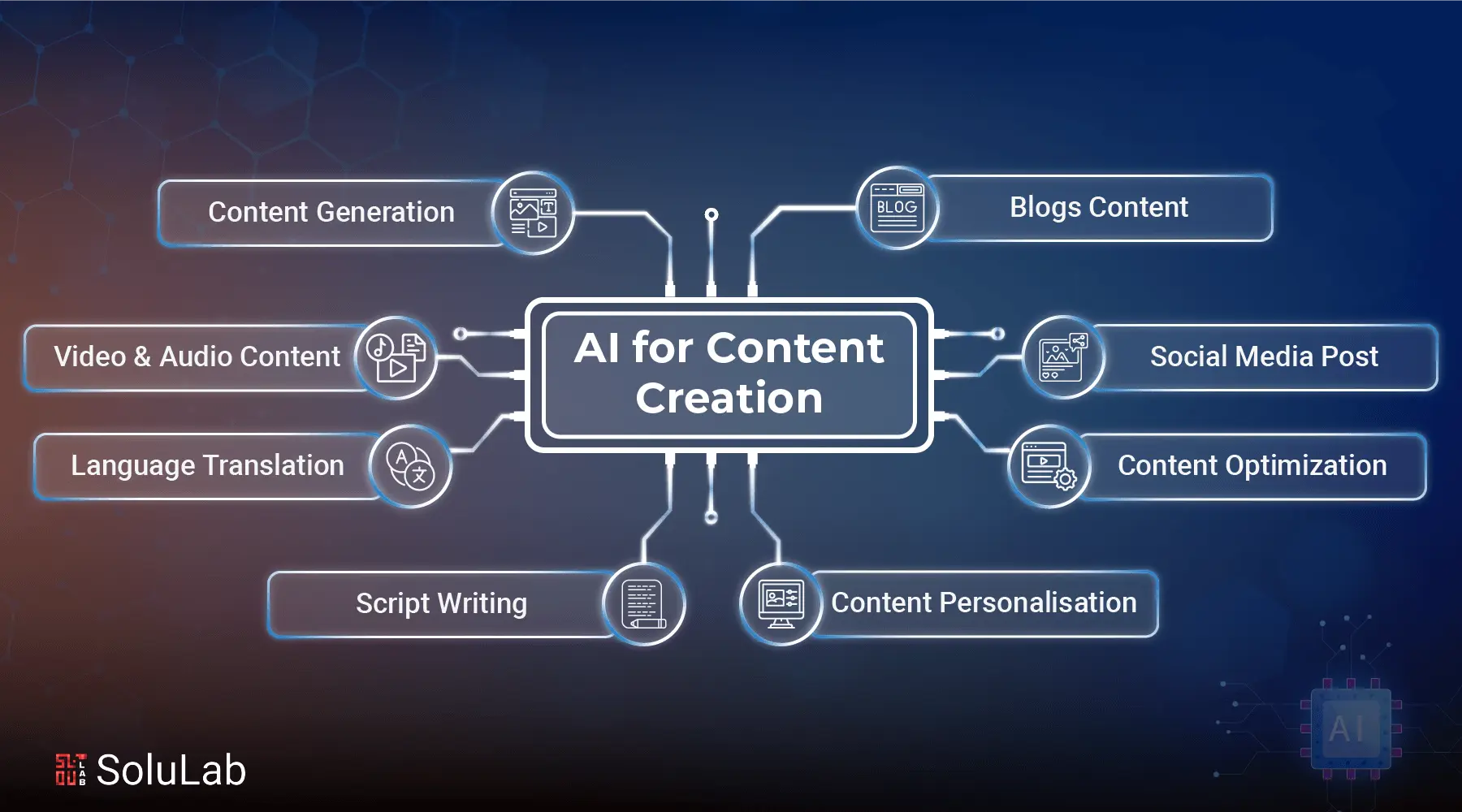
The most significant problem that marketers are facing is that they need quality content regularly. This is where AI is useful because it is a content creator, a posting tool, and a performance analyzer all at once.
Benefits of AI in Content Marketing:
- Automatically generates blog posts, articles, posts on different platforms, emails, as well as advertisement copy.
- Offers Search Engine Optimization recommendations for improved Search Engine Optimization results.
- Engagement and Performance Tracking for Campaign Optimization.
- Helps marketers to concentrate on strategic as well as creative thinking.
Jasper AI, Copy.ai, and ChatGPT are some such platforms that make scaling content easy for businesses. The use of AI-based SEO services helps in making the content optimized for better visibility, which reaches the targeted segment efficiently.
Example: In the e-home décor e-commerce site, the posting of messages on the social media platforms, as well as the dispatch of e-mails, was automated with the use of an AI solution on the site. This boosted engagement by 37% and leads by 25% in a short while.
In addition, AI is used in the creation of location-based content for different regions, thus it increases customer engagement for different markets. This is a very useful tool for businesses that operate in different regions.
The Role of Artificial Intelligence in Online Paid Advertising
It has influenced the manner in which people pay for advertisement through the use of programmatic buying, PPC marketing, as well as dynamic targeting.
The benefits of applying AI in advertising:
It automates the process of placing the advertisement such that the advertisement reaches the targeted group of people at the right time.
- Dynamically optimizes creatives based on user behavior
- Optimizes PPC Bids in Real Time for Max ROI
- Bases on predicted behavior and demographics
For example, Google’s Smart Bidding applies AI to optimize clicks on PPC, which relies on behavior metrics. Facebook’s Dynamic Ads is set to display products that customers have viewed and added to carts. Businesses are always visible on the web when AI is employed in conjunction with SEO packages.
Action Tip: Smaller businesses can use the ad experiments with AI even with a limited budget. The results that come from conducting these experiments mean that marketers are safe to scale the campaign.
Artificial Intelligence Chatbots: Intelligent Customer Services
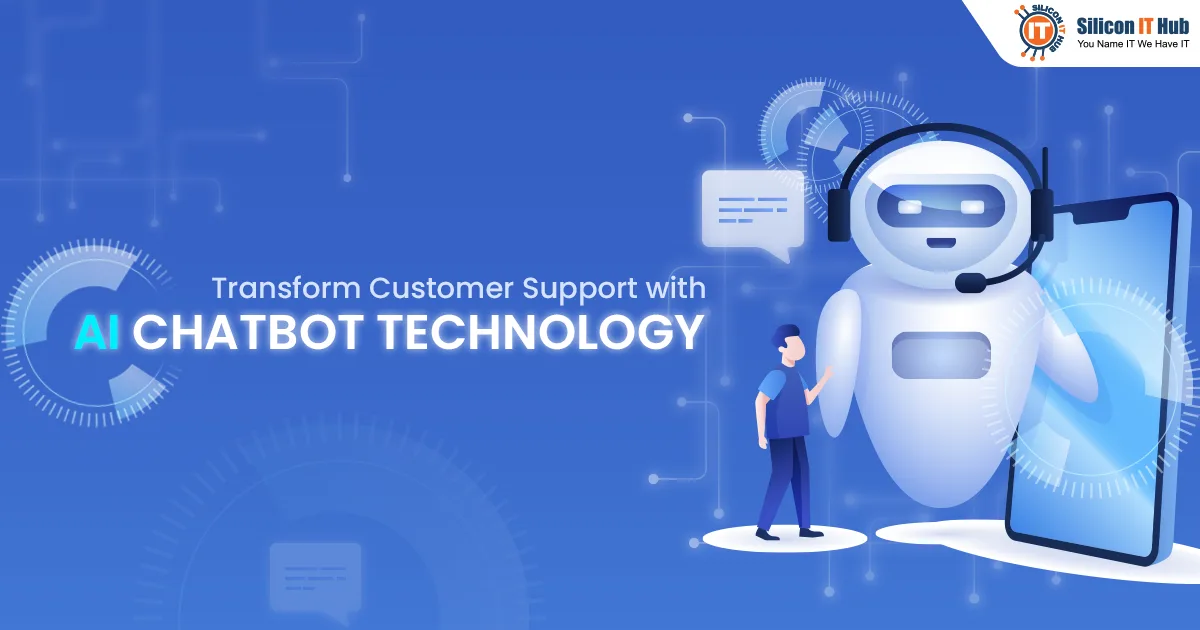
Artificial intelligent chatbots are revolutionizing the way customer service is offered by providing support, leads, as well as engagement on a 24/7 basis.
Benefits of AI Chatbots:
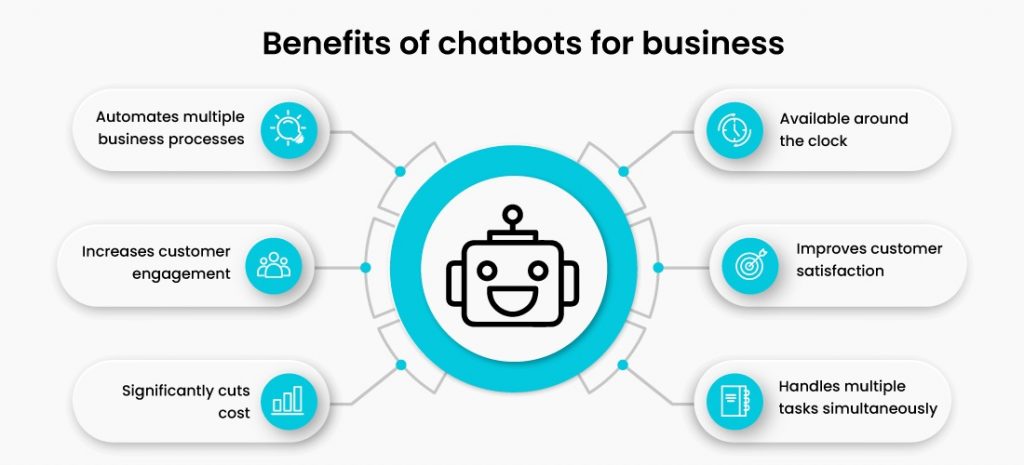
Instant answers for Frequently Asked Questions
Lead automation for gathering leads & Lead Segmentation
Reduces Response Time, Increases Customer Satisfaction
Free the human agents to concentrate on tough cases
For instance, the AI-powered chatbot service offered by Myntra assists clients with video analysis, insights, and discussions. Every small business can use a chatbot, which aids in handling common customer inquiries, abandoned cart follow-up, and overall customer behavior, which is a significant part of automation.
Case Scenario: An e-commerce site that deals with electronics has a chatbot that is capable of responding to 70% of customer inquiries by itself. Handling customer queries has reduced from hours to seconds, resulting in a 30% increase in customer satisfaction.
Predictive Analytics for Smarter Marketing Decisions

Predictive analytics is a tool that uses AI to make predictions on future clientele behavior, as well as the potential success of a marketing campaign.
Main Applications of Predictive Analytics:
- High-value leads
- Customer retention
- Prepare plans on the premise of supposed needs
- Predictions on stock market behavior in the future, adjustments in strategy based on that
Historical campaign metrics are critical in optimizing the success of future marketing endeavours
Tools such as Google Analytics 4, HubSpot AI, and Adobe Sensei are providing valuable insights to businesses. The use of predictive analytics is helping marketers in reaching the targeted customers with the message at the right instance, which is further resulting in the increase of conversion rate.
For instance, in a SaaS startup, predictive analytics analysis identified that a particular group of customers were on the verge of canceling a subscription service. This led to a targeted marketing initiative, which reduced the customer churn rate by 18% within three months.
Predictive analytics can also be used when planning promotions that are seasonally linked. For instance, a supermarket can predict that a certain product has high demand during a festival or holiday, hence plan for that to optimize engagement.
AI & SEO: The Optimization of Search Performance
Search Engine Optimization (SEO), a technique, has been transformed because of the development of AI. The previous way of conducting Search Engine Optimization mostly concerned the application of the use of keywords, back links, but with AI, research of intent, competitors, and optimization are now considered.
How AI enhances Search Engine Optimization:
- Helps in identifying the most relevant keywords/topics that your audience is interested in
- Performs analysis on moves that competitors make with a goal of positioning
- Assesses the structure of your content to make recommendations on how it can be optimized for improved rankings
It has the ability to monitor performance as well as change strategies on a real-time basis.
The organizations that make use of AI solutions within the context of the SEO process have the potential to increase visibility, drive high-quality traffic, and make sure that the content is reflecting the intent of the user.
In the home decor sector, there is a brand that used the AI-based SEO software that relied on trending terms that people used when searching. The results obtained a 45% increase in web traffic in six months, thereby increasing organic leads, hence boosting sales.
Trends in Artificial Intelligence for Digital Marketing
The growth in AI is never-ending, which gives a business even more opportunities in reaching people. It is always necessary that a business keeps itself updated with the latest developments.
New Trends Include:
- Voice Search Optimization: Optimizing for AI Assistants Such as Alexa, Google Assistant
- Visual Search: Enables customers to make product searches with the aid of images
- AI Video Creation Tools
Additionally, there are sites such as Synthesia, which employ the use of AI to develop video content used for marketing on other platforms such as Pictory.
Hyper-Personalized Offers: The AI is capable of making hyper-personalized offers, product packages, etc. based on user behavior, buying activity, etc.
The use of such trends aids in involving customers in a different manner while still maintaining a competitive advantage over others.
Pratical Tip: Take one of the current trending approaches, learn how it works, and then gradually blend different approaches that use AI.
AI Tools for Small to Medium-Sized Businesses

The use of AI is not only limited to business organizations. Smaller businesses can also make use of cost-effective solutions that can optimize efficiency in online marketing.
The best AI software available in the market
- Jasper AI: Content creation, Search Engine Optimization
- Copy.ai: This is used for producing copies for different purposes, for instance, publishing on social platforms, advertising
- HubSpot AI: Provides Predictive Analytics, Email Marketing, and CRM Services
- Google Analytics 4: Offers insights on behaviors, as well as trends of customers
- ChatGPT: Helps with content writing, customer service, marketing automation, etc.
Even on a tight budget, small businesses can take advantage of AI solutions that have the power to automate, personalize, and optimize marketing.
For instance, an online bakery used AI-powered emails, as well as postings on such social media platforms. The result showed that, within four months, customer engagement rose by 30%, with online sales rising by 20%.
Challenges of the Adoption of AI
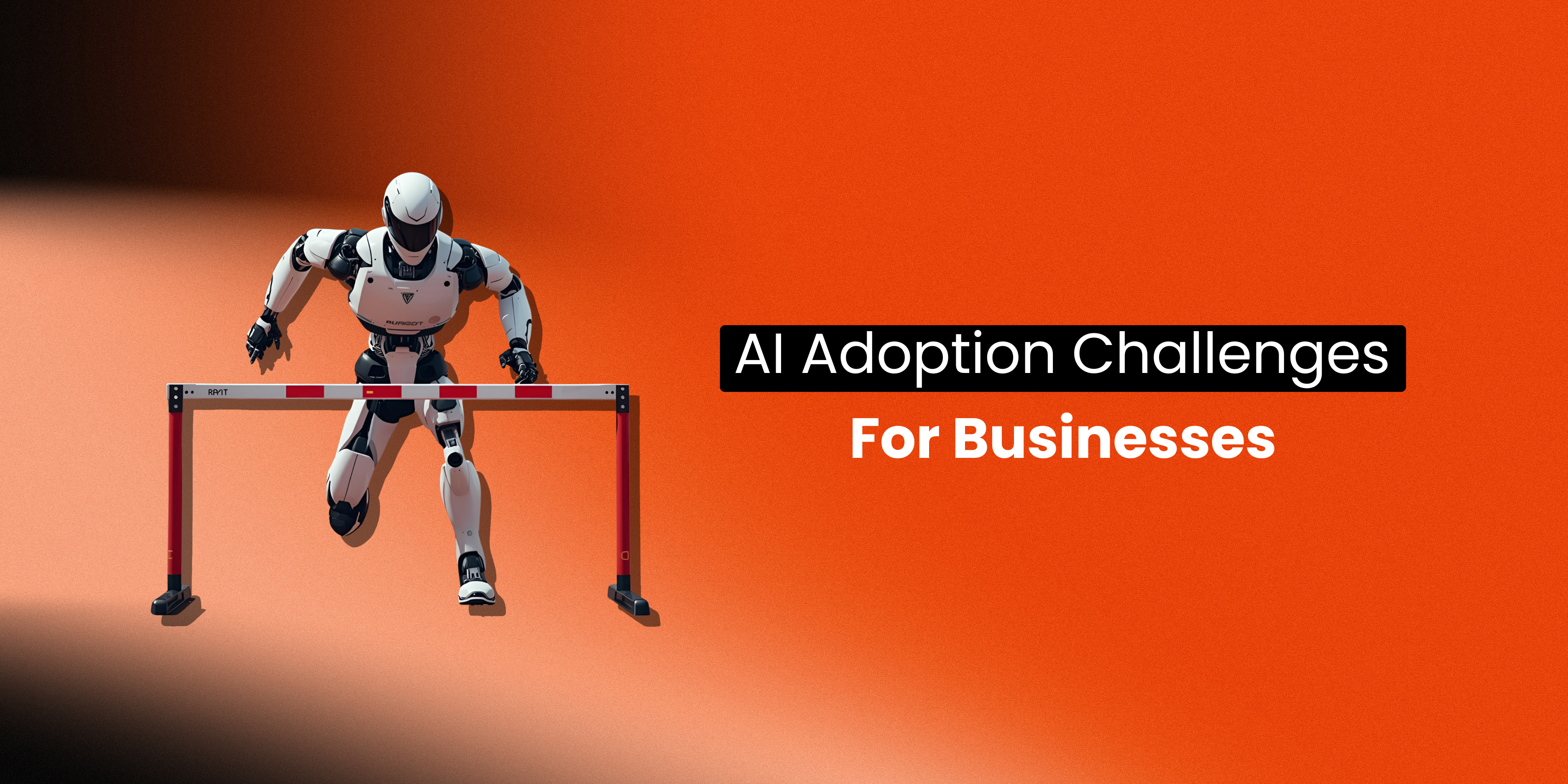
Although there are many advantages that come with the use of AI, the following are the challenges that businesses are bound to experience:
- Data Privacy: They should adhere to norms set by regulatory bodies such as guidelines from DPDP, GDPR, et cetera, to protect customers’ data
- Cost of Implementation: The technologies above might have a high cost, especially when small businesses are considered
- Bias in AI models: Inaccurate predictions because of inappropriate or insufficient data
- Team Training: The team has to train themselves on how to interpret the insights generated by the AI
Steps for Implementing AI within Marketing
For businesses to effectively employ AI in digital marketing, they need to follow these steps:
- Invest in AI Technology: Invest in Tools That are Relevant to Content, Analysis, Marketing, & Advertising
- Predictive analytics should be used
- Personalized Campaigns
- Emails, websites, and social interactions
- Test AI-based advertising solutions
- Pilot, assess, scale
- Monitor & Refine: Use real-time campaign intelligence to optimize your campaign
- Predict Future Trends: Uniting Voice, Visual, & Video AI Methods
- Seek expert advice: Ever smoother implementation and success
The Relevance of AI in Modern Marketing
Artificial intelligence is no longer a vision for the future but is changing the marketing arena. Right from content development, personalized marketing, predictive analytics, to paid marketing campaign optimisation, AI helps maximise efficiency, engagement, and ROI.
Companies that are applying AI SEO solutions are enjoying increased visibility, increased targeting, as well as optimized user experiences. Smaller businesses now have the ability to apply solutions that can make them compete with bigger businesses.
Early starters in the use of AI will benefit from:
- Effective Customer Engagement & Retention
- Greater ROI on marketing campaigns
- Even faster decisions based on real-time data
- Scaling marketing spend on a cost-effective manner
The Future of Digital Marketing is AI-Powered. The use of AI in marketing is not a matter of discussion; it is a matter of how quickly it can be implemented. AI is a marketing solution that helps businesses not just keep at the same pace but also stay ahead in the digitized marketing space. Businesses are leveraging AI to optimize marketing, personalize customer engagement, and achieve measurable outcomes.
(Advertorial Disclosure: The publishing party accepts no responsibility for decisions drafted because of this piece.)

Neetu Wadhwa is the Director of Bloom Agency, a Mumbai-based full-service digital marketing and web development company. With a strong focus on performance, innovation, and strategy, she leads the agency in delivering SEO, web design, and growth marketing solutions that drive measurable business outcomes.



Rahul M.
B2B Service Provider