
Starting your own personal site involves having a clear understanding of purpose and being able to choose the right tool for the job and design for the user. A personal site is a great way for a sole entrepreneur or a small company to have an online identity that goes beyond a social media platform.
This tutorial describes what a personal website is, the importance of having one, as well as how to create a personal website.
What is a Personal Website?
Personal website refers to the collection of web pages that describe who you are, what you do, and what you believe in. In the past, the personal website was a domain for personal interests and hobby purposes. As of today, it is considered a professional online identity and plays the role of an online portfolio and resume card.
A personal website is an expression of your skills, experience, personality, and area of expertise in an organized, interesting, and fully customised manner. While social media platforms have rigid limitations on design and content freedom, a personal website offers complete freedom to do what you want.
Personal website:
- Present your most exemplary work together
- Craft the profession-related story with complexity and imagination
- Enhance your personal brand identity
- Establish direct communication channels regarding opportunities
Why Create a Personal Website?
A personal website is one of the best practices in establishing credibility and presence online. This is because it is largely employed by freelancers, job seekers, consultants, and entrepreneurs who are looking to carve a niche in competitive environments.
The major advantages are:
Showcase Expertise
You should position yourself as an expert professional in your chosen field by emphasizing your skills, abilities, and accomplishments.
Curate Your Best Work
Projects, or cases, or achievements may be showcased in an pristine and well-organized manner reflecting professionalism.
Control Your Brand Identity
Personalize the layout, color scheme, and font to match your own or your company’s image.
Enhance Online Visibility
One of the benefits that a personal website can offer you is that it enables you to be visible in the search engine results, making it simple for your clients, employers, and colleagues to locate you.
Improve Accessibility
Your website always operates and runs 24/7. This way, prospects or people that visit your website always have the option to know more
Essential Components of a Personal Website
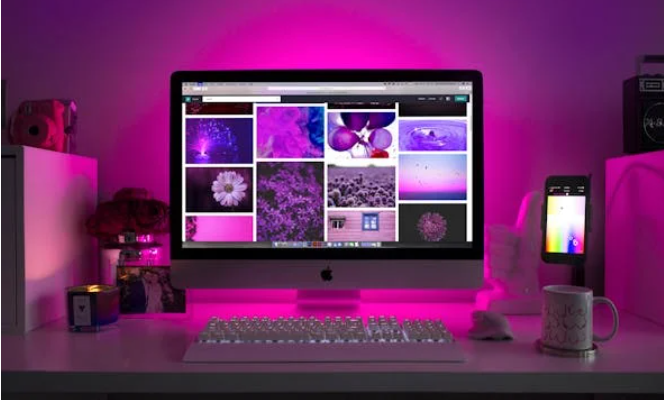
A strong personal website typically includes the following elements:
Homepage
Your homepage creates the first impression. Even a one-page website devlopment can be highly effective if it clearly communicates who you are and what you offer.
Simple Navigation
Clear and minimal navigation improves usability. Menus should be intuitive and uncluttered, especially for first-time visitors.
Contact Information
Make it easy for people to reach you by including a Contact page, form, or call-to-action buttons across the site.
About Section
Share your professional story, background, values, and expertise in a concise yet compelling way.
Portfolio or Resume
Showcase your work, achievements, or career highlights depending on your goals.
Testimonials
Social proof builds trust. Testimonials from clients, employers, or collaborators can significantly increase credibility.
Blog (Optional)
A blog allows you to share insights, demonstrate expertise, and improve SEO—provided the content aligns with your goals.
How to Create a Personal Website in 9 Steps
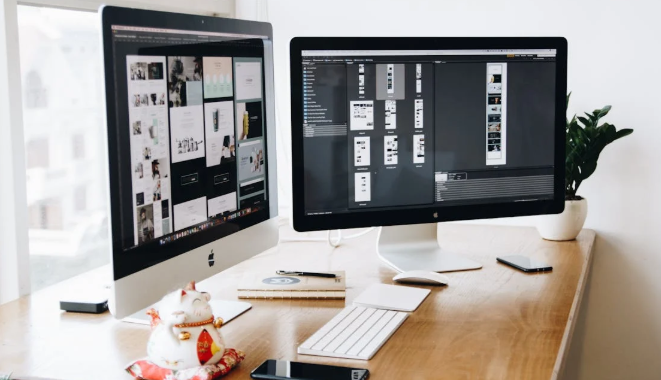
1. Define Your Purpose
Clarify what you want your website to achieve. Is it for attracting clients, showcasing work, building authority, or personal branding? Your purpose will guide design, content, and structure.
2. Choose the Right Website Builder
Select a reliable platform that offers flexibility, performance, and security. A good website builder simplifies design while allowing customization without technical complexity.
3. Look for Inspiration
Explore personal websites in your industry. Observe layouts, typography, tone, and structure to understand what resonates with your target audience.
4. Select a Template Style
Choose a design template that aligns with your brand personality. Common styles include minimalist layouts, portfolio-focused designs, one-page websites, or blog-centric formats.
5. Customize Design and Content
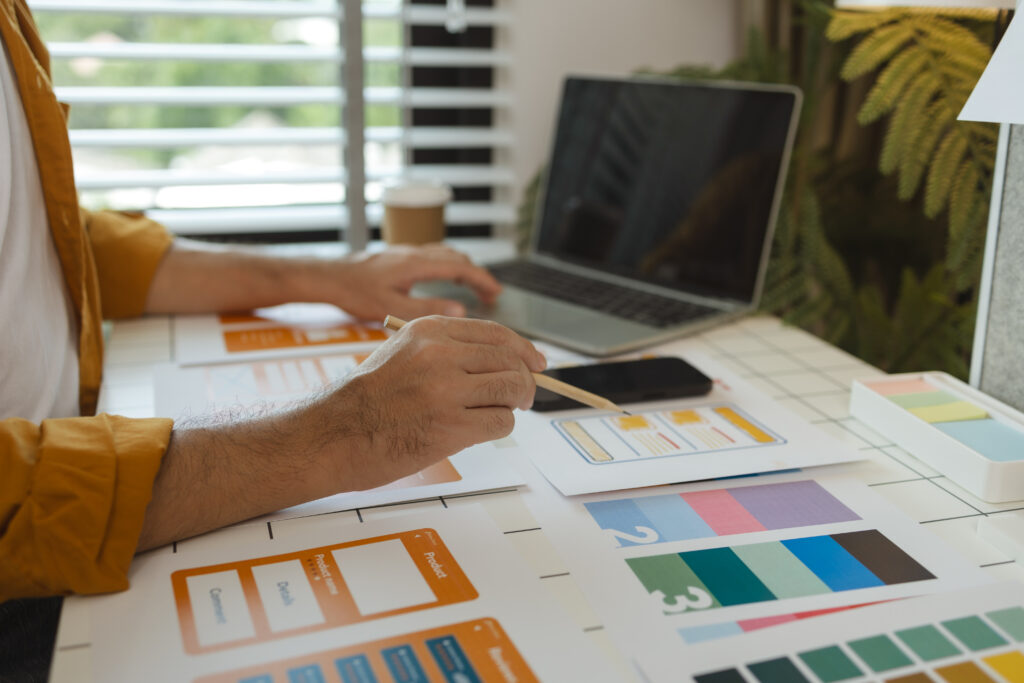
Start adding your content—bio, portfolio items, blog posts, and contact details. Then personalize design elements such as:
- Color palette
- Fonts and typography
- Images and visual hierarchy
Each element should enhance clarity and user experience.
6. Make It Mobile-Friendly
With most users browsing on mobile devices, responsive design is essential. Ensure text is readable, images scale properly, and navigation remains smooth on all screen sizes.
7. Optimize for SEO
Use relevant keywords naturally in headings, content, image alt text, and meta descriptions. Focus on search intent and avoid keyword stuffing. Local professionals should include location-based keywords where relevant.
8. Test Before Publishing
Review your site carefully for errors, broken links, and usability issues. Ask trusted peers for feedback and refine before launch.
9. Promote Your Website
Once live, promote your site through:
- Social media profiles
- Email signatures and newsletters
- Guest blogging and collaborations
- Business cards and QR codes
Consistent promotion helps increase visibility and traffic.
Personal Website FAQs
The Basics of Creating an Effective Homepage?
A good personal site will have the qualities of being clear in message, having a consistent graphics theme, being easy to navigate, mobile-friendly, and search engine optimised.
How Can I Build My Own Personal Website?
Begin by articulately declaring what you wish to achieve, picking a trustworthy website creation tool, personalising an appropriate template, and making sure the site is mobile-friendly.
Is It Worthwhile to Build a Personal Site?
Yes. A personal website enhances your professional online presence, the greatest factor that builds credibility. It’s the key to unlocking new opportunities in the future.




Rahul M.
B2B Service Provider