
Search Engine Optimization, also referred to as SEO, is an optimization process of a website in order to increase its visibility within search engines in accordance with how a search engine locates, comprehends, and indexes information.
SEO assists search engines in directing users to the most appropriate and useful results, utilising their search terms. By doing so, SEO can effectively enable businesses to direct qualified visitors to the website, thus helping the business gain authenticity through long-term online growth without the need to advertise the website through expensive marketing tools such as Google Ads.
At the most basic level, search engine optimisation is all about optimizing your website to be easier to find, understand, and use.
The end result of SEO work should be ranking on the first page of SERPs for the most relevant set of keywords for your target group of users. The higher the rankings, the more visible, trusted, and organic traffic you will get.
How Is SEO Different From SEM and PPC?
Also, SEO is sometimes mentioned alongside SEM, PPC, although all three are different entities when it comes to online marketing.
This is because SEO has a longer process to deliver results because it is based on optimizing a website in terms of relevance and authority in search engines like Google so that it is displayed first in the search results without having to pay per click.
SEM stands for Search Engine Marketing. It is a more general term that covers both SEO services and paid search tactics. It is a general approach to gaining visibility on search engines.
PPC or “Pay Per Click” advertising is where an individual is required to pay the search engines to display ads based on certain keywords. The flow of visitors will immediately stop once the budget has been exhausted, whereas “SEO” will provide results after certain periods of time.
Diferentes aspectos estão associados a estruturas de custos, longevidade, a confiança daqueles que acessam. O SEO produz credibilidade em longo prazo, enquanto que o PPC
Effective digital strategies include combining SEO with paid media, although SEO is basically the cornerstone for long-term development.
What Makes SEO Unique Compared with SEM and PPC?
In learning about search engine marketing, one will inevitably hear about the use of these three concepts: SEO, SEM, and PPC. Though these concepts are often conflated with one another—itself often mistakenly being used interchangeably with the others—it is important that one knows how these concepts are all slightly different.
This StdTech blog explains the differences between the three and how they can be applied in SEO:
Online Search Engine Optimisation: This is the process used by the search engine to rank websites.
SEO vs. SEM
SEM is an acronym for Search Engine Marketing. It is sometimes also referred to simply as ‘Search Marketing’. SEM is a wide field of digital marketing. It mainly concentrates on obtaining visibility on a search engine.
- In simple words, SEM is an umbrella term that covers both SEO and PPC.
- Search engine marketing is the combination of activities that generate traffic from both free or organic listings and paid listings presented on the Search Engine Results Page (SERP).
To break it down:
- The emphasis in SEO is on getting search results organically through the optimization of website content.
- PPC is more concerned with buying visibility through the paid advertisements that show up when using search engines.
SEM encompasses both SEO and PPC.
- SEO is not a distinct or rivaling process to PPC; it is incorporated into the SEM methodology to maximize search results.
- One way of trying to understand this dynamic is to consider that SEM as a whole encompasses two different, yet symbiotic, parts: SEO and PPC.
- SEM strategies at Bloom Agency are formulated to integrate organic growth with paid results, both in the short term and long term.
SEO vs. PPC
PPC, or Pay-Per-Click advertising, is a digital marketing model where advertisers pay a fee each time a user clicks on their ad.
In PPC campaigns, advertisers bid on specific keywords or search phrases. When users search for those terms, paid ads may appear at the top or bottom of the search results.
The visibility gained through PPC is immediate, but it lasts only as long as the campaign is funded.
SEO, on the other hand, focuses on earning search visibility rather than paying for it. Pages rank organically based on relevance, quality, authority, and user experience rather than ad spend.
The key differences between SEO and PPC include:
- With PPC, advertisers pay for each click on a paid listing.
- With SEO, clicks are earned organically, but achieving and maintaining rankings requires time, expertise, and ongoing investment.
While organic search traffic is not paid for on a per-click basis, SEO is not free. It involves strategic planning, content creation, technical optimization, and continuous refinement.
Some marketers frame the discussion as “SEO vs. PPC,” debating which channel delivers better return on investment. In reality, the two channels serve different purposes and are most effective when used together.
SEO delivers sustainable, long-term growth and credibility. PPC provides immediate visibility and precise targeting. When aligned correctly, they reinforce each other.
How SEO, SEM, and PPC Work Together
Rather than choosing one approach exclusively, many businesses benefit from combining SEO and PPC within a broader SEM strategy.
SEO builds authority, trust, and long-term visibility. PPC supports rapid exposure, testing, and short-term campaigns. SEM brings these efforts together to maximize search presence.
At Bloom Agency, the focus is on creating integrated search strategies that align with business goals. SEO provides the foundation, while PPC can be layered in strategically to accelerate results or support specific initiatives.
Understanding the distinctions between SEO, SEM, and PPC allows businesses to invest smarter, plan better, and achieve more consistent digital growth.
Why Is SEO Important?
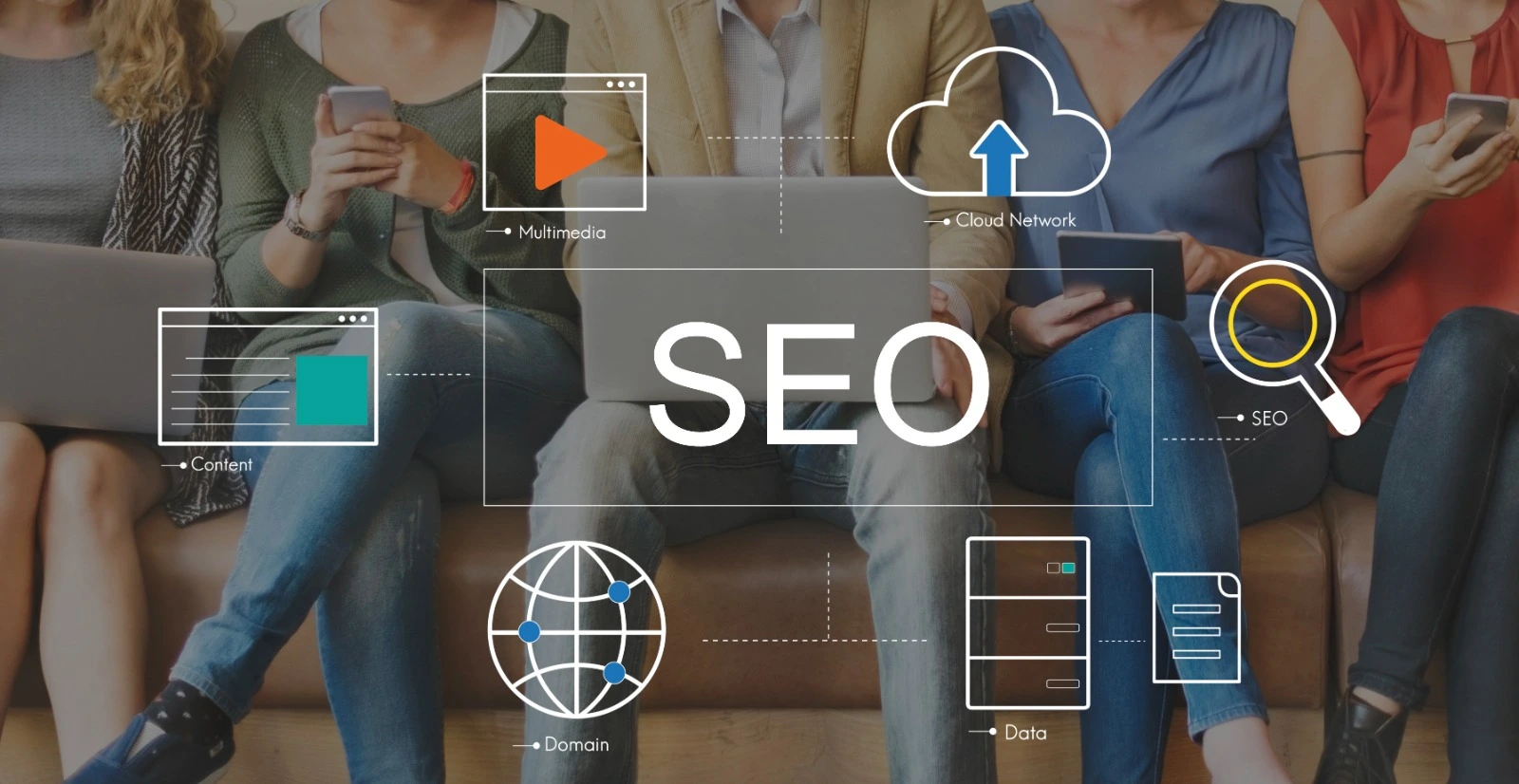
SEO stands out as one of the most valuable and authentic marketing tools available today. It plays a crucial role in influencing how consumers interact with and discover brand names and information on the web.
Organic searches have always been the primary source of traffic to most websites. Recently, research has indicated that more than half of website visits come from visits through organic search results. SEO, therefore, is the single most crucial factor for long-term online visibility.
Search engines handle billions of searches daily, with Google being the widely used search engine worldwide. The high search rate indicates the strong integration of searches into daily life. The search engine optimisation, therefore, has experienced tremendous growth and is expected to reach more than one hundred billion dollars in value in the coming years.
In it, a significant point that is made is that SEO is a consideration that makes a difference for businesses seeking to reach a larger customer base. It is summed up in
SEO Drives Measurable Business Results
SEO delivers real outcomes for brands, businesses, and organizations of every size. This is because searching has become a natural part of how people navigate the internet.
Whether users type a query, speak into a device, or search using images, search interfaces are the primary gateway to information. With billions of indexed web pages competing for attention, SEO helps ensure that relevant and valuable content is discovered instead of overlooked.
For businesses, this means SEO connects offerings with users who are actively looking for answers, solutions, or products—making organic traffic highly intent-driven and conversion-focused.
Search Is the First Step in Most Decisions
When people want to travel somewhere, learn something new, compare options, or purchase a product or service, their journey usually begins with a search.
This behavior is consistent across industries and demographics. Search acts as the starting point for research, evaluation, and decision-making, which makes visibility in search results essential for growth.
SEO ensures that brands appear at the moment users are ready to engage, rather than relying on interruption-based marketing.
Search Behavior Is Spread Across Multiple Platforms
While traditional search engines remain dominant, search activity is no longer limited to them alone.
Users now search across a wide range of platforms depending on intent. Product research may start on online marketplaces, while video platforms are often used for reviews, tutorials, and comparisons. Social platforms also play a growing role in discovery, especially for trends and recommendations.
Recent consumer behavior shows that a significant portion of online shoppers begin their product searches directly on retail platforms rather than search engines. Others start on video or social platforms before moving further down the decision funnel.
This fragmentation makes SEO more complex, but also more important. Modern SEO must account for visibility across multiple search-driven environments, not just traditional web results.
Why SEO Matters More Than Ever
SEO is no longer just about ranking webpages. It is about being visible wherever users search, delivering relevant experiences, and building trust over time.
As competition increases and digital behavior evolves, SEO services continue to be a critical growth driver. Businesses that invest in SEO gain sustained visibility, stronger brand authority, and a consistent flow of high-quality traffic.
For these reasons, SEO remains a foundational element of any effective digital marketing strategy.
Another key insight from recent search behavior data is the rapid rise of social platforms as search destinations, particularly TikTok. What was once viewed primarily as an entertainment platform has evolved into a powerful discovery engine for both product research and informational queries such as “how to do” searches.
What this means for businesses is clear: improving visibility and ranking higher than competitors across search experiences directly impacts revenue, growth, and brand recognition. The brands that appear first are the ones that capture attention, trust, and conversions.
SEO has also become more competitive than ever due to the evolving structure of search engine results pages. Modern SERPs are no longer limited to simple blue links. They now include multiple enhanced elements such as AI-generated summaries, knowledge panels, featured snippets, local map listings, image and video results, news sections, related questions, and interactive carousels. Competing within these environments requires advanced optimization strategies and a deep understanding of search intent.
Another reason SEO is critical for brands is its sustainability. Unlike paid advertising, which stops delivering traffic the moment campaigns end, well-executed SEO continues to generate visibility and traffic over time. Social media traffic, while valuable, is unpredictable and often inconsistent compared to organic search.
Types of SEO and Key Specialisations
SEO becomes most effective when more than one field works in collaboration. This can be explained by comparing SEO to a highly effective team.
In order to succeed, you must have strong foundations, powerful execution, and visibility. From an SEO perspective, this would include technical optimization, optimized content, and brand strength optimized and working together effectively.
At the Bloom Agency, these three elements are the foundation of all successful SEO initiatives.
- Technical SEO refers to optimizing Web property infrastructure, enabling search engine access and comprehension.
- Onsite SEO involves content and its usability to users and search engines.
- Off-site SEO: Off-site SEO is all about creating authority and trust outside your website.
You have full control over technical and onsite SEO. Off-site SEO is related to factors outside that cannot be controlled completely. However, off-site SEO is important for successful long-term search engine results.
These three elements combine to create the framework of contemporary SEO.
Technical SEO
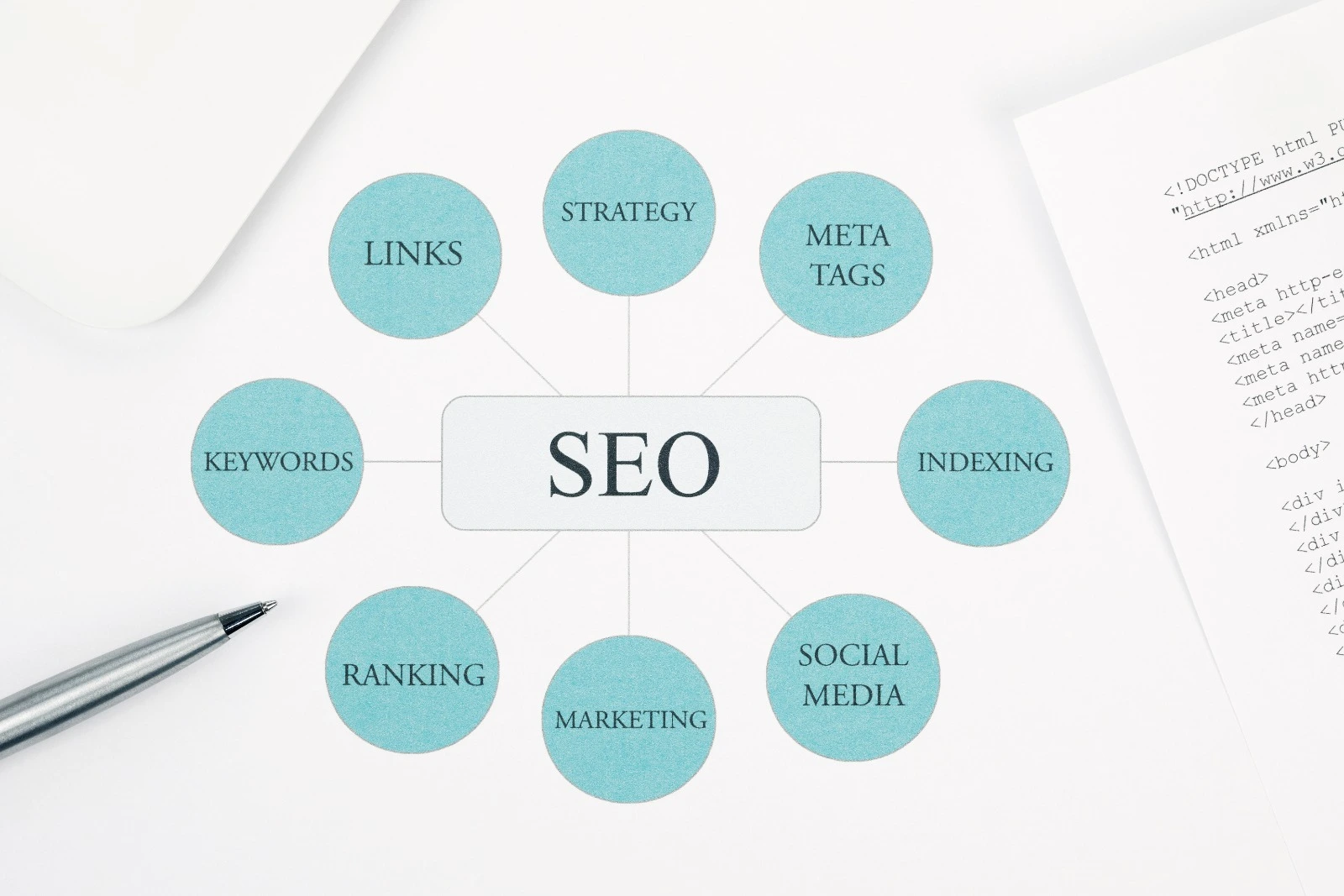
Building a Strong Foundation
Tech SEO provides the basis for all other types of SEO. If a site lacks technical SEO optimization, the best content possible can never rank.
It starts off by discussing website architecture. A website has to be designed in such as way that it is optimizable for search engine crawlers. This is achieved by ensuring that the website has proper navigation and internal linking.
A smooth and optimal user experience on a website ranks paramount on the list of things that search engines look for in a website. Site loading speeds, responsiveness, and overall user interface have become essential components in the algorithmic definition of a well-ranking website.
Another vital part of having an e-commerce site is security. This would include safe connections, hosting, and safeguards against vulnerabilities to instill confidence in users.
Another use of structured data is related to Technical SEO. Marking content with structured signals is part of the effort of businesses to help search engines interpret context, thereby improving the display of search engine results pages.
Technical SEO is a never-ending process. It needs constant observation and improvement based on website evolution, technological advancements, and changing norms.
Content Optimisation: Adding Value for Visitors and Search Engines
Content optimisation involves optimizing content based on the intention of the visitor and making the content search engine-friendly.
All content must have two audiences in mind: humans and algorithms. You don’t want to optimize for one over the other. You want to write content that helps your users and can be easily understood by search engines.
Top-quality contents are informative, precise, and relevant. They represent authentic expertise because the contents are able to provide answers to important questions and solve particular demands. Contents must be original and updated to remain helpful.
Good content is also easy to read. It is well-structured with headings, paragraphs, and all that to make it easier to grasp.
Technically speaking, content optimization may involve such things as titles, descriptions, headings, image descriptions, or metadata that provide context for the search engines.
A new sub-topic in the realm of content optimization deals with AI-centric search optimizations, in which the structure of the content aims for optimal functionality within the context of an AI-powered search experiences environment.
At Bloom Agency, content is approached as a strategic asset with the goal of education, conversion, as well as building authority through time.
Brand and Authority Building: Off-Site SEO
Off-site SEO refers to actions to improve reputation, credibility, and presence of a brand independent of its website.
Off-site activities that are quite famous include link building, where one tries to get references or links from other good sites. Getting good links means building trust, relevance, or reputation.
The focus is on quality over quantity. Having a smaller number of high-quality, relevant links is worth a lot more than a number of low-quality links.
In addition to links, the process of authority building encompasses brand presence, public relations, and thought leadership within the search spaces where the audience conducts searches.
The most popular off-page optimization techniques may comprise brand marketing, editorial outreach, content promotion, social media optimization, business listing, and reputation management.
Though such off-site activities cannot actually change a site’s technical architecture, these processes greatly influence how search engines rank trust and relevance.
In the present scenario, SEO has expanded its boundaries beyond the boundaries of search engines alone. Its scope encompasses every platform where users look for, either discover or authenticate, the brand.
How SEO Works
SEO succeeds through people, processes, technology, and execution.
It begins with knowing how search engines discover, interpret, and rank content. Essentially, search engines crawl pages, then render content before storing information in indexes and ranking results using complex algorithms.
Signals differ per platform. Traditional search engines lead in relevance and quality, while social and marketplace platforms rely on either engagement, freshness, or transactional intent.
SEO is similarly heavy on research: it involves understanding audiences, finding valuable search terms, competitive analysis, auditing websites, and interpreting search intent.
Planning turns research into strategy. Clearly defined goals, specific metrics, timelines, and resources ensure proper guidance towards execution and accountability.
This includes the implementation of new content, enhancement of existing pages, and removal of content that does not contribute any longer.
Continuous monitoring ensures the identification of problems early on. Through performance analysis, teams can measure impact and refine strategies while making informed decisions.
SEO is never static. It requires constant adjustment in view of evolving algorithms, competitors, and user behavior.
SEO Is an Ongoing Process
SEO is a process with no end. The website is constantly changing, content is aging, competition is improving, and search engines are always updating.
Effective SEO campaigns continue to develop and improve with time. They become more effective and aligned.
It is consistency and adaptability that define success from mere achievements.
The Changing Nature of SEO
“SEO is a dynamic field that keeps evolving with technological advancements and the changing patterns of society.” This is because engines change with the way people look for information, and people alter the way they look for information with changes in tools and
The use of artificial intelligence has changed how results are generated and delivered. The concept of mobile-first indexing has impacted the way indexes are ranked. User experience has become the minimum requirement.
Apart from technology, societal trends like economic change, as well as global events, shape search behavior as well as what users value.
SEO responds to all the above factors, which makes it both a technical and strategical process.
SEO as an Expert Service
Search engine optimization has become a recognized profession. With search continuing to lead digital activity, interest in search engine optimization as a skill is as strong as ever.
Clinch examines the role that SEO experts play in strategy, analytics, content, tech, and optimization. There is no ‘way in’ to the world of SEO, and those who succeed have to have curiosity, analytics, and adaptability.
SEO at Bloom Agency: SEO as anorganized, data-rich service withclearly defined objectives related tobusiness outcomes.
How to Learn SEO
And learning about SEO means that you’ve got to keep on learning. Reading about what’s happening in the industry, looking at data, testing techniques, it’s all part of it.
Developing projects for real-world implementation and testing approaches and learning from outcomes will enhance growth much more than theoretical learning.
There are several ways a person can absorb SEO knowledge, ranging from solo learning, training, events, and collaboration.
One constant is that there is no getting around SEO. Opting for SEO ensures that you cover each stage of the process.
Developing Your SEO Skills
Building strong SEO skills requires more than theory. One of the most effective ways to truly understand SEO is through experimentation. Hands-on practice allows you to see how search engines respond to real changes and helps you develop practical problem-solving abilities that no guide can fully teach.
Creating your own website is an excellent starting point. Choose topics you are genuinely interested in and begin applying different SEO techniques. Test content structures, technical improvements, and optimization strategies. Monitor results, learn from what works, and refine what does not. This process builds confidence and sharpens your decision-making skills.
SEO also overlaps with several complementary disciplines. Skills such as data analysis, content strategy, technical troubleshooting, user experience optimization, and research all play a role in long-term success. Developing these supporting skills strengthens your ability to deliver consistent results in competitive search environments.
Another powerful way to accelerate learning is by engaging with the SEO community. Industry conferences, workshops, and professional events provide exposure to real-world case studies, emerging trends, and expert insights. These environments encourage collaboration, critical thinking, and awareness of how SEO continues to evolve.
Beyond events, there are numerous learning formats available for aspiring and experienced SEO professionals alike. Educational content can be accessed through articles, industry publications, books, video tutorials, podcasts, webinars, structured courses, training programs, and professional communities. Staying connected through newsletters, forums, and peer discussions also helps maintain awareness of algorithm changes and best practices.
However, caution is essential. SEO evolves quickly, and not all information remains accurate over time. Outdated tactics and misleading advice still circulate widely. Successful SEO professionals develop the ability to evaluate sources critically, test claims independently, and adapt strategies based on real data rather than assumptions.
At Bloom Agency, continuous learning is treated as a core principle. SEO mastery is built through experience, analysis, and ongoing adaptation to how people search and how platforms respond.
Final Perspective
SEO is not a trick or a secret formula. It is the disciplined practice of improving visibility, relevance, trust, and experience wherever people search.
As technology and society evolve, SEO evolves with them.
At Bloom Agency, SEO is approached as a long-term growth engine—one that blends strategy, creativity, data, and adaptability to drive meaningful business results.

Neetu Wadhwa is the Director of Bloom Agency, a Mumbai-based full-service digital marketing and web development company. With a strong focus on performance, innovation, and strategy, she leads the agency in delivering SEO, web design, and growth marketing solutions that drive measurable business outcomes.



Rahul M.
B2B Service Provider