
In the ever-shifting world of digital marketing, “normal” is a moving target. If you had predicted five years ago that marketers would now be referring to “answer engines” in content optimization or that a 15-second vertical video would be a brand’s most precious commodity, they would have laughed you out of the room.
But here we are in 2026. The AI hype is over. The longing for something real is strong. The “digital-first” days are behind us. The “human-first” era has dawned. The sole purpose of technology is to fill the gap between brand promise and human need.
Rather, if you want to get the jump on the competition in the new year, you don’t need more resources, you need a better understanding of the way in which people are engaging with the world. Here are the 7 digital trends that are making waves in 2026.
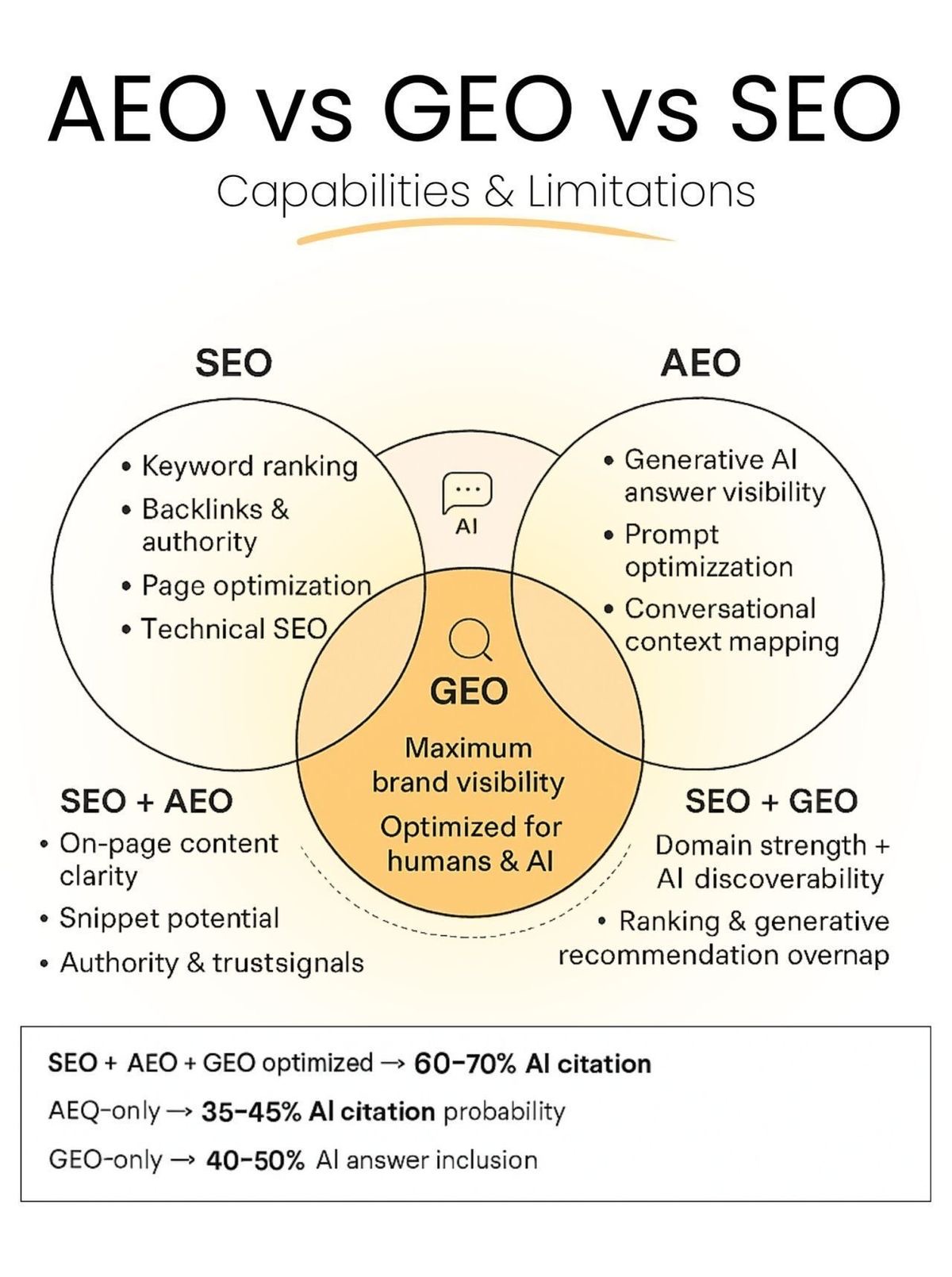
1. From SEO to GEO (Generative Engine Optimization)
“The aim for so long has been to just get to the top of ‘blue links’ on Google. But in 2026, the rules have changed. With AI search overviews and conversational assistants coming into vogue, it appears that users aren’t always clicking through to sites to get answers. Instead, they are getting them through the search result interface itself.”
This shift to Generative Engine Optimization (GEO) means your content needs to do more than just rank; it needs to be cited.
• The Strategy: Focus on becoming an authoritative source. Use structured data, clear headers, and “nuggetized” information that AI models can easily parse and credit.
• The Human Touch: Write for the “Zero-Click” world by providing immediate value, which builds brand trust even if the user doesn’t visit your site today.
2. The ‘Answer Engine’ Branding Era
People aren’t just typing keywords; they’re engaging in a conversation with their tool. Whether it be through voice searches or AI, the questions are now longer and more specific: “Find me a sustainable denim brand that can fit an athletic build and ship to Chicago by Friday.”
In 2026, brands are succeeding by optimizing for intent conversations. It’s not just key words. It’s providing a clear answer to messy questions people ask. If your messaging doesn’t sound like a helpful friend responding to my query, it won’t be seen by algorithms.
3. Video Commerce: The New Mall
Do you remember the days when social media used to be for “awareness”-only? Those days are behind us. Now, in the year 2026, the gap between viewing and buying has come down to a mere tap.
Shoppable short-form video is now the primary storefront for Gen Z and Millennials. It’s no longer enough to have a “link in bio.” Native checkout experiences within TikTok, YouTube Shorts, and Instagram Reels have turned every video into a potential point of sale. The most successful brands this year are ditching high-production commercials for “lo-fi” creator-style content that feels like a recommendation from a friend rather than a pitch from a corporation.
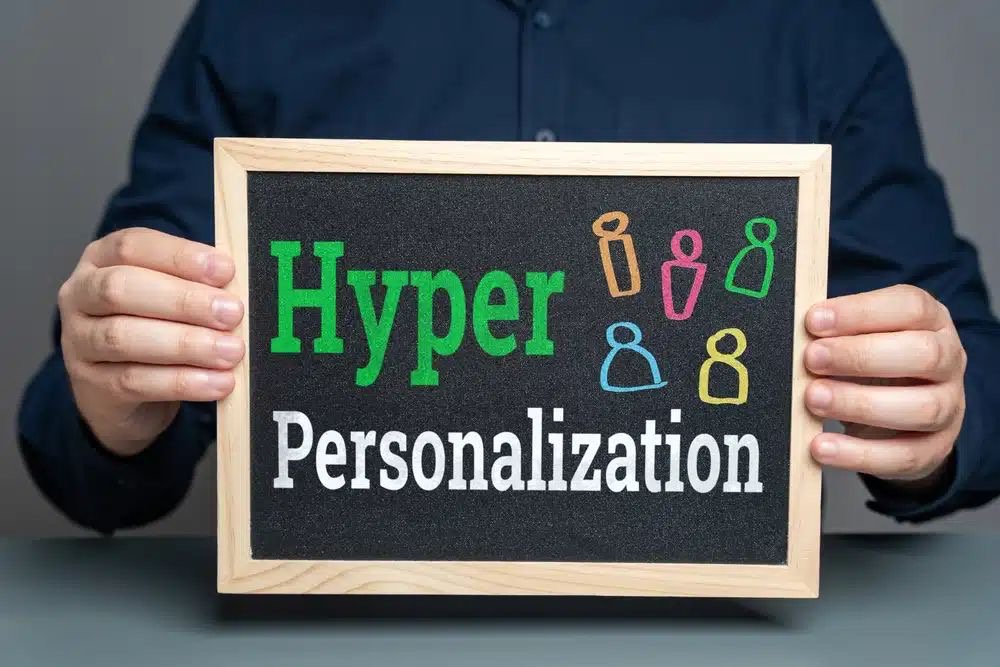
4. Hyper-Personalization via Zero-Party Data
We’ve officially moved into the post-cookie era. With privacy regulations tightening globally, the “creepy” tracking of the past is being replaced by Zero-Party Data—information that customers willingly share with you.
In 2026, we’re seeing a return to interactive marketing:
• Quizzes and Polls: Helping users find their perfect product match.
• Preference Centers: Letting users tell you exactly what they want to see.
• The Result: Instead of guessing what a customer wants, brands are asking. This builds a feedback loop of trust that makes marketing feel like a service rather than an intrusion.
5. The “Human-First” Content Comeback
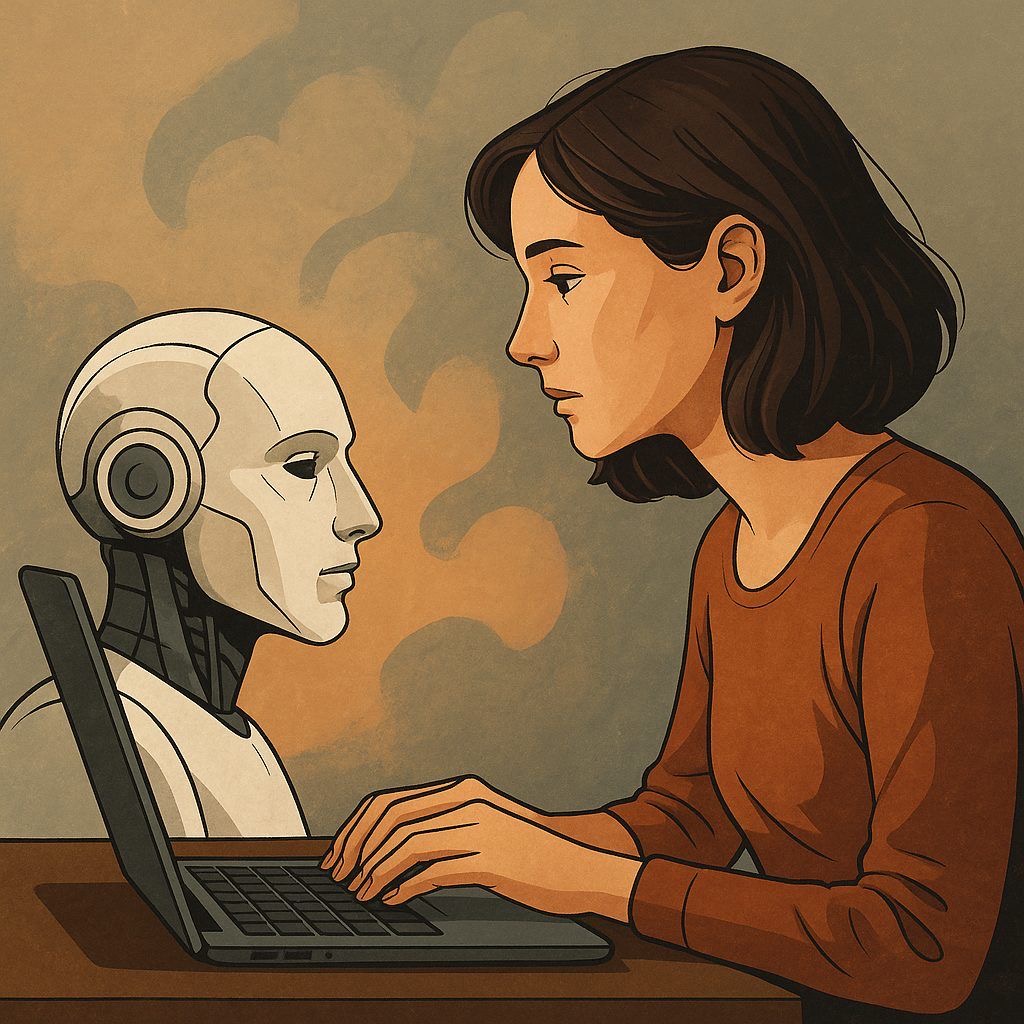
As the internet becomes flooded with generic, AI-generated blog posts and images, a strange thing is happening: people are rebelling. There is a massive premium on Human-First Content.
Audiences in 2026 can smell “AI-pure” content from a mile away—it’s polished but soul-less. Brands that are winning are leaning into:
• Thought Leadership: Real opinions from real experts within the company.
• Behind the Scenes: Raw and unedited footage of the people making the product.
• UGC (User-Generated Content): Customer-generated content that includes all warts and all.
For 2026, it’s not about being flawless; it’s about being relateable.
6. Immersive “Phyg
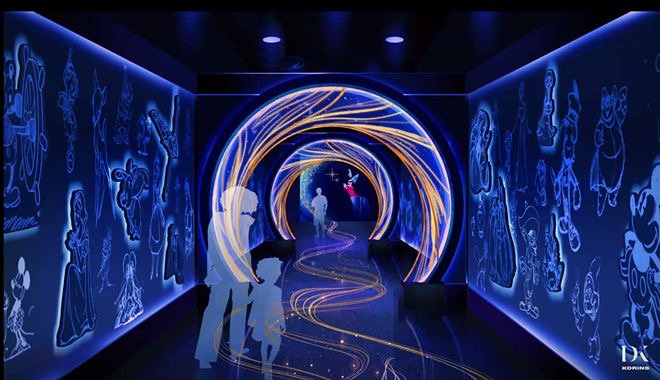
The division between physical and digital, the so-called “phygital,” has blurred. Augmented Reality (AR) has matured beyond the realm of “gimmicks” and entered the realm of a utility.
Whether it’s a home furnishings brand allowing you to see what a sofa looks like in your own living room or a cosmetics brand allowing you to “try on” a color through your smartphone camera, the fear of “the wrong purchase” will continue to decrease through AR-commerce. In 2026, if you’re not assisting your clientele with viewing your product in their world, you’re leaving money on the table.
7. Community as the Ultimate “Moat”
In an era in which AI can duplicate your looks and your competitors can match your price point, the only thing that can’t be copied is your community.”
“Marketing in 2026 will not be about broadcasting; it will be about facilitating. What we are seeing happen for many marketers today involves a shift away from having huge, anonymous numbers of followers and instead having what are often referred to as micro-communities. This could take the form of a closed Discord channel, a Slack community for specific geographic areas, or even a strong loyalty program, where what happens is the creation of an environment where your customers communicate with each other—not just with you.”

Conclusion: The North Star of 2026
The theme for this year is a paradox: “The more we use artificial intelligence, the more we value humanity.”
Tools like predictive analytics and generative AI are considered “table stakes”—Everybody has these tools today. Where the differences will be made in 2026 is in the areas where AI can’t compete: with empathy, with storytelling, with relationship building.
When you begin to think about strategies to execute on in the remainder of the year, it’s easy to simply wonder: “How can we automate this?” Instead, “How can we leverage this technology to help us be more present in our customers’ lives?” Those brands that succeed are not going to be those with the most sophisticated bots, but those with the ability to use those bots to enable their humans to simply connect.

Neetu Wadhwa is the Director of Bloom Agency, a Mumbai-based full-service digital marketing and web development company. With a strong focus on performance, innovation, and strategy, she leads the agency in delivering SEO, web design, and growth marketing solutions that drive measurable business outcomes.



Rahul M.
B2B Service Provider