
If you’ve ever asked Google a question and found an understandable answer right at the top of the results, then you’ve already seen Answer Engine Optimization in practice.
When I first started optimizing websites, it was all about keywords and backlinks. It was about ranking higher. But the first time a piece of my content showed up in a featured snippet-and then, out loud, through a voice assistant-changed everything for me. People weren’t just typing keywords anymore. They were asking real questions. And search engines were no longer just places to look things up; they were becoming answer engines designed to reply.
In this article, I’ll explain what AEO is and how I prepare my content at Bloom to perform in this new search landscape.
What is Answer Engine Optimization?
AEO, or Answer Engine Optimization, is the modern alternative to digital marketing, embracing the aim of providing responses to user queries directly within their search results. Operating alongside, but more specialised than traditional SEO, it reflects how content is structured, presented, and perceived by search engines. AEO is about showing up in a full ecosystem of AI-driven answer engines like ChatGPT, Perplexity, Gemini, and Google’s AI Overviews.
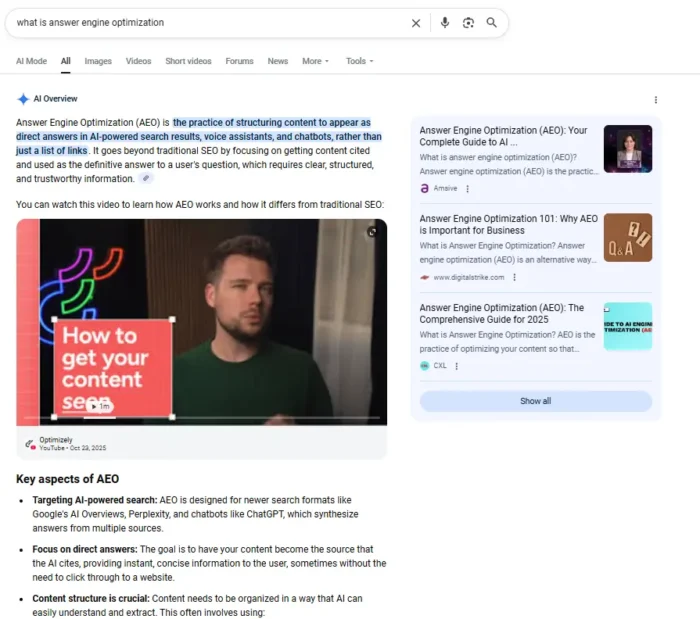
Image Source – neilpatel
In contrast to traditional SEO, which relies on competitive ranking of pages for any given keyword, AEO is targeting question-based queries and search feature formats that are intended to give users an instant answer. These include featured snippets, voice search responses, AI-generated overviews, and other search engine result formats that don’t rely on having users click through links.
With search engines continuing to evolve from information indexes into intelligent answer providers, AEO plays a critical role in making sure content gets selected, trusted, and surfaced as the most relevant response.
Why Answer Engine Optimisation Matters Today
The growing importance of AEO services is directly connected to major shifts in how people search. Voice-enabled devices, zero-click searches, and AI-powered summaries have fundamentally changed user expectations. People want answers immediately, in clear language, and without friction.
Voice search adoption has accelerated this shift. Instead of typing short keyword phrases, users now speak full questions into their devices. This behavior demands content that mirrors natural language and conversational structure.
Featured snippets have also reshaped visibility. These “position zero” results appear above traditional organic listings and often become the single answer users see or hear. In many cases, they are read aloud by voice assistants, multiplying their impact across devices and platforms.
More recently, AI-generated overviews have added another layer. These summaries pull information from multiple sources and present synthesized answers directly on the results page. For content to be referenced, it must be clear, well-structured, and authoritative.
Optimizing for AEO increases the likelihood of appearing in these high-visibility placements, helping brands gain trust, authority, and highly targeted traffic without relying solely on rankings.
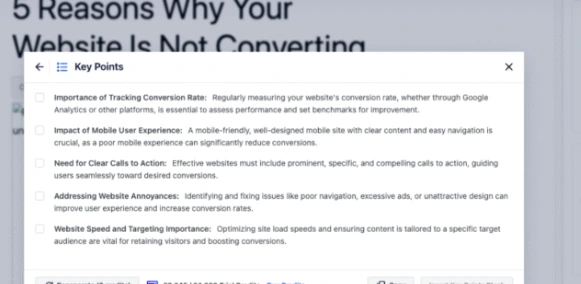
AEO and SEO: How They Work Together
Although AEO and SEO share the same ultimate goal of improving visibility, they differ in execution.
SEO focuses on optimizing websites to rank higher across search results using techniques like keyword optimization, link building, site performance improvements, and technical enhancements.
AEO, by contrast, is centered on answer delivery. It emphasizes clarity, intent alignment, and content structure so search engines can easily extract and present responses to specific questions.
I first noticed this distinction when a guide I optimized for a “how-to” query not only ranked well but also appeared as a featured snippet and voice search response. Traditional SEO helped it gain authority, but AEO-focused formatting is what allowed it to dominate multiple search surfaces simultaneously.
Used together, SEO and AEO create a powerful system where content ranks well and answers well.
Best Practices for Building an Effective AEO Strategy
Successful AEO begins with understanding how search engines interpret content and how users phrase their questions. The goal is to remove friction between a query and its answer.
Understanding Search Intent/User Intent
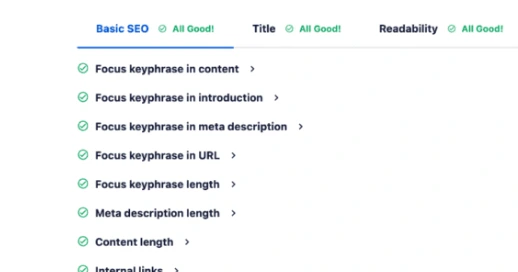
Understanding search intent (also called user intent) is a fundamental aspect of Answer Engine Optimization. Search intent refers to the underlying purpose behind a search query, and can be categorized into four main types:
- Informational intent: Users are seeking knowledge or answers to specific questions. For example, a query like “What is AEO?” demonstrates a clear desire for information.
- Navigational intent: Users aim to reach a specific website or page, such as searching for “AIOSEO login.”
- Commercial intent: Users are researching products or services with the intention of making a purchase, e.g., “best running shoes.”
- Transactional intent: Users are ready to complete a purchase or action, such as “buy iPhone 14 online.”
By analyzing search intent, you can tailor your content to meet user needs effectively. For instance, let’s say your research shows that many users are asking, “What is AEO?” Creating a clear, concise answer positions your content as a valuable resource. It also aligns it with the user’s search intent.
To effectively analyze user queries, consider using tools like Google Analytics, Semrush, or Ahrefs. These can provide insights into the types of questions users are asking.
Implement Schema Markup/Structured Data
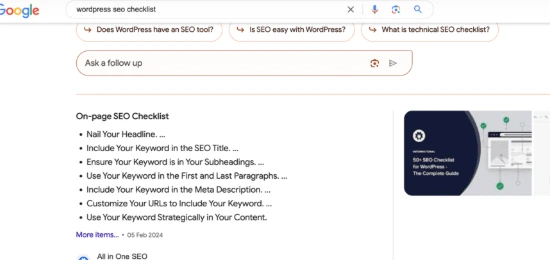
On one hand, structured data refers to the code that we implement in our website to ensure that our content optimization becomes easy and understandable by search engines. It essentially means implementing standardized terms referred to as schema.
Adding schema markup is another important aspect of AEO. This is due to the fact that contextual information greatly helps the search engine understand the intent of your content. As a result, your content is easily ranked in the direct answers section of the SERPs.
An example of this is your website containing a recipe. By using recipe schema markup for your recipe, your ingredients and cooking time will be easily noted and understood by each of these engines, and this will result in improved visibility and increased click rates.
This powerful feature makes it easy to add schema markup on your site, even if you don’t have any technical or coding experience.
Why Schema Matters for Answer Engine Optimization
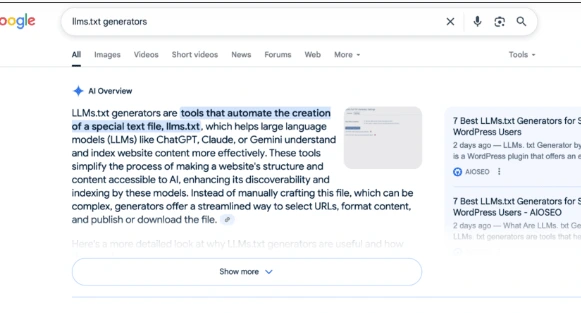
Answer engines like Google’s AI Overviews work best when your content is clearly defined and structured. Adding schema markup gives them exactly what they need to:
- Deliver direct answers to specific questions.
- Pull accurate step-by-step instructions.
- Highlight key facts and features.
- Understand product details instantly.
This isn’t just technical SEO, it’s answer engine optimization. Schema makes your content answer-ready for all search engines.
For detailed instructions, check out our guide on adding schema markup in WordPress.
Provide Concise and Clear Answers
Providing direct answers is vital for effective AEO. Users today are looking for quick, straightforward responses to their queries. And crafting content that meets this demand is essential. To achieve this, consider the following best practices:
Clear and Concise Writing
Write in a straightforward manner. Avoid jargon and complex sentences that may confuse readers. Your goal should be to answer the question directly within the first few sentences.
Natural Language
Though keywords have an important position, Bloom uses natural language as if humans wrote them and find them more intuitive and user-friendly. Too much use of keywords negatively impacts comprehension and potency as they become diluted and difficult to understand if repetition is used instead of variation, as is the case in Bloom.
The right amount of optimization, along with readability, allows your content to look more human, yet still easier for a search engine to understand. This method will increase the chances of success in answer boxes, generate more engagement, and drive more relevant traffic to your site.
Pay Attention to Content Organization
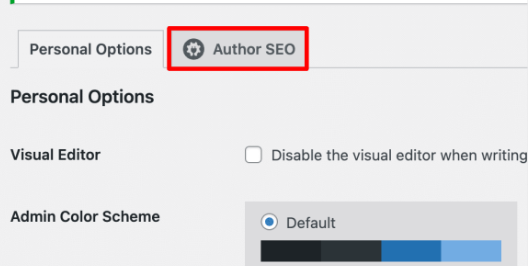
Content structuring is important for successful user experience as well as search engine optimization. When the information is clearly structured, both users and search engines will find the relevant information much quicker.
Use Descriptive Headings
The headings require sufficient indication of the content they contain. While most headings simply act as a title of content, such as “Overview,” Bloom uses descriptive headings specific to their intent, such as “Overview of Answer Engine Optimization (AEO).”
Break Content Into Sections
Breaking the content into logical sections with distinct titles aids the reader in scanning the content to get precise answers. Each section should concentrate on a single idea or question.
Write your response in short paragraphs Short paragraphs also keep the readers involved as information overflow will be kept to a minimum. Bloom ensures that each paragraph has three to four sentences at maximum. **Highlight Key Information** Important information is highlighted by using font styles like **bold** and italic. It helps to speed up readers’ comprehension, especially when they scan the page. Well-structured content increases the likelihood of a website listing in question-based searches and enhances its likelihood of receiving SERP feature snippets.
Create High-Quality Content
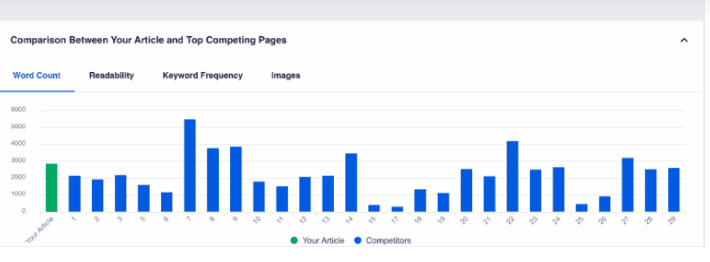
High-quality content is the foundation of successful Answer Engine Optimization. It not only meets user intent but also builds trust, authority, and long-term visibility.
Conduct Thorough Research
Bloom begins every piece of content with in-depth research. This includes analyzing search behavior, uncovering low-competition opportunities, and identifying gaps competitors haven’t addressed. Targeting these opportunities increases the chances of faster and more sustainable rankings.
Beyond keyword research, Bloom relies on credible sources such as industry publications, expert insights, and verified data to ensure accuracy and depth.
Demonstrate Google E-E-A-T
Experience, Expertise, Authoritativeness, and Trustworthiness are critical ranking factors. Bloom integrates these principles by showcasing subject-matter expertise, citing reliable sources, and maintaining transparent authorship. This reinforces credibility with both users and search engines.
Optimize for Readability
Readable content keeps users engaged longer. Bloom focuses on clear sentence structures, simple language, and logical flow to ensure content is accessible to a wide audience. Higher readability improves engagement signals, which positively impacts rankings.
Incorporate Visuals
Images, diagrams, and visual explanations enhance understanding and break up large blocks of text. Bloom ensures all visuals are optimized properly so they support SEO rather than hinder performance.
Regular Content Optimization and Updates
Content needs ongoing attention. Bloom continuously reviews and refreshes existing pages to keep them accurate, relevant, and competitive. Regular updates signal freshness to search engines and help maintain strong rankings over time.
By following these practices, Bloom helps brands position themselves in “position zero,” gaining increased visibility, authority, and trust within their industry.
Boost Your Online Visibility With Answer Engine Optimization
Answer Engine Optimization (AEO) helps your content stand out by delivering clear, direct answers to real user questions. By optimizing for voice search, featured snippets, and AI-driven search experiences, Bloom ensures your content reaches users at the exact moment they’re looking for answers.
When AEO is combined with a strong SEO foundation, brands gain greater visibility, higher-quality traffic, and stronger credibility in competitive digital landscapes.
Bloom believes that search success today isn’t just about ranking—it’s about being the best answer.
FAQS

Neetu Wadhwa is the Director of Bloom Agency, a Mumbai-based full-service digital marketing and web development company. With a strong focus on performance, innovation, and strategy, she leads the agency in delivering SEO, web design, and growth marketing solutions that drive measurable business outcomes.




Rahul M.
B2B Service Provider