
For most brands, the idea of a single universal posting time no longer works on Instagram. The engagement patterns vary quite differently according to the audience’s behaviour, region, and kind of content. If you want some kind of general rule to get you started, though, the general peaks occur between 9 AM and 11 AM, then from 6 PM to 8 PM in the local timezone, and it;s very good approach for social media marketing.
Still, these are baseline windows only. Today, Instagram’s algorithm is much more driven by relevance, interaction, and consistency than by timing alone. That means brands have to look well beyond static schedules and build a posting strategy based on real audience data. For global or even multi-region brands, the challenge is far bigger. Teams must coordinate content across time zones, all while keeping messaging consistent and performance-driven.
Below, learn about typical patterns in daily engagement and how to use them as the starting framework for a smarter Instagram strategy.
Best time to post on Instagram on Monday
Recommended window: 10 AM to 3 PM.
Monday mornings are usually filled with meetings, school runs, and an overwhelming number of emails. Engagement levels are usually low until 10 AM. Later in the day, people start taking small breaks. Towards the end of the morning and lunchtimes, they tend to take breaks. Sharing your content between 10 AM and 3 PM allows you to reach your audience while they take small breaks.
On Monday, posts such as motivational quotes, tips for productivity, and previews for the week can yield good engagement. Brands across industries such as wellness, fitness, and business also perform well due to people’s planning mindset.
Best time to post on Instagram on Tuesday
Recommended window: 9 AM to 2 PM, with a secondary slot at 6 PM.
By Tuesday, routines are more stable. Morning and lunch breaks become reliable browsing periods. Engagement is usually steadier than Monday because the start-of-the-week chaos has passed.
Educational carousels do well, tutorials, and how-to content. Tech, SaaS, retail, and education brands perform well during these hours if their content carries functional value.
Best time to post on Instagram on Wednesday
Recommended window: 11 AM to 1 PM and 5 PM to 7 PM.
Midweek tends to bring a mental energy dip, which creates opportunities for lighter, interactive content. Late morning and early evening slots capture people during breaks and after-work relaxation time.
Polls, quizzes, mini-guides, and user-generated content perform particularly well. Travel, wellness, and lifestyle brands often benefit from these engagement windows.
Best time to post on Instagram on Thursday
Recommended window: 10 AM to 1 PM and 6 PM to 8 PM.
Thursday combines weekday focus with anticipation for the weekend. Morning slots catch professionals planning their final tasks, while evening posts reach audiences winding down.
Thought leadership, expert insights, and product storytelling work well. Consulting, B2B, and lifestyle brands often see strong results on Thursdays, especially with informative or reflective content.
Best time to post on Instagram on Friday
Recommended window: 9 AM to 12 PM and 7 PM to 9 PM.
Friday brings a shift in energy as people begin thinking about weekend plans. Morning posts still capture attention, but evening engagement spikes as users enter leisure mode.
Humorous reels, trending content, and lighthearted updates perform best. Entertainment, food, travel, and lifestyle brands often see their highest engagement at this time.
Best time to post on Instagram on Saturday
Recommended window: 10 AM to 1 PM and 7 PM to 9 PM.
Saturday mornings start slower, with users browsing casually. Late morning aligns with relaxed scrolling, while evenings capture social downtime.
Lifestyle, travel, and leisure content perform well. Hospitality, retail, and tourism brands typically benefit the most from Saturday engagement patterns.
Best time to post on Instagram on Sunday
Recommended window: 9 AM to 12 PM and 5 PM to 7 PM.
Sundays are slower, with many people focusing on rest and family time. Morning browsing tends to be casual, while evening activity increases as users prepare for the week ahead.
Reflective, calming, and community-focused content works best. Wellness, self-care, and creative brands often perform strongly on Sundays.
Best Posting Times on Instagram by Content Type in 2026
The way users interact with Instagram changes over the course of the day, and not all formats have to contend for user attention at the same time. This is why the best times to post and social media KPIs differ according to the nature of the content you share.
For the brands, timing is not just about the timing of posting the content. The teams are working on Reels, Stories, Carousels, and Live. The specific timings of posting particular types of content are crucial to avoid conflicts and enable all the content to do as well as it can. The timing may vary across regions too.
These formats have different objectives. Reach is aided by Reels, Saves are fueled by Carousels, Interactions come from Lives, and Daily Engagement is ensured by Stories. Publishing these formats at the best times can ensure equilibrium of performance metrics rather than focusing only on a single metric.
Optimizing posting times isn’t a one-time task. Especially for growing or multi-region brands, audience behavior can vary widely across locations, demographics, and content types. What works for one segment may not work for another. Here are three practical steps to refine your posting schedule over time.
- Review Instagram Insights regularly
Don’t rely on assumptions or generic “best time” charts. Check your Instagram Insights to see when your audience is most active. Look at hourly and daily engagement data, including likes, comments, shares, and saves. Over time, you’ll start noticing clear patterns that show when your content performs best. - Segment your audience by region and behavior
Different audiences use Instagram at different times. For example, younger users may be active later at night, while working professionals may engage during lunch breaks or early evenings. If your brand targets multiple regions, compare activity patterns across locations and adjust your schedule accordingly. - Run simple A/B tests
Choose a few posting time slots and publish similar types of content at each time. Track the results over a few weeks and compare engagement. Focus on changing only one variable at a time, such as the posting hour, so you can clearly see what works best.
Using these steps consistently helps you move from guesswork to a data-driven posting strategy.
Bonus: How to Optimize Posting Times at Scale
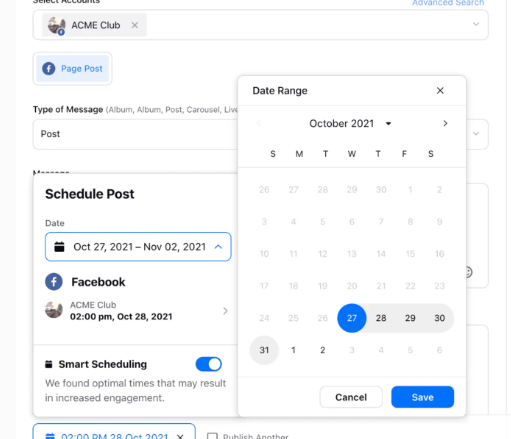
Start with the insights and test results from your accounts. Once you identify strong-performing time windows, use scheduling tools with built-in analytics or AI-based recommendations. These tools can analyze engagement patterns and suggest the best posting times automatically.
Over time, this approach turns manual scheduling into a smarter, data-backed system that improves reach, engagement, and overall content performance.
How to Find the Best Time for Your Audience
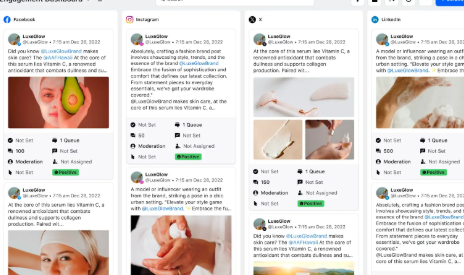
Generic charts are just a rough starting point, at best. The best method is to study your own performance data. Go into Instagram Insights and find out what times your followers are most active. Segment your audience by region and demographics, since there’s a great deal of variation in behavior. Do some simple A/B testing, where you post similar content but at different times to find out what works the best.
All these steps, in turn, help you eventually create a schedule for your audience and not from general recommendations.
Final thoughts
There is no perfect timing for sharing images on Instagram. Although mid-morning and early evenings indeed offer good periods to share information, consistency and knowledge of target audiences and trends are more significant.
This list of time slots is merely a starting point, though, and you should use actual performance data to refine your schedule. The timing of your content should match with audience’s behaviours.






Rahul M.
B2B Service Provider