
Launching a Shopify store is sort of like the beginning, sure, but it’s also where the real work starts. Shopify gives you a strong platform with hosting that’s pretty dependable, secure payments, and management tools that feel easy enough to use. Still, getting customers in a steady way usually means more than just having a nice-looking website. Your store has to show up when people search for products in Google, Bing, and those AI-ish search experiences. So yeah, Shopify SEO becomes kind of the key thing, because without it you can have a beautiful store and kinda… nobody sees it.
Search engine optimization has changed a lot lately. Google’s systems now look at stuff like user experience, content quality, how fast pages load, topical authority, and even brand trust, before they decide where you rank. And at the same time, social media marketing powered search moments—like Google AI Overviews or conversational assistants—are nudging people into discovering products in ways that don’t look like traditional search anymore. Companies that react to these changes early end up with a real, measurable edge.
At Bloom Agency, a trusted Shopify SEO agency, we help eCommerce brands put together SEO plans that actually lead to growth you can track. From technical upgrades to content production and authority building, our focus is on improvements that last, and that bring in organic traffic that’s more likely to convert. If you’re planning a new online store, we can build a high-performing Shopify website through our Shopify Development Services, so your business starts with a solid technical base that supports long term fashion SEO wins.
Understanding Shopify SEO
Shopify SEO is basically optimizing the whole Shopify store, so search engines can properly understand it, crawl it, and rank it. It mixes technical work, keyword research, on-page content tweaks, performance improvements, internal linking, and authority-building tactics to raise search visibility.
And compared to paid ads which stop sending visitors once the budget runs out, SEO keeps creating value long after launch. A well-optimized Shopify store can keep pulling in potential customers every day from organic search. That’s why SEO tends to be one of the more cost-effective marketing moves for eCommerce growth.
Even though Shopify has some built in SEO tools, just installing a theme and adding products doesn’t automatically mean strong rankings. Stores that do well keep refining content, improving site structure, and tightening up user experience, while also adjusting as search algorithms shift.
Why SEO Is Essential for Shopify Stores
Online shopping is competitive like, everywhere right now. No matter what you sell—fashion, electronics, beauty, furniture, supplements, industrial stuff—customers have a ton of options available within seconds of typing a query.
If your store ranks on the first page of Google, your chance of bringing in qualified traffic goes up a lot. Those shoppers are already looking for things similar to your products, so they usually convert more often than people reached through interrupt style ads.
There’s also the credibility factor. People often trust brands that appear naturally in search results, because higher rankings usually signal experience and authority. When SEO is paired with a smooth shopping journey, it becomes a stable base for consistent growth.
Companies that want visibility that lasts often combine Shopify SEO with content marketing, technical optimization, and strategic link building, so they can strengthen authority across their niche.
Building an SEO-Friendly Shopify Website
A lot of businesses only start thinking about SEO after launching. But the best Shopify stores build SEO while the site is still being developed. Choices around navigation, page hierarchy, URL structure, and how well the site works on mobile directly affect where you’ll show up later.
An SEO-friendly site usually starts with a clear structure that lets both users and search engines move around without friction. Categories should be organized cleanly, collections should group similar products together, and the important pages should be reachable within a few clicks from the homepage.
Page speed matters too, a lot. Most modern users expect pages to load almost instantly. Even slight delays can raise bounce rates and lower conversions. Google looks at page experience as part of its ranking signals, so performance should be part of any realistic optimization plan, not a side thought.
As one of the web development agencies, Bloom Agency designs Shopify websites that mix good-looking design with technical strength. Every store we build is done with performance, scalability, mobile usability, and search engine optimization in mind, so the foundation is there from day one, and not just later on when it’s harder to fix.
Keyword Research: Kinda the Base of Shopify SEO
Every good SEO campaign starts with sort of figuring out how people search online. Keyword research, in plain terms, shows the phrase s potential buyers use right before they decide to buy. That way businesses can build pages that fit the real search intent, not just some random words that “seem” right.
Instead of only chasing big broad keywords that are super competitive, the better Shopify stores go after a mix of transactional, commercial, and informational searches. Product pages tend to be tuned for purchase-focused queries, while collection and category pages aim at wider product groups. And then blog posts that are more educational—like articles that answer common questions—bring visitors earlier in the buying journey, and not only when they are already ready to checkout.
In 2026 search intent matters even more, search engines are basically trying to give the most relevant answer to a user’s query instead of just matching keywords. So you need to understand what the customer is really after, when they type that query in.
Keyword research should also account for seasonal demand, local or regional differences, long tail phrases, and newer emerging search trends. Those chances often convert better too because they speak to very specific needs, like they’re more “locked in”.
Professional keyword research is, honestly, the foundation of every strong SEO effort. At Bloom Agency our specialists dig through competitors, look at customer behavior, and track market trends first, then we create customized keyword strategies meant to pull in steady organic growth.
Optimizing Shopify Collection Pages
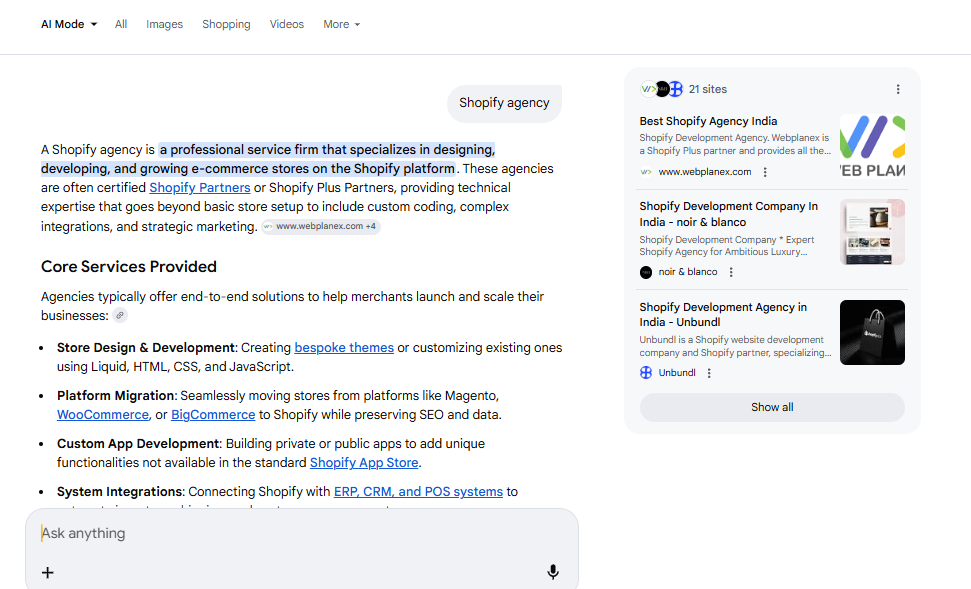
Collection pages can be the top ranking pages on an eCommerce site, mainly because they target broader searches while also organizing a bunch of related products in one place.
A lot of Shopify stores sort of ignore these pages. They end up with just a basic title, plus product listings. That usually means a big lost chance to add helpful content that supports both customers and search engines, and yes it’s also lost rankings.
A really good collection page should include a short but descriptive introduction that explains the category, highlights key benefits, mentions product variations, and covers buying considerations. That kind of text naturally brings in the target keywords, while also keeping users engaged longer than they would otherwise be.
Internal linking is also important. If you connect related collections, buying guides, and educational resources you increase topical relevance. Search engines can then “map” your website structure more clearly, and distribute authority across the pages that matter.
Also, you should keep collection content updated over time, like when new products
Optimizing Product Pages for Better Rankings and Higher Conversions
Product pages are kinda the heart of every Shopify store you know. While collection pages usually pull in more general traffic from broader searches, product pages are more like, the customers who are already close to buying. So in reality, each product page should be tuned for both search engines and the people actually shopping.
A very common mistake that a lot of online stores make is just copying product descriptions straight from manufacturers. That kind of duplicate content feels low-value to search engines, and it also makes your shop harder to notice, like you’re blending in. Instead, you should write the product description fresh, from the ground up, and really focus on the product’s details, practical benefits, use cases, materials, measurements, and the small points that make it different. When your copy is original, rankings often improve, but more importantly customers get the info they need to decide with confidence.
Also, the product title should be clear about what it is while naturally adding the main keyword. Meta titles and meta descriptions should make people want to click from search results, by stressing value, quality, or some standout product benefits. And every image really needs descriptive alt text, not generic stuff, but an accurate description of what’s actually shown. That helps accessibility , and it adds another set of SEO signals too.
Trust-building matters a lot for product optimization. Things like customer reviews, testimonials, warranty information, delivery details, and FAQs make the shopping process feel more complete with ecommerce agency. They also create more useful content for search engines to crawl and understand, which can help visibility over time.
When businesses pair optimized product pages with Shopify SEO, they tend to see better visibility and stronger conversion rates. Basically, each page gets built to match both search intent and real customer expectations, not just one side.
Strengthening Technical Shopify SEO
Technical SEO is the core that holds everything together. Even if the content is really well-written, it won’t do much if search engines can’t crawl, understand, or index the website properly.
A technically solid Shopify setup starts with a sensible website architecture. Categories should flow into collections without feeling forced , and collections should link smoothly to individual product pages. This kind of structure helps search engines see how pages relate, and it makes navigation easier for visitors.
Website speed has become huge too, since search engines are more focused on user experience than ever. Shoppers expect pages to load fast, especially on mobile. If your site drags, bounce rates go up, and people are less likely to finish checkout. Things like compressing images, removing unnecessary apps, cutting down extra code, and picking a lightweight Shopify theme all help improve performance.
Mobile responsiveness is just as important. Most shoppers now browse and buy on smartphones, so each page should look and work correctly across screen sizes. Navigation, product visuals, checkout functionality, and layouts need to stay smooth no matter what device is being used.
Technical audits are also key because they uncover crawl problems, broken links, duplicate pages, redirect troubles, and indexing issues that can stop important pages from showing up in search results. Doing audits on a regular schedule helps keep performance stable as the store grows.
Bloom Agency provides full Technical SEO Services to help businesses spot hidden problems that hurt search visibility, then apply long-term technical fixes that actually last.
Improving Core Web Vitals
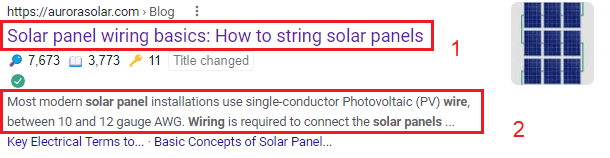
Google ads Core Web Vitals keep influencing how page experience is measured. These metrics basically track how fast pages load, how responsive they feel during user interactions, and how stable the page looks while it’s still loading.
Big images, too many third-party scripts, heavy Shopify applications, and themes that aren’t well optimized often slow everything down. Fixing those items can improve load speed, while also creating a nicer shopping experience for visitors.
Performance isn’t just an SEO checkbox anymore. Faster websites usually lead to more engagement, less bouncing, and better conversion rates because people don’t have to wait around or deal with interruptions while browsing.
Every Shopify business should monitor performance regularly and keep refining it as new products, apps, and site features get added.
Image Optimization for Shopify Stores
Images strongly impact purchasing decisions. Clean, high-quality visuals help customers understand exactly what they are buying. But if images are not optimized, they can seriously hurt site speed.
Each product photo should be compressed while still keeping solid visual quality. Modern formats like WebP are great because they keep good image detail while reducing file sizes by a lot. Using descriptive filenames and meaningful alternative text also helps search engines interpret images, and it improves accessibility for users who rely on screen readers.
Product galleries should ideally include many types of shots: angles from different sides, close-ups with details, lifestyle photos , and product usage whenever possible. Those extra visuals can boost engagement and encourage visitors to spend more time on your product pages instead of leaving quickly.
Overall, image optimization is one of those improvements that helps SEO performance and customer experience at the same time. It’s simple, but the effect can be real.
Frequently Asked Questions
How long does it take to see results from Shopify SEO ?
Shopify SEO is kinda a long game, but it does work. Some small, technical tweaks can show quick wins in a few weeks , though most stores usually start noticing meaningful movement in rankings and organic traffic within about three to six months. If your niche is really crowded or competitive, you might need a bit more time, but steady improvements tend to build stronger, long lasting results over time.
Is Shopify a good platform for SEO ?
Yes. Shopify gives you a pretty solid basis for search engine optimization, like customizable title tags , meta descriptions , mobile-friendly themes, SSL security , XML sitemaps, and a website structure that’s relatively clean. Pair that with an intentional SEO plan and Shopify can hold its own even for tough keywords, while also bringing in reliable organic traffic.
What are the most important Shopify SEO ranking factors ?
To rank well on Shopify, you have to blend several things, not just one. High quality content matters , and so do fast page loading times, strong mobile responsiveness , plus technical optimization. Keyword targeting helps search engines understand what the pages are really about. Structured data , smart internal linking, and trustworthy backlinks also add weight to your ranking signals. Then there’s the ongoing part—regular updates and consistent optimization keep your visibility from fading when search algorithms shift.
Should I hire a Shopify SEO agency ?
SEO for Shopify is not only about writing blogs. It spans technical clean ups, content planning, keyword research, site performance , and link building. If you hire a good agency, you can concentrate on running the business , while SEO specialists apply strategies that improve search visibility, bring in more qualified visitors, and support a stronger return on investment.
Partner with Bloom Agency
Contact us today to get a free consultation, and see how Bloom Agency can help your Shopify store earn higher rankings, attract more relevant customers, and build real momentum online.

Neetu Wadhwa is the Director of Bloom Agency, a Mumbai-based full-service digital marketing and web development company. With a strong focus on performance, innovation, and strategy, she leads the agency in delivering SEO, web design, and growth marketing solutions that drive measurable business outcomes.



Rahul M.
B2B Service Provider