
Search engine optimization is really always moving, like it never really “sits still” . Search engines keep getting better at understanding how a website is put together, how the content lands , what the user actually means, and what the whole online experience feels like. Because of that , companies can’t just rely on SEO habits from before such as stuffing keywords, doing low quality link building, or publishing articles only to make the site look busy.
Google’s main objective is to show people search results that are useful and relevant. So, websites that share genuinely valuable information, handle technical requirements well, deliver a smooth user experience, and include trustworthy signals stand a much better chance of ranking in organic search.
For businesses, it matters to understand the key Google ranking factors, because search visibility can directly affect website visits, leads, brand awareness, and even conversions. Yes, there are a lot of signals inside Google’s systems, but marketers don’t have to hover over every single one. A smarter plan is to concentrate on the core areas that help a website get discovered, interpreted, and actually used.
At Bloom Agency, SEO is treated like a mix of technical tuning , content strategy, building authority, user experience, and ongoing review. The next ten factors work as a practical way to think about what businesses should consider when they want to strengthen their organic search presence.
What Are Google Ranking Factors?
Google ranking factors are signals and systems used to evaluate web pages and determine which results are most relevant to a user’s search. Search engines analyze many aspects of a website before deciding how its pages should appear for particular queries.
These considerations can include content relevance, website accessibility, technical performance, links, page experience, mobile usability, site structure, and other signals.
It is important to understand that there is no single checklist that guarantees a number-one ranking. Search results are influenced by the specific query, competition, location, search intent, and many other circumstances.
Therefore, successful SEO is not about finding one secret ranking factor. It is about creating a website that consistently provides value to users while making it easy for search engines to crawl, understand, and index.
1. Website and Page Speed
Website speed kind of became a must, not just a nice thing. People expect pages to answer fast, especially when theyre on mobile, and if it takes too long, they might bail out before they even read the content, or click around the products and services.
Also, page speed really matters for search engines, because it affects how efficiently crawlers can reach and load the site resources. Things like huge images, random extra scripts, messy or inefficient code, weak hosting, and too many third party tools can quietly slow everything down.
For that reason, businesses should regularly check how fast their most important pages load. Tools like Google’s PageSpeed Insights can show what to fix, and where there are chances to gain speed.
There are also practical fixes, like compressing images, using modern image formats, setting smarter caching, optimizing the code, and upgrading hosting. It’s also worth reviewing plugins and scripts that are not really needed, because they can drag performance down.
And speed shouldnt be treated like some separate SEO company from Mumbai chore only. A faster website gives visitors a smoother experience, and it can make the path from a search result to actual, meaningful interaction feel way easier.
2. Helpful and Relevant Content
Content still one of the most important foundations for SEO. A website needs useful info that tackles the questions, worries, and actual needs of its target audience. And no, just tossing out a bunch of articles, like large volumes, doesn’t automatically mean better rankings. The content should have a clear purpose, and yeah it should be written for people first.
A solid content strategy starts with really getting search intent. If someone is searching for a definition, they might want learning style information, but if another person is searching for a service, they may already be closer to a purchase moment. The page content should mirror these different needs, not just guess.
Keyword research still helps, but you shouldn’t cram keywords in every line, or repeat them excessively. Using related topics, additional questions, and connected entities, plus real examples, simple statistics, and practical explanations, can build a more complete resource. It’s like, broader coverage, in a natural way, not a forced collage.
Long-form content can be valuable when the topic calls for deeper explanation, but the word count alone shouldn’t be the main goal. A 1,000-word piece that genuinely answers the user’s question can be more helpful than a 3,000-word article packed with unnecessary info, and that kind of thing happens.
So businesses should lean into relevance, originality, correctness, readability, and usefulness, when creating content.
3. Quality Backlinks
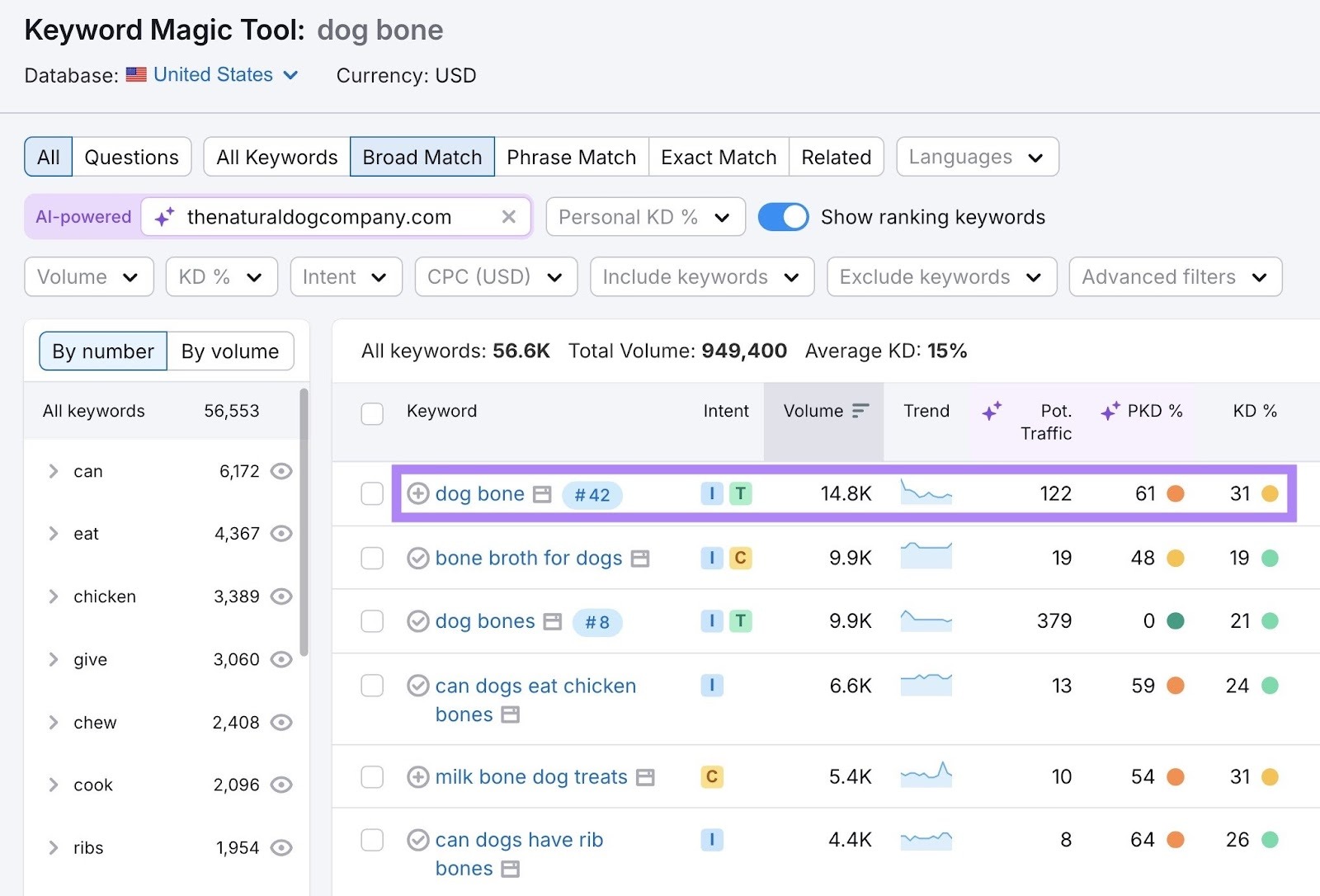
Backlinks are links from other websites pointing toward a particular website or page. They can help search engines understand the authority and relevance of a website.
However, modern SEO should not be based on acquiring as many links as possible. A large number of irrelevant or low-quality links may provide little meaningful value.
The better approach is to focus on earning links from relevant and credible websites. Valuable resources, original research, useful guides, expert commentary, digital PR, guest contributions, and genuinely helpful content can create opportunities for natural authority building.
A strong backlink strategy should also consider relevance. A link from a website that operates in a related industry or discusses a closely connected subject may be more meaningful than a random link from an unrelated website.
Businesses should therefore prioritize quality, relevance, and a natural link profile instead of chasing link volume.
4. Mobile-Friendly Website Experience
Mobile devices play a major role in how people discover and interact with businesses online. A website that works well on desktop but creates problems on smartphones can lose potential customers.
A mobile-friendly website should have responsive layouts, readable text, accessible navigation, appropriately sized buttons, optimized images, and fast loading performance.
The mobile version should also provide access to the important content available on the desktop version. Businesses should avoid creating a mobile experience that hides essential information simply because of screen-size limitations.
Testing a website on different devices and screen sizes can reveal usability problems that may not be obvious when viewing it on a desktop computer.
Mobile optimization is therefore not simply about making a website smaller. It is about creating a complete and convenient experience for people using smartphones and tablets.
5. User Experience and Search Intent
SEO really ties in with user experience , kinda like the two are glued together. A page can pull people in from search, sure but if what they see isnt the thing they expected , then that traffic doesnt turn into anything meaningful.
First thing, make sure the page matches the search intent behind the query . Like if someone is trying to compare products, they should not end up on some bland company overview , you know. And if someone searches for a specific service they need to quickly get it : what the business does , who it helps, and why it’s a bit different from the rest.
Titles and descriptions have to say it straight. They should reflect what users will actually find after they click. Once visitors land, the page should follow through on the promise that was made.
You can also improve the experience with straightforward headings, easy-to-read sections, useful visuals, and navigation that feels natural. Internal links matter too, plus clear calls to action that guide people without pushing too hard.
And dont only stare at rankings. Businesses should review engagement and conversion data, because that shows what happens after the click. Organic traffic is helpful, but the real target is connecting that flow with real business results..
6. Technical SEO
Technical SEO services provides the foundation that allows search engines to discover, crawl, interpret, and index a website.
A technical SEO review can examine areas such as crawlability, indexation, redirects, broken links, canonicalization, XML sitemaps, robots directives, HTTPS, structured data, page titles, headings, image optimization, and internal linking.
A technically strong website reduces unnecessary obstacles for search engines and users.
Website owners should also pay attention to duplicate or thin pages. Large websites can develop technical problems as new products, services, categories, blog posts, filters, and landing pages are added.
Technical SEO is therefore not a one-time activity. Websites should be monitored regularly because changes in content management systems, plugins, website designs, URLs, and integrations can create new issues over time.
A technical audit can help businesses identify these problems before they become larger obstacles to organic performance.
7. Website Authority and Trust
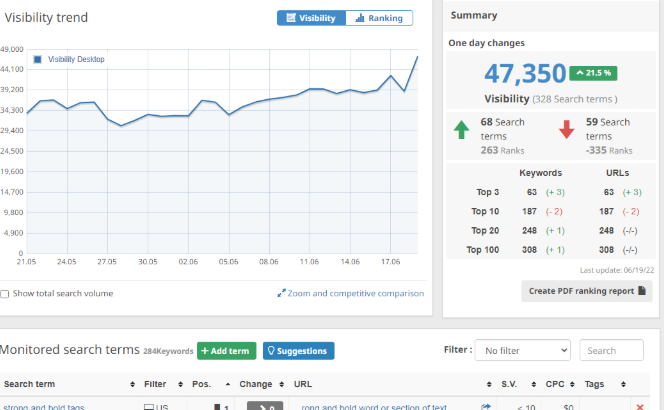
Search visibility is influenced not only by what a website says but also by how trustworthy and authoritative the overall website appears.
Authority can develop gradually through high-quality content, relevant references, strong backlinks, brand mentions, positive reputation, useful resources, and consistent expertise.
Businesses should make it easy for visitors to understand who operates the website. Important pages such as About Us, Contact, service pages, author information where appropriate, privacy policies, and other trust-related information can contribute to a more transparent website experience.
For organizations operating in specialized industries, demonstrating real expertise is particularly important. Content should be accurate and should clearly communicate the organization’s experience and knowledge.
Building authority takes time. It cannot be created simply by adding a few keywords or publishing hundreds of low-value pages.
8. Social Visibility and Content Promotion
Social signals are often discussed in SEO, although social shares should not be treated as a straightforward ranking factor.
Nevertheless, social media can support SEO indirectly by increasing content visibility. When useful content reaches more people, it may attract journalists, bloggers, industry professionals, customers, and other websites.
This can create opportunities for brand mentions and backlinks.
For example, a detailed industry report published on a company website can be promoted through LinkedIn, social platforms, email campaigns, digital PR, and relevant communities. Increased exposure may eventually lead to people referencing the original resource.
Content promotion therefore works alongside SEO rather than replacing it.
Businesses should identify where their audiences spend time online and distribute useful content through appropriate channels. The purpose should be to increase reach and engagement rather than simply generate social numbers.
9. Clear Site Architecture
A website’s structure affects both users and search engines. A well-organized site makes it easier to move between related pages and helps search engines understand the relationships between different sections.
For example, an ecommerce website may organize products into categories, subcategories, and individual product pages. A service business may structure its website around core services, industries, locations, resources, and supporting information.
Internal linking plays an important role in this structure. Relevant links can guide users toward additional information while helping search engines discover related pages.
XML sitemaps can also support search engine discovery, particularly on larger websites.
A clean URL structure, logical navigation, descriptive page names, breadcrumbs where appropriate, and meaningful internal links can all contribute to a more organized website.
The goal should be simplicity. Visitors should not have to navigate through multiple unnecessary pages to find important information.
10. Structured Data and Search Visibility
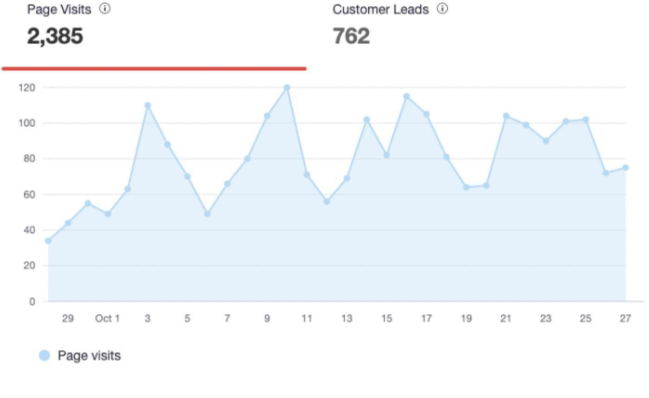
Structured data helps give search engines extra details about what a webpage is about. But it kinda depends, on the type of page and the business behind it, structured data can be used to talk through things like products, organizations, articles, happenings , breadcrumbs, local businesses, and other kinds of content too.
If you set it up properly, following the relevant guidelines, structured data can make it easier for search engines to understand what’s on the page. And yeah, it may also let the page qualify for certain enhanced search features , assuming everything lines up.
For local businesses, accurate business information is especially important. Having consistent details about the organization, where it is located, how to contact it , and what services it provides can support local search visibility in a steadier way.
Still, structured data should not be treated like a shortcut to rankings. Its real value is in helping search engines interpret the information more clearly and with less confusion.
Businesses should use only the schema that actually fits, and make sure the markup mirrors the visible content on the page, not something “close enough” that’s different.
How Bloom Agency Approaches SEO
SEO works best when individual ranking considerations are treated as parts of one connected strategy. Improving page speed while ignoring poor content will not solve every problem. Publishing excellent content without addressing technical issues can also limit its potential.
Bloom Agency focuses on creating a balanced SEO strategy around the individual requirements of a business.
The process can begin with keyword research and search-intent analysis to identify opportunities that align with the audience. From there, on-page elements, content, technical performance, internal linking, website structure, and authority-building opportunities can be evaluated.
Technical SEO helps create a strong foundation. Content strategy provides useful information for visitors. Link building and digital PR can support authority. Local SEO can improve visibility for businesses serving specific locations. Conversion-focused optimization helps ensure that organic traffic has a clear path toward becoming a lead or customer.
This integrated approach is more sustainable than relying on one isolated tactic.
Why SEO Requires Continuous Optimization
One of the biggest mistakes businesses make is treating SEO as a one-time project. A website may be technically optimized today but develop new issues after a redesign. A page that performs strongly today may face greater competition tomorrow. Search behavior can also change as customer expectations and technology evolve.
For these reasons, SEO requires ongoing monitoring and improvement.
Businesses should track organic visibility, relevant keyword performance, landing-page traffic, engagement, conversions, technical health, backlinks, and other meaningful metrics. These insights can reveal what is working and where additional optimization may be required.
Regular content updates can also help maintain the usefulness of important pages. Instead of continually publishing new articles while ignoring existing resources, businesses should identify older pages that can be improved with updated information, better structure, stronger internal links, or clearer answers.
Continuous optimization allows an SEO strategy to adapt rather than remain fixed.
Focus on Users First
The most important principle behind modern SEO is simple: create the best possible experience for the person searching.
Search engines are designed to connect users with useful information. Businesses that concentrate on helping their audience are therefore better positioned to build sustainable search visibility.
This means understanding what customers want, creating useful content, maintaining a technically sound website, improving mobile usability, earning relevant authority, and making important information easy to find.
SEO should not be reduced to a checklist of keywords and backlinks. It is a long-term digital marketing discipline that connects technology, content, brand authority, user experience, and business objectives.
Final Thoughts
Google search environment keeps changing, but honestly the basics of building a solid website still matter a lot. Like page speed and helpful content and relevant backlinks, plus how well things work on mobile. Also user experience, technical SEO, authority, the way the site is organized, and structured data, all of it needs attention in one way or another.
The supplied source points at many of these same themes as key to better search performance, including velocity, useful copy, quality links, mobile-first experiences, technical cleanup, smart site structure, and schema.
Still, successful SEO is not about messing with one single ranking signal, like it’s some switch you can turn on. It’s really about creating a site that search engines can actually understand , and real people genuinely find valuable, not just “optimized”.
For businesses that want stable organic growth, the best approach is usually a mix of technical know-how and good content, careful optimization, credibility building, and ongoing checking. If you apply it in a structured way, SEO can become more than a tactic for earning positions—it turns into a long-term channel for attracting the right audience, and also supporting business growth over time.
Bloom Agency helps companies look at SEO with that wider mindset, combining optimization, content work, technical improvements, and a broader digital marketing strategy, so the end result is a stronger, more sustainable online presence.

Neetu Wadhwa is the Director of Bloom Agency, a Mumbai-based full-service digital marketing and web development company. With a strong focus on performance, innovation, and strategy, she leads the agency in delivering SEO, web design, and growth marketing solutions that drive measurable business outcomes.




Rahul M.
B2B Service Provider