
In the competitive digital marketing industry, agencies always seem to search for ways to grow their services, bring in new clients, and raise revenue without really bumping operational costs too much. Search engine optimization (SEO) is one of the most valuable offerings most businesses need, yet providing it is not a simple thing— it needs technical know-how, seasoned people, and steady work over time.
For agencies that don’t have a dedicated SEO department, setting up an in-house team can turn into a bit of a money sink and a long project. Hiring specialists, paying for SEO services, producing content, checking rankings, and running link-building efforts, all of that takes real resources.
White label SEO can be a practical alternative here. It lets digital marketing agencies, web development companies, and independent consultants sell SEO services under their own name, while an external specialist does the actual execution.
So, this method helps agencies support more customers, improve their overall packages, and form durable business relationships, without having to handle every SEO task internally.
In this guide, we will talk through what white label SEO basically means, how the whole system works, why it’s useful, which services are typically included, and how agencies can pick the right outsourcing partner.
What Is White Label SEO?
White label SEO is kinda a business deal where one company actually does the search engine optimization work, but another company puts it out to customers using its own brand name. So the provider handles what was agreed, while the agency runs the relationship with the client and basically frames the whole thing as if it’s part of its own lineup.
Like, imagine a web design agency gets a request from a client who wants to boost organic search traffic after a fresh website goes live. If the agency does not have its own SEO unit, it can partner with a specialist provider to manage keyword research, technical tuning, content creation, and ongoing performance monitoring.
In this setup, the agency is still the main contact for the client. The reports and the final deliverables, can also be tweaked to match the agency’s branding, depending on the partnership terms.
White label SEO can be especially handy for agencies that need to expand their services, without making big investments in hiring, training, and the usual infrastructure stuff.
But outsourcing the execution does not fully remove the agency’s responsibility. The agency still has to talk clearly, set believable expectations, review what’s delivered, and make sure the work aligns with what the client actually wants from a business point of view.
How Does White Label SEO Work?
A successful white label SEO partnership begins with a clear understanding of the client’s requirements and the agency’s responsibilities.
The process generally involves several stages.
Understanding Client Requirements
The agency discusses the client’s objectives, target audience, website condition, competitors, and business priorities. These details help establish what the SEO campaign needs to accomplish.
For example, a local service provider may need better visibility in location-based searches, while an ecommerce company may want to improve product category rankings and organic sales.
Developing an SEO Strategy
The white label provider evaluates the website and prepares a strategy based on its current performance and growth opportunities. This may include keyword research, technical audits, competitor analysis, content planning, and backlink analysis.
The strategy should be tailored to the client’s industry rather than relying on a generic checklist.
Executing SEO Activities
After the strategy receives approval, the provider completes the agreed-upon work. Depending on the campaign, this can involve optimizing existing pages, improving internal linking, resolving technical issues, creating useful content, and supporting ethical link acquisition.
The agency coordinates with the provider and communicates important updates to the client.
Reviewing Performance and Reporting
The provider prepares reports covering relevant performance indicators, such as organic clicks, impressions, keyword visibility, conversions, and completed activities.
These reports can be branded for the agency. The agency then explains the results, discusses challenges, and recommends the next steps.
This workflow allows agencies to deliver specialized SEO services while maintaining control over client communication and account management.
What Services Are Included in White Label SEO?
White label SEO packages vary according to the provider, campaign requirements, and pricing structure. Before entering an agreement, agencies should confirm which activities are included and which require additional fees.
Keyword Research and Competitor Analysis
Keyword research identifies the search terms potential customers use when looking for products, services, or information. A provider evaluates search intent, relevance, competition, and business value to identify opportunities.
Competitor analysis helps reveal which topics competing websites cover, how their pages are structured, and where a client may have opportunities to differentiate its content.
On-Page SEO
On-page optimization improves individual website pages to make their content clearer and more relevant to users and search engines.
Typical tasks include refining title tags, meta descriptions, headings, page copy, image descriptions, and internal links. The objective is to help search engines understand the page while providing visitors with useful information.
Technical SEO
Technical SEO focuses on the website’s accessibility, crawlability, indexability, performance, and structure.
A white label partner may identify broken links, redirect issues, duplicate pages, missing canonical tags, sitemap problems, mobile usability concerns, and Core Web Vitals opportunities. Implementation may require coordination with the client’s development team.
SEO Content Development
Content plays an important role in attracting relevant visitors and answering their questions. Providers may create blog articles, service pages, landing pages, product descriptions, and supporting resources.
Effective content should reflect search intent, demonstrate subject knowledge, and offer genuine value instead of simply repeating keywords.
Link Building
Link-building services focus on earning relevant backlinks that help establish a website’s authority and credibility. Depending on the strategy, activities may include digital PR, outreach, resource promotion, and content-led link acquisition.
Agencies should avoid providers that rely on link farms, automated spam, or undisclosed link schemes. Link quality, relevance, and compliance with search engine guidelines matter more than raw backlink numbers.
Local SEO
Local SEO helps businesses improve their visibility in geographically relevant searches. Services may include Google Business Profile optimization, local landing pages, citation consistency, reputation management guidance, and location-specific keyword research.
These activities can be especially valuable for clinics, restaurants, professional services, and businesses serving specific cities or neighbourhoods.
SEO Analytics and Reporting
Reporting helps agencies understand whether campaign activities are contributing to meaningful business outcomes.
A useful report connects SEO metrics with objectives such as qualified leads, online sales, enquiries, and relevant website engagement. It should explain both progress and areas requiring improvement.
Key Benefits of White Label SEO for Agencies
Expand Your Services Without Building an In-House Team
Agencies can introduce SEO services without recruiting every specialist required to execute a campaign. This is particularly beneficial for web design studios, PPC agencies, branding firms, and social media companies that want to offer more comprehensive marketing solutions.
Instead of turning away prospects who need SEO, an agency can address additional requirements through an established partnership.
Control Operational Costs
Hiring SEO professionals involves salaries, training, software subscriptions, management, and other ongoing expenses. White label arrangements allow agencies to purchase external support according to their needs and agreed service terms.
The financial benefit depends on the pricing model, campaign complexity, and volume of work. Agencies should calculate their margins carefully rather than assuming outsourcing is always cheaper.
Scale Client Delivery
A reliable provider can help an agency manage additional campaigns without immediately expanding its permanent workforce.
This flexibility makes it easier to respond to changing demand, introduce new packages, and support different industries. However, agencies should confirm the provider’s actual capacity, turnaround times, and quality-control processes before accepting more work.
Focus on Client Relationships
SEO involves extensive research, technical analysis, implementation, and monitoring. Outsourcing execution can give agency owners more time to concentrate on strategy, sales, account management, and customer satisfaction.
The agency can use this additional capacity to understand client priorities, communicate progress, and identify opportunities for future growth.
Improve Service Consistency
Experienced providers often have established workflows for audits, content production, optimization, and reporting. These processes can improve consistency across campaigns when supported by appropriate review procedures.
Agencies should still inspect deliverables and verify that recommendations are relevant to each client’s website and business goals.
White Label SEO vs. In-House SEO
Both delivery models can work well; honestly, it mostly comes down to the agency’s budget, their workload, what they care about strategically, and how much control they want. An in house team gives direct oversight, fast back and forth collaboration, and usually more intimate internal know-how about the agency clients. But getting and keeping that team isn’t just a button click , it means recruiting, day to day management, training , and yes software expenses too.
On the other hand, white label SEO gives access to outside know-how without forcing the agency to hire every specialist themselves. It can be a pretty flexible path for growing firms, but you still have to handle communication, provider dependency, and quality checks like, carefully.
Some agencies land on a hybrid model, where they keep one internal SEO strategist, or an account manager, and then outsource the specialized pieces such as technical audits, content production, and link outreach. That setup kinda blends internal client context with extra execution bandwidth from external people.
How to Choose the Right White Label SEO Partner
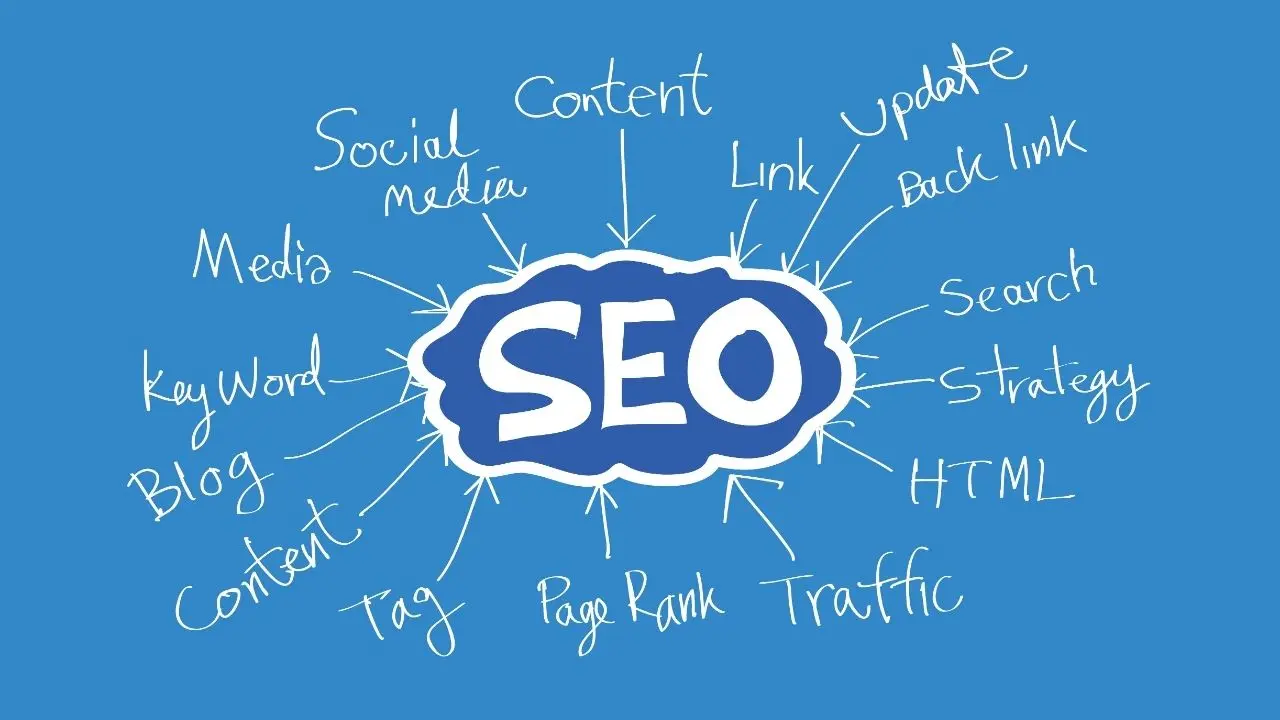
Selecting a provider is an important business decision because the quality of its work directly affects the agency’s reputation.
Evaluate Experience and Expertise
Look for a provider that understands different SEO disciplines and can demonstrate relevant experience. Ask about its approach to technical SEO, content quality, local optimization, and link acquisition.
Case studies can be helpful, but review the context behind the reported results. Consider the starting position, campaign duration, activities performed, and business outcomes rather than focusing exclusively on percentage increases.
Prioritize Transparency
A trustworthy partner should explain its methods, deliverables, timelines, and reporting procedures. You should know what work is being completed, which tasks are outstanding, and what obstacles may affect progress.
Avoid providers that refuse to explain their methods or promise guaranteed first-page rankings regardless of the website’s condition or competitive environment.
Confirm Customization
Different businesses require different SEO strategies. An ecommerce store, a healthcare practice, a SaaS company, and a local contractor will not have identical priorities.
Choose a provider that researches each client and develops recommendations according to its industry, audience, competition, and objectives.
Check Reporting and Communication
Ask how frequently reports are delivered, which tools are used, and whether the provider can customize reporting with your agency’s branding.
Establish communication channels, response times, escalation procedures, and the person responsible for managing the partnership. Clear expectations help prevent delays and misunderstandings.
Review Pricing and Contract Terms
Understand the complete cost of the engagement, including content, outreach, software, implementation, and any optional services.
Review minimum commitments, cancellation terms, turnaround times, revision policies, confidentiality requirements, and ownership of deliverables. Make sure the pricing leaves enough room for your agency to cover account management and maintain a sustainable profit margin.
Start With a Trial Project
Before moving a large client portfolio to a new partner, consider testing the relationship with one suitable campaign.
Evaluate the quality of the initial audit, communication, delivery timelines, strategic recommendations, and reporting. A limited trial can reveal operational problems before they affect multiple clients.
White Label SEO Strategies to Attract and Retain Clients
Partnering with a provider is only one part of building a profitable SEO service. Agencies also need a clear positioning strategy and an effective client acquisition process.
Bundle SEO With Existing Services
Web design, paid advertising, ecommerce development, and content marketing can complement SEO. Agencies can create packages that combine website development with ongoing optimization, allowing clients to receive coordinated support from one provider.
For example, a website redesign package could include technical SEO checks, search-friendly page structures, analytics setup, and a post-launch optimization plan.
The scope should be clearly defined so that clients understand which activities are included.
Use SEO Audits to Identify Opportunities
A website audit can help potential clients understand issues affecting their search visibility. Agencies can review technical errors, page relevance, internal linking, local search presence, and content gaps before recommending a suitable campaign.
The audit should prioritize problems according to their likely impact and implementation effort rather than presenting a long list of errors without context.
Communicate Business Value
Clients are often more interested in enquiries, sales, and qualified leads than rankings alone. Explain how SEO activities support their objectives and how performance will be evaluated.
For example, an ecommerce campaign may focus on non-branded organic traffic, product category visibility, and completed purchases. A local business may prioritize relevant calls, enquiry forms, and visibility for service-related searches.
Create Clear Service Packages
Offer packages that match different business needs and budgets. A smaller package might focus on essential on-page improvements and technical monitoring, while a larger engagement could include content development, local SEO, and ongoing authority-building activities.
Make deliverables, reporting frequency, responsibilities, and additional charges clear from the beginning.
Maintain Regular Client Communication
SEO takes time, and results can fluctuate because of competition, website changes, search engine updates, and other factors. Regular communication helps clients understand completed work, emerging opportunities, and the next steps.
Transparent updates also help agencies address concerns early and build stronger long-term relationships.
Common White Label SEO Mistakes to Avoid

Choosing a Provider Based Only on Price
Extremely low pricing may come with limited research, generic content, poor communication, or risky link-building practices. Compare providers based on quality, scope, reliability, and overall value rather than choosing the cheapest option.
Promising Guaranteed Rankings
No provider can legitimately guarantee specific Google rankings in every situation. Search results depend on many factors outside an agency’s control.
Set realistic expectations, explain the uncertainty involved, and measure progress using a combination of visibility, traffic, engagement, and business outcomes.
Ignoring Quality Control
Even experienced providers can make mistakes. Agencies should review content, verify technical recommendations, monitor completed tasks, and ensure that work meets the client’s requirements.
A documented approval process can help prevent errors from reaching the client.
Failing to Define Responsibilities
Problems often occur when neither party knows who handles client communication, website access, implementation, approvals, or reporting.
Document responsibilities before work begins and establish a process for managing urgent technical issues and scope changes.
Using Risky SEO Techniques
Spammy backlinks, copied content, keyword stuffing, and manipulative tactics can damage long-term performance. Agencies should insist on sustainable practices aligned with search engine guidelines and review any strategy that appears unusually aggressive.
Neglecting Client-Specific Goals
A campaign can generate more traffic without generating more qualified enquiries or sales. Agencies should understand the client’s commercial priorities and ensure that campaign activities support them.
Is White Label SEO Right for Your Agency?
White label SEO can be a kinda strong option for agencies that want to grow what they offer, handle more client demand, and tap into specialist knowledge without having to build a whole internal department right away .
It might be especially a fit for web development companies, PPC agencies, branding studios, social media agencies, and consultants whose customers now and then keep asking for organic search support, like it’s part of the standard package.
But, outsourcing is not automatically the right move for every company, because some agencies have more complex requirements, tighter internal processes, or they just really need day to day in house collaboration. In those cases, an internal team or a mix of internal plus partner work can make more sense.
Before you decide, take a look at your current client demand , the resources you actually have , expected profit margins, the quality bar you must meet, and your long term business strategy too.
The point is to set up a delivery system that helps sustainable growth , while also keeping client trust intact.
Why Choose Bloom Agency for SEO Support?
Bloom Agency helps businesses strengthen their online presence through services that include search engine optimization, digital marketing, website development, and ecommerce solutions.
For agencies and businesses exploring external SEO support, the right approach begins with understanding their objectives, existing website performance, target audience, and competitive environment.
A well-planned SEO strategy can bring together technical improvements, relevant content, keyword targeting, internal linking, and appropriate authority-building activities. These elements should work toward measurable business goals rather than rankings alone.
When evaluating an SEO partnership, agencies should prioritize clear communication, ethical practices, customized strategies, and meaningful performance reporting. These principles help establish a dependable foundation for long-term collaboration.
To explore SEO services and discuss your requirements, visit Bloom Agency’s SEO services or learn more about its digital marketing services.
Conclusion
White label SEO kind of gives digital marketing agencies this more flexible path to grow their service menu , and also tap into specialized know-how, without having to build every single capability in-house. If it’s handled the right way, it can really back business growth, boost operational efficiency, and let agencies take on a broader set of clients, too.
But it all hinges on picking a solid partner, laying out who does what, then constantly checking the deliverables. And yeah, keeping communication clear should be non-negotiable, even when things get busy . Agencies should lean on realistic expectations and business outcomes that can actually be measured, rather than just depending on “rankings guaranteed” style promises.
When you bring together a steady delivery process with genuinely strong client rapport, plus a clear growth blueprint, white label SEO can become a truly useful piece of an agency’s long-term business model.
Frequently Asked Questions About White Label SEO
Is white label SEO profitable for digital marketing agencies?
Usually it can be profitable, as long as agencies set prices right and keep operating costs under control. Profitability will depend on the provider’s fees, plus the price you charge clients, how much time account management takes, how complicated campaigns are, and of course how solid the delivered work is.
What should a white label SEO report include?
A proper white label SEO report should cover keyword performance, organic traffic trends, search impressions, clicks, technical improvements, content tasks that actually got done, backlink progress, and conversions if tracking is available. The report also should explain what the numbers mean for the client’s business targets, not just dump metrics and move on.
Does white label SEO include content writing?
Many white label SEO providers include content writing, either inside package tiers or as an extra add on. This can involve blog posts, landing pages, service pages, and ecommerce product or category content. Agencies should check the expected deliverables count, editorial style rules, revision limits, and who owns the content, before anything is signed.
Can white label SEO help agencies serve international clients ?
Yes. Agencies can team up with providers who already work across markets, languages, and local search dynamics. International efforts often need country specific keyword research, localized content, suitable URL patterns, and technical details like hreflang setup , because otherwise rankings can get weird fast.
How can agencies maintain quality when outsourcing SEO?
Quality can be maintained by setting clear service expectations, reviewing deliverables carefully, approving content before it goes live, keeping an eye on campaign performance, and arranging consistent check-ins with the provider. Having a documented workflow, plus clearly defined responsibilities, usually keeps results steady across different client accounts.
What are the risks of white label SEO?
There are a few risks, like uneven deliverable quality, communication delays, not enough transparency, getting too dependent on one provider, and occasionally bad optimization methods being used. Agencies can lower the odds by checking references, reviewing contracts closely, testing a provider, and monitoring the work on a regular basis.
Can white label SEO be combined with paid advertising and web design?
Yes, definitely. Agencies can bundle SEO with paid ads, website development, social media marketing, and conversion rate optimization. When it’s integrated, businesses can coordinate online marketing better, and agencies can offer wider, more complete service packages to clients.
What should agencies look for in a white label SEO agreement?
The agreement should spell out the scope of work, pricing , deliverables, reporting timelines, turnaround times, confidentiality rules, content ownership, access permissions, revision procedures, cancellation terms, and who is responsible for client communication. If the terms are clear upfront, misunderstandings tend to be way less likely as the partnership grows.

Neetu Wadhwa is the Director of Bloom Agency, a Mumbai-based full-service digital marketing and web development company. With a strong focus on performance, innovation, and strategy, she leads the agency in delivering SEO, web design, and growth marketing solutions that drive measurable business outcomes.





Rahul M.
B2B Service Provider