
Even though search engines have become pretty advanced, with AI involved, natural language processing and semantic search doing their thing, keywords still feel like one of the strongest bases for SEO services. Sure, modern systems don’t only look at exact-match phrases anymore to figure out what a page is about, but keywords still show up in the background to help identify the main topic, the user intent, and how relevant your content is. So without a keyword plan that’s actually thought through, a website can be super helpful , yet still not get in front of the people you want.
Keywords are like this quiet connection between your business and the people who might buy from you. Most searches start with some question, a need, or an issue, and the language people type is often a pretty honest clue about what they’re hoping to find. When your content lines up with those expectations, search engines are more likely to show your pages to people who are already looking for information, products, or services that are close to what you offer.
For companies trying to keep organic traffic moving steadily, keywords do a lot more than just influence rankings. They shape content plans, improve your site structure, build topical authority, and make it easier to attract visitors who are genuinely interested in converting into customers. At Bloom Agency, we treat keyword research as the starting point of any serious SEO effort, because once you understand user intent, you’re closer to producing content that leads to real, measurable business growth.
Understanding What makes a Keyword Valuable
Not every keyword deserves a place in your SEO services strategy. It can be tempting to aim for phrases with huge monthly search numbers, but those targets often come with heavy competition. And sometimes they pull in visitors who don’t really plan to buy anything. The best keywords usually sit in that sweet spot, where demand exists , and the keyword still has commercial relevance, while the competition is realistic.
A good keyword should match what you actually sell, or the industry you operate in, and it should also fit the intent behind the search. If someone uses a very specific phrase, they’re often closer to making a decision than someone who searches for something broad and generic. That’s also why modern SEO tends to prioritize relevance, rather than chasing traffic for the sake of traffic.
Choosing keywords well means juggling a few factors at the same time. Search volume hints at demand, keyword difficulty tells you how hard it might be to rank, search intent reflects what people expect to see, and business relevance decides whether that traffic can turn into enquiries or sales. When you look at all of those together, you end up with a stronger SEO strategy than when you only focus on volume.
The Growing Importance of Search Intent
Search intent has become one of the most powerful signals Google uses. Instead of only matching words, Google’s systems try to understand why someone searched in the first place. That means the results can be chosen to better satisfy what the user truly expects.
For instance, someone typing “how to improve website speed” usually wants educational guidance. But a person searching for “website speed optimization services” is more likely evaluating whether to hire an agency. Even though both topics connect to website performance, the intent is not the same at all.
When your content matches intent, engagement usually rises, visitors spend more time on the page, and conversion chances go up. Businesses that recognize these differences can build targeted content for each step in the customer journey, from early research all the way to final purchase decisions.
And as AI-based search keeps evolving, intent-driven content is only getting more important. Search engines increasingly reward pages that offer complete, useful, context-aware answers, instead of pages that just repeat keywords again and again.
Why long-tail Keywords Deliver better Results
One of the biggest SEO changes in recent years is the boost in value for long-tail keywords. These are longer, more specific phrases, and they often reflect clearer goals plus stronger buying intent.
Rather than targeting something extremely competitive like “SEO,” many businesses get better outcomes by focusing on phrases such as “SEO agency for healthcare clinics” or “local SEO services for dentists.” Individually, those phrases might not each bring huge traffic, but the visitors they attract are far more likely to become paying customers,
Long-tail keywords also help smaller or mid-size businesses compete with bigger brands that have stronger domain authority. Because the competition is often lower, it can be easier to start ranking faster while still building topical authority in a specific industry, or set of service categories.
There’s also a more natural fit with conversation searches, and voice assistants. As more users ask AI search tools with natural language, optimizing for detailed search phrases becomes more valuable rather than less.
Building topic Authority Instead of Chasing one Keyword
Modern SEO isn’t just about tuning one page for one keyword. Search engines now look at how thoroughly a website covers an entire subject. Instead of posting random articles that chase disconnected phrases, high-performing businesses group content into topic clusters. Typically, a cluster starts with a solid pillar page, and it’s supported by multiple articles that cover related subtopics.
For example, a pillar page about technical SEO could be supported by pieces covering Core Web Vitals, XML sitemaps, schema markup, internal linking, page speed optimization, crawl budgets, and mobile usability. When those pages connect logically, they show real expertise and also boost the website’s overall authority.
Why Keyword Research Should guide basically every SEO choice
Keyword research affects way more than just one blog article. It kind of steers the overall direction of an SEO campaign, because it helps companies figure out what their audience is actually hunting for ,and also how those searches line up with business goals, in a practical way.
Almost every meaningful content call should start with keyword research. It guides which service pages need to exist, which blog subjects deserve attention, how internal linking should be arranged, and which problems ought to be answered via educational resources. It even supports ranking future content opportunities by pointing out where competitors are doing better than your site. Sometimes it’s not obvious until you look.
Teams that put real effort into deep keyword research tend to publish content that earns qualified organic traffic, rather than pulling in people who click around but never convert. When you focus on user intent instead of assumptions, your content planning becomes more like a reusable system, built for sustained long term growth, not a quick burst.
Because of this, Bloom Agency treats keyword research like a constant cycle instead of a one time chore. Search behaviour shifts, whole industries evolve, and new chances appear every month. Ongoing keyword review keeps your SEO efforts matched to current search trends, while still backing business growth at the same time.
Which Keyword Research Tool is Best for SEO ?
Keyword research tools kinda make it easier to figure out what people in your audience are actually searching, then you can judge how tough the competition is, plus spot openings your rivals might not even be paying attention to. Of course no single platform is perfectly suited for everyone , but using a better mix of tools can support a stronger SEO plan, and also help you make those data driven choices.
Now, different tools bring different strengths. Some lean more toward generating fresh keyword ideas , while others do really well with competitor analysis, search intent insights, backlink research, or performance tracking. The “best” option really depends on what your business is trying to reach, what you can spend, and also where you’re at with SEO experience, because that part matters more than most people think.
Choosing the Best Keywords Based on Your Business Type
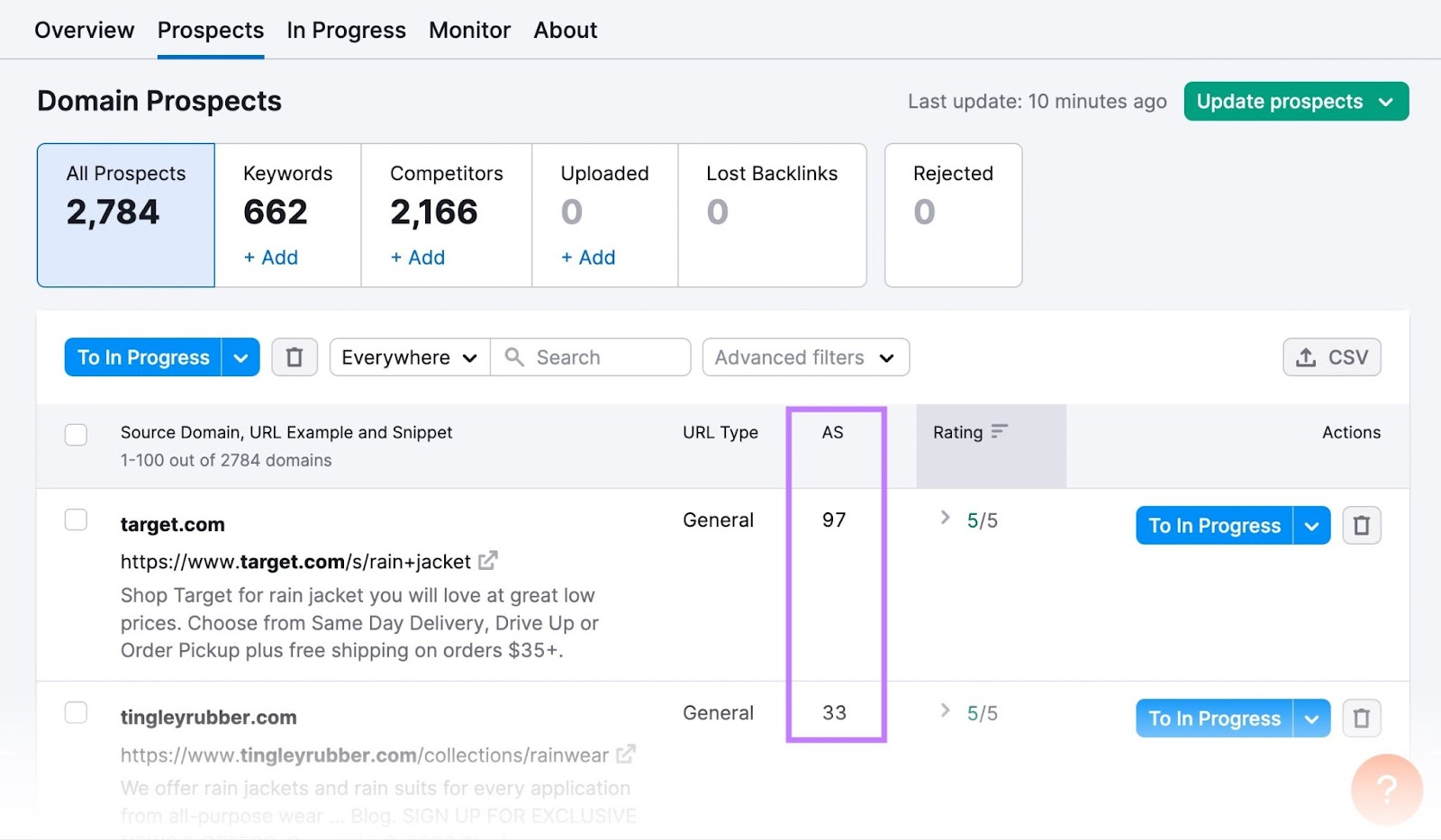
Every industry has different customer behavior, buying journeys, and search patterns. As a result, there is no universal keyword strategy that works for every business. Selecting keywords that align with your audience’s needs and search intent allows you to attract visitors who are more likely to become customers.
Best Keywords for Small Businesses
Small businesses often achieve the strongest results by targeting location-based and long-tail keywords instead of highly competitive industry terms. Since local customers typically search for nearby services, combining your products or services with geographic locations can significantly improve visibility in local search results.
For example, instead of targeting a broad keyword like “SEO services,” a local business may perform better with phrases such as “SEO agency in Austin” or “digital marketing services in Manchester.” These keywords generally have lower competition while attracting users who are actively looking for local providers.
Best Keywords for Ecommerce Websites
Ecommerce businesses should focus on keywords that reflect product searches and buying intent. Shoppers often search using detailed product descriptions, brand names, comparisons, pricing, and reviews before making purchasing decisions.
Category pages should target broader commercial keywords, while individual product pages can focus on highly specific long-tail keywords that closely match customer searches. This approach increases the likelihood of ranking throughout the buying journey while improving conversion opportunities.
Best Keywords for B2B Companies
Business-to-business organizations typically serve decision-makers who conduct extensive research before selecting a service provider. Their searches often include solution-focused phrases, industry terminology, comparison keywords, and questions related to return on investment.
Although B2B keywords generally receive lower search volumes, they often deliver significantly higher conversion rates because they attract users with strong commercial intent.
Best Keywords for Service-Based Businesses
Service providers benefit from combining transactional and local keywords that clearly describe both their offerings and service areas. These searches often indicate that users are actively looking to hire a company rather than simply gathering information.
Professional service businesses can also strengthen their authority by publishing educational content that answers common customer questions, creating opportunities to rank for informational keywords while building trust with prospective clients.
How AI Search Is Reshaping Keyword Strategy
Artificial intelligence has transformed how search engines understand content and respond to user queries. Rather than relying primarily on exact-match keywords, modern search engines analyze context, relationships between topics, and overall content quality to deliver more accurate results.
This shift means businesses must think beyond individual keywords and focus on creating comprehensive, well-structured content that fully answers user questions.
Semantic Search Is Becoming More Important
Google now understands related concepts, synonyms, and topical relationships much more effectively than in previous years. Instead of repeating the same keyword throughout a page, websites should naturally incorporate supporting terms and related concepts that help search engines understand the broader topic.
This semantic approach improves content quality while reducing the need for excessive keyword repetition.
Conversational Searches Continue to Grow
The increasing popularity of voice assistants and AI-powered search tools has changed how people search online. Instead of typing short phrases, users now ask complete questions using natural language.
Content optimized for conversational searches often performs better in AI-generated search experiences because it mirrors how people naturally communicate.
AI Overviews Reward Structured Content
Google’s AI-generated summaries frequently prioritize content that is clearly organized with descriptive headings, concise explanations, and logical formatting. Well-structured articles make it easier for search engines to extract useful information and present it within AI search experiences.
Topical Authority Is More Valuable Than Individual Keywords
Rather than creating isolated articles targeting individual keywords, successful SEO strategies now focus on building topical authority. Publishing multiple high-quality resources around related subjects demonstrates expertise while increasing opportunities to rank for hundreds of connected search terms.
At Bloom Agency, we develop content clusters that strengthen topical relevance while improving visibility across both traditional search results and AI-powered search platforms.
How to Use Keywords Naturally Throughout Your Content
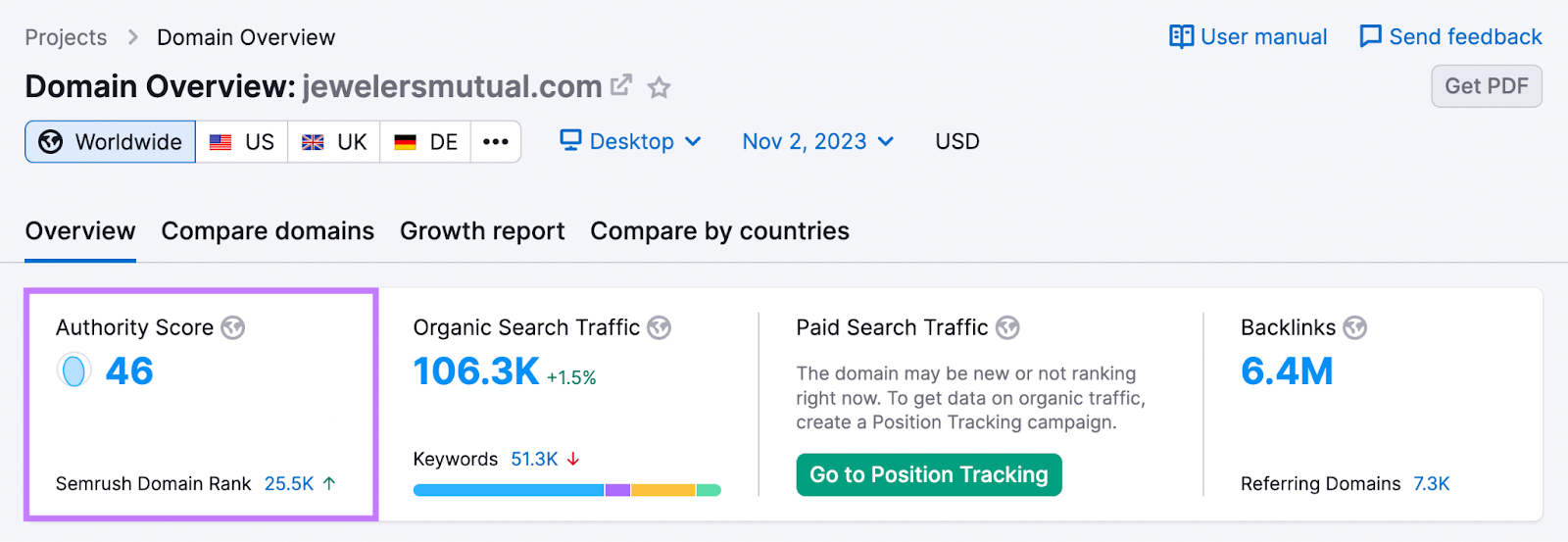
Finding the right keywords is only the first step. Their placement within your content also influences search performance.
Keywords should always appear naturally and support readability rather than interrupt it. Search engines increasingly reward content written for people rather than algorithms, making natural language more important than keyword repetition.
Your primary keyword should appear within the page title, opening paragraph, at least one relevant heading, the meta title, and the meta description. Secondary keywords should be incorporated where they fit naturally while supporting the overall topic.
Rather than forcing keywords into every paragraph, focus on creating comprehensive content that fully answers user questions. This approach naturally introduces related phrases while improving readability and user engagement.
Internal linking also strengthens keyword relevance by connecting related pages across your website. These links help both users and search engines understand the relationships between different topics while improving overall website authority.
Common Keyword Research Mistakes to Avoid
Even well-planned SEO campaigns can struggle if keyword research is approached incorrectly. Avoiding common mistakes allows businesses to maximize rankings while attracting visitors with genuine commercial intent.
One of the most common mistakes is targeting only high-volume keywords. Although these searches may generate significant traffic, they are often extremely competitive and may attract users who are not ready to convert. Long-tail keywords frequently provide better opportunities because they attract more qualified visitors.
Another mistake involves ignoring search intent. Ranking for a keyword that doesn’t align with your content often results in high bounce rates and poor engagement. Every keyword should match the expectations of users performing that search.
Keyword stuffing remains another issue despite advances in search algorithms. Repeating the same phrase excessively makes content difficult to read while potentially reducing search performance. Modern SEO favors natural language supported by semantic relevance rather than repetitive keyword usage.
Businesses should also review their keyword strategies regularly. Search trends evolve, customer behavior changes, and competitors continuously update their content. Ongoing keyword research ensures your SEO strategy remains competitive and aligned with current search demand.
How Bloom Agency Helped a Client Increase Organic Visibility
One of our clients approached Bloom Agency after experiencing stagnant organic growth despite publishing content consistently. Their website targeted broad, highly competitive keywords that generated minimal qualified traffic, and important service pages lacked clear keyword optimization.
Our team conducted a comprehensive SEO audit, evaluated competitor strategies, and rebuilt their keyword roadmap around high-intent search queries that aligned closely with customer needs. We optimized page titles, headings, internal linking, and content structure while creating new content targeting valuable long-tail keywords.
Within six months, the results demonstrated the impact of a focused keyword strategy. Organic traffic increased substantially, keyword rankings improved across multiple service categories, click-through rates continued to rise, and the business generated significantly more qualified enquiries through organic search.
Build a Revenue-Focused Keyword Strategy with Bloom Agency
Successful SEO begins with understanding what your customers are searching for and creating content that answers those needs better than your competitors. The right keywords do more than improve rankings—they connect your business with people actively looking for your products and services.
At Bloom Agency, we develop customized keyword strategies based on your industry, competition, business objectives, and customer intent. From comprehensive keyword research and content planning to technical optimization and AI search readiness, our team creates SEO campaigns designed to generate sustainable organic growth and measurable business results.
Whether you’re a startup, ecommerce store, healthcare provider, or enterprise brand, we can help you build a keyword strategy that drives qualified traffic, increases visibility, and converts visitors into loyal customers.
Ready to Grow Your Organic Traffic?
Partner with Bloom Agency to discover high-value keyword opportunities, outperform your competitors, and build an SEO strategy that supports long-term business success.
Frequently Asked Questions
What are the best keywords for SEO beginners?
Beginners should focus on long-tail keywords with moderate search volume and lower competition. These keywords are easier to rank for and often attract visitors with clearer search intent.
How many keywords should I target on a page?
Each page should focus on one primary keyword supported by several closely related secondary keywords. This approach keeps the content focused while allowing it to rank for multiple relevant search queries.
What is the ideal keyword density?
There is no fixed percentage for keyword density. Instead of aiming for a specific number, use your primary keyword naturally throughout the content while ensuring the article remains informative and easy to read.
What is the difference between short-tail and long-tail keywords?
Short-tail keywords are broad search terms with high search volume and strong competition, while long-tail keywords are more specific phrases that typically attract more qualified traffic and higher conversion rates.

Neetu Wadhwa is the Director of Bloom Agency, a Mumbai-based full-service digital marketing and web development company. With a strong focus on performance, innovation, and strategy, she leads the agency in delivering SEO, web design, and growth marketing solutions that drive measurable business outcomes.



Rahul M.
B2B Service Provider