
Digital marketing creates this enormous stream of information each day. Like, website visits, search questions, social media interactions, email replies, ad clicks, purchases, and even customer conversations they all leave behind really useful data. The issue is not about gathering that stuff anymore. Honestly, the real difficulty is understanding it fast enough, so you can actually make better decisions, not later.
This is where artificial intelligence starts shifting marketing analytics in a noticeable way. AI can chew through huge datasets, spot patterns quicker than most humans, notice odd changes and sometimes even write down predictions sooner than traditional manual analysis. For companies, that means a set of new chances: audiences get clearer, campaign results get stronger, overspending drops, and the experience feels more aligned to what people want.
And just to be clear, AI analytics is not meant to replace marketers. It’s more like it equips marketing teams with sharper information and quicker insights, so they can spend more time on the strategy part, the creative work, and those customer relationships that matter.
Why Traditional Marketing Analytics Is Changing
Traditional analytics mostly wants to figure out what already happened. Like, a marketer might check website traffic by the end of the month, sort of compare campaign results, and then decide which channels worked the best , more or less.
That said, that same data still matters, but today’s customer journeys are a lot more complicated. A customer might discover a brand through Google, then watch a video on social media, come back to the website a few times, grab an email offer, then weigh the options, and finally buy using a mobile device. It’s not always one clean, straight line.
If you look at each touchpoint by itself , it can get pretty messy to really see the whole journey. You might even miss the “why” between each step, like what was actually influencing them there.
AI helps to connect those signals. Instead of only showing old numbers, more advanced setups can catch relationships across several datasets and lift patterns that would otherwise sit kind of buried.
For instance, an AI system could notice that customers from a certain region respond better to specific content vibes, or that people who linger on particular product pages tend to convert later, even if they didn’t purchase right away.
So you get a shift from just asking “What happened?”, to asking “Why did it happen, what could happen next, and what move should we consider ?”
Moving From Descriptive to Predictive Marketing
Marketing analytics can broadly be viewed across several levels. Descriptive analytics explains past performance. It can show how many people visited a website, how many leads were generated, or which campaign received the most clicks.
Diagnostic analytics goes further by exploring why a particular result occurred. It might identify that a campaign’s conversion rate declined because of changes in audience behavior or landing-page performance.
Predictive analytics uses historical and current information to estimate what may happen next. For example, machine learning models can help identify customers who may be more likely to purchase, churn, or respond to a particular offer.
Prescriptive analytics takes another step by helping marketers evaluate potential actions. Instead of simply identifying a declining campaign, an intelligent system may suggest reviewing targeting, creative assets, landing pages, or budget allocation.
This progression makes analytics more actionable. Marketing teams can use data not just to report performance but to support planning and optimization.
How AI Analytics Supports Digital Marketing
AI can influence almost every stage of a modern digital marketing strategy. From audience research to campaign optimization and customer retention, intelligent analytics can help marketers work with large amounts of information more efficiently.
Faster Data Processing
Modern businesses collect data from multiple platforms. Websites, advertising networks, CRM systems, email platforms, social networks, ecommerce stores, and mobile applications may all generate separate datasets.
Manually combining and analyzing this information can consume considerable time.
AI systems can process large volumes of structured and unstructured information much faster. They can detect correlations, group similar behaviors, identify changes, and surface important signals for marketers.
This allows teams to spend less time preparing reports and more time interpreting the insights.
Better Audience Segmentation
Not every customer has the same needs or interests. Treating an entire audience as one group can lead to generic campaigns.
AI can analyze behavioral signals to identify meaningful customer segments. These segments can be based on factors such as browsing activity, previous purchases, engagement patterns, content preferences, location, or interactions with specific campaigns.
For example, an ecommerce business may discover separate groups consisting of first-time visitors, repeat customers, high-value customers, inactive buyers, and visitors who frequently browse but rarely purchase.
Understanding these differences allows marketers to create more relevant communication for each audience.
Personalization at Scale
Personalization has become an important part of digital customer experiences. However, manually creating individual experiences for thousands of customers is difficult.
AI can help automate personalized recommendations, content suggestions, email timing, product discovery, and advertising experiences.
Consider an online fashion store. A visitor who repeatedly explores sportswear may receive content related to running shoes, activewear, or fitness collections. Another visitor interested in formal clothing could see a completely different selection.
The objective is not simply to show more advertisements. It is to make marketing communication more relevant to the individual’s demonstrated interests.
When personalization is based on appropriate and responsibly collected data, it can help businesses create more useful customer experiences.
Improving Paid Advertising Performance
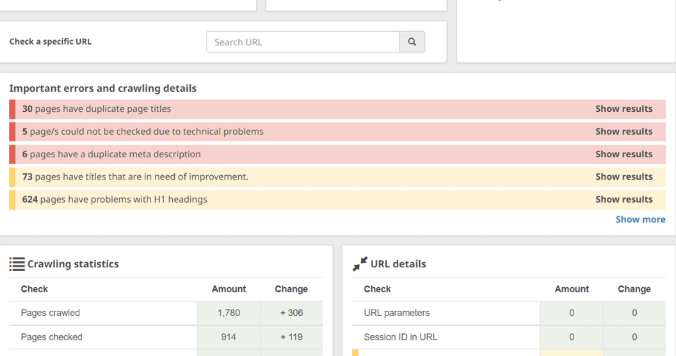
Advertising platforms already use machine learning extensively to optimize campaigns. However, businesses can also use AI-driven analytics to understand performance across their wider marketing ecosystem.
Instead of evaluating an advertisement solely on clicks, marketers can examine deeper signals such as qualified leads, purchases, customer value, repeat transactions, and revenue.
AI can identify patterns across campaigns and audiences that may indicate where budgets are producing stronger business outcomes.
For instance, one campaign may generate many clicks but few qualified leads, while another produces fewer visitors but significantly more valuable customers. Looking beyond surface-level metrics helps marketers make more informed budget decisions.
AI and Search Marketing
Search behavior is changing as users increasingly interact with conversational systems, AI-powered search experiences, and traditional search engines.
This means marketers need to understand not only which keywords people search for but also the questions, topics, entities, and intent behind those searches.
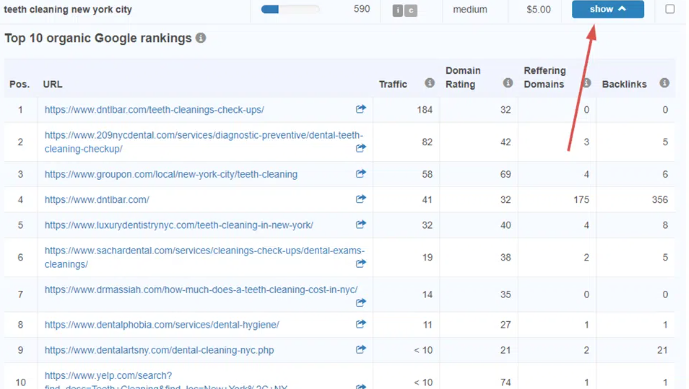
AI can assist with keyword analysis, content gap discovery, search intent classification, competitor research, internal linking opportunities, and content optimization.
It can also help identify relationships between topics and reveal areas where a website may have strong authority or content gaps.
However, AI-generated recommendations still require human review. Search strategies should be based on accurate information, useful content, technical quality, and genuine user value rather than automated output alone.
Understanding Customer Journeys
One of the most valuable applications of AI analytics is connecting different customer interactions.
A customer journey rarely follows a straight path. Someone may discover a brand through an organic search, return through a social advertisement, interact with an email, and eventually convert through a direct website visit.
If every interaction is evaluated independently, marketers may incorrectly attribute value to the final interaction.
AI-powered analytics can help analyze multiple touchpoints and identify patterns across the journey. This supports a more comprehensive understanding of how different marketing channels contribute to conversions.
Better journey analysis can also reveal where customers drop off. If users repeatedly abandon a particular step, marketers can investigate whether the issue involves pricing, page experience, trust signals, navigation, or another factor.
Predicting Customer Behavior
Historical data can provide useful clues about future behavior.
Machine learning models can analyze previous interactions to identify patterns associated with purchases, churn, repeat engagement, or lead conversion.
For example, a subscription-based company may identify customers whose engagement has gradually declined. Instead of waiting for them to cancel, the business can review these signals and consider appropriate retention campaigns.
Similarly, a sales team can use predictive lead scoring to prioritize prospects who demonstrate stronger buying signals.
Predictions are not guarantees. They are estimates based on available data, which means marketers should treat them as decision-support tools rather than absolute answers.
Automating Repetitive Marketing Tasks
Marketing teams spend significant time preparing reports, categorizing information, monitoring campaigns, and performing repetitive analysis.
AI can automate many of these activities.
Automated reporting systems can organize campaign information and highlight significant changes. AI-assisted tools can summarize customer feedback, classify leads, identify frequently asked questions, and monitor performance indicators.
This can reduce manual workload and allow marketing professionals to concentrate on strategy and creative work.
Automation should still include appropriate human oversight, particularly when decisions involve customer data, financial impact, compliance, or brand reputation.
Measuring Marketing ROI More Effectively
One of the biggest challenges in digital marketing is determining whether spending is producing meaningful business results.
Clicks and impressions are useful indicators, but they do not always represent revenue.
AI-supported analytics can help businesses connect marketing activity with deeper outcomes. Depending on the business model, these may include qualified leads, sales, repeat purchases, customer lifetime value, or subscription renewals.
This allows marketing teams to move from channel-level reporting toward business-focused measurement.
Instead of asking which campaign received the most traffic, businesses can ask which activities contributed to valuable customers and sustainable growth.
Useful AI Analytics Tools for Marketers
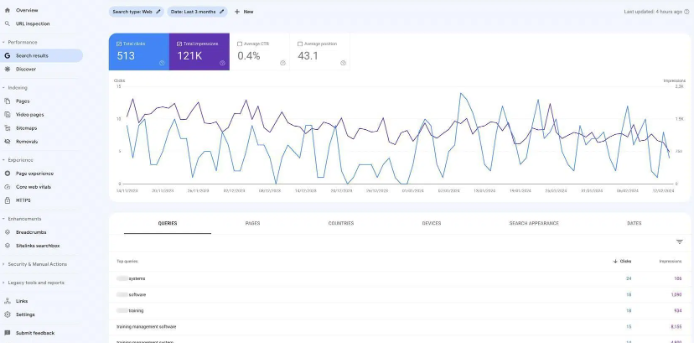
Businesses do not necessarily need a complicated technology stack to begin using AI analytics. The appropriate tools depend on company size, objectives, data maturity, and marketing channels.
Google Analytics 4
Google Analytics 4 provides businesses with detailed information about website and app interactions. Its machine learning capabilities can support predictive insights and help marketers understand customer behavior.
GA4 can be particularly useful when combined with advertising, ecommerce, and other first-party data sources.
Adobe Analytics
Adobe Analytics is designed for organizations that need advanced customer journey analysis across multiple channels. Its capabilities can support detailed segmentation, reporting, and enterprise-level measurement.
CRM and Marketing Automation Platforms
Many modern CRM and marketing automation systems incorporate AI features for lead scoring, forecasting, recommendations, customer segmentation, and workflow automation.
These tools can help connect marketing information with sales and customer relationship data.
AI-Assisted SEO Platforms
SEO teams can use AI-powered tools for keyword research, content analysis, competitor research, search intent analysis, and technical audits.
These tools can accelerate research, but marketers should still review recommendations before implementing them.
Conversational AI Platforms
Chatbots and conversational systems can provide another source of customer intelligence. Conversations may reveal common questions, objections, product interests, and customer pain points.
When handled responsibly, these insights can inform content development, product improvements, and customer experience strategies.
Data Quality Is More Important Than AI Alone
AI cannot compensate for poor-quality data. If information is incomplete, duplicated, incorrectly categorized, or collected without proper context, AI-generated insights may also be unreliable.
Businesses should therefore establish clear data collection processes before introducing advanced analytics.
This includes defining important metrics, maintaining consistent tracking, connecting relevant platforms, removing unnecessary duplication, and regularly reviewing data quality.
A smaller dataset that is accurate and meaningful can often be more useful than a huge collection of inconsistent information.
Privacy and Responsible Data Usage
AI analytics also creates important responsibilities for businesses.
Customer information should be collected, processed, stored, and used according to applicable privacy requirements. Marketers need to understand consent, data minimization, access controls, retention policies, and other relevant obligations.
Transparency is particularly important when businesses use customer information for personalization or automated decision-making.
Responsible data practices do more than reduce compliance risks. They can also strengthen customer trust.
The Importance of Human Expertise
AI can process information at remarkable speed, but marketing decisions still require context.
A machine may identify that one audience segment has a higher conversion rate. A marketer needs to determine why that pattern exists, whether it is sustainable, and how it fits the broader business strategy.
Creative direction, positioning, brand voice, customer relationships, ethical considerations, and strategic priorities cannot simply be reduced to a dashboard.
The most effective approach combines machine efficiency with human judgment.
How Businesses Can Start Using AI Analytics
Businesses do not need to transform their entire marketing operation overnight.
A practical starting point is to identify one specific business problem. This could be improving lead quality, reducing advertising waste, increasing ecommerce conversions, understanding customer churn, or improving content performance.
Next, identify the data needed to answer that question. Review whether the existing tracking setup can provide reliable information.
Once the data foundation is established, businesses can introduce AI tools to identify patterns and generate insights.
The final step is experimentation. Marketing teams can test recommendations, measure outcomes, and refine their approach based on actual results.
This creates a continuous cycle of measurement, learning, testing, and optimization.
Building a Future-Ready Marketing Strategy
AI analytics is becoming an important part of modern digital marketing because the volume and complexity of customer data continue to grow.
Businesses that understand how to combine data, automation, artificial intelligence, and human expertise can make their marketing operations more responsive and measurable.
For brands exploring advanced digital strategies, working with an experienced digital marketing agency can provide access to specialists across SEO, paid advertising, content, analytics, social media, and conversion optimization. A coordinated approach helps ensure that AI insights are connected to broader marketing objectives rather than being used as isolated technology.
The future of marketing analytics is not simply about collecting more data. It is about turning useful information into timely and responsible decisions.
AI can help marketers recognize patterns, understand audiences, anticipate potential outcomes, and optimize campaigns at scale. When supported by reliable data and human expertise, it becomes a powerful part of a modern marketing strategy.
Frequently Asked Questions
What is AI analytics in digital marketing?
AI analytics in digital marketing refers to using artificial intelligence and machine learning to analyze marketing data, identify patterns, generate insights, predict potential outcomes, and support campaign optimization.
How does AI improve marketing decisions?
AI can process large datasets quickly and identify patterns that may be difficult to detect manually. This can help marketers understand customer behavior, segment audiences, optimize campaigns, and make more informed decisions.
Can small businesses use AI analytics?
Yes. Small businesses can begin with accessible analytics and automation tools and gradually introduce more advanced AI capabilities as their data and marketing requirements grow.
Does AI replace marketing professionals?
AI is primarily a decision-support and automation technology. Human professionals remain important for strategy, creativity, brand management, ethical considerations, and interpreting insights within the context of the business.
What is the biggest requirement for successful AI analytics?
Reliable data is one of the most important foundations. Businesses need accurate tracking, consistent measurement, appropriate data governance, and clearly defined objectives before advanced AI analytics can deliver meaningful value.
Conclusion
Digital marketing is becoming more data-driven , but just getting more information does not automatically mean better choices. Organizations still need some kind of system, the kind that can take messy details and turn them into usable insights, or at least something close to it.
AI analytics can help bridge that awkward gap, it processes data quicker, surfaces patterns that you might miss, supports personalization in a practical way, strengthens campaign measurement, and can even help marketers look ahead at customer behavior.
The best outcomes usually show up when artificial intelligence and human expertise are working side by side, kinda like , one layer does the heavy lifting and the other adds sense. AI can spot signals and openings, while experienced marketers bring the context, the imagination, and the judgment that’s needed so those findings become real strategies, not just pretty reports.
For businesses that are gearing up for the next phase of online growth, adopting AI analytics is less about chasing a technology trend and more about creating a smarter, more reactive marketing approach.





Rahul M.
B2B Service Provider