
ChatGPT sort of started as a chat thing, but now it feels like people are using it for actual work. Millions, probably, use it to research products, compare services, get ideas, solve problems and then basically decide what to do next. That kind of shift in how people behave is giving advertisers a new opening, because you can show up when someone is talking—out loud, in a way—about stuff tied to your business.
ChatGPT Ads are built to fit into those relevant conversational moments. so instead of leaning mostly on classic keyword hunting, advertisers can lean on conversation context, geographic targeting, first party audiences, plus creative messaging to connect with users who might actually care about what you offer.
And if a business already puts money into Google Ads, Meta Ads, SEO, or content marketing, then ChatGPT Ads look like an emerging channel that’s worth getting a feel for. But it’s also not the same setup as the usual ad systems, so you can’t just copy your old campaign structure and expect the same results. targeting, measurement, optimization… all of that works a little differently, in practice.
This guide walks through the “first campaign” approach, like what you need before you launch, how targeting behaves, and how you should judge performance once the ads are running.
What Are ChatGPT Ads?
ChatGPT Ads are paid advertisements that show up inside ChatGPT conversations. OpenAI shows them when it decides the ad is relevant to what the user is currently doing and saying.
That creates a pretty clear difference versus conventional display ads. When someone uses ChatGPT, they might be researching a product, asking for recommendations, comparing solutions, or looking for someone who can help with a service. If the match is right, the advertisement can appear right in the middle of that research flow.
The idea is kinda similar to search advertising, because you are trying to reach people when there’s some sign of interest. But the big difference is that AI SEO users express intent via natural language, not by typing a traditional search query.
So for marketers, intent understanding becomes extra important. a strong campaign isn’t just picking a big pile of keywords. It’s more like thinking about the questions, topics, dilemmas, and situations where a product or service could genuinely help.
Who Can Advertise on ChatGPT?
Before you create anything, businesses should check whether their products or services are eligible according to OpenAI’s advertising policies.
Eligibility can depend on category, and some sensitive or regulated industries can face restrictions. Because of that, it helps to review the latest advertising requirements before spending time building the campaign.
Audience eligibility matters too. The advertising inventory is meant for eligible users on supported tiers and locations. And availability can change over time as the advertising platform expands.
This is important because your “ideal customer” might not fully line up with who is currently available to receive ads. You can have solid creative and a reasonable bid, but still get limited results if the intended audience sits outside the available inventory.
So in other words, audience availability should be treated as part of your early research, not something you assume will automatically work for every ChatGPT user.
How Much Do ChatGPT Ads Cost?
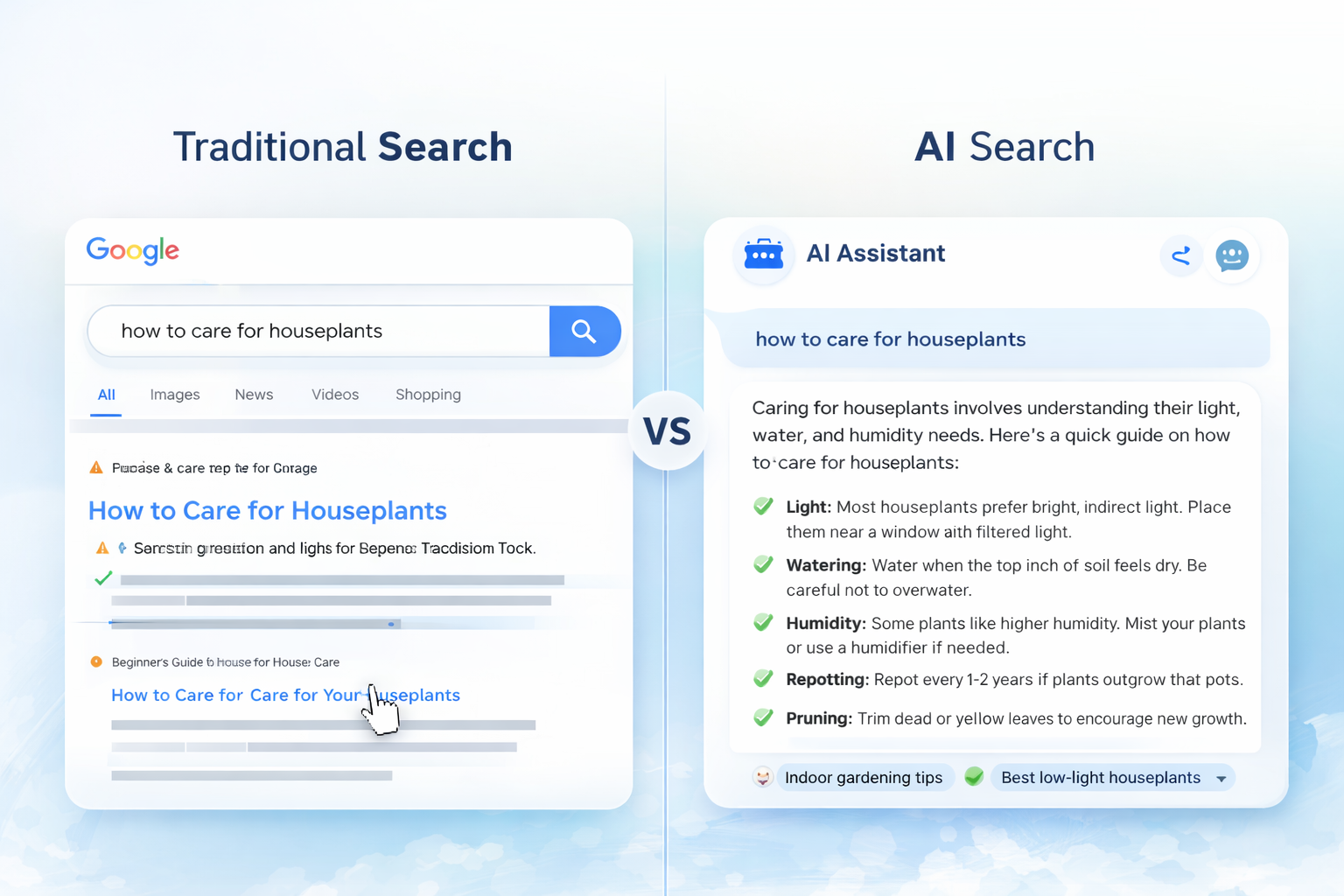
Cost is one of the main questions people ask: what are you really paying to acquire traffic via ChatGPT Ads?
Early campaign signals suggest CPC can land in a fairly wide range. actual costs depend on things like competition, relevance, campaign settings, geography, and how users respond. Since the platform is still growing, advertisers should not assume early CPC numbers will stay exactly the same.
Budget expectations can also be more friendly than some early pilots people tested years ago. Advertisers can start with a smaller daily budget and treat the early campaign like a controlled learning experiment.
Instead of deciding “is it affordable” using CPC alone, businesses should look at the whole acquisition journey. A lower click cost does not automatically mean better results. If people hit your site but don’t engage, or don’t convert, then cheaper clicks can still end up expensive.
Ultimately, the most useful metric is the cost required to get a meaningful business outcome. Not just traffic, not just clicks, but the value at the end.
Step 1: Make Sure Your Business Is Ready
Before you even open the advertising platform, gather the details you need to create your ad account.
Businesses should have legal business information, tax details if needed, a payment method, website information, and brand assets ready. You might also need a website favicon during account setup.
Just as important, prepare the destination pages that will receive your ad visitors.
Sending everyone to a generic homepage is rarely the best move. If your ad is promoting a specific service, the landing page should explain that service clearly. The message should connect in a natural way to the user’s likely intent and show an obvious next step.
For example, a company advertising SEO services should ideally send people to an SEO service page, not an unrelated homepage. When the ad and landing page align better, the visitor experience feels more coherent—and conversion likelihood can improve, sometimes a lot.
Step 2: Build a Clear Campaign Structure
ChatGPT Ads uses a campaign structure that kinda feels familiar, like to marketers who already worked with Google Ads or Meta Ads… sure. In general, campaigns can contain ad groups, and then ads get created inside those ad groups. At the campaign level, you can set things like the advertising objective, geographic targeting, budget, schedule, audience options, and also conversion settings.
The ad group gives extra controls too, including bidding and that contextual guidance vibe. Then individual advertisements hold the actual promotional message plus the destination info, you know the link and whatnot.
Keeping it clean is extra important because the platform is still building out its reporting. If you toss together a few unrelated audiences, products, and messages into a single campaign, it gets messy fast, and it becomes harder to tell what is actually driving your results.
For a first campaign, try grouping ads around closely matched customer needs. That way, testing becomes more meaningful, and you can compare different messages without accidentally building an overcomplicated account, which is easy to do when you’re moving quickly.
Step 3: Select Your Advertising Objective
Advertisers can choose different campaign objectives depending on what they want to accomplish, and not every objective is equally useful at every stage.
A clicks-focused campaign is a pretty solid starting point for a lot of businesses, because it gives a straightforward way to drive website visits and gather early performance info.
Reach is more fitting when the main goal is exposure. Instead of obsessing over individual site visits, the advertiser is trying to maximize the number of impressions produced by the campaign.
Conversion-focused campaigns often become more useful once conversion tracking is reliable. Then the platform can lean on conversion signals while optimizing delivery, instead of guessing.
Picking the “right” objective comes down to your actual business goal. A brand that’s new and still building awareness shouldn’t necessarily judge its campaign the same way an ecommerce business would, that one is usually trying to generate purchases, and those success metrics can be pretty different.
Step 4: Understand ChatGPT Ads Targeting
Targeting is probably one of the biggest differences between ChatGPT Ads and traditional search advertising.
You can’t really expect a conventional keyword-targeting approach, where you pick an exact keyword and bid on it. Instead, ChatGPT can use contextual signals to figure out when an ad might be relevant, which is… a different mindset.
Geographic targeting stays important though. Depending on what options you have, you can define locations at different geographic levels.
First-party audiences can also work as a targeting option for eligible advertisers that have enough audience data. But if audience-size requirements are too strict, this option may feel less usable for smaller companies, so plan for that.
The most interesting lever is contextual guidance, sometimes called context hints.
How Context Hints Can Improve Targeting
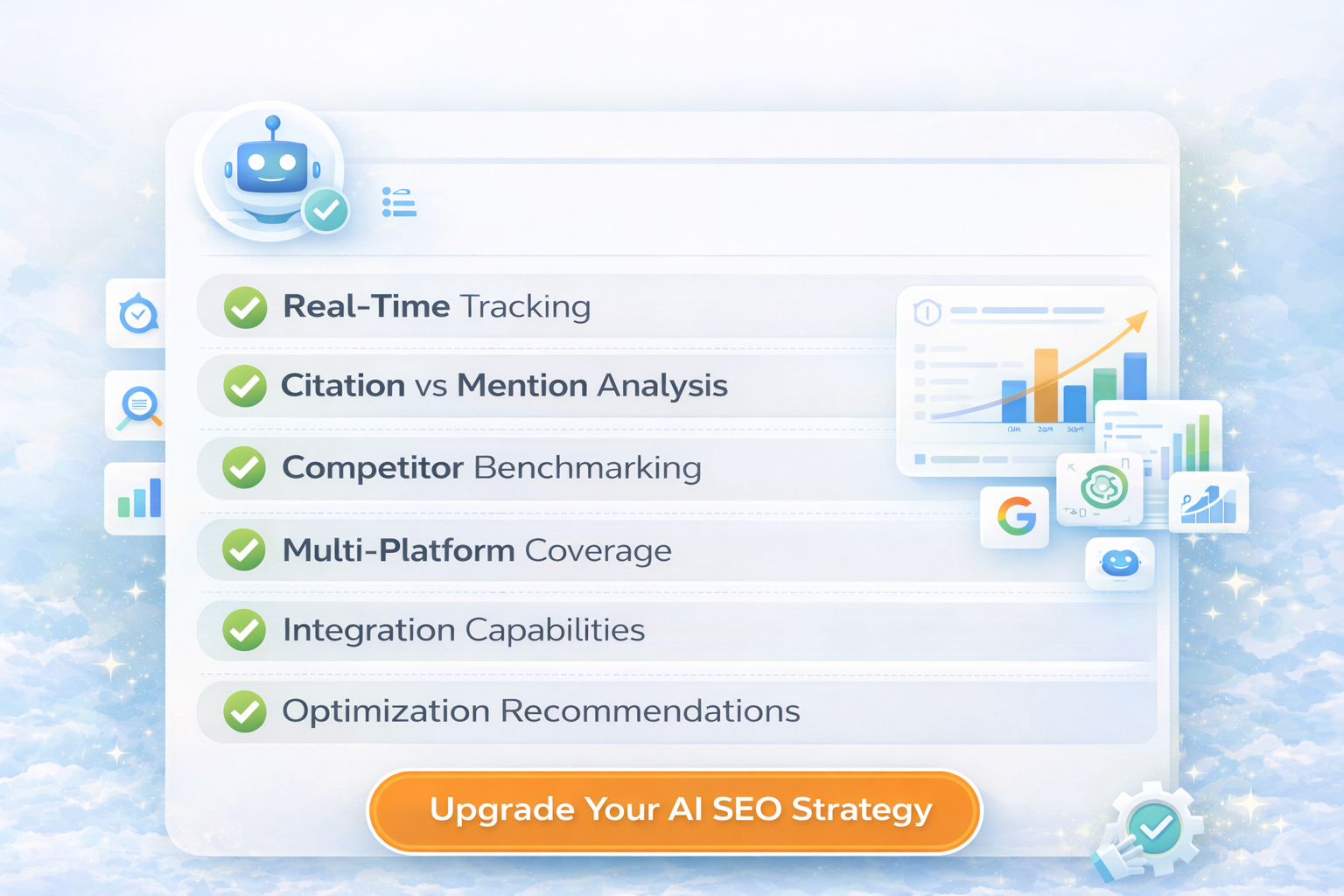
Context hints let advertisers describe the kind of conversations, topics, or situations where their product or service actually fits.
This changes how marketers should think about research. Instead of only asking “What keywords does my customer search for?” marketers can ask “What might my customer ask ChatGPT before buying this product, or hiring this company?”
For example, in a home improvement business, the conversational context could involve questions about picking decking materials, comparing construction choices, finding suppliers, or estimating what a project requires.
A marketer can test different “keyword-style” hints, full questions, or broader descriptions of what the target customer needs.
The best method likely shifts by industry, so testing different context hint formats early is kind of an important part of campaign development, and honestly it’s where you learn the most.
ChatGPT Ads and SEO
Paid advertising and organic visibility are separate activities, but both can benefit from understanding how people use conversational search.
Businesses that receive meaningful organic traffic from ChatGPT or other AI-powered discovery platforms may have a useful signal that their content, brand, products, or expertise are relevant to conversational research.
This does not mean running advertisements will automatically improve organic visibility. Paid placement and organic recommendations should be evaluated independently.
However, the rise of conversational search reinforces the importance of creating useful, authoritative, clearly structured content that answers real customer questions.
Is ChatGPT Ads Worth Testing?
For many businesses, ChatGPT Ads are worth testing because the advertising environment is still relatively new.
Early testing can help advertisers learn how their audience responds to conversational advertising before the platform becomes more competitive. At the same time, businesses should avoid assuming that early performance benchmarks will remain stable.
The strongest strategy is to begin with a controlled campaign, establish reliable tracking, test multiple creative approaches, and compare customer acquisition costs against existing channels.
A campaign that generates inexpensive clicks but no valuable business outcomes should not be considered a success. Conversely, a campaign with a higher CPC may still be worthwhile if it generates profitable customers.
The Future of Conversational Advertising
Advertising is moving toward environments where people explain their needs rather than simply entering short search terms.
ChatGPT represents an important development in that shift. Instead of choosing keywords alone, advertisers need to understand customer problems, questions, preferences, and decision-making journeys.
This creates new opportunities for businesses that can communicate their value clearly and build campaigns around genuine user intent.
As the advertising platform develops, targeting controls, measurement, creative formats, and campaign optimization capabilities are likely to evolve. Marketers who begin experimenting now can develop first-hand knowledge rather than waiting until the channel becomes crowded.
Final Thoughts
ChatGPT Ads introduce a new model for digital advertising, combining paid promotion with the context of AI-powered conversations. The platform is different from traditional search and social advertising, particularly when it comes to targeting and visibility into user behaviour.
A successful campaign starts with eligibility and account preparation, followed by a logical campaign structure, relevant contextual targeting, compelling advertisements, accurate conversion tracking, and disciplined testing.
Most importantly, businesses should measure ChatGPT Ads by the outcomes they produce rather than simply the amount of traffic they generate. Compare CPC, engagement, conversions, customer acquisition costs, and revenue with your existing channels.
For marketers willing to experiment, ChatGPT Ads could become an important addition to the modern digital marketing mix. The platform is still evolving, which means there is no universal formula for success yet. Testing, measurement, and a strong understanding of customer intent will remain the foundation for building campaigns that deliver sustainable results.
FAQs About ChatGPT Ads
What are ChatGPT Ads?
ChatGPT Ads are paid advertisements designed to reach eligible users within relevant ChatGPT conversations. They provide businesses with another way to connect with potential customers while they are researching products, services, or solutions.
How do ChatGPT Ads work?
ChatGPT Ads use contextual signals to determine when an advertisement may be relevant to a conversation. Advertisers can provide context hints describing topics, questions, or situations related to their products or services.
How much do ChatGPT Ads cost?
The cost can vary depending on factors such as campaign settings, competition, location, and advertising performance. Early campaign data has shown CPCs commonly ranging around a few dollars, but advertisers should monitor their own results rather than rely on fixed benchmarks.
Can businesses target keywords with ChatGPT Ads?
ChatGPT Ads do not work like traditional keyword-based search campaigns. Instead, advertisers can use contextual guidance, geographic targeting, and eligible first-party audiences to help reach relevant users.
What are context hints in ChatGPT Ads?
Context hints allow advertisers to describe the conversations or subjects where their products or services may be relevant. They can include keywords, questions, or more detailed descriptions of potential customer situations.
Can I track conversions from ChatGPT Ads?
Yes. Advertisers can use available conversion-tracking tools to measure actions taken after users interact with their advertisements. UTM parameters can also help identify ChatGPT Ads traffic in analytics platforms.
Are ChatGPT Ads similar to Google Ads?
They share some similarities because both can reach users during research and decision-making moments. However, Google Ads traditionally relies heavily on search queries and keywords, while ChatGPT Ads use conversational context to determine relevance.
Should businesses test ChatGPT Ads?
Businesses that have a suitable target audience and advertising eligibility may consider running a controlled test. Performance should be evaluated using conversions, customer acquisition costs, engagement, and revenue rather than clicks alone.

Neetu Wadhwa is the Director of Bloom Agency, a Mumbai-based full-service digital marketing and web development company. With a strong focus on performance, innovation, and strategy, she leads the agency in delivering SEO, web design, and growth marketing solutions that drive measurable business outcomes.



Rahul M.
B2B Service Provider