
Google is now rolling out its August 2026 Spam Update, and it gives website owners, publishers, marketers, and SEO pros a fresh, kinda obvious nudge to review how their sites are optimized. This thing started on August 18 2026, and Google says the rollout is worldwide, plus it applies across all languages. They also mentioned the rollout could take a few days to finish, which is a typical answer, but still… it matters.
If a company is investing in organic search, algorithm updates can bring a level of nervousness you don’t really want. A steady site may suddenly see changes in rankings, impressions, clicks, or traffic. Still, not every little shift means the website got smacked with a penalty or something. Search visibility can swing for a bunch of reasons, for example, algorithm changes, competitor moves, shifts in search demand, indexing updates, or even Google getting a new view of what “quality content” means.
The August 2026 Spam Update is extra important because Google hasn’t announced some completely brand-new spam policy along with it. So, website owners should really stick to the existing spam policies and make sure their SEO work is built around real value, not these clever tries to steer search results more artificially.
And if a brand is working with an SEO agency, or managing SEO internally, honestly this is a good window to review the basics, the fundamentals, the kind of stuff you can’t really outsource.
What Is the Google August 2026 Spam Update?
The Google August 2026 Spam Update is a search ranking update that focuses on spam detection and enforcement. Per Google’s Search Status Dashboard, the rollout started on August 18, 2026, and it’s being rolled out globally across every language.
But compared to a core update, a spam update is more about spotting websites or practices that break Google’s search spam policies. That difference is useful because it means businesses shouldn’t just assume “rankings dropped = bad content” or “rankings dropped = site-wide quality problems”. It can be more narrow, more specific, sometimes less dramatic than it sounds.
Google also said this is its third confirmed spam update of 2026, after the spam updates in March and June.
No brand new spam category has been announced for this August rollout. So instead of scrambling to react to a totally new ranking factor, businesses should start by measuring their sites against the spam guidelines that already exist.
The most sensible plan is pretty basic: skip manipulative SEO methods, beef up content that’s actually helpful, keep the site technically healthy, and build experiences that truly support visitors, not just bots.
Why the August Update Matters for Businesses
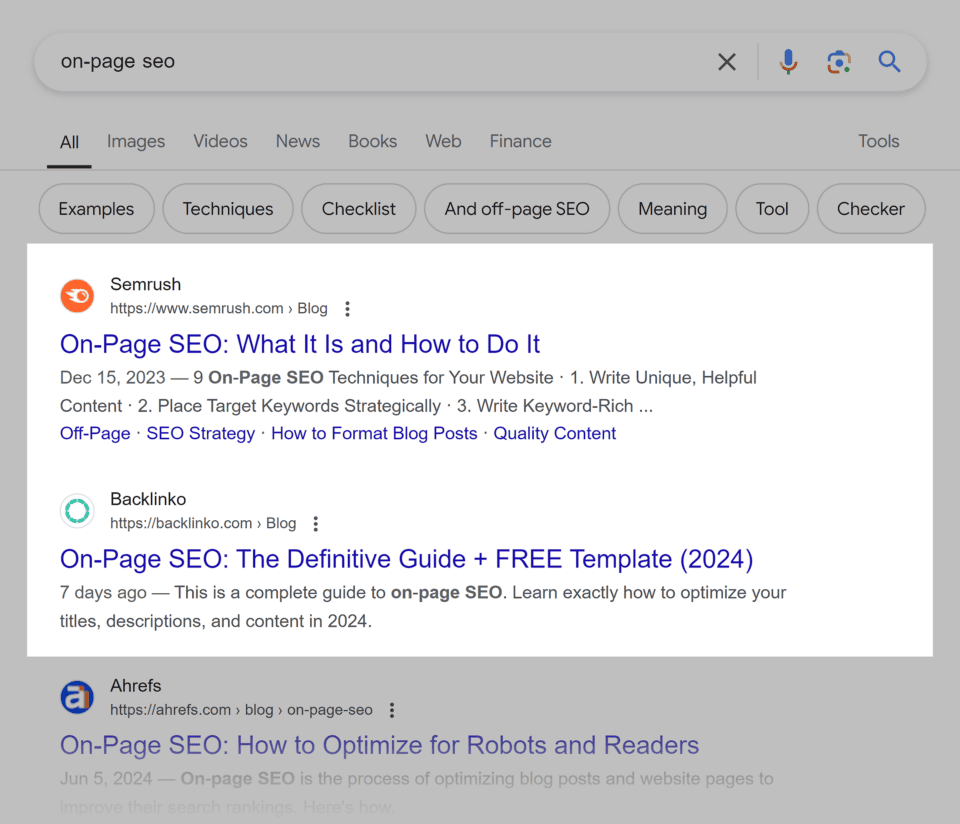
Organic traffic can be a big deal for leads, sales, inquiries, and brand awareness for modern companies. Even a mild ranking movement can end up affecting how many potential customers show up on your website.
So these algorithm changes matter for businesses of pretty much every size.
For example, an ecommerce store might depend heavily on Google visibility for product discovery. A local business may lean on organic search plus Google Business Profile visibility to get customer inquiries. A B2B company might use informational content to pull prospects in at different phases of the buying cycle.
And when Google’s systems get better at catching spam, websites that use shortcuts can become more exposed to ranking changes.
On the other hand, businesses that have been putting money into useful content, solid technical bases, legit authority signals, and actually good user experiences are just in a better place to adjust, even when things get messy.
The main takeaway is kinda simple: SEO should not be built like, “let’s guess what this one update does next,” though. It should be built around long-term search visibility. Like, sustainable and not fragile.
Do Not Panic Over One Day of Ranking Data
One of the biggest mistakes website owners make during an algorithm rollout is, reacting way too fast.
Google rollouts can take some time to fully complete. In the middle of it, rankings can wobble before they settle. A site might drop in visibility for certain queries, while improving for others, so it can feel random, and it probably is a bit.
Because of that, checking only one day of traffic and instantly rewriting the entire SEO approach can end up backfiring.
Instead, compare results across multiple time windows.
Check organic clicks, impressions, average positions, indexed pages, landing-page performance, conversions, and also query-level shifts inside Google Search Console. Then match that data against earlier weeks and months to see if the movement is short-lived, or if it’s clearly part of a bigger pattern.
Also try separating branded versus non-branded traffic. A decline in one slice does not always mean the whole website got hit, you know?
SEO choices should come from patterns not from panic.
Review Your Website Against Google’s Spam Principles
Since Google has not rolled out a new spam policy with this update, businesses should look back at the existing spam principles that already govern search spam.
The point should not be “find a loophole” in Google’s systems. It should be more like asking whether the website genuinely helps people.
- Does each key page have a clear job to do?
- Does the content answer what the searcher actually asks?
- Are pages made mainly for real visitors, or for search engines?
- Are links picked up naturally and responsibly, instead of forced?
- Is the site publishing a lot of low-value pages just to grab more keywords, even when there’s little substance?
- Are automated processes running, but with weak quality control, or just no review?
- Those kinds of questions can uncover weaknesses before they grow into serious ranking trouble.
Avoid Creating Content Just to Capture Keywords
One of the more noticeable changes in modern SEO is the move away from keyword-first content.
A few years back, many teams tackled SEO by choosing one keyword, repeating it throughout a page, then writing multiple pages around small variations. Search engines are far better now at understanding topics, intent, context, entities and the connections between concepts.
So the business focus should be solving problems, not spinning up pages just because a keyword has some search volume.
For instance, a digital marketing agency targeting a phrase like “SEO services” should not publish dozens of almost identical pages with tiny keyword edits. Instead, it can build useful resources that cover technical SEO, local SEO, ecommerce SEO, content strategy, analytics, link acquisition, and search visibility.
A more connected content ecosystem helps readers more, and it also gives search engines a clearer topical relationship.
Be Careful With Scaled and Low-Quality Content
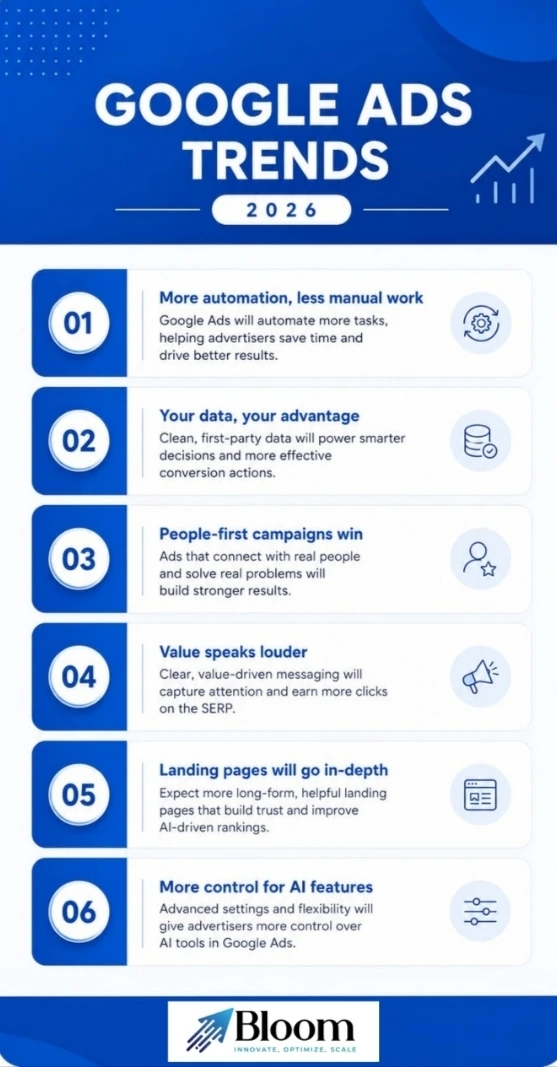
AI changed how content gets produced, a lot, quickly.
Businesses can now generate articles, landing pages, product descriptions, FAQs, and other materials much faster than before.
But speed does not magically become quality.
Using AI or automation does not automatically mean every generated page is valuable. Publishing huge volumes of repetitive material, inaccurate answers, weak research, or lightly edited pages can absolutely create quality issues.
The important question is not merely “was AI involved”.
The better question is, “is the final content useful”?
Businesses should have an editorial workflow: research, fact checking, human review, originality, appropriate expertise, and a clear match with search intent.
AI can help content teams, but it should not remove accountability for what a brand publishes.
Link Building Needs a Quality-First Approach
Links are still a big part of SEO, but aggressive or manipulative link-building can also bring unnecessary risk.
The aim of link acquisition should be earning meaningful references from relevant, credible places.
A healthy plan can include digital PR, industry contributions, useful resources, expert commentary, original research, partnerships, and strong editorial placements.
But the emphasis has to be relevance and value, not just collecting the largest number of backlinks.
Also, businesses should periodically audit their backlink profiles. If you see a sudden rise in suspicious or irrelevant links, it might deserve investigation, especially if it looks like it connects to other manipulative SEO behavior.
Quality beats quantity, every time.
AI Search Makes Spam Prevention Even More Important
Search is not only blue-link listings anymore. Google’s AI-powered search experiences have changed how people find and use information.
And Google’ spam policies have gotten more explicit about attempts to manipulate generative AI responses in Search, including things like AI Overviews and AI Mode.
This matters a lot for marketers.
Optimizing for AI search should not mean trying to game AI-generated answers. Instead, businesses should aim to become dependable sources.
Clear explanations, correct facts, strong brand signals, original perspectives, structured information, and genuinely authoritative content can all help build stronger visibility across these modern search experiences.
The goal should be broader than ranking for one single keyword. Brands need a recognizable, trustworthy presence across search ecosystems too.
Technical SEO Still Matters
Content quality cant really make up for a website that has real technical issues , like the basics being broken or flaky.
When doing an SEO audit after an algorithm update , businesses should go back to technical fundamentals. Things like crawlability, indexation, redirects, canonicalization, broken links, mobile usability, site architecture, structured data , page speed and Core Web Vitals all matter.
And for larger websites, indexation is usually the big one to watch. If thousands of unnecessary URLs are getting crawled or indexed, search engines might waste time on pages that barely offer value. Ecommerce stores often run into this because of filters, parameters, duplicate product URLs, and auto-generated pages that no one really needs.
A clean technical setup also helps search engines find the important stuff faster, understand it better, and then decide what deserves priority.
Check Search Console Before Making Major Changes
Google Search Console should be one of the first tools businesses open once they notice ranking shifts. Start with the Performance report, then check for changes in clicks and impressions around August 18.
After that, figure out which pages and queries moved the most. Next, compare those moves to earlier historical data.
If a bunch of key pages drops together while impressions stay kind of steady, it can point to ranking positions changing or search-result competition getting tougher. But if both impressions and clicks fall hard, then it’s more likely there’s a wider change in search visibility.
Also review the Indexing and Coverage reports for technical signals, because those can reveal what search engines are actually doing.
That said, Search Console should not be read alone. Pair it with analytics and business results. Less traffic doesn’t always mean fewer leads or revenue; sometimes it just means something different in the mix.
What Should You Do If Rankings Drop?
If your site sees a decline during the August 2026 Spam Update, dont start making dozens of changes at the same time.
First is diagnosis. Pull the pages that lost visibility and compare them to competitors that gained rankings.
Then check if those competitor pages provide better answers, more complete coverage, clearer expertise, cleaner formatting, or a smoother user experience.
After that, revisit your own content too.
Look for outdated info, duplicated sections, thin pages, claims you cannot back up, over-targeting keywords, irrelevant sections, or pages that simply do not match the search intent.
At the same time, investigate technical problems as well.
And if the site has a history of aggressive SEO, do a deeper pass on things like the backlink profile, how content gets generated, redirects, doorway-style pages, and other items that could be risky.
The recovery should be systematic rather than emotional. Not panicked, not random.
Do Not Delete Content Without Evidence
Another common reaction to ranking volatility is mass content deletion.
Sometimes that actually can make sense if the site has pages that are truly useless, duplicated, outdated, or harmful. But deleting hundreds or thousands of URLs only because they get low traffic can backfire and create new problems.
A page with low traffic might still support a broader topic, pull in long-tail searches, drive conversions, or strengthen internal linking.
Before removing anything, evaluate what the page is for and how it performs. In many cases, it’s better to improve, merge, redirect, or refresh content instead of deleting it. Content decisions should come from evidence, not guesses.
Build an SEO Strategy That Can Survive Updates
The August 2026 Spam Update is also a bigger lesson for businesses: sustainable SEO cannot just be algorithm chasing.
Search engines keep changing how they evaluate sites. AI search will keep shifting. Users expectations will evolve. Competitors will level up.
So a strong SEO strategy needs multiple foundations.
- Publish genuinely useful content.
- Keep the website technically healthy.
- Build authority using legitimate brand and industry relationships.
- Understand user intent rather than obsessing over keywords only.
- Monitor organic performance regularly.
- Use data to decide rather than reacting to short-term changes.
- And treat SEO as a long-term growth channel, not a bag of quick tricks.
How Bloom Agency Can Help Businesses Adapt
Algorithm updates can feel almost impossible to decode when a business owner is juggling SEO, content, development, analytics, and marketing all at once, every week.
That’s where an experienced SEO team helps. Bloom Agency treats SEO as a blend of technical optimization, content strategy, authority building, local visibility, analytics, and ongoing improvement.
An SEO audit can surface technical weaknesses, content gaps, indexing issues, backlink concerns, and chances to improve search visibility. Then the team builds a customized strategy that prioritizes what matters most to the business.
For companies impacted by a Google update, the goal should not be just recovering rankings ASAP. The bigger objective is building a website that stays reliable while search keeps evolving.
That means upgrading the quality of existing content, creating genuinely useful new resources, strengthening website architecture, earning relevant authority, and improving experiences for users.
The Bigger Lesson From Google’s August 2026 Update
The August 2026 Spam Update is another reminder that search engines are getting better at detecting attempts to manipulate visibility. Businesses that rely on shortcuts may face more uncertainty as Google systems mature and tighten up.

Neetu Wadhwa is the Director of Bloom Agency, a Mumbai-based full-service digital marketing and web development company. With a strong focus on performance, innovation, and strategy, she leads the agency in delivering SEO, web design, and growth marketing solutions that drive measurable business outcomes.



Rahul M.
B2B Service Provider