
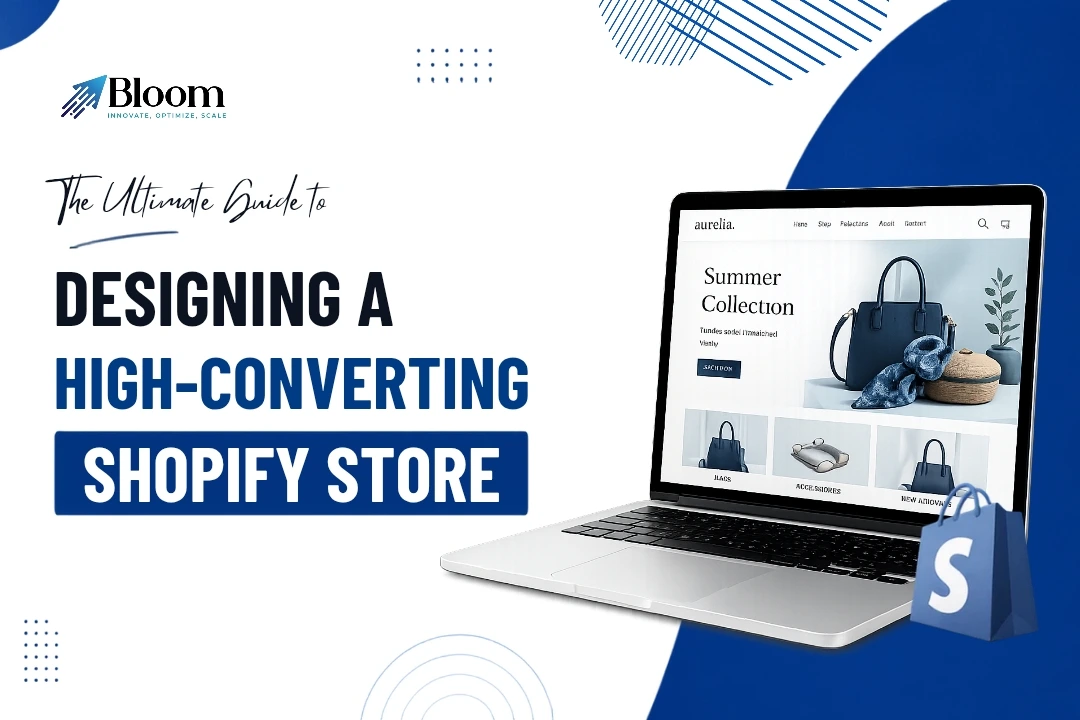
The ecommerce industry kind of changed everything for how companies talk with customers. Every year, more brands launch online stores so competition gets fiercer, like, really fast. Even though Shopify makes it easier to build an ecommerce website, getting a store that keeps converting visitors into customers takes way more than slapping on a theme and uploading products.
A successful Shopify store basically runs on customer experience. Each page, every image, and all those little interactions should nudge shoppers to keep going with the buying journey. From fast loading speeds to persuasive product descriptions, it all works together to lift conversions.
A lot of businesses focus heavily on bringing traffic in through ads, but then they mostly ignore what happens after people land on the site. If your store is awkward to navigate, slow to load, or doesn’t show enough trust signals, chances are those visitors leave, and you never see a purchase. Improving conversion rate helps you earn more revenue from the traffic you already have, so it’s one of the most valuable investments for any ecommerce brand.
At Bloom Agency, we get that an online store should do more than look shiny. It should create measurable business growth through smart design, optimized performance, and solid digital marketing strategies. Our Professional Shopify Development Services help companies build scalable stores that deliver great customer experiences, while still supporting long term growth.
Why conversion optimization matters
Every visitor who lands on your website is an opportunity. But driving traffic alone doesn’t automatically mean sales. Real ecommerce success depends on how well you turn those visitors into paying customers.
Conversion optimization is basically about removing friction from the buying process. That means improving multiple parts of your Shopify store, so shoppers move through with less resistance. Small upgrades in navigation, page speed, product presentation, and checkout flow can increase revenue without needing to pump more money into advertising.
Stores that keep optimizing tend to see higher average order values, better customer retention, and stronger brand loyalty over time.
Start with a clear brand identity
Your Shopify store is, in a way, an extension of your brand. Before you obsess over colors or layout tweaks, you should set a clear visual identity that matches your brand values and actually appeals to your target audience.
A consistent brand identity usually includes your logo typography, colors, imagery, and messaging. Every page should feel professional, but also build that subtle emotional connection with visitors. Consistency makes people feel familiar, and familiar brands are more likely to earn trust.
Try to avoid cluttered design, or styles that don’t match each other, because those little distractions pull attention away from your products. Clean layouts and thoughtful branding make shopping easier, and they also reinforce that credibility your company needs.
Choose the right Shopify theme
Picking the correct Shopify theme is like laying down the foundation for everything. A high quality theme should focus on speed, responsiveness, flexibility, and user experience, not just depending on flashy visuals that don’t really help anyone.
Most shoppers don’t stay on one device. They browse during the day on phones, tablets, and desktops, switching back and forth. Your Shopify theme should automatically adapt to those screen sizes while keeping usability strong. Responsive design means customers get a smooth shopping experience, no matter if they show up on desktop, tablet, or smartphone.
When you customize a chosen theme, your store can stand out from competitors without sacrificing performance.
Create an intuitive navigation structure
Customers should never feel stuck searching for products. An organized navigation structure helps visitors explore your store with confidence. Product categories should be clearly labeled, collections should be arranged logically, and key pages like shipping details, returns, and contact info should be easy to reach.
Simple navigation cuts down frustration, and it encourages visitors to spend more time browsing your products. Also, search functionality should be reliable, so shoppers can find the exact item they want in seconds.
The more easily people find what they came for, the better your odds of actually making the sale.
Okay, so, Optimize Homepage Design—because honestly your homepage kind of has this “first handshake” vibe for your business.
Instead of throwing everything at visitors at once, try to keep it calmer, and focus on showing your brand’s core value proposition in a straightforward way. Put your best-selling products up front, mention current promotions, and nudge customers toward the key product categories, not 37 random options.
When you use professional banners, strong headlines, and obvious calls to action, people’s eyes go where they should, and they usually keep clicking. An effective homepage should basically answer three questions fast, who you are, what you sell, and why they should trust your brand.
Build Trust Throughout the Website
Trust is still a huge driver in online buying decisions, like, it really affects whether someone goes through with the purchase or bails.
Customers are more likely to purchase from stores that look reliable, open, and not sketchy. So add customer reviews, secure payment badges, return policies, contact info, and clear shipping details. That kind of transparency removes confusion during checkout, even before checkout.
Also, testimonials from happy customers can act like social proof, which reinforces confidence in what you’re selling. And yes, design matters too. A refined, polished website quietly signals that you care about quality and customer satisfaction, which makes people feel safer.
Design Product Pages That Sell
Product pages should do a lot more than list specs, they should educate, convince, and calm worries all at once. Use high quality images from different angles so shoppers can really inspect the product. Lifestyle photography is helpful too, because it helps customers picture themselves using it in their daily life.
Product descriptions should not stop at technical features. Instead, explain how the product solves real problems, makes everyday life easier, or offers something genuinely different.
Add sizing guidance, warranty details, FAQs, and shipping information. Those pieces reduce hesitation and make customers feel more confident. Finally, every product page needs a clear purchase call to action, something prominent, so buying is basically simple.
Improve Website Performance
Web design speed directly affects user experience and search rankings, like, they’re connected.
If pages load slowly, people bounce sooner, conversions drop, and shoppers lose patience because they expect instant responses. You can improve performance by optimizing images, removing unnecessary applications, cutting down excessive scripts, and keeping the code clean.
Keeping an eye on performance regularly helps you spot what needs fixing before it starts hurting sales. Faster sites tend to feel better for visitors, and they usually support stronger SEO outcomes too.
Prioritize Mobile Shopping
Mobile commerce still dominates ecommerce growth worldwide. Your Shopify web design should feel great on phones—so customers can browse, compare, and purchase without feeling annoyed. Make buttons easy to tap, keep navigation simple, and reduce checkout effort.
Mobile optimization also means readable text, properly sized images, and pages that load quickly. If businesses ignore mobile usability, they risk losing a big slice of potential customers.
Strengthen Your Search Visibility
Search engine optimization is one of the biggest ways to bring in qualified traffic—people who are already looking for what you offer.
Optimize page titles, meta descriptions, URLs, headings, image alt text, and internal links. This helps search engines understand your content and improves how you show up in search results.
Publishing useful blog content helps your site authority climb over time. Educational articles, buying guides, and industry insights can attract organic traffic while showing you know what you’re talking about. Also, professional Shopify development services often include technical SEO improvements that support crawlability, indexing, and overall search performance.
Create High-Quality Content
Content marketing works like a sidekick to your ecommerce plan by educating shoppers before they buy.
Write articles connected to your products so you can answer questions and pull in long-term search traffic. Ideas include buying guides, maintenance tips, comparisons, industry trends, or frequently asked questions.
Great content positions your business as a real authority, which makes people trust your recommendations. And, of course, strong writing supports better SEO results over time too.
Simplify the Checkout Process
Many ecommerce stores lose customers during checkout, and it’s usually avoidable. Long forms, hidden fees, and complicated payment steps cause abandoned carts. Simplifying checkout increases satisfaction and helps more carts turn into completed orders.
If you offer guest checkout, you remove barriers for first-time buyers. Provide multiple payment methods for flexibility, and show shipping costs clearly so customers don’t get surprised at the last second. Every extra step should bring genuine value, not just friction.
Personalize the Shopping Experience
Shoppers increasingly expect personalization. Show recently viewed products, recommend related items, and offer tailored promotions so people discover things that match their interests. Email personalization also helps—sending targeted recommendations based on browsing behavior or previous purchases.
When shopping feels personalized, it builds stronger customer relationships and can increase lifetime value, which is kind of the goal.
Use Email Marketing Effectively
Email marketing stays one of the highest-return channels for ecommerce. Instead of sending random, generic promo blasts, build campaigns that actually offer value. Welcome emails, abandoned cart reminders, product recommendations, exclusive discounts, and seasonal offers can keep customers engaged throughout the buying process.
Staying consistent encourages repeat purchases and strengthens brand loyalty over time, which is why it works so well.
Create High-Quality Content
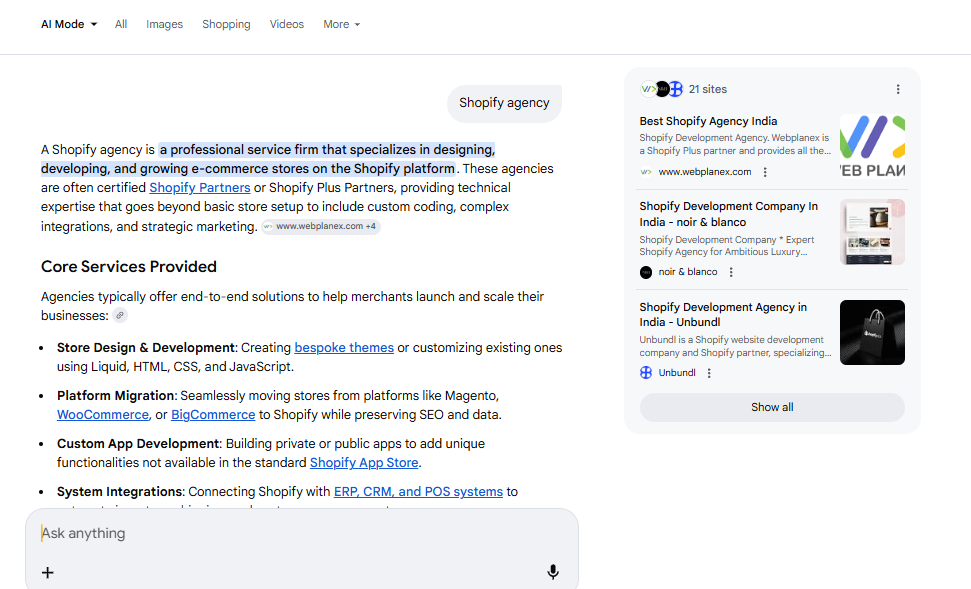
Content marketing kind of complements your ecommerce strategy by educating potential customers before they, you know, purchase.
Publishing articles connected to your products helps answer those customer questions while pulling in long-term search traffic. It’s not just about attention though , it’s more like being useful first, then converting later.
Topics might include buying guides, maintenance tips, comparisons, industry trends, or even frequently asked questions. When the content is valuable it helps your business feel like an authority , and it nudges visitors to trust your recommendations.
Also, well-written content can support stronger SEO performance over time, because Google and users tend to reward clarity and consistency.
Simplify the Checkout Process
Lots of ecommerce stores lose customers during checkout. It happens more than people realize. Lengthy forms, hidden costs, and complicated payment steps often cause abandoned carts. If you simplify checkout you usually improve customer satisfaction while also increasing completed purchases.
Letting people check out as a guest removes barriers for first-time buyers. Providing multiple payment methods gives flexibility, and making shipping costs transparent avoids those unpleasant surprises at the very end.
Every extra step should bring real value, not extra friction that makes someone say “eh, never mind”.
Personalize the Shopping Experience
Customers increasingly expect personalized experiences now, not later. Showing recently viewed products, recommending related items, and using customized promotions helps shoppers find things that actually match their interests.
Email personalization is huge too. Targeted recommendations sent based on previous purchases or browsing behavior can boost engagement in a way generic emails just can’t.
Overall, personalized shopping experiences help build customer relationships while also increasing lifetime value.
Use Email Marketing Effectively
Email marketing is still one of the highest-return digital marketing channels for ecommerce businesses.
Instead of sending generic promotional messages, create campaigns that deliver genuine value. Welcome emails, abandoned cart reminders, product recommendations, exclusive discounts, and seasonal offers help you stay engaged across the entire buying journey.
When your communication stays consistent, it encourages repeat purchases and strengthens brand loyalty.
Leverage Social Proof
Modern consumers often research products before they buy. Like, a lot. Showing authentic customer reviews, ratings, user-generated content, and testimonials provides reassurance when shoppers are deciding.
If you feature real customer experiences it can highlight product quality and increase trust for new visitors. Social media marketing works even better when it’s integrated naturally on product pages instead of being treated like a separate testimonials page that nobody visits.
Encourage Higher Order Values
Boosting average order value often brings more profit than only acquiring more customers. Suggesting complementary products, recommending premium alternatives, and creating attractive product bundles can encourage shoppers to add more items.
Just make sure these suggestions stay relevant and genuinely helpful, not overly aggressive like the site is trying to push too hard. When done thoughtfully, upselling can improve customer satisfaction while also growing business revenue.
Monitor Store Performance
A successful Shopify expert doesn’t just “set it and forget it”. It needs continuous improvement. Regularly reviewing analytics helps spot opportunities for optimization. Metrics like conversion rate, average order value, bounce rate, customer acquisition cost, and cart abandonment give insights into how customers actually behave.
Running tests for different headlines, product layouts, pricing strategies, and promotional offers helps businesses make decisions based on real customer data.
The best ecommerce brands treat optimization as an ongoing process, not a one-time project.
Partner with Shopify Experts
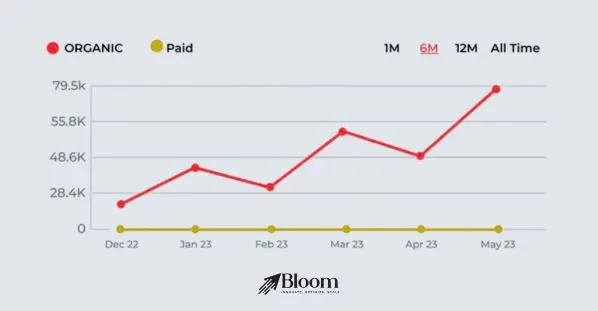
Building a profitable ecommerce business takes technical knowledge, strategic thinking, and continuous optimization. Working with experienced professionals helps you avoid costly mistakes while applying industry best practices from the beginning.
Bloom Agency specializes in building Shopify stores that mix outstanding design with strong performance and effective digital marketing strategies. Whether you need a brand-new ecommerce website or you want to upgrade an existing store, our team delivers tailored solutions built around your business goals.
Our Shopify Development Services focus on creating fast, secure, conversion-driven online stores so businesses can compete in today’s digital marketplace. From custom development and performance optimization to SEO implementation and ongoing support, Bloom Agency provides end-to-end solutions that support long-term ecommerce success.
Conclusion
Designing a high-converting Shopify store means more than picking an attractive theme.It requires a real understanding of customer behavior, user experience, website performance, search engine optimization, and ecommerce strategy. Every piece of your store should work together to create a smooth shopping experience that builds trust and drives purchases.
As competition keeps growing, businesses that invest in quality design and continuous optimization typically see stronger conversion rates, higher customer satisfaction, and sustainable revenue growth.
A professionally developed Shopify store becomes more than just an online shop—it becomes one of your most valuable business assets. If you’re ready to transform your ecommerce business with a Shopify store built for performance, Bloom Agency can help you create a solution that attracts visitors, converts customers, and supports long-term success.

Neetu Wadhwa is the Director of Bloom Agency, a Mumbai-based full-service digital marketing and web development company. With a strong focus on performance, innovation, and strategy, she leads the agency in delivering SEO, web design, and growth marketing solutions that drive measurable business outcomes.






Rahul M.
B2B Service Provider