
Search behavior is changing pretty fast. Like for years businesses pretty much focused on Google only, trying to reach potential customers through organic rankings, paid ads, local listings, and all that content marketing stuff. But now people have this other strong route to find what they need: conversational AI.
More and more, users are asking AI tools questions that they would have typed into a search engine before. Instead of having to open a bunch of websites, compare everything on their own, they can just ask a chat style platform to break down a topic, contrast different providers, suggest a service, or basically help them reach a buying decision.
And that leads to a key, not so simple question for brands: should you optimize for Google Search or ChatGPT, like which one actually matters more?
The answer is both.
Google and AI-powered search platforms serve different purposes, but they often influence the same customer journey. Google can help someone discover a business, while an AI platform may help that person compare choices. A strong digital strategy therefore needs to account for traditional search visibility as well as emerging AI discovery.
For businesses investing in SEO, content, and digital marketing, the goal should not be to replace one channel with another. Instead, brands should build a strong search foundation and then expand their visibility across conversational search environments.
Google Search and ChatGPT Serve Different User Behaviors
Google Search has tradionally worked like a discovery platform. A person types a query, gets a results page, and then decides what websites, businesses, products, videos, or other resources to check out.
For example, if someone is looking for an SEO agency in Mumbai, they might scan a few companies, open their sites, skim reviews, compare services, and later reach out to one provider.
ChatGPT handles that same kind of research a bit different. A user might ask, “What should I look for when choosing an SEO agency in Mumbai?” Then they can keep going with follow ups about pricing, services, track record, niche industries, or even about specific agencies.
The key difference is the amount of legwork the user does vs what the platform does. Google shows choices that the user can investigate. Conversational AI can condense the information, and assist people with judging which option fits best.
This doesn’t mean Google becomes unimportant. Strong traditional SEO still forms the base of online discoverability. Still, businesses now have another layer of exposure to think about, and plan around.
How Traditional Google SEO Works
Google uses numerous systems to discover, understand, index, and rank web pages. While search algorithms continue to evolve, fundamental SEO principles remain important.
A website needs to be technically accessible so search engines can crawl its pages. Important content should be indexable, logically organized, useful, relevant, and supported by a strong internal linking structure.
Search intent is equally important.
A page created around the keyword “SEO services” should not simply repeat that phrase throughout the content. It should answer the questions a person interested in SEO services is likely to have.
- What services are included?
- Who needs them?
- How does SEO work?
- How long can results take?
- What should businesses consider when selecting an agency?
Content that addresses these questions provides greater value than content created primarily to manipulate rankings.
Technical SEO also remains essential. Website speed, mobile usability, redirects, canonicalization, structured data, crawlability, XML sitemaps, internal links, and site architecture all contribute to a stronger search foundation.
This foundation matters not only for traditional rankings but also for newer AI-powered search experiences.
Why Google Rankings Still Matter
The rise of AI search doesn’t really mean brands have to just bail on Google or anything. Google is still doing a lot of heavy lifting in product research, local searches, informational questions, service discovery, and yes business navigation. A bunch of users still kick off their thinking with a pretty traditional search, then they bounce through websites, reviews, maps, images, videos, and other snippets to decide what to do next.
Also, having a solid Google presence adds digital signals, which can in turn help broader brand discoverability show up. Think about a company that keeps posting genuinely helpful content, picks up relevant links, gets solid positive reviews, shows up in industry publications, and keeps its business details accurate. Over time its digital footprint becomes way stronger than a company that only has a basic website.
So, in other words, “traditional SEO” should be treated like infrastructure. Not like some outdated marketing move, that you quietly stop using and ignore.
What Makes AI Search Different?
AI search kinda changes the whole way we consume information, honestly.
Instead of putting out ten blue links, then asking the user to dig through them one by one, conversational systems can take a question, and then sort of process it and give back a synthesized reply.
For example, a person might ask “Which type of website is best for a B2B SaaS company?”
Then the system may stitch together info from several online sources, and also lay out the benefits and drawbacks of different choices, even if those options are kind of diverse.
So, brands aren’t only fighting to win a spot on a results page anymore. It’s more like they compete to become part of the information that’s used to craft the final answer.
And yeah, that also opens up a new visibility avenue.
A company can be mentioned in an AI generated recommendation, included in a comparison, referenced as a credible source, or even discussed as a practical case within a particular industry.
But AI visibility is not automatic, just because a website is ranking highly on Google.
Why a High Google Ranking Does Not Guarantee AI Visibility
Search engines an AI systems don’t always pick up, or select, info the same way. A business can do really well on an important keyword, yet still get low visibility in chatty, conversational answers. I mean one reason is that AI systems might pull in a wider set of materials when they craft the response.
Also, third-party mentions can really matter, kind of a lot. Like say a company already has a solid website, but outside its own domain there’s basically nothing else—no real outside noise. Then another company might look just as solid on-page, but it’s also referenced by industry publications, review platforms, business directories, professional communities, and other credible websites.
So that second company, well it may end up with a stronger overall digital footprint. That’s why brands should think past only their own website space when they’re building an AI focused visibility strategy, not just chase rankings.
Build Content That Answers Questions Clearly
One of the most practical ways to improve content for AI discovery is to make information easy to understand.
A page should not force readers or machines to search through several paragraphs before finding the main answer.
Start sections with a clear explanation and then provide supporting details.
For example, if a page answers “What is technical SEO?”, the first paragraph should provide a direct definition. The following sections can explain crawling, indexing, structured data, site speed, internal linking, and other technical elements.
This structure benefits both people and search systems.
Clear headings also help organize information. Instead of using vague headings, businesses can frame sections around genuine customer questions.
For example:
- What Is Technical SEO?
- Why Does Website Speed Matter?
- How Does Schema Markup Help Search Engines?
- How Can Businesses Improve Crawlability?
Such organization makes long-form content easier to navigate and easier to interpret.
Create Content Around Decision-Making
Traditional SEO often focuses heavily on keywords and search volume. Those factors remain useful, but AI-driven discovery creates an opportunity to target deeper decision-making questions.
Users may ask AI tools:
- Which agency is suitable for a small business?
- What is the difference between SEO and PPC?
- Which platform is better for an ecommerce website?
- What should a company include in an SEO package?
- How much does professional SEO typically cost?
- What are the advantages and disadvantages of different solutions?
- These are not always simple keyword searches. They represent research and evaluation.
- Brands should therefore create content that supports those decisions.
Comparison guides, service explainers, pricing information, FAQs, case studies, industry guides, alternatives pages, and pros-and-cons articles can all contribute to a stronger content ecosystem.
Develop Original and Trustworthy Information
AI systems really need solid information to come up with answers that are actually useful and not just, kinda vague. In practice, a business can build its digital credibility by putting out original material, rather than leaning only on the same generic stuff everyone else repeats.
First-party data is especially valuable in this whole picture, because it comes from where the company itself is active. A company can share original research, customer perspectives, surveys, real industry numbers, case studies, thoughtful expert commentary, plus practical lessons drawn from ongoing projects.
For instance, an SEO agency might publish an examination of frequent technical issues it spots across ecommerce sites. And a web development company could run a study that compares website performance before versus after a set of technical upgrades.
When the information is original, a website gets something truly distinctive to offer. It can also encourage citations, references, inbound links, and even deeper discussions on other sites, which is not minor at all.
Technical Accessibility Comes First
No AI visibility strategy can compensate for a website that is difficult for crawlers to access.
Businesses should review their technical infrastructure before focusing heavily on AI-specific optimization.
Important areas include crawlability, indexability, robots.txt configuration, XML sitemaps, JavaScript rendering, page speed, mobile usability, redirects, canonical tags, and server performance.
Businesses should also understand how their policies affect AI crawlers and review the documentation associated with the AI platforms they want to be discoverable through.
Important information should not be unnecessarily hidden behind complicated interfaces or inaccessible page elements.
The principle is straightforward: if important information cannot be accessed and understood, it becomes much harder for search systems or AI platforms to use it.
Use Structured Data to Clarify Your Business
Structured data can help search engines understand important information about a website.
Businesses can use appropriate schema markup to describe entities such as organizations, products, services, locations, articles, events, and other relevant information.
Schema should not be viewed as a shortcut to rankings or AI recommendations. Instead, it provides additional context.
For example, a company website should clearly communicate what the organization does, which services it offers, where it operates, and how different pages relate to the broader business.
This semantic clarity becomes increasingly useful as search moves toward entity-based understanding rather than simple keyword matching.
Build Authority Beyond Your Website
A company’s reputation should not exist only on its own website.
Third-party validation can strengthen brand credibility.
Businesses should consider relevant industry directories, publications, reviews, professional associations, interviews, digital PR opportunities, partnerships, and other legitimate external references.
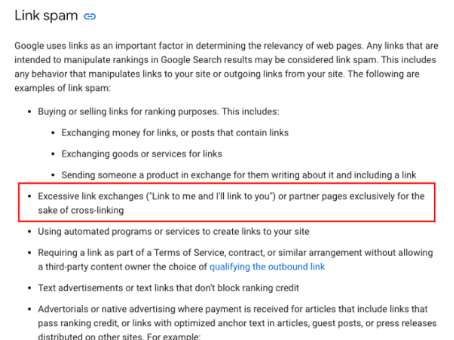
This does not mean acquiring random links or publishing the same promotional message everywhere.
Quality matters more than quantity.
The objective is to create a genuine digital footprint where different reputable sources independently recognize the company, its expertise, products, or services.
This approach supports traditional SEO while also creating more information for AI systems to evaluate.
Think Beyond Exact-Match Keywords
Traditional SEO often begins with keyword research. Keywords remain important, but conversational search requires a broader understanding of language.
Users may express the same need in dozens of different ways.
Someone looking for SEO services might ask:
“How can I increase organic traffic?”
“Why isn’t my website ranking?”
“Who can improve my Google visibility?”
“What does an SEO agency actually do?”
“What should I include in an SEO strategy?”
These questions may represent different stages of the same customer journey.
Brands should build topic clusters that address the broader subject rather than creating dozens of thin pages targeting minor keyword variations.
A well-developed content ecosystem can demonstrate expertise across an entire topic.
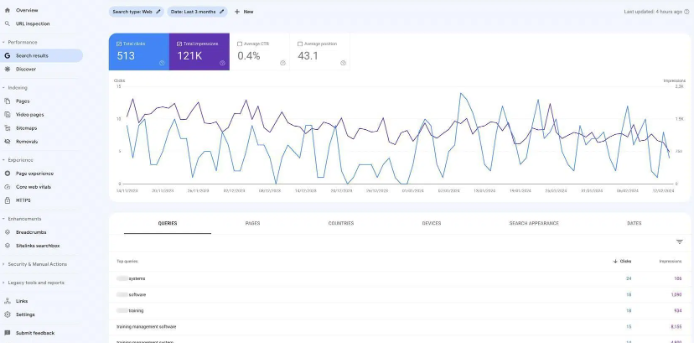
Measure More Than Rankings
Traditional AI SEO services reporting often focuses on rankings, impressions, organic sessions, click-through rates, leads, and conversions.
These metrics remain important.
However, AI search introduces additional visibility indicators.
Businesses may want to monitor how often their brand is mentioned in AI-generated responses, whether their website is cited, which topics produce mentions, whether AI referrals are increasing, and what types of content appear to influence those mentions.
AI-generated results can also vary between prompts, locations, contexts, and conversations.
Therefore, brands should avoid treating AI visibility as a fixed ranking position.
Instead, the goal should be broader authority and consistent representation across relevant topics.
Google SEO and AI SEO Should Work Together
The biggest mistake a brand can make is treating traditional SEO and AI search optimization as competing strategies.
They are better understood as connected layers.
Traditional SEO provides the foundation.
Technical accessibility makes content discoverable. Strong site architecture helps search engines understand relationships between pages. Helpful content establishes topical relevance. Links and mentions contribute to authority.
AI-focused optimization builds on that foundation by making information easier to extract, understand, summarize, compare, and reference.
This means a business does not need two completely separate websites or two disconnected marketing strategies.
Instead, it needs a unified search strategy.
How Bloom Agency Can Help Businesses Adapt
The search landscape is becoming more complex, but the fundamentals remain clear: businesses need useful content, technical accessibility, strong authority, and a clear understanding of customer intent.
At Bloom Agency, SEO can be approached as a long-term growth strategy rather than simply a keyword-ranking exercise.
A comprehensive approach can combine technical SEO, content development, keyword research, on-page optimization, link building, local visibility, website performance, and emerging AI-focused search strategies.
For businesses preparing for the next stage of search, the focus should be on becoming a trusted source of information.
That means answering customer questions clearly, publishing genuinely useful resources, demonstrating expertise, maintaining a technically strong website, and building credibility across the wider web.
The Future Is Search Everywhere
The debate over ChatGPT versus Google Search is likely to become less important as users move between multiple discovery platforms.
Someone may discover a company through Google, research its services through an AI assistant, check reviews on another platform, visit the website directly, and finally make a purchase after several digital interactions.
The customer journey is becoming more fragmented.
Brands therefore need to be visible wherever meaningful decisions happen.
Google remains essential for traditional discovery, website traffic, local search, and commercial intent. Conversational AI adds another layer by helping users understand information, compare alternatives, and make decisions.
The strongest strategy is not to choose one.
It is to build a digital presence strong enough to work across both.
Final Thoughts
ChatGPT and Google Search might hand out information in very different ways, but in the end they both lean on credible, accessible, and genuinely useful information. Google, kinda rewards those websites that have solid technical foundations, the right relevance, real authority, and also valuable user experiences, even if you do not see it directly. Then AI search shows up with another opening, like you can become that source people can understand, summarize, cite, and recommend inside a chat style answer.
So businesses really should keep pushing traditional SEO, but also tweak their content and digital authority so it fits AI powered discovery too. Honestly the next chapter of search wont belong just to Google or ChatGPT alone. It will belong to brands that get how people actually search, research, compare, and decide, across this ever more connected digital space.
The smartest move today is still to build a strong SEO base, and treat it like a launchpad… for broader AI visibility tomorrow.
Frequently Asked Questions About ChatGPT and Google Search
Is Google Search still important for businesses in the age of ChatGPT?
Yes. Google Search remains an important source of website traffic, brand discovery, local searches, product research, and customer acquisition. Businesses should continue investing in technical SEO, helpful content, site architecture, backlinks, and user experience while also adapting their strategies for AI-powered search.
What is the main difference between ChatGPT and Google Search?
Google Search primarily helps users discover and navigate through websites, businesses, products, and other online resources. ChatGPT provides conversational responses that can summarize information, compare options, and help users evaluate different solutions. Brands should therefore optimize for both discovery and decision-making.
Does ranking on Google guarantee visibility in ChatGPT?
No. A high Google ranking does not automatically guarantee that a brand will be mentioned or cited in an AI-generated response. AI platforms may evaluate information from multiple sources, including websites, publications, directories, reviews, and other online references. Building a broad and credible digital presence can improve a brand’s chances of being discovered in AI search.
How can businesses optimize their websites for AI search?
Businesses can make their websites easier for AI systems to understand by creating clear, useful, well-structured content. Direct answers, logical headings, comparison pages, FAQs, original research, case studies, structured data, and accessible website content can all contribute to better machine understanding. Technical SEO should remain the foundation of the strategy.
What is answer-first content?
Answer-first content provides a clear response to a user’s question near the beginning of a section before expanding into supporting information. Instead of making readers search through several paragraphs for the answer, the page presents the key information first and then provides examples, explanations, statistics, or additional details.
Does traditional SEO still matter for AI search?
Yes. Traditional SEO provides many of the technical and content foundations required for broader search visibility. Crawlability, indexability, website performance, internal linking, structured data, relevant content, and authority remain important. AI search optimization should generally build on these foundations rather than replace them.
Why are comparison articles useful for AI search visibility?
Users frequently use conversational platforms to compare products, services, companies, technologies, and solutions. Detailed comparison articles can address this decision-making intent by presenting features, benefits, limitations, use cases, pricing considerations, and other relevant information. Well-structured comparison content can also make it easier for search systems to understand the differences between options.
How important are third-party mentions for AI visibility?
Third-party mentions can contribute to a brand’s overall online authority and credibility. Relevant industry publications, reviews, business directories, professional websites, interviews, and other trusted sources can provide independent references to a company. Businesses should focus on earning genuine, relevant mentions rather than creating large numbers of low-quality references.
What role does structured data play in SEO and AI search?
Structured data helps search engines interpret important information about a website and its entities. Depending on the business and page type, appropriate schema can provide additional context about an organization, product, service, article, location, or other information. It should complement high-quality content and technical SEO rather than be treated as a standalone ranking solution.
Should businesses create separate content for Google and ChatGPT?
In most cases, businesses do not need completely separate content strategies. A strong piece of content can serve both traditional search and AI discovery when it is technically accessible, useful, clearly structured, authoritative, and written around genuine user intent. Businesses can improve existing content by adding direct answers, comparison information, FAQs, original insights, and clearer organization.
What should businesses measure for AI search?
Traditional SEO metrics such as organic traffic, rankings, impressions, click-through rates, leads, and conversions remain important. For AI search, businesses can also monitor brand mentions, citations, referrals from AI platforms, inclusion in relevant recommendations, and visibility across important conversational queries. Because AI responses can vary, AI visibility should be evaluated as a broader trend rather than a fixed ranking.
Can small businesses benefit from AI search optimization?
Yes. Small businesses can benefit by establishing clear expertise within a specific niche. Creating detailed service pages, answering customer questions, publishing useful guides, maintaining accurate business information, collecting legitimate reviews, and earning relevant industry mentions can help build a stronger digital footprint. A focused niche strategy can be particularly valuable for smaller companies competing against larger brands.
What type of content works well for conversational search?
Content that directly addresses real customer questions can be particularly useful. Examples include detailed guides, FAQs, comparisons, product explainers, service pages, pricing guides, case studies, how-to resources, industry reports, and expert commentary. The content should provide genuine value rather than simply repeating keywords.
How does user intent differ between Google and ChatGPT?
Google users may search for a website, product, service, location, answer, or resource and then explore multiple results. ChatGPT users may ask a longer question and continue with follow-up prompts to refine the answer. This means businesses should create content that supports different stages of research, from initial discovery to comparison and final decision-making.
What is the best SEO strategy for the future of search?
The strongest strategy is likely to combine traditional SEO with AI-focused optimization. Businesses should maintain strong technical foundations, create people-first content, develop topical authority, build legitimate digital relationships, strengthen their brand presence, and make information easy for search systems to understand. Rather than choosing between Google and AI search, brands should build visibility across the wider search ecosystem.

Neetu Wadhwa is the Director of Bloom Agency, a Mumbai-based full-service digital marketing and web development company. With a strong focus on performance, innovation, and strategy, she leads the agency in delivering SEO, web design, and growth marketing solutions that drive measurable business outcomes.





Rahul M.
B2B Service Provider