
Search is changing, like, way faster than people expect. Instead of only using classic search engines to find businesses, compare services, or figure out who to contact, people are leaning on AI-powered platforms. These platforms can answer questions right away, summarize stuff from multiple sources, compare businesses, and suggest options based on the situation, not just a single query.
That means businesses are facing a new kinda problem. Ranking for one keyword can’t be the whole game anymore. A business needs to be understood, like really understood, so AI systems can spot what it does, where it operates, who it serves, and why it might matter for a specific search.
This is where AI SEO starts to matter. Rather than only thinking about rankings, AI SEO also looks at how a brand shows up everywhere, across its website, business listings, reviews, directories, articles, publications, social channels, and other trusted places.
What Does an AI Platform Need to Understand?
Before an AI platform can recommend a business, it needs enough accurate clues to understand it in the right way. Usually that means basics like the company name , services, location , industry, target audience, areas served, plus any specialization it claims.
For example, a company might say it is a digital marketing agency, but external sources may call it an SEO company, a web development firm, or even an advertising agency. None of this is always “wrong” but the mix can be, kind of, inconsistent. And that inconsistency can make it harder for automated systems to build a clear picture.
A strong online presence helps connect those different descriptions. When the website and trusted external sources match up , AI systems have better context to evaluate the business.
Why the Website Still Matters
AI search growing does not mean a business website is suddenly less important. For many companies, the website is still one of the best sources for detailed, direct information.
A solid website structure gives search systems access to more complete details about services, industries, locations, expertise, team members, case studies, frequently asked questions, and company background. It also adds context a short business listing simply can’t.
Also, you don’t want a website stuffed with keywords. The site should explain the business naturally, and in a complete way. Service pages should lay out what’s offered, who it’s for, how it works, and what makes the company different, not just repeat the same phrasing.
An AI system should be able to “visit” the website and quickly understand how the business relates to its services, its expertise, and its customers.
Entity Consistency Across the Web
AI platforms usually don’t depend on just one website. A lot of signals can come from many spots online.
A company’s website, business profiles, directories, review sites, social media pages, industry publications, news articles, partner websites, and other mentions all shape its online identity.
So consistency is key.
If the company name, address, phone number, service descriptions, and business category shift a lot between major sources, the business can become harder to identify accurately. Small formatting differences might not matter as much, but meaningful inconsistencies should be fixed wherever possible.
Businesses should keep checking their important online profiles, especially the core information, to make sure it stays correct. This is extra important for local companies that rely on map based discovery and location oriented searches.
Structured Data Helps AI Interpret Business Information
Search engines have always needed help understanding web pages. Structured data adds even more context, because it describes information in a machine readable format.
For a business website, structured data can help communicate details about the organization, local business signals, services, products, reviews, locations, and other relevant entities.
Structured data is not some magic shortcut to AI visibility. It can’t replace useful content, a strong reputation, or accurate business information. But when it’s implemented well, it can make important info easier for AI and search systems to interpret.
Because of that, the technical foundation still matters for AI SEO. Clean site architecture, crawlable pages, sensible internal linking, appropriate schema, fast loading times, and mobile friendly usability all help build a stronger digital presence.
Reviews Are More Than Star Ratings
Customer reviews are another big part of how businesses get represented online. Reviews add real-world language about experiences, and they often include details the business doesn’t mention on its own pages.
People might talk about particular services, locations, the problems they needed solved, how the staff behaved, turnaround times, or product qualities. These natural descriptions give more context around the business.
A company with a bigger set of genuine reviews can end up with a richer external representation than a company whose online footprint is mostly promotional content.
Reviews should never be treated like only a numbers game. Authentic feedback, consistent customer experiences, and a real reputation management process are more valuable than just trying to collect lots of generic reviews.
Why Review Recency Matters
Online reputation is not frozen in time. A business that had great reviews years ago may have changed its services, team, location, pricing, or overall customer experience since then.
Recent reviews are more likely to show what the business is like right now.
esponding to Reviews Builds Context
Review management should not stop after receiving feedback. Thoughtful responses can also contribute to a company’s online reputation.
A useful response acknowledges the customer’s experience and, where appropriate, provides additional context. For positive reviews, businesses can thank customers and refer naturally to the service they used. For negative reviews, a professional response can demonstrate accountability and a willingness to resolve concerns.
The objective is not to insert keywords into every response. Artificially optimized review replies can appear unnatural. The better approach is to communicate like a real business speaking with a real customer.
Over time, these interactions can create a more complete picture of how a business operates and engages with its audience.
Third-Party Mentions and Brand Authority
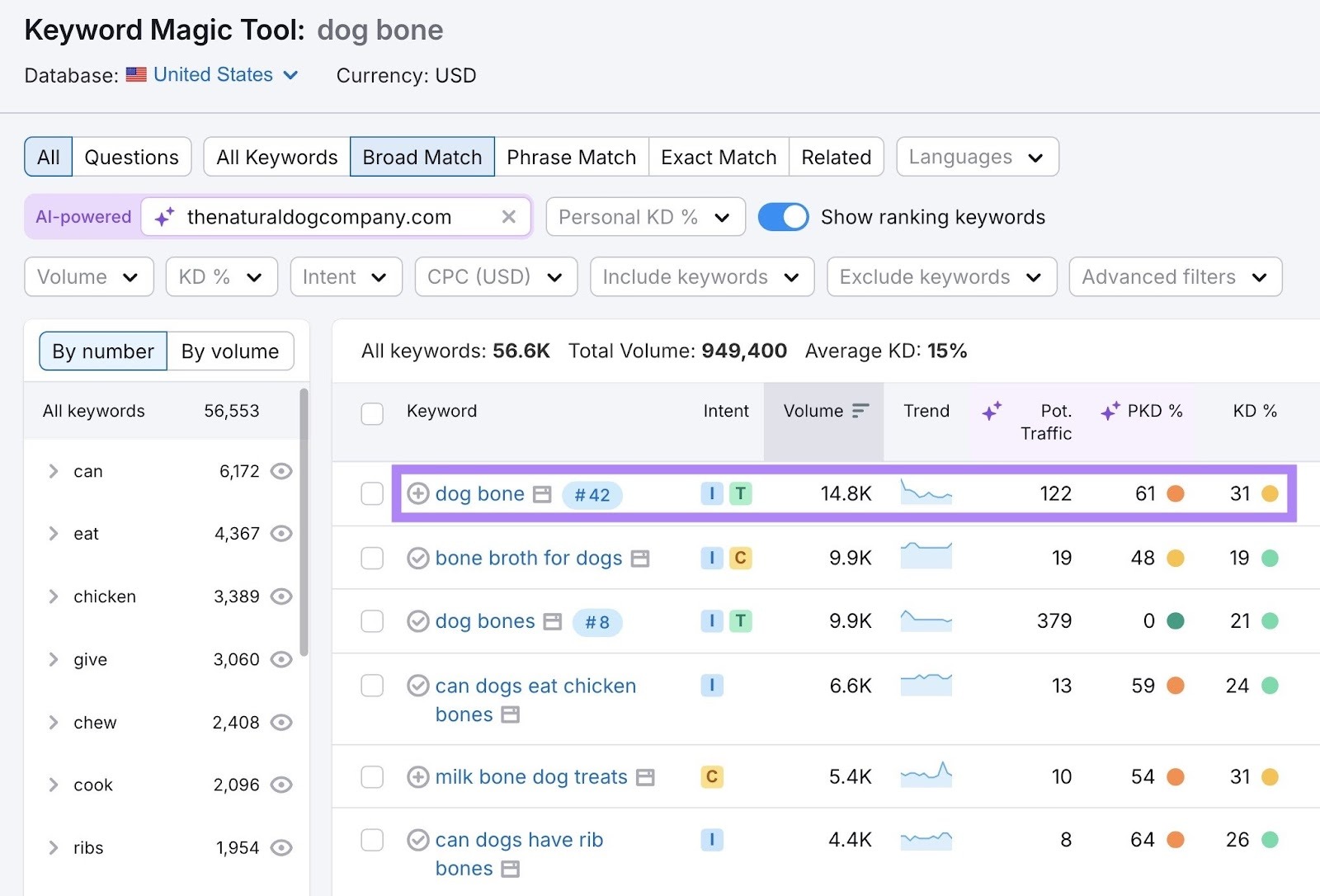
A business talking about itself is only one part of its online reputation. Information published by independent websites can provide additional credibility and context.
Industry publications, news websites, professional organizations, local publications, partner websites, business directories, interviews, and relevant blogs can all contribute to a brand’s digital footprint.
When reputable sources mention a company in connection with its area of expertise, the business gains another layer of external validation.
This does not mean every mention is equally valuable. Random directory listings or low-quality articles created only for backlinks may have limited impact. Relevant and trustworthy references are generally more useful because they provide meaningful context around the company.
A business that wants to improve AI visibility should therefore think beyond link building. The broader objective is to develop a recognizable and credible presence across relevant parts of the web.
Semantic Relevance Is More Important Than Keyword Repetition
Traditional SEO often involved targeting specific keywords. Keywords are still useful, but AI search changes the way relevance should be approached.
People ask AI platforms complete questions rather than entering short phrases. They may ask which agency is suitable for a particular industry, which service is best for a certain business problem, or which companies operate in a particular city.
A business therefore needs content that covers concepts and relationships, not just repeated phrases.
For example, an SEO agency serving healthcare businesses should discuss healthcare SEO, patient-focused search behavior, local visibility, medical content, technical SEO, reputation, compliance considerations, and relevant search journeys where appropriate.
This creates semantic depth around the subject. AI systems can better understand the relationship between the company and the topics it discusses.
Build Topic Depth, Not Just Individual Pages
One service page is rarely enough to establish strong topical relevance.
A company can strengthen its online authority by creating useful supporting content around its main services. A core service page can be supported by educational articles, FAQs, industry-specific pages, case studies, guides, comparison content, and practical explanations.
The content should answer real questions that customers have before making a decision.
Internal links can then connect these related resources, creating a clear information structure. This allows visitors and search systems to move from broad topics to specific services and supporting information.
The objective is not to publish content simply because a keyword has search volume. Every page should have a clear purpose and contribute something useful to the overall subject.
Geographic Relevance Still Matters
For businesses serving specific locations, geography remains important.
A company operating in Mumbai, for example, should make it clear that it serves Mumbai if that is genuinely part of its business model. Relevant location pages, business profiles, local references, customer reviews, and geographically relevant content can reinforce this connection.
However, location optimization should remain natural. Creating dozens of nearly identical city pages with little unique value can weaken the quality of a website.
A stronger approach is to explain the company’s actual experience in each market. Local case studies, area-specific customer questions, service information, and genuine regional expertise can create much stronger geographic context.
Different AI Platforms Use Different Information
There is no single AI search system that works exactly like every other platform.
Different platforms may rely on different combinations of web content, search indexes, databases, business information, user context, and other sources. As these systems continue developing, the way they retrieve and evaluate information can also change.
This means businesses should avoid building their entire AI strategy around one platform.
A stronger long-term approach is to maintain a broad and accurate digital presence. The website should be strong, business information should be consistent, reviews should be authentic, external mentions should be relevant, and content should demonstrate genuine expertise.
This creates a foundation that can support visibility across multiple discovery systems.
AI Visibility Requires Ongoing Monitoring
AI search optimization is not a one-time activity.
A company can improve its website today and still find that its visibility changes as AI platforms update their systems, competitors publish new information, customer reviews change, or the company’s own services evolve.
Regular monitoring can reveal how a brand appears when people ask relevant questions.
Businesses can test searches around their main services, locations, industries, competitors, and customer problems. They can then compare the information presented by AI platforms with the information available on their own website and external profiles.
If an AI system repeatedly misunderstands a service or associates the business with an outdated location, that may indicate an information-consistency problem that needs attention.
How to Audit AI Search Visibility
An AI visibility audit should begin with the questions customers are most likely to ask.
Instead of checking only the company’s brand name, businesses should examine broader queries. Someone looking for an SEO company may not mention a particular agency. They may ask which SEO companies serve their city, which agency specializes in ecommerce, or which provider is suitable for a growing B2B company.
These are the types of discovery journeys businesses should understand.
The next step is to compare the answers with the company’s actual positioning. If the business specializes in ecommerce SEO but AI platforms rarely associate it with ecommerce, the company may need stronger topical and external signals around that specialization.
The same process can be applied to services, locations, industries, and competitive positioning.
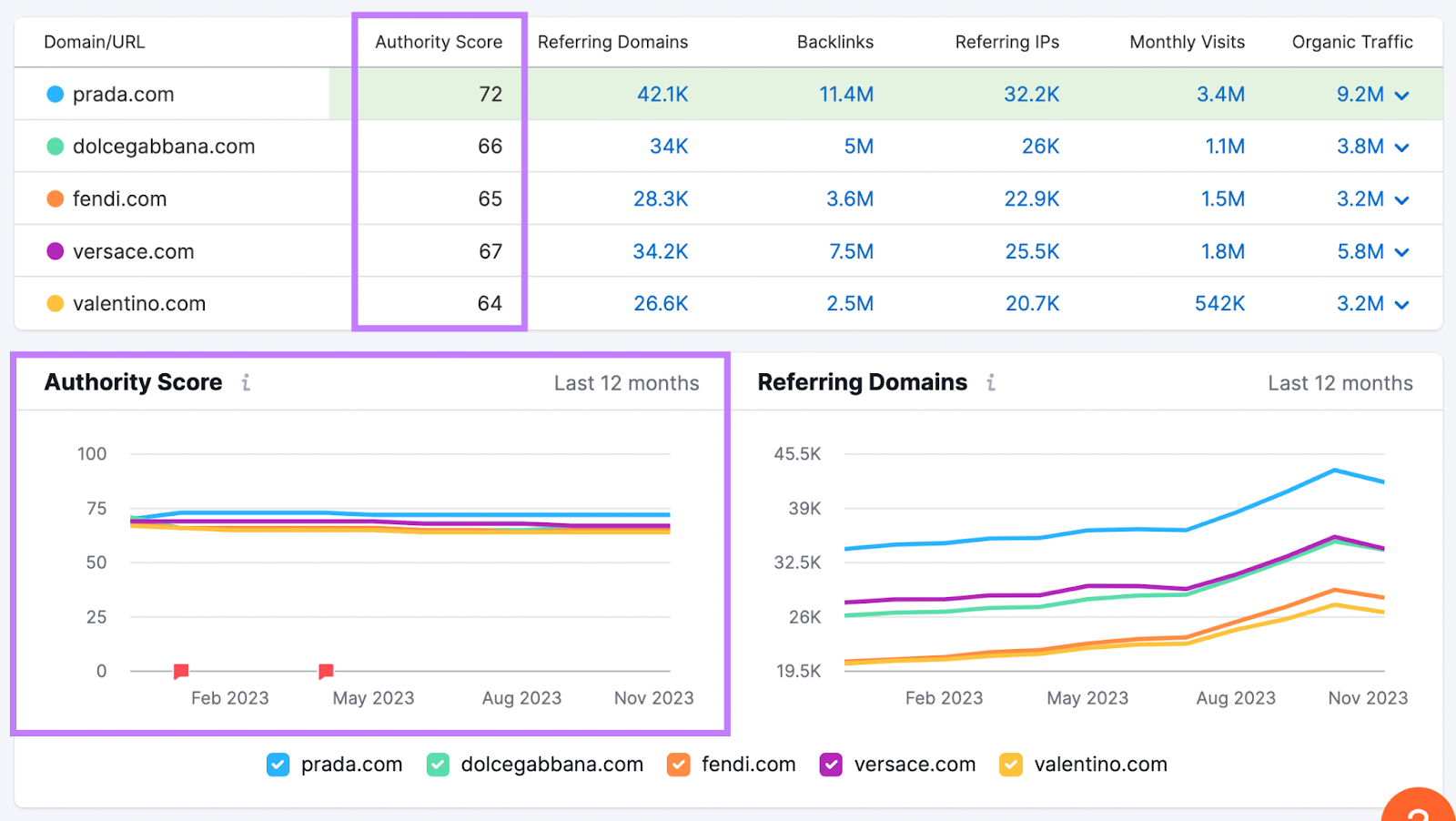
Compare Your Brand With Competitors
AI visibility should also be viewed competitively.
A business may have excellent content but still be less visible than competitors because those competitors have stronger reviews, more external mentions, better-known expertise, clearer service positioning, or a more established digital footprint.
Comparing the online presence of several competitors can reveal these gaps.
For example, one competitor may have detailed industry pages, another may have extensive customer reviews, while another may receive frequent mentions in industry publications. Understanding these differences helps businesses identify areas where their own digital presence can improve.
The purpose of competitor analysis is not to copy another company’s content. It is to understand what information, authority, and reputation signals are helping competitors become more visible.
What Businesses Should Not Obsess Over
AI SEO can become confusing when businesses focus too heavily on individual ranking tricks.
There is no need to create unnatural content simply to satisfy an imagined AI algorithm. Businesses should not fill pages with repetitive keywords, create fake reviews, publish meaningless articles, or chase every new AI-related tactic they see online.
The fundamentals remain important.
A clear business identity, useful website content, accurate information, genuine customer experiences, technical accessibility, relevant external references, and demonstrated expertise provide a much stronger foundation than short-term optimization tricks.
AI platforms are designed to provide useful answers to users. Businesses that consistently provide trustworthy and relevant information are better positioned for this environment.
AI SEO and Traditional SEO Work Together
AI SEO should not be treated as a replacement for traditional SEO.
Technical SEO, keyword research, content optimization, internal linking, backlinks, local SEO, website performance, and conversion optimization continue to matter.
The difference is that businesses now need to think beyond the traditional search results page.
A user might discover a business through Google today, an AI assistant tomorrow, a map application later, and a recommendation generated from several online sources after that. These experiences are connected by the business’s overall digital presence.
Strong traditional SEO helps create the foundation. AI SEO services expand that foundation by focusing on how information is understood, connected, and presented across AI-driven discovery experiences.
How Major AI Platforms Evaluate Business Information
Different AI search platforms rely on different combinations of search indexes, business databases, websites, reviews, directories, and third-party sources. Understanding these differences can help businesses build a more effective SEO services.
ChatGPT
ChatGPT can use information from web search, business websites, online directories, reviews, and other publicly available sources when answering questions about businesses. This means a company’s own website is important, but it is only one part of its overall digital presence.
For local businesses, information from business directories and review platforms can provide additional context about location, services, customer experiences, and business categories. Consistent information across these sources makes it easier for AI systems to establish that different references belong to the same business.
For businesses targeting visibility in ChatGPT, the focus should therefore be on maintaining accurate business information, publishing useful content, developing a credible review profile, and earning relevant mentions from trustworthy websites.
Google Gemini
Google Gemini operates within Google’s broader ecosystem, giving it access to Google’s search and business information environment. Google Business Profile, Google Maps, websites, reviews, and other Google properties can all contribute to how a business is represented.
This makes local SEO particularly important for businesses that want to appear in location-based recommendations. Accurate business categories, operating hours, service information, photos, reviews, and location details can all contribute to a stronger business presence.
A business should also ensure that its website provides clear information that supports what appears on its Google profiles. When the website and Google properties communicate consistent information, the business becomes easier to understand as an entity.
Google AI Overviews
Google AI Overviews brings AI-generated answers directly into Google Search. Because it operates within Google’s search ecosystem, traditional SEO remains highly relevant, but businesses also need to consider how their content can be selected as supporting information for AI-generated responses.
Clear service pages, authoritative articles, FAQs, original research, local information, and well-structured content can help search systems understand a website’s expertise.
Google Business Profile and Maps information are especially important for local businesses. Reviews, business categories, location information, and customer-generated content can provide additional context when users are looking for nearby services.
Freshness can also matter for subjects where information changes frequently. Businesses should therefore review important pages periodically and update outdated information rather than allowing core content to become stale.
Google AI Mode
Google AI Mode provides a more conversational search experience, allowing users to ask detailed questions and explore topics through follow-up queries.
This changes the type of content businesses should create. A single keyword-focused service page may not answer every question a potential customer could ask. Instead, businesses can build connected content covering services, use cases, costs, processes, comparisons, common concerns, and industry-specific questions.
Traditional organic rankings remain valuable, but appearing in standard search results does not automatically guarantee visibility in every AI-generated response. Businesses should therefore focus on creating content that directly satisfies search intent and provides enough context for complex questions.
Perplexity
Perplexity places strong emphasis on web-based research and cited information. When users ask for recommendations or comparisons, the platform can draw information from websites, publications, directories, review platforms, and other online sources.
This makes third-party authority particularly valuable. A company should not rely entirely on self-published promotional content. Relevant industry publications, expert articles, local media coverage, professional directories, customer reviews, and independent comparisons can strengthen the broader online footprint of a business.
For brands targeting Perplexity visibility, the objective should be to become a business that other credible sources naturally reference, rather than simply creating more promotional pages about itself.
Bing Copilot
Bing Copilot operates within Microsoft’s search ecosystem and can draw upon Bing’s search index and related business information sources. Bing Places is particularly relevant for businesses seeking local visibility within the Microsoft ecosystem.
Business websites remain important because they provide detailed information about services and expertise. Professional platforms and other Microsoft-connected properties can also contribute additional context where relevant.
For businesses, this reinforces the value of maintaining a consistent presence across major search engines rather than optimizing exclusively for Google business.
Six Signals AI Platforms Can Use to Evaluate Businesses
Although AI platforms use different technologies and information sources, several signals appear repeatedly when businesses are evaluated for recommendations. These signals help AI systems determine whether a business is relevant, credible, identifiable, and suitable for a particular user query.
Signal One: Entity Consistency
Entity consistency refers to how consistently a business is represented across the internet.
The business name, address, phone number, website, services, categories, operating hours, and other important information should be accurate across major platforms. This includes Google Business Profile, Bing Places, Apple Maps, Yelp, relevant directories, social profiles, and the company’s own website.
Consistency helps connect different online references to the same organization. If important information differs substantially between sources, automated systems may have more difficulty determining which information is current or accurate.
Businesses should therefore treat their online profiles as connected parts of one digital identity rather than separate listings.
Signal Two: Review Quality and Engagement
Reviews provide information that businesses cannot completely control themselves. Customers describe their experiences using natural language, often mentioning specific services, locations, staff, products, and outcomes.
AI systems can use this information as additional context when evaluating a business.
The quality and relevance of reviews matter alongside review volume. A large number of old reviews may provide historical credibility, but recent genuine reviews can demonstrate that the business is actively serving customers today.
Responding professionally to reviews can also strengthen reputation management. Businesses should acknowledge positive feedback and address negative experiences constructively rather than treating reviews simply as a source of star ratings.
Signal Three: Structured Data
Structured data helps search systems interpret the information contained on a website. For businesses, relevant schema can communicate details about the organization, services, location, operating hours, ratings, and other entities.
LocalBusiness and Organization markup can help establish the identity of a company, while service-related structured data can provide additional context about what the business offers. Other appropriate schema types may be useful depending on the website’s content and business model.
Structured data should always reflect information that is genuinely present and accurate on the website. It should not be used to add claims that visitors cannot verify from the visible page content.
Signal Four: Semantic Relevance
Semantic relevance is one of the most important concepts in AI search.
AI systems do not simply look for exact keyword matches. They attempt to understand the meaning behind a user’s question and identify information that best satisfies the underlying intent.
For example, a user searching for an SEO agency for an ecommerce business may be looking for information about ecommerce SEO, product-page optimization, technical SEO, category-page visibility, conversion-focused content, and online-store growth.
A page that only repeats the phrase “ecommerce SEO agency” may be less useful than a detailed resource that genuinely explains these related subjects.
Businesses should therefore create content that answers complete questions and demonstrates expertise around the topics associated with their services.
Signal Five: Brand Authority Beyond Google
A business’s authority is not limited to its Google rankings.
Industry publications, professional organizations, local news websites, relevant directories, customer reviews, interviews, partner websites, social profiles, and independent mentions can all contribute to a broader picture of the brand.
The most valuable mentions are generally those that are relevant and credible. A company mentioned by respected websites within its industry can develop stronger authority than a company surrounded by large numbers of unrelated or low-quality references.
This is why modern SEO should consider digital reputation and brand authority alongside conventional link-building activities.
Signal Six: Geographic Relevance
Location still feels like a major factor when people search for local businesses, like it’s obvious but it matters anyway. A company that serves Mumbai, for instance, should keep location details clear and correct across its website, its business profiles, directories too, and also review platforms. And then, adding relevant local content really helps, it sort of shows a connection to the market in a more natural way.
Geographic relevance should be backed by actual information, not by too much location based keyword repetition. Mentions of nearby neighborhoods, the service area, local customer needs, regional projects, and real hands-on local experience can give helpful context without sounding forced.
Also, local mentions from solid news websites, community organizations, professional associations, and regional publications can add extra credibility to the idea that the company belongs in that specific market. This kind of third party signal tends to feel stronger.
For Bloom Agency, this wider approach becomes especially useful when building AI SEO strategies for businesses competing in specific cities or service regions. The point is not only to drop a location onto a webpage, no. The real aim is to create a consistent, credible, recognizable digital identity that AI platforms can interpret properly across many sources, not just one page.
How Bloom Agency Approaches AI SEO
At Bloom Agency, AI SEO can be approached as an extension of strong search strategy rather than as a completely separate discipline.
The process begins with understanding the business, its customers, services, competitors, locations, and commercial goals. From there, the website and broader digital presence can be evaluated to identify gaps in clarity, topical relevance, technical accessibility, reputation, and external visibility.
Content should be created around genuine customer needs. Service pages should communicate clear value, while supporting content should demonstrate expertise and answer questions that potential customers are already asking.
Technical SEO also remains important. Search engines and AI systems need to access and interpret website information efficiently, making site architecture, structured data, page performance, mobile usability, and crawlability valuable components of the strategy.
External signals are considered as well. Relevant mentions, business profiles, customer reviews, local references, and industry relationships can help create a more complete digital identity.
The goal is not simply to make a brand appear in an AI-generated answer. The goal is to build an online presence strong enough that the brand becomes a credible answer when its services are genuinely relevant.
The Future of Business Discovery Is Multi-Source
The future of search is likely to involve multiple sources working together.
People may continue using traditional search engines while also relying on AI assistants, map platforms, social networks, review websites, online communities, and specialized discovery tools.
This means businesses cannot afford to treat their website as an isolated asset.
Every important online reference contributes to the overall perception of the brand. A consistent website, strong reviews, accurate listings, useful content, industry mentions, and positive customer experiences collectively create a stronger digital identity.
As AI becomes more involved in discovery, this interconnected presence is likely to become even more important.
Final Thoughts
AI search is changing how people discover and evaluate businesses. Instead of simply matching keywords with webpages, AI platforms can interpret questions, combine information from multiple sources, and generate recommendations based on context.
Businesses that want to remain visible need to make their information easy to understand, consistent, credible, and relevant.
This starts with a strong website but does not end there. Reviews, business listings, structured data, external mentions, local signals, useful content, technical SEO, and customer experiences all contribute to the broader digital picture.
The most effective AI SEO strategy is therefore not about chasing a single algorithm or finding a shortcut. It is about building a trustworthy online presence that accurately represents the business wherever potential customers may discover it Contact us today.
As search continues to evolve, brands that invest in clarity, authority, relevance, and genuine value will be better positioned to earn visibility across both traditional search and AI-powered discovery.
Frequently Asked Questions
What is AI SEO?
AI SEO is kinda the whole act of making a business easier to grasp online, so AI-powered search platforms can actually understand , judge, and maybe even recommend the business when someone asks a relevant question. In practice it ties together website optimization, structured data, content quality, customer reviews, business information, external mentions , and brand consistency overall.
How is AI SEO different from traditional SEO?
Traditional SEO mostly aims at getting better visibility in regular search results, but AI SEO also thinks about how AI systems interpret, summarize, and describe a business. They share the same base stuff—technical SEO, helpful content, authority, relevance, and a solid website layout, you know that kind of foundation.
Why are reviews important for AI search visibility?
Reviews can act like independent signals about what a company actually provides, customer experience, where the business is located, and even niche areas of expertise. When reviews are genuine and recent, they tend to paint a fuller image of the business across the internet, not just on one place.
Does structured data improve AI search visibility?
Structured data helps search systems read key information and map it to real-world entities. It wont magically promise AI recommendations, but if it’s set up correctly, it can make business details far easier for automated systems to process.
Does my website still matter for AI search?
Yes, it still matters a lot. A website stays among the main sources of information about a business. Clear service pages, strong company details, useful content, FAQs, case studies, and pages that are technically easy to access can help AI systems figure out what the business offers, and who it serves—pretty directly.
How can a business improve its visibility in AI search?
A business can improve AI visibility by keeping information accurate everywhere, publishing useful and credible content, gathering real customer reviews, tightening technical SEO, adding relevant structured data, getting trustworthy third-party mentions, and making sure business information stays consistent across the big platforms.
Do backlinks still matter for AI SEO?
Yes, relevant backlinks and third-party mentions can still build authority and reputation. But the priority should be earning links and mentions from credible, related sources, not trying to pile up a bunch of low-quality backlinks.
Can local businesses benefit from AI SEO?
Absolutely. Local businesses often benefit a lot since people use AI tools more and more to find nearby services, compare local options, and ask questions that include a location. Accurate business profiles, consistent local details, local reviews, location-specific content that actually helps, and solid local SEO can support that visibility.
How often should businesses review their AI search visibility?
It should be monitored regularly, because search systems, competitors, review patterns, and business details don’t stay still. Doing periodic checks can reveal wrong information, content gaps, competitor updates, and openings to strengthen the brand’s digital presence.
Is AI SEO a replacement for traditional SEO?
No, it is not. AI SEO and traditional SEO work together side by side. Technical SEO, keyword research, content optimization, internal linking, local SEO, site performance, and authority still matter. AI SEO just broadens the plan by considering how a business is understood and represented across AI-powered discovery platforms.

Neetu Wadhwa is the Director of Bloom Agency, a Mumbai-based full-service digital marketing and web development company. With a strong focus on performance, innovation, and strategy, she leads the agency in delivering SEO, web design, and growth marketing solutions that drive measurable business outcomes.




Rahul M.
B2B Service Provider