
Search is moving fast now. Artificial intelligence, conversational search, AI-made summaries, voice interfaces, and these whole new search experiences are changing the way people find info online . For marketers, it can feel like traditional SEO is kinda fading out, like it s getting less important every week.
But honestly, the core of SEO is still crucial.
Search engines and AI-powered systems still have to find pages, crawl them, figure them out, judge them, and then organize what they learn. A site with a messy layout, technical hiccups, thin or weak content, or a rough user experience can end up struggling to earn visibility… even if their marketing stack looks impressive.
So for businesses, don’t treat it like a choice, like “old SEO vs new AI SEO services stuff.” A better plan is: build a solid SEO base first, then layer in emerging tools to speed things up, raise content quality, and improve visibility over time.
Why SEO Still Matters in Digital Marketing
A real digital presence starts with being discoverable. People look up products and services on search engines; they compare options; they search for local businesses; they hunt for answers; and then they decide what to buy.
SEO helps companies show up in those searches naturally. Ads may stop the moment a campaign ends, but a properly optimized page can keep pulling in visitors for a long time.
Also, SEO doesn’t just live in one silo. Search-friendly content can boost visibility, build brand awareness, answer customer questions, generate leads, and support conversions all at once.
The aim isn’t only to chase a high ranking. Good SEO connects the right people with useful answers, and it smooths the path from search discovery to a real business action.
Search Is Changing, Yet the Base Is Still There
AI is changing how search results look and behave. Users might get summaries, back-and-forth conversational answers, featured snippets, or direct responses without actually visiting a bunch of separate websites.
That leads to fresh problems for businesses, because the searcher may not “click through” in the same way they did before.
Still, AI-powered search experiences rely on information from websites and other digital sources. Those systems need content that can be accessed, interpreted, evaluated, and linked to the user’s question.
That means technical accessibility matters, plus a clear content structure, topical relevance, and trust, all of it together. Instead of ditching SEO basics, businesses should reinforce them and adjust how they work as the search landscape shifts.
Crawlability and Indexability Come First
Before obsessing over fancy content plays, make sure search engines can reach your site in the first place.Crawlability is basically how easily crawlers find your pages. Indexability is whether those pages can be stored and considered for search results. Technical issues can derail both stages. Wrong robots.txt directives, broken links, confusing site architecture, accidental noindex tags, duplicate pages, and troublesome redirects can keep important content from being discovered or indexed properly.
Regular technical audits are a smart habit; they help surface problems early. And keep things tidy: use a clear XML sitemap, apply canonical signals correctly, watch indexing reports, and revisit key pages routinely.
Build a Sensible Website Structure
Site structure affects both people and search systems. When the architecture is organized, visitors can locate what they need faster, and search engines can understand how pages relate to each other. Categories, services, products, and resources should connect in a way that feels logical inside the website.
Internal links matter a lot too. Helpful internal links can push visitors toward next steps, while also helping search engines discover pages and recognize topic relationships.
For bigger websites, having a planned hierarchy can stop key pages from getting buried like 5 clicks deep from the homepage.
Technical SEO Still Matters
Technical SEO covers a bunch of elements that really affect website accessibility, speed, and overall search readiness. Stuff like page speed, mobile responsiveness, HTTPS, Core Web Vitals, JavaScript rendering, structured data, redirects, and clean URLs all help create a more stable website environment. and honestly, it also tends to make things easier for people. A technically solid website usually feels smoother for users too. It’s not just about search bots; it’s about the whole experience.
Businesses should not treat technical SEO audit services like a one-time project. Websites keep moving, new pages show up , plugins change, features get added, tracking tools get updated, and integrations happen. Regular technical check-ins help make sure new changes don’t create avoidable headaches.
Create Content Around Search Intent
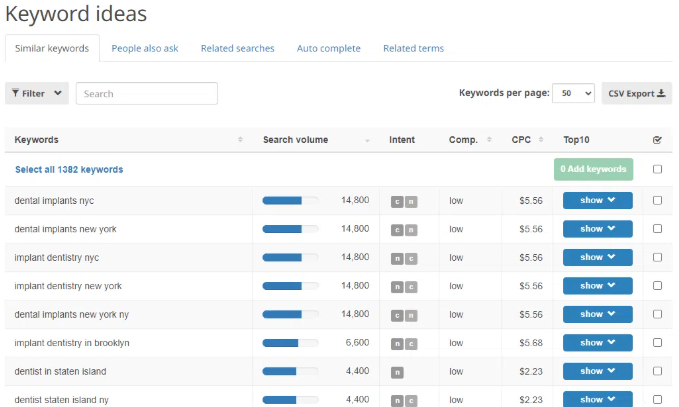
Keywords still matter, sure, but modern SEO is not only about repeating one target phrase on a page. The more real question is: What is the user trying to get, right now? Someone searching for “SEO audit” might want a definition, a checklist, a service provider, pricing details, or a technical breakdown. So content should match the likely intent behind the query. Good content answers things clearly and gives readers enough background to actually move forward.
That might mean mixing explanatory articles with service pages, comparison pages, FAQs, case studies, guides, and other supporting resources.
On-Page SEO Provides Context
On-page optimization helps search engines and visitors understand what the page is actually about. Key pieces include page titles, headings, URLs, metadata, image descriptions, content layout, internal links, and relevant terminology.
These pieces should work together rather than each one being “optimized” alone. Like, a descriptive title with a confusing page structure may still frustrate users. In the same way, an article with good info can do better when headings are clear and internal links guide people cleanly.
Structured Data Can Add Useful Context
Structured data helps deliver machine readable details for certain content types. Depending on the site, relevant schema can be used for products, organizations, articles, local businesses, events, courses, recipes, and other supported formats. Structured data also has to match what is visible on the page. It should not be used as a shortcut to add claims that aren’t actually supported. When it’s done right, structured data can help search systems interpret specific details about the page more accurately.
Trust and Expertise Matter
As search keeps leveling up, content quality and credibility still carry weight. Businesses should show expertise with accurate info, clear authorship when it makes sense, reliable references, transparent company details, and truly original content. A site should also make it straightforward for users to understand who is behind the information.
Customer reviews, company details, author info, credentials, experience, case studies, and obvious contact pages can all build a stronger trust environment, as long as they’re genuine and relevant.
Use AI as a Productivity Tool
AI can be helpful in an SEO workflow, but it should support strategy, not replace it. Marketing teams can use AI tools to brainstorm topic ideas, organize research, spot content gaps, generate outlines, summarize information, assist with data analysis, and speed up repetitive work.
That said, automatically producing big volumes of generic content is not a real alternative to expertise. Human review still matters for accuracy, originality, relevance, brand voice, and usefulness. Businesses should make sure anything published actually adds value, rather than just adding more pages for the sake of it.
Start With an SEO Audit
A website audit can be a practical way to start improving SEO performance. A thorough audit might look at crawlability, indexability, site architecture, page speed, mobile friendliness, metadata, internal linking, broken pages, redirects, canonical tags, structured data, content quality, and other technical elements.
Tools like Google Search Console, analytics platforms, crawling software, and page performance tools can surface potential problems. The important part is not just collecting a giant error list. Prioritize issues based on how much they could affect visibility, user experience, and business goals.
Build Topic Depth Instead of Isolated Content
Publishing standalone articles for random keywords can make it harder to build topical depth. A better approach is topic clusters. One pillar page can cover a broader subject while supporting articles tackle specific questions related to that topic.
Internal links can connect the resources and make the content structure feel clearer. For example, an SEO services business might build a central guide about SEO strategy and then support it with articles on technical SEO, keyword research, content optimization, local SEO, link building, and SEO reporting. This gives users multiple routes to useful answers, while also reinforcing stronger topical relationships across the website.
Monitor Performance Consistently
SEO is not a set-and-forget plan. Search trends shift, competitors publish new pages, websites get redesigned, algorithms evolve, and customer behavior changes. Ongoing monitoring helps businesses spot those changes and respond in time.
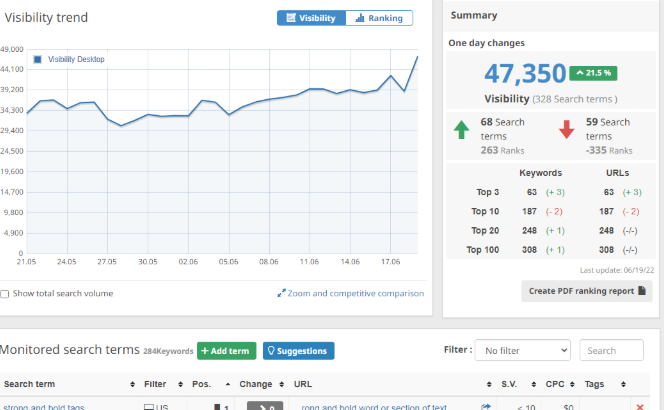
Common metrics include organic traffic, impressions, clicks, rankings, conversions, engagement, indexed pages, and leads. What matters most depends on the business goal. An e-commerce company might care a lot about revenue and product conversions, while a B2B company may focus more on qualified enquiries and lead quality.
Frequently Asked Questions
Why do SEO basics still matter?
SEO basics still help search engines sort out, read, and judge what’s on a website. Stuff like crawlability, indexability, site layout, technical speed, and well-targeted content stay useful even when search features keep changing a bit over time.
Does AI make old-school SEO pointless?
Not really. Even AI-powered search relies on information that’s reachable and easy to understand. Traditional SEO fundamentals give the technical and content base so a site can actually show up in today’s search experiences.
How often should we get an SEO audit?
That depends on how big the site is and how complex it gets. A regular check is pretty handy, especially after a redesign, a website migration, major technical edits, or big content refreshes.
Can AI be used for SEO?
Yes, AI can help with research, idea building, content planning, data review, and those repetitive jobs that eat time. Still, a business should keep human oversight in place so everything stays accurate, original, relevant, and genuinely good.
What should businesses focus on first for SEO?
Most businesses should start by making sure the key pages are crawlable and indexable, then move into technical performance fixes, better site structure, content relevance, internal link structure, and user experience. The real order can shift depending on the current state of the website and what the business is trying to achieve.

Neetu Wadhwa is the Director of Bloom Agency, a Mumbai-based full-service digital marketing and web development company. With a strong focus on performance, innovation, and strategy, she leads the agency in delivering SEO, web design, and growth marketing solutions that drive measurable business outcomes.



Rahul M.
B2B Service Provider