
In today’s digital-first world, a website is more than just an online presence; it’s a performance engine to drive traffic, conversions, brand visibility, and long-term business growth. However, most brands struggle to understand why their website doesn’t rank well, why traffic drops from nowhere, or why conversions keep low despite regular marketing efforts.
Where a detailed website audit becomes indispensable is just here. Many businesses believe that their website is working fine, but the in-depth analysis almost always uncovers underlying issues with technical structure, user experience, content quality, loading speed, or search performance.
If you want to fortify your website and increase its long-term visibility, invest in professional SEO audit services. You’ll get clarity, direction, and measurable results in return.
What is a Website Audit?
A website audit is a detailed look at all of the various elements contributing to how well your site performs across search engines and with user interactions. Discover hidden gaps-from technical errors to on-page issues, to content gaps-that are blocking your website’s growth. Professionals, during an audit, use advanced tools along with manual analysis to uncover problems that affect rankings, traffic, and user engagement.
A complete audit reviews the following elements:
- Technical performance (indexing, crawling, broken links, redirects)
- Website speed and Core Web Vitals
- User experience and interface structure
- Content quality, duplication, and readability
- Mobile responsiveness
- On-page SEO structure
- Security and SSL validation
- Backlinks and domain health
By examining these areas thoroughly, businesses can build a strong foundation—ensuring that every marketing strategy delivers maximum impact.
Why a Website Audit is Important for Every Business
Every website, even well-established ones, develops issues over time. Updates, new plugins, design changes, or unoptimized content can affect overall performance. Many brands notice drops in rankings or traffic but don’t know the root cause.
A website audit eliminates guesswork and highlights exactly what needs improvement.
Key benefits include:
- Better Visibility in Search Engines
Search engines reward websites that are technically strong, fast, mobile-friendly, and optimized for users. An audit reveals what’s preventing your site from ranking higher.
- Improved User Experience
Users leave websites that load slowly, have broken pages, or look outdated. An audit helps fix usability issues and improves customer satisfaction.
- Stronger Website Security
Security loopholes can lead to data breaches, penalties, or loss of trust. An audit ensures your website meets important security standards.
- Higher Conversion Rates
Optimizing page speed, layout, and content flow can significantly increase conversions for service-based sites, eCommerce stores, and blogs.
- Competitive Advantage
Knowing your website’s weaknesses allows you to outperform competitors who may not be optimizing consistently.
Types of Website Audits You Should Know
Website audits come in various forms, depending on what your business needs. Understanding them helps you choose the right approach.
- Technical Website Audit
Examines backend issues such as crawling errors, indexing problems, redirect chains, broken links, and site structure.
This will be important for search engine accessibility.
- On-Page Audit
Focuses on elements like meta titles, descriptions, header tags, keyword placement, URL structure, and content formatting.
Strong on-page optimization helps search engines understand your content better.
- Content Audit
Performs analysis of website performance, quality, and relevance of content.
These include keyword gaps, thin pages, duplicate content, and outdated information.
- Audit of UX and design
Reviews of navigation, layout, mobile experience, CTAs, and interface flow.
Good design leads to more browsing time and higher conversions.
- Backlink Audit
Analyzes your link profile for toxic, spammy, or irrelevant backlinks.
Removing abusive links is a protection to your domain authority.
- Competitor Audit
Breaks down what competitors are ranking for, how they structure content, and where they get backlinks from.
This helps you rebuild a stronger online strategy.
Common Website Issues an Audit Can Find
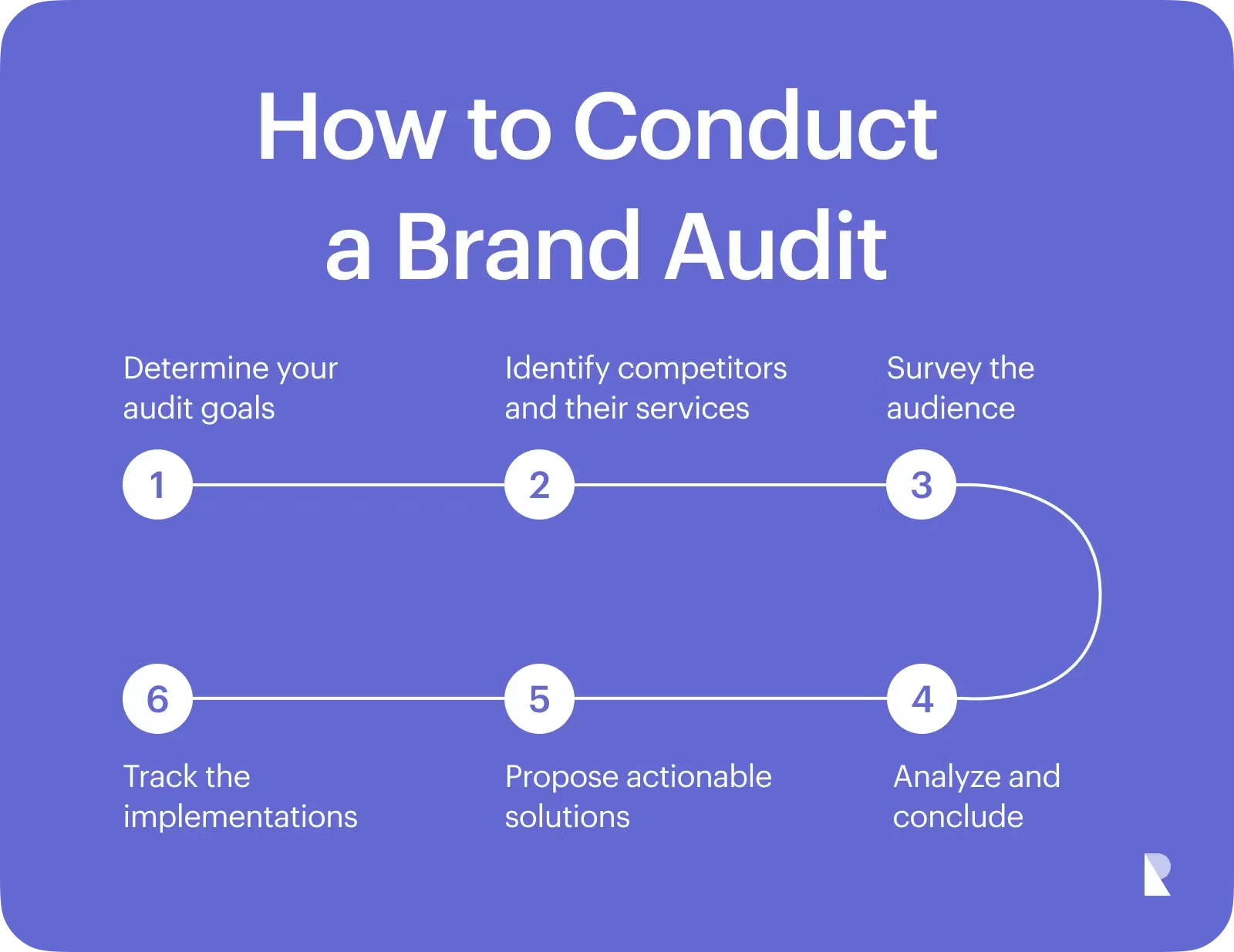
Many website problems go unnoticed for months or years. When search rankings drop suddenly, businesses panic—but a detailed audit usually uncovers the real issue quickly.
Some common ones include:
- Pages taking too long to load
- Broken internal or external links
- Bad redirects
- Duplicate meta information
- Poorly located or improperly structured header tags
- Unoptimized images
- Slow mobile performance
- Mixed content or security warnings
- Orphan pages (not linked internally)
- Thin or low-value content
- Keyword cannibalization
- Low-quality backlinks
These issues not only affect rankings but also frustrate users and reduce trust in your brand.
How Audits Improve Your SEO Strategy
An audit is the first step in strengthening your digital strategy. Without knowing your current performance, you cannot build a plan that works.
Here’s how audits directly improve your SEO:
1. Generates a Clear Optimization Roadmap
A full audit outlines what needs fixing and in what priority—saving time and improving results faster.
2. Shows Content Gaps
You’ll find new opportunities where your competitors rank and you don’t.
3. Eliminates Technical Barriers
Error fixing increases indexing, smooths crawling, and increases ranking potential.
4. Improves Domain Authority
Healthy backlinks and strong technical performance build a powerful search presence.
5. Enhances Long-term Organic Growth
With a fully optimized foundation, every blog, landing page, or marketing campaign performs better.
How Frequently Should One Do a Website Audit?
Although many businesses treat website audits as a one-time task, it’s important to conduct them regularly.
The optimum frequency is:
- Full website audit: every 6 months
- Technical audit every 3 months
- Content audit once a year
- Backlink audit every 4–6 months
Regular audits ensure your website stays updated with search engine algorithm changes, maintains strong performance, and remains competitive.
Who Needs a Website Audit the Most?

Every business benefits from an audit, but some websites rely on them more.
You urgently need an audit if you are:
- Sudden ranking or traffic drops
- Launch a new marketing campaign
- Running paid ads but not converting
- Update of a worn-out website design
- Publishing blogs without results
- Starting an SEO project from scratch
- Managing an eCommerce store with slow sales
A well-audited website generates more leads, sales, and visibility without increasing ad budgets.
The Impact of Website Audit on Business Growth
The results of a website audit go beyond technical improvements. Businesses often see:
- Higher search rankings
- Stable organic traffic.
Faster website performance Better mobile experience Reduced bounce rate More brand authority Better customer trust Higher conversion rates A strong website builds credibility—and credibility leads to growth.
Final Thoughts
A website is more than just a digital brochure. It is a powerful tool that influences how customers perceive your brand, how well you compete in your market, and how smoothly your business grows online. A detailed audit ensures your foundation is strong, your performance is stable, and your long-term online growth stays consistent. With the right expert guidance, your website can transform from an underperforming platform into a high-converting, search-optimized, and user-friendly digital asset.






Rahul M.
B2B Service Provider