
SEO has evolved into something far bigger than it used to be.
Search is no longer just a list of blue links—it’s become a dynamic ecosystem of answers, summaries, and recommendations. These now come from multiple sources, including Google, AI-powered tools, social media platforms, and online communities.
This transformation has completely reshaped how visibility is earned. But more importantly, it has opened up a powerful opportunity for those who understand how to adapt.
In 2026, success in SEO isn’t about chasing hacks or short-term tactics. It’s about building lasting clarity, authority, and relevance across every platform where people seek information.
That’s exactly what this guide is here to help you achieve.
Whether you’re starting from scratch or refining an existing strategy, you’ll discover a practical, step-by-step approach to building an SEO system that works today—and continues to perform as the landscape evolves.
Inside this guide, you’ll learn how to:
-
Define SEO goals that align with real business outcomes
-
Identify high-impact topic opportunities across platforms
-
Create content that ranks, gets featured, and earns citations
-
Build visibility not just on search engines, but across AI tools
-
Continuously adapt and future-proof your SEO strategy
Table of Contents
Toggle1. Define Your SEO Goals
Before you dive into keyword research or start creating content, you need a clear definition of what success actually means for your business.
One of the most common mistakes in SEO is focusing on rankings and traffic instead of outcomes that impact the bottom line.
What truly matters is whether SEO is bringing in qualified leads, lowering your customer acquisition cost, or increasing brand visibility among the right audience.
Shift From SEO Metrics to Business Impact
If you’re struggling to prove ROI or justify budgets, the issue often lies here—you’re tracking metrics that don’t directly translate into business value.
The fix is simple: start with outcomes, not metrics.
Ask yourself: What would make SEO a clear win for us this year?
Your answers might look like:
-
A local restaurant aiming for 50 new monthly customers from “best Italian food [city]” searches
-
An affiliate site targeting ₹8–10 lakh monthly revenue through product comparisons
-
A SaaS company driving 200 qualified demo requests from high-intent keywords
-
An e-commerce brand increasing organic revenue by 30% through product pages
Notice something? None of these goals are about “ranking #1.”
They’re tied directly to business growth—and that’s what your SEO strategy should revolve around.
2. Research Topics Across Platforms
Every strong SEO strategy begins with a topic—but real growth comes from exploring that topic in depth.
Search behavior has changed. People now ask detailed questions, use natural language, and move across multiple platforms to find answers. They’re not just clicking links—they’re expecting complete, relevant insights wherever they search.
And the best place to start isn’t a keyword tool—it’s your existing understanding of your audience.
Start With Customer Intelligence
Before you rely on external tools, tap into the insights your business already has. This is data your competitors don’t have direct access to—and it’s often the most valuable.
Here’s where to look:
-
E-commerce: Product reviews, support queries, return reasons
Example topics: “Why does X stop working after a few months?”, “X vs Y comparison” -
Local businesses: Walk-in questions, phone calls, seasonal demand
Example topics: “Best [service] near me”, “[service] open on Sunday”, “Emergency [service]” -
SaaS/products: Sales calls, demo questions, churn feedback
Example topics: “How to integrate X with Y”, “Switching from X to Y” -
Content creators: Comments, DMs, polls
Example topics: “Beginner guide to X”, “Behind the scenes of X” -
Consultants/agencies: Client briefs, proposals, discovery calls
Example topics: “How to choose a [service] provider”, “[service] pricing”, “DIY vs hiring” -
Restaurants/food brands: Customer questions, dietary preferences, event inquiries
Example topics: “Catering options”, “Gluten-free menu”, “Private dining” -
Health/fitness: Client goals, FAQs, transformation journeys
Example topics: “Workout plan for X goal”, “Meal prep ideas”, “Timeline for results” -
Home services: Service requests, referrals, seasonal needs
Example topics: “Emergency repair”, “Maintenance schedule”, “Best time for service”
Pay close attention to the exact language your audience uses. That’s where real SEO opportunities live—because it reflects how people actually search and make decisions.
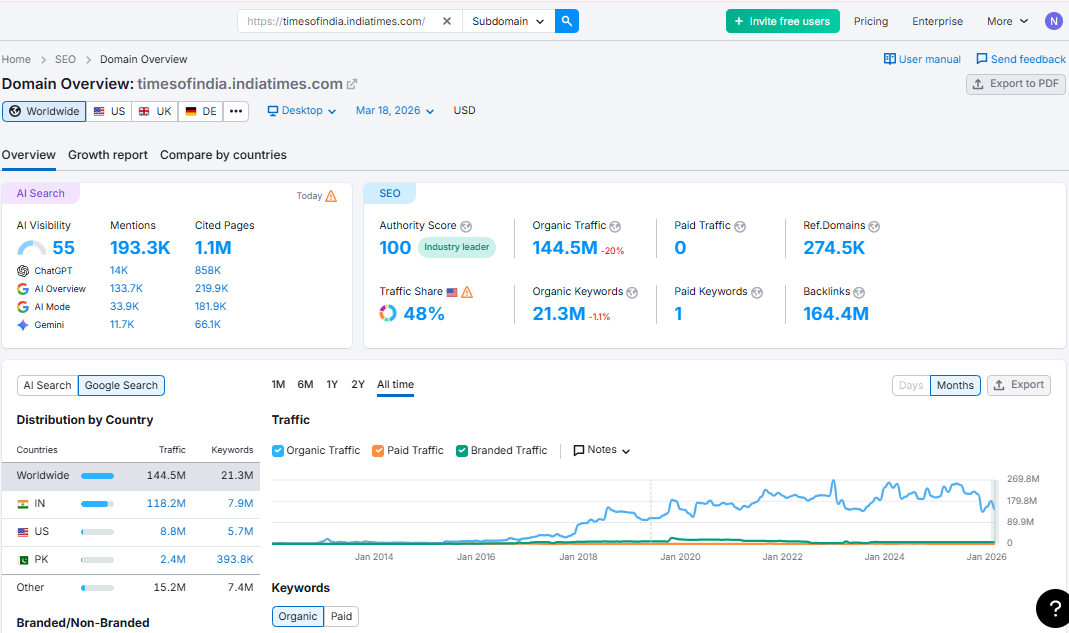
Learn From Competitors (Strategically)
Your competitors have already identified topics that drive results. Instead of starting from scratch, analyze what’s already working.
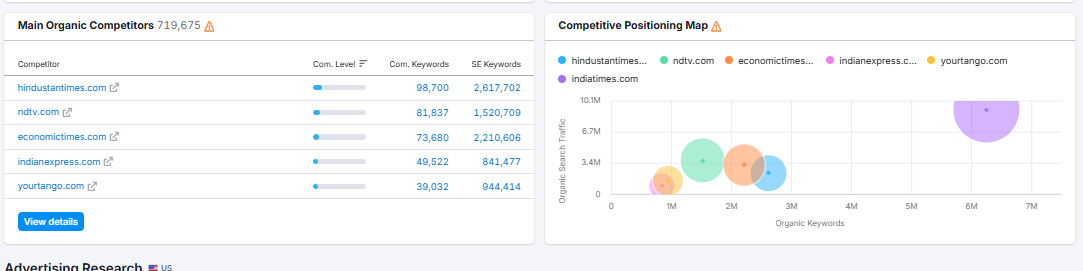
Spend time identifying:
-
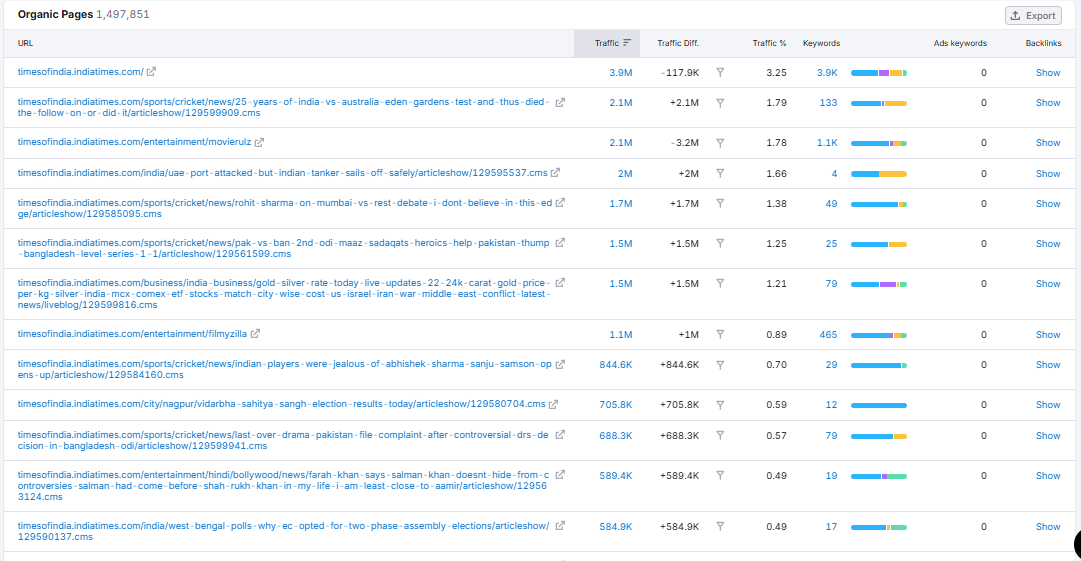
Their highest-traffic pages
-
The intent behind those pages
-
Which content actually drives conversions—not just visits
Focus on pages like:
-
Product and service pages
-
Category or collection pages
-
Comparison content (“X vs Y”)
-
“Best of” lists
-
Pricing and review pages
-
Practical guides with clear buying intent
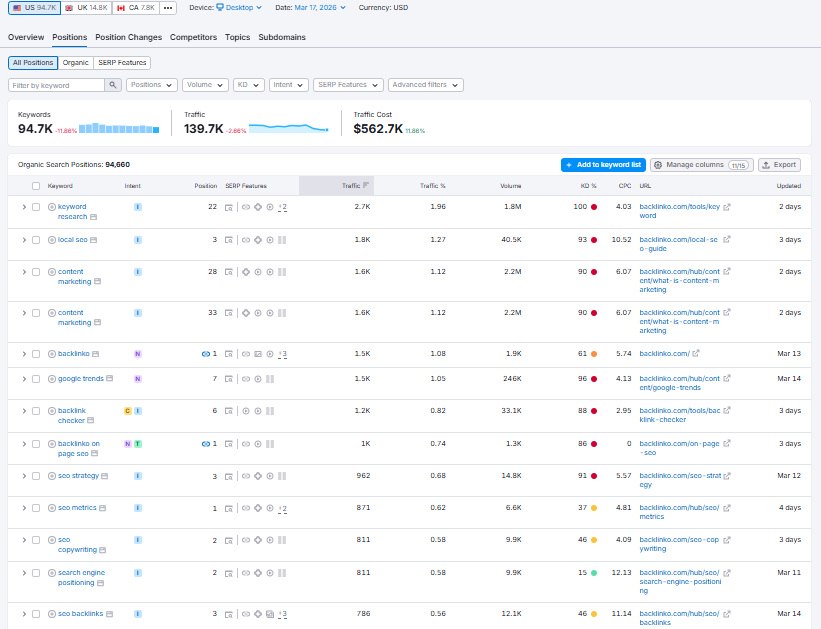
When you find a high-performing page, dig deeper into the keywords it ranks for. This reveals entire topic clusters—not just single keywords.
This one exercise can easily give you months of content ideas that are proven to work.
Validate and Expand Across Platforms
Once you have a solid list of topics, expand and validate them across different platforms. This helps you understand how people search in different contexts.
Use Google Search
Autocomplete suggestions reveal real search behavior. Start typing a query and observe how it expands.
These suggestions:
-
Come directly from real user searches
-
Are often more specific (long-tail keywords)
-
Tend to be less competitive and more conversion-focused
Each variation can become a standalone page or part of a larger content piece.
Use AI Tools
Search is becoming more conversational, and AI tools reflect that shift.
Instead of short keywords, test full questions related to your topic. This helps you uncover:
-
Natural question patterns
-
Different ways people frame the same problem
-
Topic structures and priorities
-
Conversational keywords that traditional tools miss
AI also helps you understand intent more deeply—how users think, not just what they type.
Explore YouTube
As one of the largest search platforms, YouTube reveals a different layer of intent.
Look at:
-
Search suggestions
-
High-performing videos (views and engagement)
-
Questions in comments
This shows what people want explained visually or in detail.
Browse Reddit and Communities
Online communities often surface raw, unfiltered user problems.
Pay attention to:
-
Frequently asked questions
-
Recurring pain points
-
Recommended tools or solutions
These insights often don’t appear in traditional keyword tools—but they’re highly valuable for content that connects.
Confirm With Keyword Tools
After gathering ideas from multiple sources, use a keyword research tool to refine and validate your list.
A simple workflow:
-
Start with a seed keyword
-
Filter by search volume, difficulty, and intent
-
Explore related terms and topic clusters
-
Identify 10–15 strong long-tail keywords
This step helps you prioritize opportunities based on data—while still staying grounded in real user behavior.
3. Analyze Search Intent and Competition
If you’re guessing what users want, your content is far more likely to fail.
Skip this step, and you risk spending months creating content that never gains traction. Do it properly, and you’ll know exactly what format, depth, and angle will perform—before you even start creating.
Understand What Users Actually Want
Start by searching your target keyword on Google and carefully studying the first page.
The results aren’t random—they reflect what users prefer and what Google is rewarding for that query.
Pay attention to these key patterns:
-
Content format: Are the top results mostly guides, listicles, tools, or videos? If step-by-step guides dominate, that’s your signal to follow that format.
-
Content depth: Are the results short and concise or long, in-depth resources? This tells you how much detail users expect.
-
SERP features: Featured snippets highlight what Google considers the best answer. “People Also Ask” sections reveal related questions you should cover. Video carousels indicate demand for visual content.
-
Platform mix: If you see results from forums, videos, or tools, it suggests users want more than just traditional blog content.
Also, check YouTube separately—even if videos aren’t dominant on Google. Sometimes there’s strong demand that hasn’t fully surfaced in standard search results.
Identify Opportunities to Outperform
Analyzing the SERP isn’t just about copying what’s ranking—it’s about understanding why it works and where it falls short.
Review the top results and look for:
-
Gaps in information: Are important subtopics missing? Are key questions left unanswered?
-
Outdated content: Are examples, tools, or strategies no longer relevant?
-
User experience issues: Is the content hard to read, poorly structured, or lacking visuals?
-
Lack of credibility: Does the content rely on generic advice, or does it include real data, examples, and proof?
-
Differentiation: What makes each result unique—and how can you do it better?
Your goal isn’t to match the competition—it’s to create something clearly more useful.
Build a Clear SEO Brief
Once your analysis is complete, turn your insights into a structured content plan.
For each topic or keyword, document:
-
Target keyword + intent: What the user is trying to achieve
-
Preferred format: The type of content that dominates results
-
Expected depth: Approximate level of detail based on top pages
-
Relevant platforms: Only if they appear prominently in search results
-
Content gaps: Specific areas where you can add more value
-
Business alignment: How this topic supports your goals
This brief becomes your roadmap. It ensures you’re not creating content blindly—you’re building something designed to win.
4. Create Authority-Driven Content
Your goal isn’t just to match search intent—it’s to instantly show users they’ve landed in the right place.
The most effective content is clear, genuinely helpful, and created by someone with real experience—not just surface-level research.
Start With Intent-First Content
Every strong piece of content begins with a deep understanding of what the user actually wants—and delivering it in the right format.
Example: “Best SEO Tools”
-
Search intent: “Show me SEO tools that are actually worth using”
-
Format: List-based content
But here’s what separates high-performing content from average lists: trust.
Users don’t want endless options filled with affiliate links. They want curated recommendations they can rely on.
That’s why the best-performing content:
-
Includes only tools that have been tested or used
-
Provides a clear summary for each option
-
Uses visuals or screenshots for clarity
-
Explains why each tool is recommended
When content is built on real experience, it doesn’t just rank—it drives action.
Add a Strong Hook
High-performing content always has a “hook”—something that makes it worth sharing, referencing, or linking to.
Example: SEO Pricing Guide
What makes it stand out isn’t clever writing—it’s clarity.
-
Clear pricing ranges
-
Structured breakdowns
-
Data-backed insights
-
Visual elements like charts and tables
This type of content becomes a go-to reference because it simplifies complex information and provides something others can cite.
When creating your content, ask:
-
Is there a stat, chart, or insight others would reference?
-
Does this include something quotable or shareable?
-
Would someone bookmark this for later?
If the answer is yes, you’ve built a strong hook.
Focus on Design and Usability
Even the best information won’t perform if it’s difficult to consume.
People scan before they read. If your content looks overwhelming, they’ll leave.
Example: Website Migration Checklist
-
Search intent: “Help me migrate my site without mistakes”
-
Format: Step-by-step guide + actionable checklist
What makes this type of content effective:
-
Clearly structured sections (pre-launch and post-launch)
-
Practical, actionable steps
-
Easy-to-scan formatting
-
Downloadable templates or resources
Most importantly, it’s grounded in real-world execution—not theory.
Build Around E-E-A-T
In today’s SEO landscape, Experience, Expertise, Authoritativeness, and Trustworthiness matter more than ever—especially with the rise of AI-generated content.
Search engines and AI tools prioritize content that demonstrates real credibility.
To strengthen this:
-
Include real examples, case studies, or results
-
Share lessons learned from actual experience
-
Collaborate with subject matter experts when needed
-
Provide clear methodology when using data
This isn’t about adding credentials—it’s about proving you know what you’re talking about.
Create “Information Gain”
In competitive niches, repeating what already exists isn’t enough. Your content needs to add something new.
Ways to stand out:
-
Share original insights or data
-
Introduce unique frameworks or processes
-
Use custom visuals to simplify complex ideas
-
Go beyond basics with advanced strategies
-
Organize information more clearly than competitors
If your content feels interchangeable with others, it won’t win. It needs to offer a distinct advantage.
Use AI—But Stay Human
AI can significantly speed up content creation—but it shouldn’t replace your perspective.
Use AI to:
-
Build outlines and structure
-
Generate initial drafts
-
Organize ideas and research
-
Find supporting examples
But keep control over:
-
Strategy
-
Insights
-
Voice and tone
-
Real-world experience
The combination of AI efficiency and human expertise is what creates content that performs—and connects.
5. Optimize for Clarity and Context
On-page SEO in 2026 is no longer about squeezing in keywords—it’s about making your content easy to understand for users, search engines, and AI systems that extract answers directly from pages.
In many ways, this is a return to fundamentals. The difference now is that clarity and structure matter more than ever. If your content is confusing or poorly organized, it simply won’t compete.
Make Your Content Easy to Interpret
High-performing pages rank because they are structured clearly and cover topics comprehensively—not because of tricks.
Focus on:
Title Tags and Headings
Your title should be simple, direct, and aligned with your main keyword.
Break your content into clear sections using descriptive headings. Ideally, someone should be able to skim your headings alone and understand the full scope of your content.
Keep URLs Clean and Focused
Your URL should reflect the core topic—nothing more.
Avoid:
-
Unnecessary parameters
-
Dates
-
Extra folders
A short, clean URL is easier to understand, share, and rank.
Use Internal Links Strategically
Link to relevant pages within your site using clear, descriptive anchor text.
This helps:
-
Users navigate easily
-
Search engines understand relationships between topics
-
Build topical authority across your site
Strengthen Semantic Relevance
Instead of repeating the same keyword, naturally include related terms and concepts.
Search engines now prioritize context. The more completely you cover a topic, the more relevant your content becomes.
Improve Structure and Readability
Content should be easy to scan and digest.
Best practices include:
-
Short paragraphs
-
Clear sections
-
Logical flow of information
A clean structure keeps users engaged and helps search engines and AI models interpret your content more effectively.
Plan Before You Write
Strong optimization starts before content creation—not after.
Ask yourself:
-
What is the main question this page answers?
-
What related questions should be covered?
-
How can the information be organized logically?
-
What details will help users take action?
This approach ensures your content naturally includes the context modern search systems look for.
Cover Technical Basics
Don’t ignore the essentials that support visibility and performance.
Meta Descriptions
Write clear, compelling summaries that accurately reflect your content. While they don’t directly impact rankings, they improve click-through rates.
Image Optimization
-
Use descriptive file names
-
Add meaningful alt text
-
Compress images for faster loading
Page Speed
Fast-loading pages improve both user experience and rankings.
Mobile Optimization
Ensure your content works seamlessly across all devices.
6. Build Links and Earn Citations
Link building still matters—but the objective has evolved.
It’s no longer just about backlinks. It’s about shaping how your brand is recognized and referenced across the web—by both search engines and AI systems.
Think beyond SEO tactics and approach this like a PR strategy.
Focus on the Modern Citation Ecosystem
Your goal is to build visibility across multiple touchpoints, including:
-
Authoritative backlinks
-
Mentions in blogs and listicles
-
Discussions in forums and communities
-
Expert quotes in articles
-
Consistent brand references across platforms
This creates a strong, trustworthy presence that search engines and AI tools rely on.
Learn From Competitor Links
One of the fastest ways to find link opportunities is by studying your competitors.
Here’s the approach:
-
Identify who is linking to them
-
Understand why they earned those links
-
Offer something better, clearer, or more up-to-date
Look at patterns such as:
-
Being featured in “best of” lists
-
Quoted in blog posts
-
Mentioned in forums or social discussions
-
Linked to specific pages like tools, blogs, or homepages
These insights show you what type of content attracts links—and where.
Create Link-Worthy Content (Data & Stats)
Content that includes data naturally attracts links.
If you can provide:
-
Original insights
-
Well-designed charts
-
Simple, quotable statistics
You create a strong “link magnet.”
Even without original data, you can:
-
Combine insights from multiple sources
-
Repackage existing data into new formats
-
Present clear, easy-to-cite summaries
Well-structured data content often gets picked up by media, blogs, and industry sites.
Leverage Expert Commentary
Writers, journalists, and creators constantly look for expert input.
By contributing relevant insights, you can earn high-quality mentions and backlinks.
Focus only on opportunities that align with your expertise and industry.
Ways to find them:
-
Journalist request platforms
-
Industry communities
-
Social media threads
-
Professional networks
A well-timed, valuable response can lead to strong visibility and credible links.
Think Long-Term
Link building in 2026 isn’t about volume—it’s about relevance and authority.
When your brand consistently shows up in the right places, with the right context, you build trust—not just with search engines, but with your audience as well.
7. Improve and Update Your Content
If you want to maintain visibility, your content can’t stay static. It needs to stay accurate, relevant, and aligned with what users are looking for today.
In many cases, updating existing content delivers a far higher return than creating something new from scratch.
Content naturally loses relevance over time—especially in fast-moving industries like marketing and technology. Without a clear system, managing and maintaining your content becomes overwhelming as your library grows.
Understand the Content Lifecycle
Every piece of content goes through a lifecycle. What performs well today may decline tomorrow as trends shift, tools evolve, and competitors improve their content.
That’s why ongoing maintenance isn’t optional—it’s essential.
Use a Structured Update Framework
A simple way to manage updates is by categorizing them into three levels:
1. Optimizations (Quick Wins)
Small improvements that require minimal effort, such as:
-
Adding internal links
-
Updating images
-
Tweaking meta tags
-
Improving CTAs
These are fast, frequent updates that keep content healthy.
2. Upgrades (Moderate Improvements)
More meaningful updates that enhance the core content:
-
Refreshing outdated examples or data
-
Adding new sections or insights
-
Improving visuals and structure
These typically involve partial revisions but can significantly boost performance.
3. Rewrites (Major Overhauls)
Complete transformations where the content is rethought entirely:
-
Changing structure, angle, or positioning
-
Rewriting large portions (70%+)
-
Aligning with new search intent or trends
These are reserved for high-impact pages that need a full refresh.
Consolidate When It Makes Sense
Sometimes, the best update isn’t editing—it’s combining.
If you have multiple pages targeting similar keywords, merging them into a single, stronger resource can dramatically improve performance.
Content consolidation works best when:
-
Multiple pages overlap in intent
-
Some pages are underperforming
-
A single, comprehensive page would better serve users
This approach strengthens ranking signals and creates a more valuable experience for readers.
What to Look for During Updates
Think of each update as a content audit.
Ask:
-
Is the information still accurate?
-
Does it fully solve the user’s problem?
-
Are examples, tools, and visuals up to date?
Also check for:
-
Broken links
-
Outdated screenshots
-
Irrelevant or ineffective advice
-
New competitor content covering gaps you missed
Updating content isn’t just about freshness—it’s about staying competitive.
Don’t Forget Other Formats
The same principles apply beyond written content.
For example, with video content, you may not edit the original—but you can recreate and improve it with updated insights and better execution.
Why This Matters
Content updates are one of the most underrated SEO investments.
In many cases, improving what already exists leads to faster and more reliable results than constantly producing new content.
Where to Go From Here
SEO in 2026 hasn’t lost its fundamentals—but expectations have evolved.
Competition is stronger. Search results are more dynamic. And users expect more clarity, depth, and trust than ever before.
This guide isn’t about reinventing SEO. It’s about refining your approach—making it sharper, more strategic, and more aligned with how people actually search today.
You’re no longer just trying to rank.
You’re building:
-
Clarity
-
Authority
-
Trust
-
Visibility across platforms
Yes, it’s more challenging now.
But that’s what creates opportunity.
The ones who focus on quality, bring real expertise, and genuinely care about what they publish—those are the ones who will stand out.
And in the process, you’re not just improving rankings—you’re contributing to a better, more useful web.










Rahul M.
B2B Service Provider