
Building a Shopify store is easier today than ever before. Thousands of businesses launch online stores every month, hoping to attract buyers and grow revenue. But the real trouble isn’t “making” the store. It’s getting folks to actually stumble upon it.
A lot of store owners pour money into design, paid advertising, and social media pushes, then kind of skip over one of the most durable long-term growth paths out there: search engine optimization. You know, that slow burn.
A Shopify store without Shopify SEO services are like opening a gorgeous retail shop in the middle of nowhere. Sure, the products can be great. Yet if customers cannot find the store, sales chances disappear.
That’s why Shopify SEO has turned into one of the key growth plays for ecommerce brands. When you raise your visibility in search engines, you can pull in the right visitors, lessen how much you depend on paid traffic, and build growth that lasts. Industry SEO guides keep pointing back to the same basics—keyword optimization, technical SEO, content creation, and site structure—basically the ground floor for Shopify organic progress.
Why Organic Traffic Matters for Shopify Stores
Lots of ecommerce companies lean hard on paid ads to get traffic. Paid campaigns can work fast, sure, but they also stop the moment the budget runs out. Then everything feels “gone” overnight.
Organic traffic behaves differently
When your Shopify store shows up for relevant searches, shoppers keep finding your products without paying for each click, week after week. Over time you get that compounding momentum: optimized pages keep attracting visits and turning them into sales, month after month. Ecommerce SEO specialists increasingly treat organic traffic as one of the most sustainable acquisition channels, because it builds discoverability that compounds over time.
A solid SEO strategy can help a business:
- Boost website visibility
- Attract targeted traffic
- Improve conversion possibilities
- Strengthen brand credibility
- Lower customer acquisition costs
- Create long-term growth channels
The Foundation of Shopify SEO
Before jumping into advanced improvements, businesses need a reliable SEO base first. Search engines look at a bunch of signals when they decide rankings. Shopify stores that tend to perform well usually blend technical optimization, helpful content, keyword targeting, and a solid user experience.
Essential Shopify SEO Elements
| SEO Area | Purpose |
| Keyword Research | Targets customer searches |
| Technical SEO | Improves crawlability and indexing |
| Content Optimization | Increases relevance |
| Internal Linking | Strengthens site structure |
| Mobile Optimization | Improves user experience |
| Backlink Building | Builds authority |
| Site Speed | Enhances rankings and conversions |
Keyword research, really?
It still feels like one of the most important parts of SEO. Before writing content or fine-tuning product pages, companies have to figure out how people look things up online. The best Shopify stores usually spend time on finding both high volume keywords and those longer long-tail phrases that actually match what customers mean.
For instance, a broad keyword might be wildly competitive, but a more detailed search phrase tends to pull in people who are already near a buying moment , so it sort of makes things smoother.
Most search optimization guides keep saying the same thing, aim for search intent, not only for bigger numbers. When you understand what users are seeking in real terms, you can boost rankings and also make conversions climb too.
Optimize Product Pages for Search Visibility
Many Shopify stores make the mistake of uploading products with minimal descriptions and generic titles. Product pages should provide detailed information that helps both customers and search engines understand the product.
Product Page Optimization Checklist
| Element | Optimization Goal |
| Product Title | Include primary keywords |
| Meta Description | Improve click-through rate |
| Product Description | Add useful content |
| Image Alt Text | Improve image SEO |
| Internal Links | Strengthen navigation |
| Structured Data | Help search engines understand products |
Detailed, unique product content usually does a way better job than stuff handed out by the manufacturer, because it adds some real value and also dodges those duplicate content vibes. Collection pages are often kinda ignored, in a lot of shops anyway, like people just stick to the product pages and move on.
But honestly collection pages can have more ranking upside, since they go after broader search phrases, not only one exact item. So for instance, if you build a collection page around a product category, you can pull in people earlier in the buying journey, while also nudging them toward a bunch of product choices instead of just one. SEO folks often mention that when collection pages are tuned up , they can drive meaningful gains in organic traffic, with better titles, descriptions, keyword targeting and internal links, the performance can jump a lot.
Create content that matches search intent
Shopify Development Services success depends heavily on content marketing too, and customers usually look for answers first, then only later start shopping. Educational pages help you catch demand across multiple stages, like not every visitor is ready to buy the second they land.
Good options often include stuff like:
- Buying guides
- Product comparisons, and not just vague ones
- Tutorials, quick steps that actually help
- Industry insights
- Frequently asked questions
- Troubleshooting articles
When your content aligns with what shoppers are asking , search engines tend to reward it with better visibility. High-quality content is still one of the strongest organic ranking signals inside modern SEO playbooks.
Improve the internal linking layout
Internal linking helps people move through your site, and it also helps search engines crawl more smoothly. A lot of Shopify stores rely mostly on menu navigation, which kinda restricts how authority travels across pages.
A better plan is to connect things like:
- Blog posts to collections
- Collections to products
- Related products, together
- Informational pages to commercial pages
SEO practitioners often call internal linking one of the most overlooked levers for Shopify growth, because it supports both user experience and crawl efficiency, at the same time.
Technical SEO can literally make or break rankings
Even solid content can struggle if technical problems stop search engines from understanding and properly indexing the site. Technical SEO is mainly about adjusting the site infrastructure, so search engines can crawl , index and rank the pages efficiently.
- Key Technical SEO Areas
- Technical Factor Why It Matters
- Site Speed Helps user experience
- Mobile Friendliness Works well with mobile-first indexing
- XML Sitemap Supports indexing
- Canonical Tags Stops duplicate content issues
- Secure HTTPS Builds confidence
- Structured Data Boosts search presence
Shopify development services stores sometimes deal with duplicate URLs, collection filtering quirks, and canonicalization headaches. Fixing these problems can strengthen overall SEO output.
Get Your Customer Search Intent Down before You Start “Optimizing”
For Shopify SEO, one of the biggest deals is understanding what people are really trying to find. Search engines aren’t just matching keywords anymore, they’re pretty good at spotting what the user means behind the query. So, some folks show up to learn something, others are comparing options, and some are basically already in “buy now” mode.
Shopify store owners can create pages that match where shoppers are in the journey. Blog posts with informational angles tend to work for awareness-stage searches, while collection pages and product pages, when properly optimized, catch transactional intent. When your page lines up with intent, users usually stick around more, engagement looks better ,and conversions are more likely. Plus, if search engines see the page satisfies the query, they may treat it as more valuable and push it higher in rankings.
Use Blog Content on Shopify for Organic Momentum
A lot of ecommerce brands kind of sleep on blogging. But a well-kept Shopify blog can become a real engine for organic traffic ,especially when it targets informational keywords tied to your products or industry.
If you publish consistently and aim to answer questions, handle objections, and show real authority, you end up building a resource people actually want to visit. Also, blog content can feed your money pages with internal links ,like linking back to relevant products or collections. Over time, that growing content library boosts keyword coverage and brings in visitors who may eventually become customers.
Optimize Images Because They Matter More Than People Think
Images matter a lot for ecommerce, but they can also hurt SEO if they’re just uploaded without thought. Heavy image files can slow loading times, and slow pages tend to underperform for both users and search rankings.
Compress images to keep things quick, and use descriptive file names plus alt text. Search engines lean on alt text to understand what an image shows, so it’s an important detail for image search visibility too. When image SEO is handled well, you get better performance and more routes for organic traffic.
Add Structured Data to Make Search Results Stand Out
Structured data helps search engines read what your Shopify pages are about. With schema markup, businesses can share extra signals about products, reviews, pricing, availability, and other details that help search engines categorize your content.
When structured data is applied correctly, search listings can show rich snippets. You know, ratings ,prices, and product details right inside the search results. Those richer results often feel more clickable, so click-through rates can go up compared to plain listings.
Track SEO Performance, Then Improve It, not just “Check It”
SEO doesn’t really finish. It needs ongoing monitoring and adjustments. Shopify owners should keep reviewing performance so you know which pages earn traffic, drive conversions, and keep users engaged.
Google Analytics and Google Search Console are usually the go-to options ,they help reveal keyword performance, user behavior, indexing problems, and overall site performance. By studying what the data says, you can spot optimization opportunities and make smarter choices for long-term growth, instead of guessing.
Build Confidence with User-Generated Content
User-generated content can do work for both SEO and conversion rates. Customer reviews, star ratings, testimonials, and even product Q&A style discussions create fresh content that search engines tend to value.
Reviews also build trust for people who are still deciding. The more genuine feedback a product gets, the more confident buyers can feel. That means better trust signals plus extra keyword-rich text, which can improve organic performance in a pretty direct way.
Keep Up with Search Engine Algorithm Changes
Search engine algorithms keep shifting, so SEO stays like a living thing not a one-time setup. What worked last month can require tweaks later, especially when ranking factors change or new user experience standards show up.
The best Shopify businesses stay in the loop on industry updates and do regular website audits to stay aligned with current best practices. When you adapt to algorithm changes and keep refining your strategy, your store can protect visibility and stay competitive, even when the online market gets more crowded by the day.
Site speed directly affects conversions
Website speed is no longer only a technical concern. Slow pages cause annoyance, raise bounce rates, and lower conversions. Search engines also account for performance when deciding where pages should land.
Speed upgrades might include:
- Compressing images
- Using modern image formats
- Cutting unnecessary scripts
- Optimizing apps
- Improving server response times
SEO specialists repeatedly point at image optimization as one of the highest impact improvements you can make on Shopify.
Build authority through backlinks
Backlinks work as credibility and authority signals for search engines. When reputable sites link back to your Shopify store, it supports stronger search visibility.
Common off page link building methods:
- Publishing helpful resources
- Creating original research
- Guest posting
- Digital PR campaigns
- Industry partnerships
- Influencer collaborations
Off-page SEO stays important for long term ranking progress, mainly because it helps build trust in competitive spaces.
Common Shopify SEO mistakes to avoid
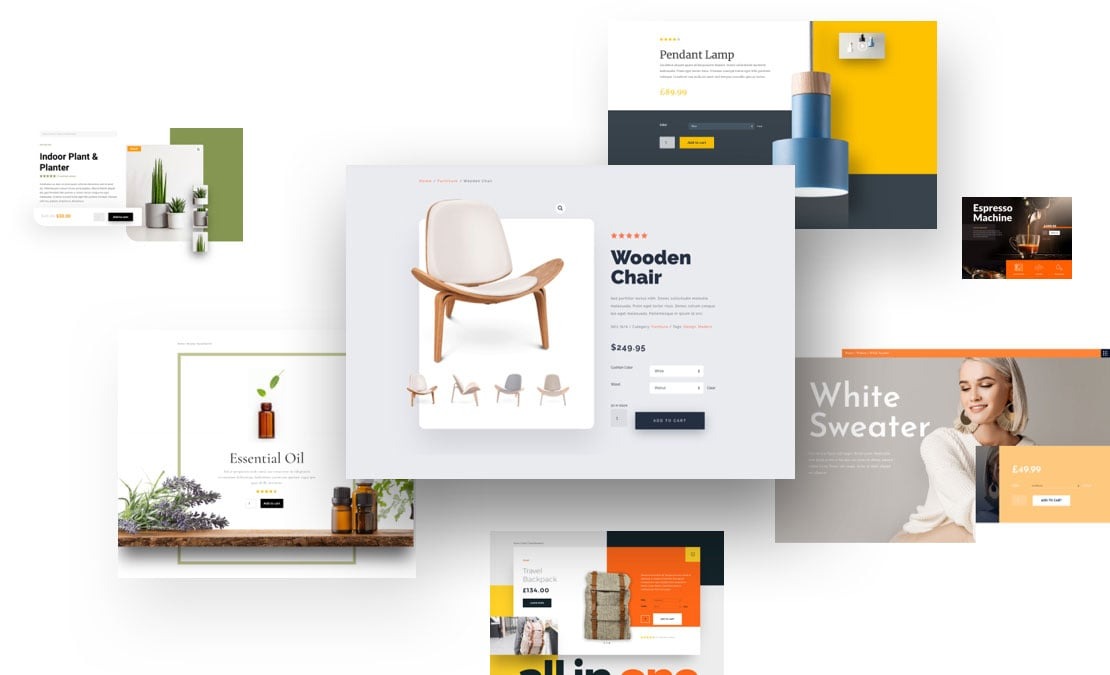
Some of the more common ones are:
Thin content
Pages with barely any useful detail often won’t rank.
Duplicate product descriptions
Relying on manufacturer text tends to create duplicate content problems.
Weak mobile experience
Most ecommerce traffic is mobile now, so poor UX hurts.
Weak collection pages
Collection pages often miss optimization and supporting content, or both.
Ignoring technical SEO
Indexing issues, broken links, and duplicate URLs reduce visibility, fast. These problems are repeatedly mentioned by Shopify SEO professionals and by store owners who actually improved organic traffic.
Why SEO is a long-term investment
A big misconception is expecting SEO to work overnight. Unlike paid ads, SEO takes time, consistency, and ongoing tweaking. Still, long term returns usually beat the early effort.
As rankings grow, stores often gain:
- Steady organic traffic
- More brand exposure
- More credibility
- Better customer acquisition efficiency
- Less dependence on ads
Teams that focus on ongoing improvement tend to see compounding growth, not just short spikes.
How Bloom Agency helps Shopify stores grow
At Bloom Agency, SEO is handled like a complete growth strategy, not like some random checklist of technical jobs. Every Shopify store exists in its own market, serves a specific audience, and faces its own competitive pressures. Because of that, optimization needs a tailored approach built around measurable business outcomes, not generic templates.
From technical SEO audits and keyword research to content strategy, on-page optimization, internal linking, and authority building , the point is to create sustainable growth that keeps generating traffic and sales over the long haul.
Instead of chasing quick ranking wins, the focus is on building a Shopify store that search engines trust , and customers can discover easily.
Conclusion
Shopify SEO remains one of the most effective ways to generate long-term ecommerce growth. While paid advertising can produce quick wins, organic search provides sustainable visibility that compounds over time.
Businesses that invest in keyword research, content creation, technical optimization, collection page improvements, internal linking, and authority building position themselves for stronger search performance and increased revenue.
The most successful Shopify stores understand that SEO is not a one-time task. It is an ongoing process of improving visibility, delivering value, and creating better experiences for both customers and search engines.
FAQs
How long does Shopify SEO take to show results?
Most Shopify stores begin seeing measurable improvements within three to six months, depending on competition and website authority.
Is Shopify good for SEO?
Yes. Shopify provides many built-in SEO features including sitemap generation, mobile responsiveness, SSL security, and customizable metadata.
What is the biggest Shopify SEO mistake?
Ignoring collection page optimization is one of the most common mistakes that limits organic traffic growth.
Do Shopify product descriptions affect SEO?
Yes. Unique and detailed product descriptions help search engines understand products while improving keyword relevance.
Is SEO better than paid ads for Shopify stores?
Both channels are valuable. Paid ads provide immediate visibility, while SEO creates long-term organic traffic and sustainable growth.
Sources and industry insights referenced from Shopify SEO documentation, ecommerce SEO resources, and Shopify SEO community discussions.

Neetu Wadhwa is the Director of Bloom Agency, a Mumbai-based full-service digital marketing and web development company. With a strong focus on performance, innovation, and strategy, she leads the agency in delivering SEO, web design, and growth marketing solutions that drive measurable business outcomes.



Rahul M.
B2B Service Provider