
Social media is one of the most effective instruments of professionals operating in the real estate sector in the contemporary digital environment. Purchasers and vendors are now likely to begin their property quests over the internet long before they touch an agent. They do window shopping to see the neighborhoods on Instagram, watch videos on other sites that show property tours, and read reviews posted by other house owners. Due to this change of behavior, social media can no longer be considered as a supplementary marketing tool of real estate professionals. It has now become an ingredient of establishing credibility, as well as acquisition of new leads, and long-term relationship with clients.
The ability to build trust with potential buyers and sellers prior to the initial face-to-face interaction with a robust social media presence is a strategic move by the by the real estate agents. Viewing helpful tips, updates about the local market and property tour on a regular basis, the audience starts perceiving the agent as a stable source of information. This will assist the agents to be visible all along the way of a buyer as it may take years or even months.
Bloom Agency knows the strength of social media when it comes to the real estate business. Given the correct approach, the agents are able to transform their social platforms into a continuous flow of qualified leads besides reinforcing their image in their respective local markets.
The Increasing Use of Social Media in Real Estate Marketing
The manner in which individuals seek houses has been completely transformed in the past ten years. Buyers, instead of going directly to property portals or reading newspaper adverts, are reading about homes via social media. They see brief video tours, view highlights of the neighborhood, and follow agents who post informative information regarding the process of buying a house.

This change provides a unique opportunity to the real estate professionals. Social media enables them provide properties in more entertaining form as opposed to conventional listing. Agents can use storytelling, a behind-the-scenes content, and local insights to show their expertise and get closer to the potential clients, on a personal level.
Accessibility is yet another critical benefit of social media. Optimized profile is a 24-hour open house by real estate agents. The old stuff still gets the attention of the viewers even in situations where the agent is not actively posting and later the viewers can join in as buyers or sellers.
Why Social Media Should be the Focal point of Real Estate Professionals
The competition on the real estate industry is stiff especially in the growing markets. Social media provides an avenue of differentiation to the agents and enable them to demonstrate their competence in a manner that cannot be matched by traditional advertising.
The regularity of posts on social sites helps the agents to remain at the top of the minds of potential clients. When one finally chooses to purchase or sell a property, he or she will much more probably call the real estate professional they have been viewing routinely on the internet.
In addition to the visibility, the social media assists the agents in practicing authenticity. Customers and sellers would prefer to deal with a person whom they trust and habitual postings on successful dealings, tips, and insights within the locality would provide credibility in the long run.
Strategic social media use by agents usually brings with it the following advantages:
- More exposure to potential buyers who were looking to have real estate opportunities in certain neighborhoods.
- Increased interaction with the audiences with interest in property investments.
- Increased reliance on testimonials and customer success stories.
- Regular lead creation by direct messages and requests.
These are some of the advantages that social media has become a necessity in any contemporary marketing of real estate.
Fundamental Beginnings of Effective Real Estate Social Strategy
An effective real estate social media campaign cannot be achieved by merely uploading pictures of the properties. It is a quality blend of facts, narration and interaction with the audience.

Local Knowledge and local market understanding.
Local knowledge is one of the most formidable strengths that real estates can have over internet property websites. Through the agents, they get to exchange information regarding the neighborhoods, schools, lifestyle facilities, and property trend that may not be contained in the listing.
The posts about the latest activity in the real estate market, the prices, or the proposals to invest in something can make the agents appear as people who are educated and really know the local market.
Buyer and Seller Educational Content.
The value of educational content is very high to the listeners or viewers who are in the process of buying or selling a house. People are intimidated by the issues of funding, property inspection, and negotiations.
Explaining such processes with the help of the short video or a detailed post, the agent can gain trust and make his/her audience more confident about his/her choice.
Tours and Property Showcases.
Use of visual content is significant in marketing of real estate. Social networks enable agents to post tours of properties, emphasize their peculiarities, and produce engaging walkthrough videos.
Such posts allow the prospective purchasers to envision staying in the house, making such inquiries and planned visits more likely.
Social Proof and Client Success Stories.
Testimonials and closing stories also offer good social evidence to real estate professionals. The followers will have a positive influence on the credibility of the agent upon observing actual examples of successful transactions.
It is the human aspect of the real estate business to post before-and-after staging photos, buyer success stories, or celebratory posts upon closing deals.
Creating a Revitalized Social Media Real Estate Campaign
To have a successful campaign, planning and consistency is needed. Real estate professionals are advised to use social media as a long-term marketing system and not as a haphazardly posted social media system.
Define the Target Audience
The initial move is to state the group of people that the real estate agent intends to access. Other professionals deal with first-time buyers, whereas others deal with luxury properties or investment opportunities.
Audience knowledge assists in designing the content strategy and makes the posts to stay relevant.
Develop Uniform Content Synergies.
The creation of repeatable content format facilitates the posting and keeps the audience excited. An example is a real estate agent who can produce weekly series like tours around the neighborhood, market news or money-saving tricks.
Stability enables the followers to become aware of the content of the agent and anticipate subsequent posts.
Promote Communication and Dialogues.
The best use of social media is that which promotes dialogue instead of direct communication. The responses to questions, comments and direct messages, will assist the real estate professionals in developing a relationship with their potential customers.
Such interactions usually result in discussions which later degenerate into consultations or property tours.
Leveraging Social Media for Long Term Real Estate Growth
A single post might not shift the market, yet consistent sharing opens quiet opportunities for real estate professionals. Rather than chasing quick wins through ads, many find stronger footing by nurturing followers gradually.
A single post can start a ripple – helpful updates, local spots, home walkthroughs slowly build up. When someone passes it along – to a cousin, a neighbor – that moment widens the circle without effort. Each shared piece pulls more eyes, quietly growing presence.
This steady presence builds recognition slowly, turning the agent into someone people rely on in real estate circles.
Bloom Agency partners with companies and individuals aiming to build digital approaches that deliver clear results. Starting strong, they craft content plans focused on goals, manage social platforms with purpose, while tracking outcomes closely. Real estate experts gain support turning visibility online into steady streams of interest through careful follow-up and consistent effort across channels.
Tracking Results of Real Estate Social Media Efforts
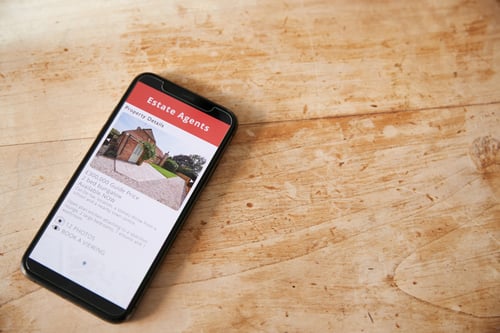
When it comes to real estate on social media, watching how things go matters more than chasing applause. Likes and growing numbers might feel good – yet they tell little about true progress. What shifts results? Looking closer at signs tied directly to deals made, leads gathered, conversations started. Success hides not in popularity but in what follows after the post goes live.
Every now and then, more people start visiting a profile or sending messages out of interest. A rise in property tour requests often follows close behind. Sometimes, someone asks to chat about services right after browsing online. More activity like this usually means the way homes are being promoted is working well. Interest grows when potential clients see something that speaks directly to their needs.
When analytics show what content grabs attention, agents shift toward those posts. Because response patterns point the way, effort follows where interest shows up.
The Future of Social Media in Real Estate
Facing forward, social media stays central to how property markets evolve. When fresh apps appear along with different ways to share content, those selling homes must shift fast just to keep up – speed brings edge.
Right now, moving pictures on screens pop up more and more when houses get sold online. Picture walks through homes streamed live give buyers a feel for spaces as if they were there. Talking back and forth during these moments helps agents show what they know without delay. Each second spent sharing insight builds trust faster than old methods ever did.
Facing a world where online presence matters more every day, those agents building solid social media habits now stand to gain most down the line in real estate.
Frequently Asked Questions
- Why is social media important for real estate professionals?
From behind a screen, agents meet future clients through social platforms. By posting updates, they display homes that might catch an eye. Insights about pricing trends appear alongside snapshots of neighborhoods. Trust begins long before a meeting happens – quiet moments online add up. Sharing consistent thoughts on housing shifts how people see expertise. - What type of content performs best for real estate marketing on social media?
Stuff people actually find helpful usually gets the most attention. Take, for instance, walking through homes on camera, showing what life looks like in different areas, sharing how prices are shifting lately – these kinds of things stick. Break down steps involved in purchasing or letting go of a place using everyday words. Clear explanations about transactions? Those often land well with folks just trying to understand how it all works. - How often should real estate agents post on social media?
Showing up the same way each time beats how often you show up. Three to five posts weekly works well for most people in real estate, especially when they keep replying to follower comments and messages on a steady basis. - Can social media generate real estate leads?
True enough – sharing useful posts on social platforms helps agents connect with potential clients. Because someone sees value in what’s shared, they might slide into DMs or click through to get in touch. - Who handles social media better for real estate pros – the agents themselves or someone hired just for that job?
Not every agent handles their online presence alone – most bring in help to get stronger outcomes. With support from seasoned pros like Bloom Agency, property promotion stays steady, sharp, and moving toward lasting success.






Rahul M.
B2B Service Provider