
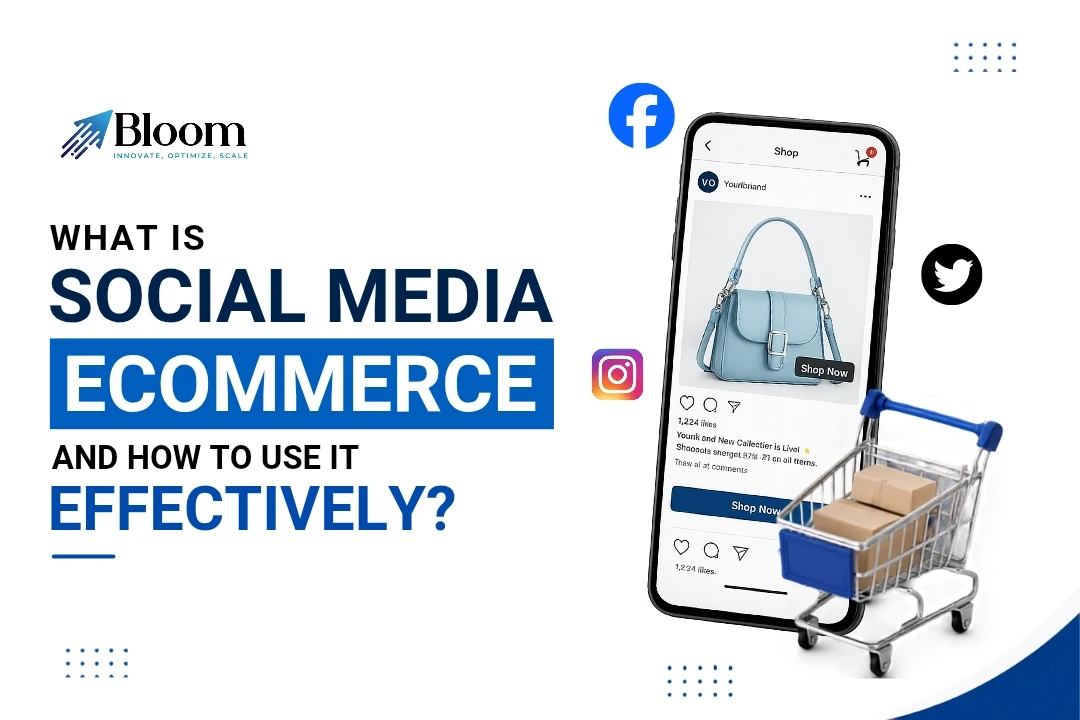
Social media has basically finished this structural shift from a brand discovery channel into an all-in-one commercial engine, you know. The old style of digital retail—where someone saw a social ad, tapped a link, then had to wait for a separate website to load , then picked product details, and finally typed payment info into some checkout page that always felt unfamiliar—ended up creating this heavy friction. And that friction, it drove noticeable drop-off, like a lot.
Now in the modern digital economy, social media eCommerce removes those conversion hurdles by stuffing native digital storefronts right into the experience, plus interactive product tags, augmented reality try-on, and one-touch in-app checkout systems all sitting inside the continuous scrolling feed. So consumers can discover, evaluate, and buy goods without leaving the app they already have open. In other words, modern brands can capture spontaneous buying intent and turn passive content engagement into revenue, really fast, sometimes in seconds
This commercial evolution is also backed by faster changes in how people shop globally. Younger consumer groups—especially Gen Z and Millennials—are using platforms like Instagram, TikTok, Pinterest, YouTube, and Snapchat not only as social feeds or entertainment outlets, but like visual search engines for product discovery, trend confirmation, and peer commentary. For B2C brands, a strong, fully optimized social commerce setup is not some future idea anymore; it’s a basic operational must-have. At the same time, B2B organizations lean on executive-heavy networks such as LinkedIn and YouTube to influence complex high value procurement decisions, using interactive video walkthroughs, thought leadership streams, and direct messaging workflows
Still, building, optimizing, and scaling a native social commerce strategy isn’t just guesswork. It requires a deep dive into platform mechanics, content structures, technical integrations, and strategic execution, no shortcuts there.
Defining the Modern Social Commerce Ecosystem
Social media agency eCommerce means the end-to-end process where product discovery, consideration, and the transaction happen inside the social media application itself. Traditional eCommerce, by contrast, leans on pushing traffic from outside sources into a central domain or a third party marketplace like Amazon. Social commerce flips that idea and brings the digital store to the user’s current context, where they’re already spending attention.
1. Meta Ecosystem (Facebook and Instagram)
Meta is still kinda the global leader in social commerce, with this linked up setup that’s meant for discovery and then native checkout, not like a detour. The whole thing feels like one ecosystem, so people move from browsing to buying pretty smoothly, even if it’s not always obvious at first.
Facebook and Instagram Shops: These are customizable storefronts, optimized for phones, where brands can show a curated product set right on their main brand pages. People can walk through the full catalog, pick the right variant, and finish their order right there inside the app.
Shoppable Posts, Stories, and Reels: For businesses and tagged creators, interactive product labels can sit on top of feed images, short-lived stories, or those quick video reels. You tap a tag, it opens a native product page, then purchase options are right there, no extra loading maze.
Live Stream Shopping: Brands can do real-time broadcasts where hosts showcase physical products. Product cards get pinned and appear at the bottom of the video stream as it plays, so viewers can tap and buy while the demo is still happening.
Facebook Marketplace Integration: This part is really strong for local inventory distribution, refurbished goods, and getting a direct line to shoppers. Businesses can connect Marketplace feeds with their bigger Facebook Shop arrangement, which helps expand reach in a more reliable way.
Conversational Commerce via Messaging: Instagram Direct and Facebook Messenger work like instant sales consultation, in a very straight forward way. Automated flows plus human support can handle sizing questions, share tailored discount offers, and close the sale while it’s still happening inside the direct message thread.
2. Snapchat
Snapchat basically leads with camera-driven commerce, and it leans hard into augmented reality (AR) to close that gap between digital interaction and the physical item itself. It’s not only about viewing… it’s more like experimenting.
AR Shopping Lenses: These are interactive camera filters that let users virtually “try on” items such as apparel, sneakers, eyewear, and cosmetics, using either the front or rear camera on the phone. This tactile-ish experience boosts buyer certainty, and it tends to reduce return rates, a lot more than you might expect.
Shoppable AR and Catalog Ads: Brands can tie their product catalogs directly to Snapchat’s ad formats, across the Discover tab and user stories. The ads can be dynamic and include swipe-up style pathways that send people to a streamlined checkout page, faster and with less friction.
3. Pinterest
Pinterest kind of works like an inspirational visual search engine , it captures people right when they’re thinking ahead during the planning stage of a high intent purchase journey… stuff like home design, fashion upgrades, and event planning , you know
Product Pins: These are enhanced pins that automatically sync pricing, inventory, and detailed item descriptions straight from a brand’s eCommerce website catalog.
Pinterest Lens & Visual Search: This is a visual discovery feature where users can take a photo of a real world object and then instantly find matching or similar shoppable items across Pinterest’s merchant network.
Shop Tab: There’s a dedicated shopping tab inside search results plus in user profiles, it pulls together tagged, buyable pins into one more cohesive catalog experience.
4. YouTube
YouTube connects creator energy and longer form video content directly with merchandise distribution , and it becomes a pretty major destination for product research, plus those unboxing reviews people trust
YouTube Merch Shelf & Product Overlay: Brands and verified creators can place a scrollable carousel of relevant products either right below the video player, or as interactive overlays while the video is still playing.
Live Broadcast Commerce: During live streams, streamers can spotlight specific items, they show pinned product links on screen so viewers can shop without fully leaving the watch moment
Key Pillars for Executing a High Converting Social Commerce Strategy
Putting a catalog onto a social platform is only the starting point, yes. If you want real sustained profitability, you need an active operating approach that’s built on high impact creative, social proof, and customer communications that feel effortless, not confusing or slow.
Developing Native, Video-First Content
Regular print or static banner stuff usually doesn’t convert much anymore on modern social platforms. The content has to feel like it belongs in the feed, not like it was dropped in from another planet. Brands need to lean into short-form video that teaches , entertains, or just gives people a reason to care within the first three seconds. Showing a product solving a real problem in a slightly messy real-world scenario, tends to beat those super clean corporate studio takes , most of the time.
Leveraging Micro-Influencer Communities
Partnering with micro-influencers (creators with 10,000 to 100,000 hyper-engaged followers ) can drive really strong return on ad spend. These creators usually already have credibility in their little corners of the market. Give creators native tagging privileges so they can tag your products directly in their organic posts. That creates this straight, high-trust pipeline to your digital store, which feels less like “ads” and more like a recommendation.
Implementing Conversational Messaging & AI Automation
When people shop on social media marketing packages they kinda expect instant replies. If someone comments on a post , or drops a direct message asking about material, sizing, or delivery times, a slow response can mean the sale slips away. Putting intelligent conversational chatbots inside direct message channels handles routine pre-purchase questions 24/7, and basically guides the person right toward checkout.
Essential Best Practices for Sustained Performance
To maximize ROI and keep building long-term brand equity across social commerce, brands should follow these operational moves:
Optimize Product Catalogs Continuously : Make sure inventory feeds update automatically across all connected social channels. Showing out-of-stock items or wrong pricing ruins trust and also wastes ad budget, pretty quickly.
Prioritize Mobile-First Asset Design
Every image video, and text overlay needs to work for vertical smartphone screens. The text has to be readable without squinting, and product details should stay clear even on smaller displays.
Combine Organic Nurturing with Paid Social Ads
Organic builds community and helps retention, but paid shopping ads are how you scale acquisition. Use dynamic product ads to retarget people who viewed specific items in your social store.
Encourage and Reward Tagged Content
Create post-purchase post cards , or digital receipts, that nudge buyers to post unboxing videos using a brand hashtag and tagging your profile so they could be featured.
Respect Platform Culture
Don’t cross-post the exact same media assets across every platform at the same time. Adjust the vibe, vertical format, and caption style to match what each network actually expects from its users.
Driving Measurable Revenue Growth with Bloom Agency
Running and integrating a multi-channel social eCommerce operation takes a lot of technical plus creative coordination. From setting up catalog API feeds across Meta, Pinterest, and Snapchat to producing short-form video assets that actually convert, and managing paid retargeting funnels—brands have to execute across multiple disciplines, at once, basically.
Bloom Agency is a strategic partner for brands trying to scale their digital commerce presence. They combine technical infrastructure auditing, dynamic ad account management, creative strategy, and performance optimization. The goal is to turn social channels into predictable revenue drivers, not just “nice brand awareness.”
If your organization needs to build custom native storefronts, launch high-converting shopping ad campaigns, or design an end-to-end conversational sales funnel, teaming up with specialized experts helps keep you ahead of algorithm changes and improves customer lifetime value.
Final Thoughts
Social media eCommerce is the real present and the future of online retail. When you reduce the gap between inspiration and purchase, social commerce lets brands capture attention right at the moment of discovery. The businesses investing in native storefront infrastructure, prioritizing authentic video storytelling, and building frictionless shopping experiences on social platforms today, will end up with a competitive edge that only gets stronger as each market cycle rolls in.
Frequently Asked Questions (FAQs)
- How does social media eCommerce differ from traditional eCommerce?
Traditional eCommerce mostly means you pull shoppers in via external ad sources, then they head to a brand’s standalone site or a third-party marketplace where the whole buying step happens. Social media eCommerce, on the other hand, keeps the full path, from first product spotting to the final checkout, inside the social app. So there’s no real need to redirect them out to a separate web browser , kinda like the journey stays inside the same place.
- Which social media platform offers the best return on investment for social commerce?
There isn’t one single winner, it really depends on your product type, and who you’re trying to reach. Meta platforms (Instagram and Facebook) tend to have the most complete native storefront features plus strong ad targeting. Snapchat often shines with camera-led AR try-ons for Gen Z shoppers. Pinterest is great for high visual intent, especially lifestyle and home related categories, and YouTube can drive solid conversions through creator reviews , plus video merchandise shelves.
- Will native social storefronts replace traditional eCommerce websites?
Not exactly. Native social storefronts are more like a strong sidekick to standalone websites than a total replacement. Social storefronts are excellent for quick taps and impulse buys, but a central brand website still matters for deeper catalog management, custom loyalty programs, wholesale stuff, and for keeping first-party customer data in one place.
- How do augmented reality (AR) shopping tools impact conversion rates?
AR tools, like Snapchat Lenses or virtual try-on features, let users picture products such as cosmetics, eyewear, apparel, or home decor right in their own environment. This kind of hands-on visualization helps close the physical-to-digital gap, which boosts confidence, raises conversion rates, and usually lowers return rates too.
- Why is conversational messaging essential for social commerce success?
People on social platforms expect answers fast, like real-time back-and-forth. When brands add automated messaging plus AI assistance inside direct message channels, they can immediately reply to pre-purchase questions around sizing, stock, or shipping timelines. That stops shoppers from bouncing, and turns casual curiosity into actual completed orders.
Final Thoughts
Social media eCommerce is, honestly, the present plus the future of online retail. By tearing down the awkward pause between “I saw it” and “I want it,” social commerce lets brands catch consumer attention right when discovery happens. The companies that invest in native storefront setup, focus on genuine video storytelling, and keep the shopping flow smooth inside social platforms today, will end up with a competitive edge that gets tougher, not weaker, as each new market cycle rolls in.

Neetu Wadhwa is the Director of Bloom Agency, a Mumbai-based full-service digital marketing and web development company. With a strong focus on performance, innovation, and strategy, she leads the agency in delivering SEO, web design, and growth marketing solutions that drive measurable business outcomes.



Rahul M.
B2B Service Provider