

Objective
Money is personal. People don’t just hand over their trust to whoever shows up first in a Google search — but they do start there. That’s the whole reason search visibility matters so much for Financial Services Firms trying to win new clients online. This guide walks through what SEO actually looks like in the finance space, why it’s worth the time and budget, ten strategies we’ve seen work in practice, roughly what it costs, and a few mistakes that quietly wreck otherwise decent campaigns.
Key Takeaways
- Search intent and long-tail keywords help financial firms attract prospects who are ready to take action.
- Demonstrating expertise through credible, regularly updated content improves trust and search visibility.
- Optimizing for AI Overviews, voice search, and featured snippets is becoming essential for maintaining online visibility.
- Technical SEO, structured data, and mobile performance create a stronger foundation for higher rankings.
- Continuous tracking, local optimization, and quality backlink acquisition contribute to long-term SEO success.
Want more qualified leads without the guesswork? Bloom Agency builds SEO around firms that can’t afford to gamble on rankings.
The strongest SEO strategies for Financial Services Firms come down to a handful of things that actually matter: genuine E-E-A-T signals, content written to educate rather than sell, long-tail keyword targeting, a technically sound website, and enough structure to hold up under Google’s YMYL scrutiny. Throw in local visibility and a plan for AI-driven search, and you’ve got something that keeps compounding instead of fizzling out after one good quarter.
Worth knowing: Google isn’t rewarding shortcuts anymore, if it ever really did. What it rewards is content that reads like someone who knows the subject actually sat down and wrote it — not content assembled to game an algorithm.
Financial services is about as competitive as the internet gets, and that’s exactly why SEO matters here more than most industries. Consumers are researching advisors, lenders, and planners on Google long before they pick up a phone, and a firm that doesn’t show up simply isn’t in the running.
Table of Contents
- What is SEO for financial firms, and what’s shaping it right now?
- Why does SEO matter for your firm?
- Ten SEO strategies that move the needle
- What does financial SEO actually cost?
- In-house team or an agency — which fits you better?
- A quick look at real numbers
- Get more clients with Bloom Agency
- FAQs
What is SEO for financial firms, and what’s shaping it right now?

SEO for Financial Services Firms boils down to making your website and content easy to find, easy to trust, and easy to act on — for search engines and for the humans reading the page. That covers keyword research, content, site speed, structured data, and the backlinks pointing to your domain, among other things.
A handful of trends are changing how this plays out in 2026, and it’s worth knowing them before you build a strategy:
- AI-generated answers. Google’s AI overviews are lifting summarized answers straight into the results page now, so content has to be structured well enough to get quoted, not just ranked.
- Voice search. More people are asking, out loud, “who’s the best financial advisor near me” — and that changes how you should be phrasing keywords in the first place.
- Zero-click results. A growing chunk of searches never end in a click at all. Worth being strategic about which pages you actually want ranking for informational queries versus the ones meant to convert.
- Mobile-first indexing. Google looks at your mobile site first, period. A clunky mobile experience drags rankings down no matter how polished the desktop version is.
- Regulatory sensitivity. Financial content sits squarely in Google’s “Your Money or Your Life” bucket, so accuracy, sourcing, and who actually wrote the piece matter more here than in almost any other niche.
Want rankings that don’t rely on guesswork? Bloom Agency’s SEO services are built around exactly these shifts.
Why does SEO matter for your firm?
Financial services is a crowded space, and clients gravitate toward whoever they can actually find. SEO matters for Financial Services Firms for a few reasons that, honestly, aren’t complicated:
- High-intent traffic. Someone searching for tax help or wealth management advice usually isn’t browsing casually — they’re close to making a call.
- ROI that compounds. Paid ads stop the moment you stop paying. Organic rankings keep bringing people in long after the initial work is done.
- Instant credibility. Sitting near the top of Google tells a prospect you’re legitimate before they’ve even opened your homepage.
- Local reach. A solid local SEO setup puts your firm in front of people searching right in your own city.
- A gap most competitors haven’t closed. Plenty of small and mid-sized financial firms still treat SEO like an afterthought. That’s an opening, not a coincidence.
Ten SEO strategies that move the needle
This is where the actual strategy gets built. Below are the tactics we keep coming back to because they consistently move rankings, build trust, and turn browsers into leads for Financial Services Firms.
1. Start with intent, not just keywords
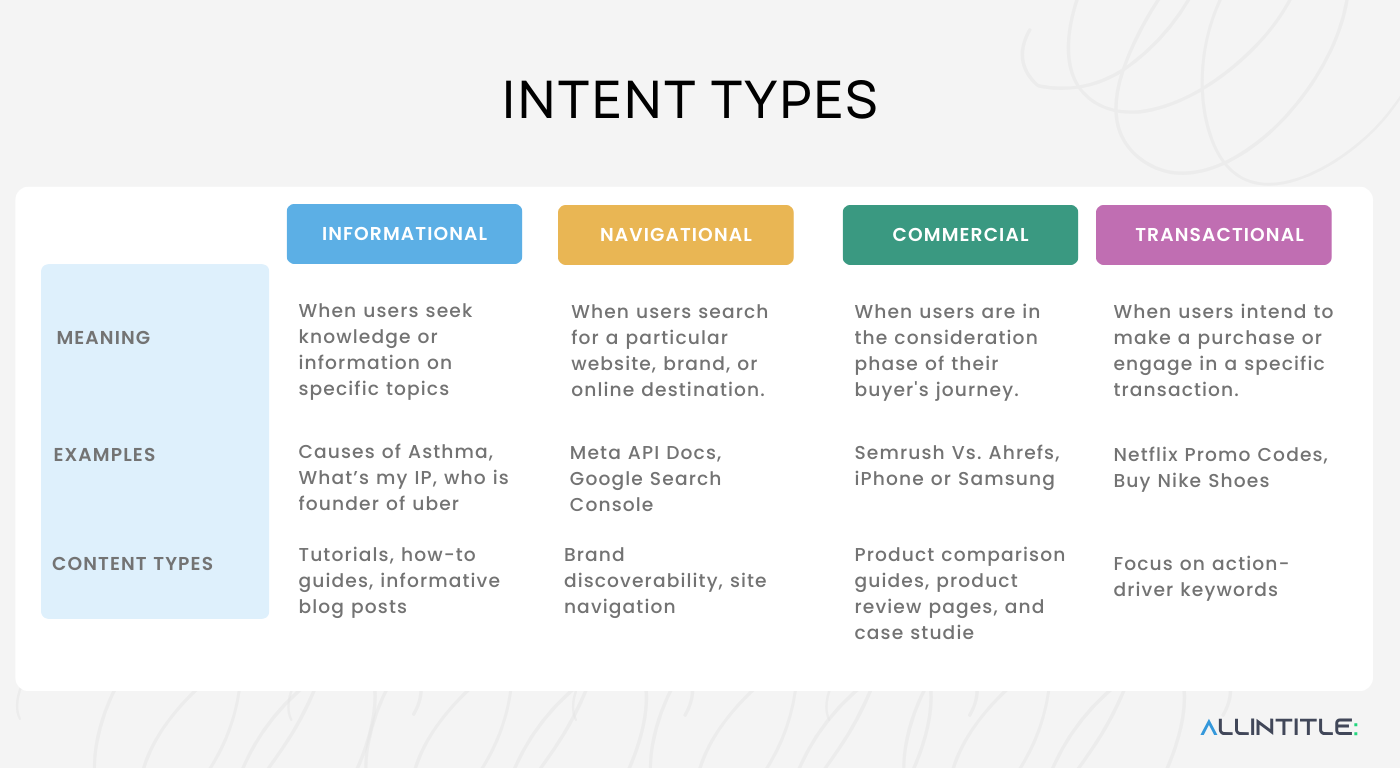
Generic keywords rarely convert in finance — there’s just too much noise. The real opportunity is figuring out what someone’s actually trying to solve when they type a query into Google.
- Go after transactional, high-value search terms instead of broad ones that sound impressive but don’t convert.
- Build landing pages that map directly to specific services and the intent behind them.
- Look at where competitors already rank and find the gaps they haven’t filled.
- Long-tail phrases tend to signal someone closer to actually hiring or investing, so don’t skip them.
2. Write content that proves E-E-A-T instead of claiming it

Google doesn’t take financial content at face value anymore, and neither do readers, frankly. Every page needs to show that whoever wrote it actually knows what they’re talking about.
- Bring in writers or reviewers with real, checkable credentials — CFP, CFA, CPA, that kind of thing.
- Back up claims with links to sources like IRS.gov, SEC.gov, or CFPB.gov rather than vague assertions.
- Keep the structure clean — headers, short paragraphs, easy scanning. Bloom’s SEO copywriting services are built around exactly this.
- Go back and update older posts whenever rates, regulations, or rules shift, which in finance is often.
3. Build topic clusters instead of random posts

Publishing blog posts here and there without a plan rarely builds real authority. A cluster approach — one pillar page linking out to a handful of detailed subtopics — tells Google your site is an actual resource, not just a stack of articles.
- Pick a broad pillar topic, something like retirement planning or wealth management.
- Write supporting pages that go deep on the related subtopics underneath it.
- Link cluster pages back to the pillar deliberately, not as an afterthought.
- Keep adding to the cluster as new client questions surface — they always do.
4. Strengthen local visibility

If your firm serves a specific city or region, local search is probably the fastest route to a new client you have. Local results sit above the regular organic listings, and that placement alone drives real inquiries.
- Fill out your Google Business Profile completely, and actually keep it updated.
- Go after “near me” searches — think “financial planner near me” — through solid local SEO work.
- Keep listings consistent across directories like Yelp and the BBB; inconsistency quietly hurts you.
- Build separate location pages if you operate across more than one city.
5. Optimize for AI search, snippets, and voice
Search behavior has shifted fast, and Financial Services Firms that want to stay visible now need to show up inside AI overviews, snippet boxes, and voice answers — not just the traditional blue links most of us grew up with.
- Open each section with a tight 40–60 word answer that could be lifted straight into a snippet.
- Use clear Q&A formatting wherever it makes sense.
- Target conversational, question-based phrases that match how people actually talk.
- Lean on AI SEO services to get ahead of how clients phrase spoken and AI-assisted searches.
6. Fix the technical foundation first

None of the above matters much if the site itself is slow or half-broken. Strong technical SEO is the groundwork everything else has to sit on.
- Get load times under 2.5 seconds if you want to meet Core Web Vitals.
- Make sure HTTPS is configured properly across the whole site, not just the homepage.
- Prioritize mobile performance — Google’s indexing the mobile version first, remember.
- Run audits regularly. Bloom’s SEO audit services catch crawl errors before they quietly cost you rankings.
7. Earn backlinks that actually mean something
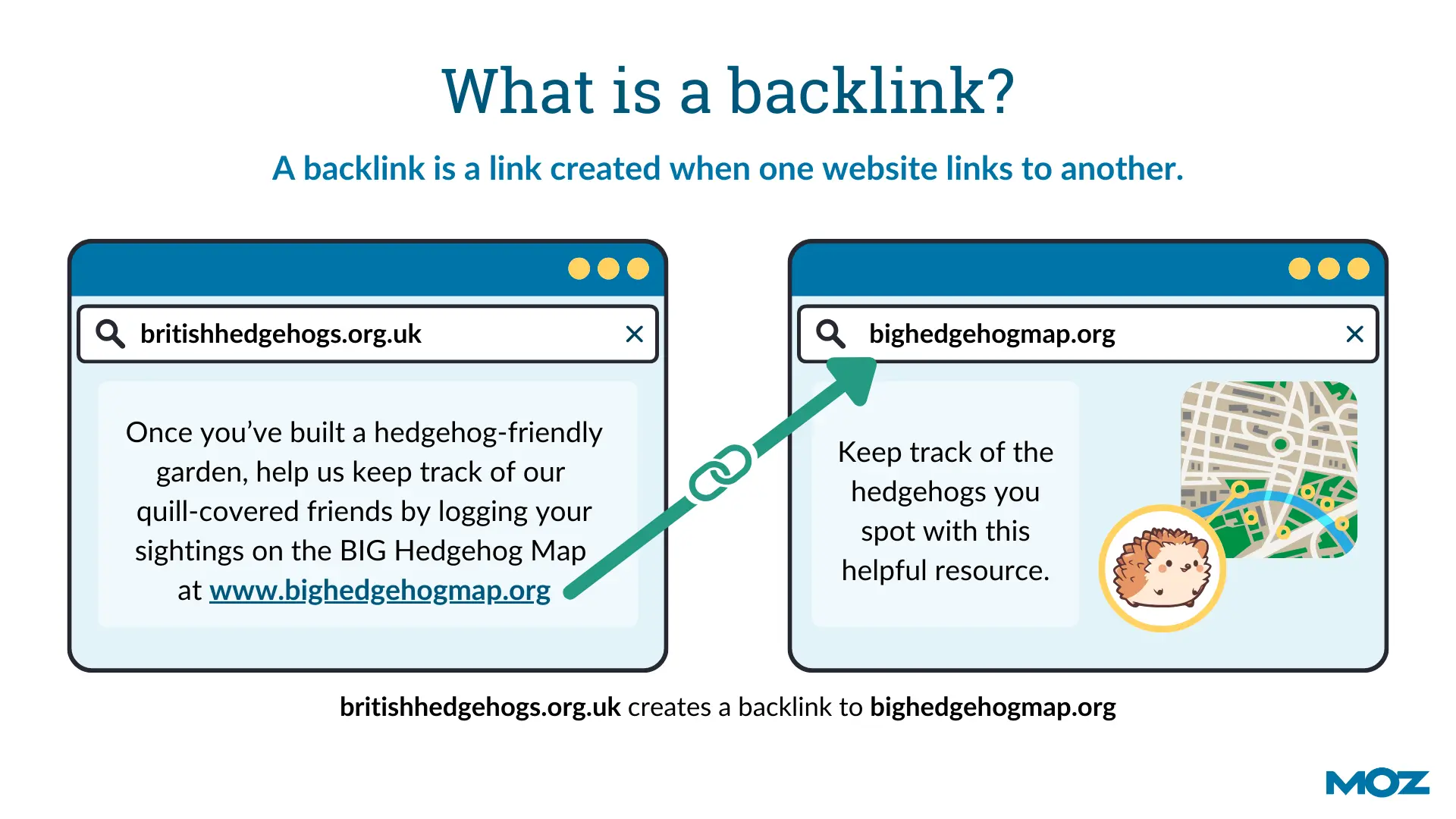
Links are still one of Google’s strongest ranking signals, and in finance, quality beats volume by a wide margin.
- Chase digital PR opportunities that could land a mention in Forbes or MarketWatch.
- Use guest posting to place genuine expert commentary on reputable financial sites.
- Work with a link building partner who can land placements on .gov and .edu domains.
- Build relationships with CPAs and law firms — natural link exchanges tend to come out of those partnerships anyway.
8. Use schema markup to stand out

Structured data helps Google understand your content faster, and it can make your listing noticeably more prominent in the results.
- Add LocalBusiness schema so your name, address, and hours show up directly in search.
- Use FAQPage schema to expand your listing with a visible Q&A right there in the SERP.
- Apply Review schema to surface star ratings on the results page itself.
- Implement Article schema to signal your content is current and, ideally, authoritative.
9. Give visitors something to actually use
Tools and calculators keep people on the page longer, and they tend to earn natural backlinks from other sites over time — which quietly builds authority without you asking for it.
- Build a retirement savings calculator; it answers one of the most common client questions on its own.
- Add a mortgage payment estimator for people still deep in research mode.
- Offer an investment return projector to show long-term value in a way numbers alone can’t.
- Fold these tools into a wider content strategy so they’re not just sitting there unused.
10. Track everything, then actually change something

SEO isn’t a set-it-and-walk-away channel, no matter how much anyone wishes it were. The firms that keep growing are the ones actually reviewing performance and adjusting course, not just checking a dashboard once a quarter.
- Use Google Analytics 4 to track organic traffic, conversions, and behavior over time.
- Check keyword rankings weekly with something like Ahrefs or Semrush.
- Review Google Search Console monthly for crawl issues and dips in impressions.
- Let the data steer the next move — not a hunch, even a good one.
What does financial SEO actually cost?
Most Financial Services Firms working with an experienced partner start seeing real movement somewhere between three and six months in. Here’s a rough sense of what different service levels tend to run:
| SEO Service | Monthly Cost Range | Best For |
| Freelance SEO Specialist | $250–$1,000+/month | Small firms with a tight budget and fairly basic needs |
| Financial SEO Agency (like Bloom) | $350–$1,500+/month | Mid-sized to large firms that want full-service management and steady growth |
| In-House SEO Team | $500–$2,500+/month | Enterprises with heavy content demands and ongoing, large-scale SEO needs |
In-house team or an agency — which fits you better?
Whether you build an internal team or bring in a dedicated SEO services partner usually comes down to budget, timeline, and how quickly you actually need results. A few things tend to separate the two:
- Cost. In-house hiring means salaries, tools, and benefits stacking up fast. An agency typically runs on a retainer that flexes with your needs instead.
- Expertise. One or two in-house people know your brand inside out, but an agency brings a whole bench — content, technical, link building, all working together.
- Speed. In-house teams often need time to ramp up and get their bearings. Agencies tend to move faster simply because the systems already exist.
- Perspective. Your internal team understands your processes deeply. Agencies bring patterns picked up across dozens of other financial clients, which counts for something too.
- Scalability. In-house SEO is capped by how many people you can hire. An agency scales up or down as your goals shift, without the hiring headache.
A lot of finance and wealth advisory teams eventually land somewhere in between — a small internal point of contact paired with an agency handling the heavy lifting.
A quick look at real numbers
One of the Financial Services Firms we worked with came to us with decent impression numbers but not much else to show for it — low rankings, weak click-through rates, and barely any qualified leads actually making it to the inbox.
We rebuilt the approach around E-E-A-T-focused content, cleaned up the technical issues that were quietly slowing things down, built out proper topic clusters, earned a handful of genuinely high-authority backlinks, and tightened SEO services signals across the board.
Here’s what changed over a sustained stretch:
- Organic impressions went from 759K to 1.3M.
- Organic clicks climbed from 15.6K to 18.7K.
- Average keyword position improved from 23.9 to 10.1.
- Visibility for high-intent financial searches picked up noticeably across the site.
Get more clients with Bloom Agency
Financial services is one of the toughest spaces to stand out in online, but the firms that stick with consistent, compliant SEO tend to pull ahead and, more importantly, stay there. Financial Services Firms that combine intent-driven keywords, credible content, local visibility, solid technical health, and real backlinks end up with something that keeps working long after this month’s budget is spent.
Bloom Agency brings all of it together under one roof — technical SEO, content strategy, lead generation SEO, and link building — backed by data instead of guesswork. If you’d like a second opinion on where your strategy actually stands, get in touch with our team and we’ll walk you through it, no pressure.
FAQs about SEO for financial firms
What is SEO for financial firms? It’s the process of optimizing a firm’s website and content so it ranks for the searches potential clients are actually running — covering keywords, content, technical health, and backlinks, all together.
What are the best SEO strategies for financial services firms? Intent-focused keyword research, E-E-A-T-driven content, topic clusters, local SEO, technical fixes, schema markup, real backlinks, and consistent performance tracking — none of it works well in isolation.
Why choose Bloom Agency for financial SEO? Bloom pairs industry-specific experience with a full-funnel approach, so technical, content, and link-building work happen together instead of in separate silos, with reporting that’s actually transparent.
How long does SEO take to show results for a financial firm? Most firms see meaningful movement within three to six months, though it shifts depending on competition and where the site was starting from.
What is local SEO for financial services? It’s optimizing your Google Business Profile, citations, and location pages so your firm shows up for “near me” searches in the areas you actually serve.
How do I choose the right SEO agency for my financial firm? Look for real experience in regulated industries, transparent reporting, and a track record that includes measurable ranking and lead gains — not just promises.
What keywords work best for financial services SEO? Long-tail, intent-driven phrases usually beat broad ones — “fee-only financial advisor for retirees” will outperform just “financial advisor” almost every time.
What is E-E-A-T, and why does it matter here? It stands for Experience, Expertise, Authoritativeness, and Trustworthiness — Google’s way of evaluating content in sensitive categories like finance, where bad advice can genuinely hurt someone.
Do finance firms need a blog? Yes, pretty much. A blog is the natural way to target long-tail keywords, build topical authority, and show expertise — all of which feed straight back into stronger rankings over time.

Neetu Wadhwa is the Director of Bloom Agency, a Mumbai-based full-service digital marketing and web development company. With a strong focus on performance, innovation, and strategy, she leads the agency in delivering SEO, web design, and growth marketing solutions that drive measurable business outcomes.







Rahul M.
B2B Service Provider