

A website is more than just some online brochure thing , right ? It kinda shows your business off, it pulls in possible customers, it makes leads, and it helps you grow over the long haul. But a lot of companies throw serious money at mobile SEO , content marketing, paid ads, and social media… without really checking how the website itself is doing. Over time even well made sites slowly pick up problems , the kind that reduce performance in a quiet way. Broken links , crawl troubles, old content , duplicate pages , weak mobile usability, super slow load times, and indexing hiccups often stay hidden until organic traffic starts dropping
One of the annoying parts is that these website problems usually do not show up overnight. Search rankings tend to slip gradually. A page that was #1 today can slowly drift to the third or fourth position over a few months, mostly because of technical issues or shifts in how search engines think. Then organic traffic drops, conversions start to weaken , and businesses end up blaming competitors or “some algorithm update” without actually finding the real thing that changed. A website audit brings it into focus by uncovering those sneaky issues before they start hitting revenue
At Bloom Agency, every solid SEO push starts with a full website audit. We dont just look for technical errors. We check every angle of performance, like SEO, user experience, content quality, site speed, AI search readiness, and conversion optimization. The goal is not only to climb in rankings, but to build a stronger digital base that supports long term growth
What Is a Website Audit?
A website audit is basically a complete check of your website’s health and how effective it is. It looks at how well your site works for both search engines and real people while also spotting technical, structural, and content issues that can limit visibility or lower conversions
A lot of folks assume it’s only a technical SEO report. But a real, professional website audit is way broader. It looks at how search engines crawl and index your pages, how visitors move through your site, whether your content actually matches search intent , and whether each part of your website supports your business objectives
A comprehensive audit usually covers SEO, architecture, page speed, Core Web Vitals, internal linking, metadata, structured data, mobile friendliness, user behavior, conversion tracking, content depth, backlink profile, and also newer AI search optimization signals. These parts affect each other. Great content can’t fully shine if search engines can’t crawl it properly. And technically “perfect” sites still underperform if the content misses what users want
When you review everything together , you get a clearerpicture than when you check items one at a time. Instead of treating SEO, web development, and user experience like totally separate worlds, a website audit shows how they connect and influence both visibility and customer engagement
Why Website Audits Matter More Than Ever in 2026
SEO has changed a lot in the last few years. Google keeps refining its systems to reward websites that deliver top notch user experiences, trustworthy info, and clean technical infrastructure. At the same time AI driven discovery tools—like Google AI Overviews, ChatGPT, Gemini, and Perplexity—are changing how people find answers online
Modern search engines look way beyond keywords. They also analyze loading speed, mobile usability, structured data, topical authority, engagement signals, internal linking, security, and content quality before they decide which sites deserve higher rankings
Since search tech keeps evolving, websites that did great a few years ago can slowly lose visibility if they are not cared for. Regular website audits help businesses adjust to new expectations while spotting improvement openings before competitors slide ahead
A proactive audit also helps companies prepare for the next algorithm changes, instead of reacting after rankings are already down. When technical health stays strong, and high quality content keeps getting published, businesses lower the chance of sudden performance drops, while building a more stable SEO strategy
Common Reasons Websites Lose Rankings
Many businesses see traffic fall, but they dont always understand why it’s happening. Yes, Google updates get blamed a lot, but ranking drops are usually caused by multiple factors working together, not one single problem
One of the biggest triggers is a website redesign. During redesigns, important URLs might change, internal links can vanish, metadata can get rewritten, and redirects might be set up wrong. Even if the new design looks impressive, SEO can take damage if technical needs are ignored
Content changes can also shift rankings. If valuable info gets removed, if the keyword focus changes too much, or if duplicate content appears, topical relevance often weakens. Also, plugin updates, server moves, broken JavaScript, and indexing errors can create technical problems that build up over time and then reduce search visibility
Competition matters too. Search results keep changing because competitors improve, publish better material, and strengthen their authority. A page that ranked first a couple years ago may no longer meet modern search intent, or it might not match the quality level users expect today.
Understanding what people really want during an audit

One of the biggest changes in modern SEO is how much search intent matters. Search engines don’t just rank pages because they happen to contain certain keywords. Instead they check, more or less, if the content actually helps the person. Like, do they genuinely answer the question or solve the little problem they came with.
During a website audit, you basically evaluate whether the existing pages still match current search intent. Some pages might be aiming at informational queries , when the user is really trying to take action. Other pages may stay at a kind of surface-level explanation, while competitors publish more complete guides, and that tends to satisfy expectations better.
To match intent you have to grasp what someone is hoping to do when they type a search. If someone searches for “best CRM software” they usually want comparisons and recommendations, not a vague overview. But if they search for “buy CRM software” they’re much closer to a purchase decision, so the page needs proof, pricing details, and a clear next step.
When businesses review content through this lens of user intent, they can improve engagement, lower bounce rates, and reinforce topical authority. And, honestly, all of that usually helps rankings move in the right direction.
Conducting a Technical SEO audit
Technical SEO is kinda the backbone, yeah, of almost every website that wants real results. No matter how informative your content is, or how much you grind on digital marketing, search engines still have to be able to discover, crawl, understand and index your pages first. And if some technical stuff blocks Google ads from reaching the important content, then even your “best” pages can end up stuck, because rankings just wont come easy.
A technical SEO audit is basically about spotting problems that are often invisible to visitors but huge for search engines. Things like crawl errors, indexing issues, duplicate content, redirect chains, broken links, XML sitemap troubles, robots.txt configurations, canonical tags, HTTPS implementation, structured data, and URL architecture. These parts may feel like hidden mechanics, but they still affect search visibility directly.
At Bloom Agency, we start technical SEO audits by checking how search engines interact with every single page, not just a few samples. Our specialists use advanced crawling tools plus Google Search Console, so we can surface bottlenecks that slow down crawling and indexing. Fixing those obstacles builds a stronger technical base, and then later SEO work usually performs better because the site can actually be processed correctly.
Improving Website Speed and Core Web Vitals
Website speed is now one of the biggest ranking signals and also a major user experience thing in modern SEO. People expect pages to load almost instantly, and that “few seconds” delay can cause higher bounce rates, lower conversion rates, and that general drop in engagement. Search engines notice this pattern, and they tend to favor websites that deliver a fast, stable experience.
In a website audit, we evaluate Core Web Vitals, which are Google’s performance metrics that measure loading speed, responsiveness, and visual stability. The metrics basically help you understand what users see and feel, not just how fast the server is.
Large image files, too much JavaScript, unnecessary plugins, render-blocking resources, slow hosting, and inefficient code are some of the most typical causes behind weak website speed. During an audit, each area is reviewed, so we can find clear opportunities for improvement rather than guessing.
Getting better performance is not only good for SEO. Faster sites usually keep visitors around longer, encourage them to explore more pages, complete purchases, and send inquiries. After speed improvements, businesses often see real, measurable changes in engagement relatively quickly.
Evaluating Website Architecture
A properly organized website helps both people and search engines move through information with less friction. Website architecture influences crawl efficiency, user experience, internal linking, and even topical authority.
When we audit, we look at navigation structure to make sure visitors can reach key pages within a few clicks. Category structures, URL hierarchy, breadcrumbs, and menu organization all for e-commerce influence whether browsing feels intuitive or kinda messy.
Search engines also benefit from a logical structure because it clarifies how different pages relate to one another and to topics overall. When architecture is poor, crawl budget gets wasted on pages that do not matter as much, while the content you actually care about ends up not being prioritized.
Improving website architecture supports future content expansion too. It creates a firmer foundation, and it often helps rankings across multiple keywords, not just one isolated term.
Reviewing Indexing and Crawlability
Another commonly overlooked part of SEO is making sure search engines can crawl and index every key page. A website audit checks whether important pages are actually indexed, while also spotting pages that should be excluded from search results. Sometimes duplicate pages, parameter URLs, or even staging environments get indexed by mistake, and then search engines basically get confused about what is “real.”
The audit also reviews XML sitemaps and robots.txt files so they guide crawlers correctly. If those settings are wrong, Google might accidentally block valuable pages, or point crawlers toward low-value content that does not help you.
When crawlability and indexing improve, businesses essentially help search engines spend time on the pages most likely to drive traffic and conversions.
Assessing Content Quality
Content is still one of Google’s strongest ranking signals, but just adding more words is not enough anymore. Search engines are increasingly focused on originality, expertise, depth, and usefulness.
A content audit reviews each major page to see if it matches current search intent. Older articles may have outdated details, and some service pages might not include enough substance to compete with stronger competitors.
Instead of pumping out huge volumes of brand-new content, businesses often get better results by updating what already exists. Expanding helpful sections, refreshing statistics, tightening keyword targeting, and improving readability are actions that frequently lead to noticeable ranking wins.
Bloom Agency handles content audits with a strategy-first mindset, meaning we identify high-potential pages that can deliver faster SEO gains using targeted optimization, not random rewriting.
Eliminating Duplicate and Thin Content
Duplicate content is still a frequent problem for many websites, especially large eCommerce stores and businesses that have multiple location pages.
When duplicates exist, it becomes hard for search engines to choose which version should rank. That usually weakens the authority of all the variants, and overall visibility drops. Thin content creates similar difficulties. Pages that contain minimal information often fail to satisfy user intent, and they struggle against more comprehensive resources.
During a website audit, duplicate content is consolidated when it makes sense, while thin pages are expanded or merged into stronger, more useful assets. This step strengthens topical authority, while also improving crawl efficiency, so the site can be interpreted more clearly overall.
Optimizing images for SEO and performance
Images help a lot with user experience, but they also can be trouble if they are not tuned properly. When the file sizes get too big, pages feel slow, and people just bounce. Also, missing alt text lowers accessibility, and it kinda blocks image search discovery too. Filenames like “IMG1234.jpg” feel kinda empty to search engines, so they provide very little context, you know.
That’s why a website audit typically checks image compression , modern formats, descriptive naming, alt attributes, lazy loading, and responsive delivery so the same image can fit different screens without wasting bandwidth.
When images are optimized well, you get both technical SEO and better accessibility, plus faster load times on desktop and mobile, which usually leads to better overall performance.
Testing the mobile user experience
Most searches now come from mobile, so mobile optimization is basically non optional if you want SEO to work. Google leans heavily on mobile-first indexing, so it uses the mobile version of your site as the main reference for ranking.
During a website audit, the mobile experience is tested in real terms: responsiveness, page layouts, the way navigation works, typography, form usability, how interactive parts behave, and of course loading speed.
Visitors should be able to move around your site without having to zoom constantly, without weird long scrolling surprises, and without interface hiccups. Buttons need to stay tappable, menus should keep flowing smoothly, and forms should be simple—like quick to finish.
Many businesses underplay how much mobile usability affects conversions. Even small usability upgrades can boost lead generation and online sales, while also cutting down bounce rates. Sometimes it’s not the big redesign, it’s the small friction that changes everything.
Analyzing user behavior and conversion results
Getting website traffic is only the start, kinda. The real yardstick for a website is how it converts, like turning visitors into leads, paying customers, or even just loyal subscribers. A site might pull in thousands of visits each month, yet if people just bounce, without doing anything meaningful, the whole operation is kind of losing out on useful chances.
A solid website audit should go way past the usual SEO numbers. It should look at how people actually behave and how well the site pushes them toward conversion. Tools like Google Analytics 4 and Google Search Console show you a lot about what visitors are doing on the website. You can spot which pages pull the most attention, where people land first, how long they stick around, and which pages actually encourage them to convert, or not.
When you map user journeys, you can catch the small stuff that blocks conversions. Like messy navigation, confusing page design, weak calls-to-action, forms that drag on too long, or landing pages that load slowly. these problems usually drag down lead generation and sales. When you clean them up, you’re improving the user experience, and at the same time you often get a better return on investment from SEO, and other digital marketing efforts too.
Understanding user behavior means decisions are made from real data, not guesses. Often, tiny updates to page layouts or conversion routes create surprising lifts in both inquiries and online revenue.
Preparing your website for AI search
Search has moved into a different phase, where people increasingly use AI-powered search experiences to find answers. Places like Google AI Overviews, ChatGPT, Gemini, and Perplexity are reshaping how results show up, and how websites get discovered.
Classic SEO still matters, of course, but modern audits should also ask if your content is ready for AI-based discovery. AI systems tend to highlight websites that show expertise, give clear answers, organize information in a sensible way, and use structured data in a way that’s easy to parse.
A modern audit usually checks things like schema markup, content structure, entity optimization, author credibility, and topical authority, all so AI systems can understand your pages quickly. When headings are clear, metadata is descriptive, FAQ sections are present, and the content is thorough, you raise the odds of being referenced inside AI-generated responses.
Companies that build AI-ready content now, generally earn more visibility later. It doesn’t necessarily replace traditional SEO either. Instead, AI optimization basically supports existing strategy by making the content easier for newer search tools to process.
The importance of website security
Website security is now a ranking signal and also a trust signal, it’s both. Users expect websites to keep their personal info safe, and search engines tend to reward secure experiences.
In an audit, you should confirm SSL certificates are properly set up, HTTPS is required across every page, and any security gaps are fixed quickly. Outdated software, plugins that aren’t supported anymore, weak passwords, and forms that don’t have proper protection can all leave the door open to avoidable risks.
Security also changes how confident customers feel. People are far more likely to finish purchases, or submit inquiry forms, when they believe their info is protected. So strong security supports SEO performance while also reinforcing business credibility.
Why regular website audits are essential
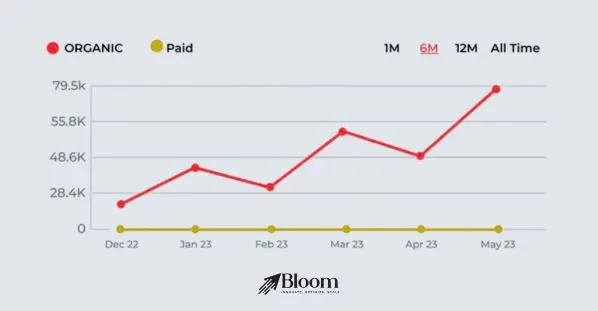
Some companies treat website audits like a one-time job, done only after traffic dips. But websites need ongoing checking, because search engines, competitors, and user expectations all keep shifting.
Google pushes out multiple algorithm updates each year, competitors publish new material constantly, tech changes faster than people think, and customer behavior doesn’t stay still. A site that looks strong today can slowly lose visibility later if it isn’t reviewed regularly.
For most businesses, doing a comprehensive audit every three months works well. It balances proactive maintenance with continuous improvement. Quarterly audits help catch technical problems before they grow into bigger issues, plus they keep content current and competitive.
You should also run extra audits after major changes, like redesigns, CMS migrations, domain shifts, big content pushes, or sudden ranking drops. Finding issues right after these moments helps prevent long-term SEO damage and makes recovery faster.
Why businesses choose Bloom Agency for website audits
At Bloom Agency, we think a strong SEO plan starts with understanding what’s happening right now with your website. We’re not interested in spitting out automated reports packed with technical buzzwords. Our audits aim to surface practical improvements that help rankings, traffic, user experience, and business results, directly.
Our crew blends technical SEO know-how, web development insight, content strategy, AI SEO optimization, and conversion rate analysis so the review fits each business, not just a template. Every suggestion is ranked by potential impact, so you can focus on changes that actually produce measurable outcomes.
The Bloom audit process looks at technical SEO, Core Web Vitals, website architecture, content quality, metadata, structured data, mobile usability, conversion performance, internal linking, backlink profile, and how AI search-friendly the site is. This bigger-picture method helps make sure every part of the website supports sustainable growth, instead of working alone, like in its own little bubble.
Frequently Asked Questions
What is a website audit?
A website audit is like a detailed look over your website, technical SEO stuff, content situation, user experience, mobile performance, page speed, security, analytics, and even how well you show up in search engines. It helps spot problems that might be messing with rankings, traffic , and conversions.
How often should I perform a website audit?
Most businesses should do a full website audit every three months. If you did a redesign, or a platform migration, or there was a big Google algorithm update, you should probably run extra checks. Also , if rankings or organic traffic drop quite a bit , an additional audit is a good idea.
Can I audit my website myself?
You can do a basic version yourself using free tools like Google Search Console and Google Analytics. But , a professional website audit gives deeper findings in technical SEO, content adjustments , competitor perspective, AI search readiness, and conversion opportunities that automated setups sometimes overlook.
Why is website speed important during an audit?
Website speed matters because it hits user experience first, then search rankings, and later conversion rates. When pages load slow, people bounce more, and engagement drops , so performance improvements become a must-have part of any website audit.

Neetu Wadhwa is the Director of Bloom Agency, a Mumbai-based full-service digital marketing and web development company. With a strong focus on performance, innovation, and strategy, she leads the agency in delivering SEO, web design, and growth marketing solutions that drive measurable business outcomes.





Rahul M.
B2B Service Provider