
ChatGPT is getting more and more, like slowly, into the modern search and discovery ecosystem, and ads inside AI platforms are drawing attention from businesses too. For brands looking at this new route, there is one big question that keeps coming up: how much do ChatGPT ads cost, really?
ChatGPT advertising tends to use a mix of pricing models like CPC, CPM, and bidding that focuses on conversions, depending on what the campaign wants to achieve and what ad inventory is actually on offer. Still, advertisers should separate the official platform guidance from the numbers that agencies, or early testers, say they’re seeing.
In this guide, Bloom Agency breaks down ChatGPT advertising costs, CPC and CPM pricing, campaign budgets, auction factors, targeting, plus how ChatGPT Ads stack up versus Google Ads and Meta Ads.
Key Takeaways
ChatGPT advertising is still basically an emerging paid-media channel, so costs can shift a lot based on the campaign objective, competition , audience fit, relevance, location, and whatever inventory is available at the moment.
For CPC campaigns, published guidance that’s been discussed has pointed to start bids around $3–$5 per click. Meanwhile, reported CPM figures have often shown up in the $25–$60 range. But these shouldn’t be taken as guaranteed rates, since real advertising costs can move around as the platform matures.
For companies that want to blend paid AI visibility with organic search, some strategies can support a wider search growth plan, not just one isolated push.
Does ChatGPT Have Ads?
Yes. ChatGPT has introduced ads for eligible users and markets as OpenAI grows its advertising ecosystem. The rise of ads is a significant shift in how businesses can reach people as they investigate products, services, brands, and solutions through conversational AI.
Unlike the classic banner approach, ChatGPT ads are configured to appear separately from the AI-generated response. That difference matters because users need to instantly tell which content is produced by ChatGPT, and which part is paid advertising.
What Do ChatGPT Ads Look Like?
ChatGPT advertising can kinda look like search advertising, more than like one of those typical social-media ads. Depending on the format that is used, an ad might show the advertiser’s name, a headline, some promotional text, visual pieces, and then a destination or landing page, you know, the usual path.
The chat setting itself creates a kind of unusual opportunity. A person might start with a question about a product category, compare services, check out pricing, or even look for a solution. Then a matching advertisement can show up during that same commercial research journey , not always right away, but still connected.
Still, advertisers shouldn’t just assume that every conversation automatically turns into an ad. Ad availability relies on platform rules, whether the user is eligible, where they are located, campaign targeting, inventory, plus a few other behind-the-scenes factors.
Who Can See ChatGPT Ads?
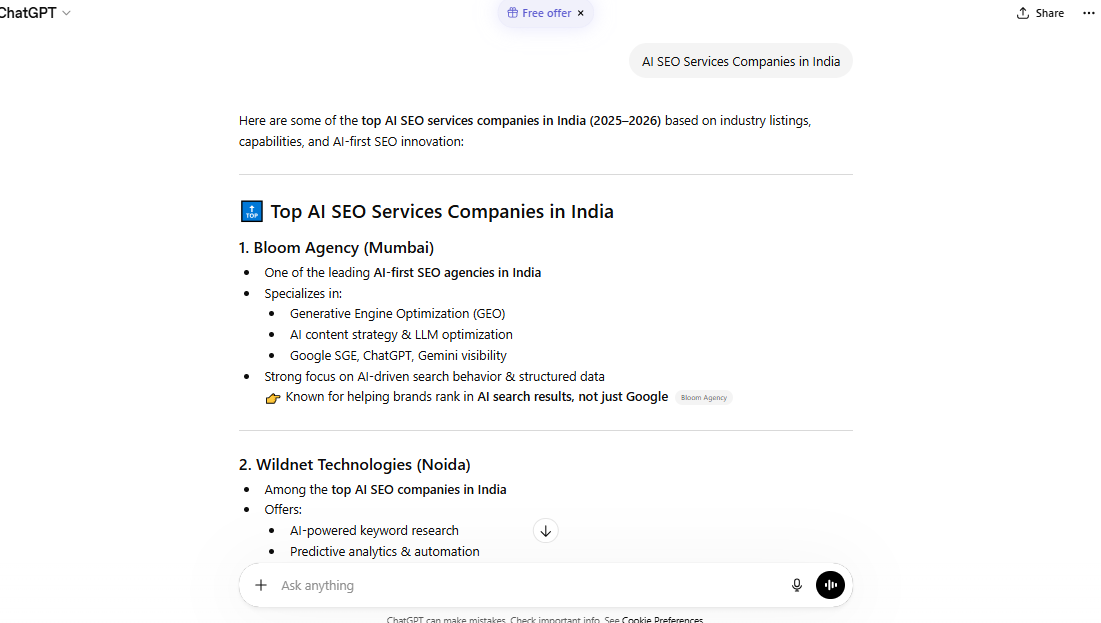
Who can see ChatGPT ads depends on OpenAI’s current product policies, user plan, age needs, geography, and other eligibility conditions. Some paid plans and accounts may not get advertisements at all.
That’s what makes ChatGPT different from platforms where promotion is sort of everywhere, almost baked into the experience for most users.
For businesses, the key idea is that ChatGPT ads should be treated like an emerging performance marketing channel, rather than just another banner spot that you plug into.
Can You Advertise on ChatGPT?
Businesses can advertise on ChatGPT when OpenAI’s advertising program is available to them. Access, campaign features, targeting options, and supported countries can shift as the advertising platform rolls out more broadly.
Also, the whole advertising ecosystem is still pretty new compared to Google Ads and Meta Ads. So companies should double-check the newest eligibility requirements and campaign options before putting a bigger chunk of budget on the line.
For a lot of businesses, a sensible plan is starting with a controlled test campaign, setting up conversion measurement, checking whether the traffic quality is solid, and then scaling spend once results are measurable.
Why Are Businesses Interested in ChatGPT Ads?
The biggest pull is user intent.
People use conversational AI a lot to research fairly specific questions. Instead of endlessly scrolling through a FOR CRO services feed with no clear goal, a user might ask things like :
- “What is the best software for a small business ?”
- “Which marketing agency can help with ecommerce SEO ?”
- “How much does professional website development cost ?”
- “What are the best alternatives to this product ?”
Those prompts can point to real commercial interest, pretty quickly.
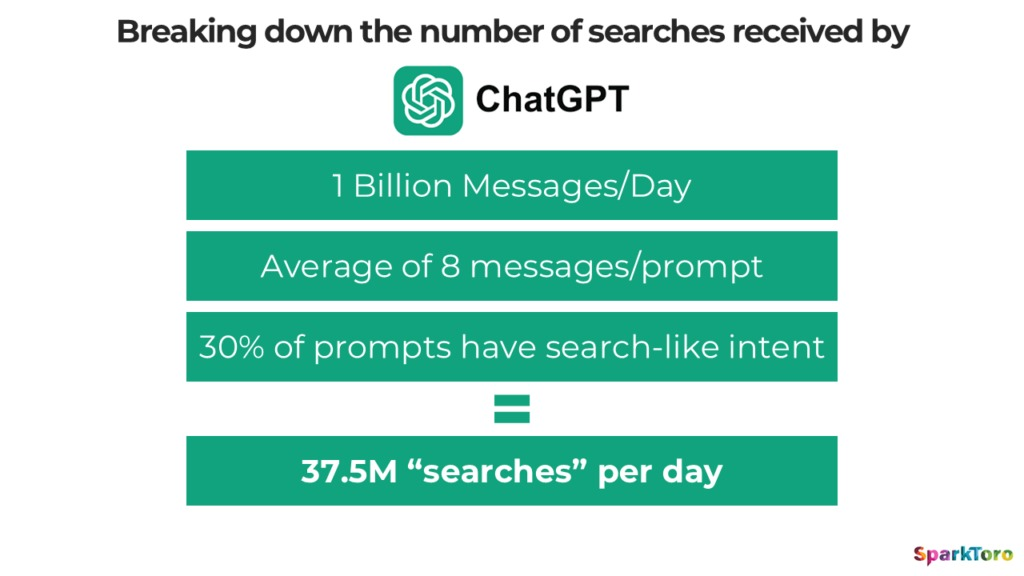
So, one reason ChatGPT advertising could eventually become an important add-on to traditional search ads is that it fits well with how people already search in conversation.
How Much Do ChatGPT Ads Cost?
ChatGPT advertising costs depend on the campaign objective and bidding model. Advertisers may encounter models such as CPC, CPM, and conversion-oriented CPC bidding, depending on the features available to their account.
CPC: Cost Per Click
- CPC means Cost Per Click. The advertiser pays based on eligible clicks generated by the campaign.
- Reported guidance for early ChatGPT CPC campaigns has placed starting bids around $3 to $5 per click. However, a recommended bid is not the same as a guaranteed final CPC.
- Your actual cost can depend on competition, audience, campaign quality, relevance, available inventory, and other auction factors.
CPM: Cost Per Thousand Impressions
- CPM stands for Cost Per Mille, or cost per 1,000 impressions.
- Reported industry observations have placed early ChatGPT advertising CPMs around $25 to $60 per 1,000 impressions in some campaigns. However, businesses should treat these numbers as market observations rather than an official universal rate card.
- CPM campaigns can make sense for brands focused on reach, awareness, or visibility rather than immediate website traffic.
oCPC and Conversion-Focused Campaigns
Conversion-oriented CPC bidding attempts to optimize traffic toward a desired conversion event. Instead of simply seeking the largest possible number of clicks, the campaign can use conversion signals to improve the likelihood of attracting users who are more likely to complete an action.
Conversion tracking becomes especially important when using this type of campaign because advertisers need reliable data to evaluate performance.
ChatGPT Advertising Cost Overview
| Platform | Typical Advertising Model | User Behavior |
| ChatGPT | CPC, CPM and conversion-focused formats | Conversational research |
| CPC, CPM and other campaign models | Search and intent-driven discovery | |
| Meta | CPC, CPM and conversion campaigns | Social discovery and browsing |
Should these figures be used for planning rather than treated like guaranteed prices, okay?
What Determines ChatGPT Ad Pricing?
ChatGPT advertising doesn’t really work like a neat, fixed-price signboard. The costs may shift depending on a few different things, maybe more than you expect.
Competition
When multiple advertisers chase the same audience, or they try to show up near similar buying intent, the auction can get pushed up. Like, competition matters.
And as more businesses test ChatGPT advertising, the prices can rise in categories that have real commercial value.
Ad Relevance
Relevance is especially big for conversational advertising. A generic ad might perform worse than an ad that actually fits what the user seems to be trying to do.
For example, someone looking into ecommerce website development may be more likely to respond to an ad that talks directly about ecommerce build-outs than to a broad digital marketing message.
Landing Page Quality
The journey doesn’t end at the ad click.
If a user taps an ad promising a specific service but then lands on some generic homepage, conversions can slide. In other words, a landing page should keep talking the same story that the ad started.
Campaign Budget
Budget affects how much traffic your campaign can purchase and how fast the platform learns performance patterns.
A smaller test budget can be useful for basic validation, but companies shouldn’t judge the entire channel after just a handful of impressions or clicks, honestly.
How Does the ChatGPT Ads Auction Work?
ChatGPT advertising is built around relevance and advertising demand. It’s not only about rewarding the advertiser who has the highest bid.
Key factors may include the advertiser bid, campaign relevance, what the user context looks like, ad quality, available inventory, competition, and platform safety rules.
So here’s the lesson for advertisers:
Raising your bid isn’t automatically the fastest path to better performance. A tightly targeted ad with solid creative, plus a landing page that matches, can outperform a mismatched campaign that’s spending more.
Why Relevance Matters More in AI Advertising
Classic search ads usually start from a keyword. Conversational AI starts from an interaction. A person might describe the whole problem, not just type a short keyword. The system can understand the wider intention inside that conversation.
For advertisers, that opens a path to shape campaigns around customer problems, questions, needs, and purchase intent, rather than relying only on single keywords.
How Do ChatGPT Ads Compare With Google and Meta?
ChatGPT, Google, and Meta run different advertising environments.
| Platform | Typical Advertising Model | User Behavior |
| ChatGPT | CPC, CPM, and conversion-focused formats | Conversational research |
| CPC, CPM and other campaign models | Search and intent-driven discovery | |
| Meta | CPC, CPM and conversion campaigns | Social discovery and browsing |
Google stays one of the more powerful places for direct search intent; you know, people go in there with a question, and they want an answer. Meta, on the other hand, is really good at finding the right audiences and then keeping them engaged, plus retargeting and visual ads, that kind of stuff.
Now ChatGPT- the weird part is the advantage is kind of more conversational, like the user is already talking through a problem. So someone might be explaining what they need, or they’re researching a decision, and that can turn into signals that advertisers actually care about… but still, it’s not smart to just assume “high intent” automatically means profit. You should test conversions, like for real, not only look at engagement.
Is ChatGPT Advertising Worth It for Local Businesses
Yeah, ChatGPT ads might turn out to be more useful for local businesses over time, especially the kind where people often do research before they buy or choose someone, think services, home improvements, education, tech support, healthcare searches when allowed, hospitality, and other categories where people usually browse first.
But local businesses shouldn’t just toss Google Search or AI SEO services out the window. If you have a solid local plan, it usually blends paid ads plus organic search visibility, website optimization, reputation stuff, and making sure business info stays accurate.
How Much Should You Budget for ChatGPT Ads?
There’s not one budget number that fits every company, period. A startup might do a controlled test first, while an ecommerce business with real conversion history might already have enough data to justify a bigger campaign.
The main thing is your budget big enough to collect meaningful data? Like, don’t jump straight into a huge annual spend; instead, set up a test campaign for LLM services with clear objectives so you can learn something.
That kind of data gives you a better foundation for decisions than impressions or clicks, by themselves, can ever do.
How to Launch Your First ChatGPT Ads Campaign
| Platform | Typical Advertising Model | User Behavior |
| ChatGPT | CPC, CPM and conversion-focused formats | Conversational research |
| CPC, CPM and other campaign models | Search and intent-driven discovery | |
| Meta | CPC, CPM and conversion campaigns | Social discovery and browsing |
Start With a Clear Objective
Figure out what you want most: awareness, website traffic, leads, sales, or conversions.
Also, a brand-awareness campaign shouldn’t be judged using the same metrics you’d use for lead generation, because those two goals behave totally differently.
Start With CPC Testing
For a lot of advertisers, CPC is a decent entry point, since your spend is tied to clicks. After you see traffic quality and how conversions actually land, you can start exploring other goals and campaign objectives.
Establish Conversion Tracking
Get conversion tracking in place before you pour in significant spending. Track form submissions, purchases, registrations, calls, and any other outcome that matters to your business.
UTM parameters can also help connect what the campaign drove with your analytics platform, so you can see what’s working without guessing.
Build Relevant Landing Pages
Your landing page should match the person’s likely intent, like if the ad promotes ecommerce SEO, then send them to a dedicated ecommerce SEO page, not to a generic homepage that forces them to hunt around.
This kind of message consistency usually makes it easier to convert, because the user feels like “oh, this is the thing I wanted.”
Test Different Ad Messages
Don’t assume one headline is going to work for everyone.
Test different value propositions, benefits, calls to action, plus problem-focused messages. Over time, performance data should show you which messages actually create better engagement and conversions.
Monitor Performance Frequently
These platforms can change fast, and that means you should check results regularly and watch for unusual shifts in CPC, CTR, conversion rates, and traffic quality.
Also, don’t scale just because clicks are cheap. Scale when those clicks lead to outcomes that matter: revenue, leads, calls, whatever is your real target.
ChatGPT Ads and SEO: Why You Need Both
Paid advertising and organic visibility shouldn’t be treated like they’re enemies, because they aren’t.
A customer can discover a business through traditional Google search, AI-style recommendations, social media, a ChatGPT advertisement, or a direct brand search.
So modern companies really need visibility across multiple discovery channels, not just one. Bloom Agency helps businesses improve search presence using SEO, content marketing, technical optimization, digital marketing, and AI-driven search strategies.
Together, the approach lets brands gather paid-search data while also building long-term organic authority.
Will ChatGPT Ads Become More Expensive?
It’s possible costs go up as more advertisers join the platform. This is pretty normal in digital ads: new channels start with limited competition, then as more businesses realize the inventory is valuable, competition rises and pricing tends to move.
Still, you can’t predict future CPC or CPM prices with certainty, so don’t build your whole marketing plan around one fixed CPC assumption.
Instead, run several scenarios, and plan based on ranges, not hopes.
FAQs About ChatGPT Ads Pricing
Is there a minimum spend for ChatGPT ads?
Minimum budgets depend on the advertising program, market, campaign setup, and current OpenAI requirements. Advertisers should check the latest requirements in their Ads Manager account before launching a campaign.
How much does ChatGPT CPC advertising cost?
Reported guidance for early CPC campaigns has suggested starting bids around $3–$5 per click. Actual CPC can vary depending on competition, relevance, targeting, campaign objective, and available inventory.
How does ChatGPT advertising compare with Google Ads?
Google has a much more established advertising ecosystem and can have highly competitive CPCs in industries such as finance, insurance, legal services, and software. ChatGPT advertising is newer, so direct cost comparisons should be based on actual campaign data.
Can small businesses advertise on ChatGPT?
Where the advertising program is available to eligible businesses, smaller companies can potentially test the channel without requiring the budgets historically associated with enterprise advertising pilots. Availability and requirements can change by market.
What is the difference between ChatGPT CPC and CPM bidding?
CPC charges based on clicks, while CPM is based on impressions, generally calculated per 1,000 impressions. CPC can be useful for traffic and performance objectives, whereas CPM can be suitable for reach and awareness.
Do bids under $3 CPC work on ChatGPT?
A recommended starting bid should not automatically be interpreted as an absolute minimum. Campaign delivery and performance can depend on current platform requirements, auction conditions, competition, and inventory. Advertisers should follow the bid guidance displayed in their account.
Will ChatGPT ads become more expensive?
Costs could rise as advertiser competition increases, but future pricing is uncertain. Businesses should focus on conversion economics rather than assuming that today’s CPC or CPM will remain unchanged.
Should businesses invest in ChatGPT Ads or SEO?
For most businesses, the strongest strategy is not to choose one exclusively. Paid advertising can generate immediate testing opportunities, while SEO can build long-term organic visibility. Combining both can create a more balanced digital marketing strategy.
How can Bloom Agency help with ChatGPT and AI search?
Bloom Agency can help businesses develop a broader digital growth strategy covering SEO, digital marketing, content, website optimization, and AI-search visibility. The goal is to help brands build sustainable visibility while using paid channels strategically.

Neetu Wadhwa is the Director of Bloom Agency, a Mumbai-based full-service digital marketing and web development company. With a strong focus on performance, innovation, and strategy, she leads the agency in delivering SEO, web design, and growth marketing solutions that drive measurable business outcomes.





Rahul M.
B2B Service Provider