
For NBFCs and lending companies, Google Ads can be this really strong way to reach borrowers who are actively looking for financial products, but honestly success depends on more than just raising bids or pulling in a ton of leads, I mean. A solid strategy actually brings together audience intent, compliant messaging—also the kind of landing pages you send people to, plus accurate conversion tracking, and then you keep reviewing performance little by little, always.
Financial advertising is sort of trust-driven, because prospective borrowers want everything laid out, eligibility info, interest rates, repayment terms, fees, and who is the actual loan provider, not some vague brand name. Because of this, transparency needs to be woven into every stage of the ad journey, from the first click to the final action.
Bloom Agency basically looks at paid search with that wider angle, so businesses can build campaigns around relevant audiences, measurable conversions, and digital growth that lasts.
Why Do NBFC Google Ads Campaigns Often Underperform?
A lot of lending campaigns end up obsessing over lead volume, without properly checking lead quality. So you might see hundreds of form submissions, but that does not automatically mean those prospects will finish verification, qualify for the product, or actually turn into customers, somehow.
Another frequent headache is weak campaign segmentation. Personal loans, business loans, vehicle financing, and other lending products pull in people with different needs and different search patterns. When everything sits inside one campaign, it gets harder to tell which audiences and keywords are generating real outcomes, instead of just noise.
Then there’s the landing page experience, which can make or break it. If your ad promises a specific type of loan, but the user lands on some generic page, many of them leave quickly, and they never take action, period.
A stronger approach connects the ad message, the keyword, the landing page, the conversion action, and the business goal into one measurable path that you can actually analyze.
What Should NBFCs Consider Before Running Google Ads?
Before launching, lending companies should check platform requirements as well as the financial advertising rules that apply in their case.
Advertisers should confirm that business details are correct, product information is clear, and ads are not making misleading promises. Anything like guaranteed approval, timelines that are unrealistic, or pricing that is unclear can hurt trust, and it can also reduce campaign performance.
Landing pages should also clearly show the organization providing the financial service, and then provide the most relevant product details. Users should be able to find, without stress, terms and conditions, eligibility clauses, applicable charges, privacy information, and customer-support or grievance details.
Also, advertising and financial regulations do change over time, so businesses should double-check current requirements before launching or modifying campaigns.
How Should Google Ads Campaigns Be Structured for Lending Companies?
A properly organized structure helps marketers understand performance at both the product level and intent level, and not just overall clicks or forms.
Branded Search Campaigns
Branded campaigns go after users already searching for the company name, or for specific branded financial products. These users are usually nearer to conversion since they already know who you are.
Keeping branded visibility strong can also stop competitors from intercepting the people who are actually searching for your company, specifically.
High-Intent Product Campaigns
Next up are searches that show real commercial intent.
This can include queries about applying for a personal loan, checking business-loan eligibility, comparing interest rates, or looking for financing options.
You can separate campaigns by product, and then organize them further based on search intent. That way, ad copy becomes more relevant, and users go to the right landing page faster.
Research and Consideration Campaigns
Not everyone is ready to apply immediately. Some people first want to research eligibility, documentation, repayment options, or how one lending product differs from another.
Educational content can capture these users earlier, in their decision phase. You can then bring them back using remarketing strategies later, though, only if platform rules and privacy requirements allow it.
Remarketing Campaigns
Users who already visited a lending product page can be high-value audiences. Remarketing can nudge them with helpful reminders, such as key details, educational resources, or the option to book a consultation.
The tone of the messaging should stay transparent and appropriate for financial services, not just leaning on aggressive claims, ok.
What Bidding Strategy Should Lending Companies Use?
The best bidding strategy depends on how much conversion data you have, and also how reliable that data is.
New campaigns sometimes need a controlled testing window to learn keyword behavior, audience patterns, convesion rates, and lead quality. Once there is enough data, automated bidding can help steer campaigns toward the conversion goals you set.
But if you only optimize for form submissions, it can give you misleading results. A campaign might attract users who fill forms easily, yet they never become qualified borrowers.
So deeper conversion events are important. Depending on your tracking setup, marketers can assess qualified leads, completed applications, approvals, or other meaningful business results.
The end objective is to align ad optimization with the outcome that the lending company actually values, not just the easiest checkbox.
How Can NBFC Landing Pages Improve Conversion Rates?
A Google Ads campaign is only as strong as what users experience after they click the advertisement, and if the page feels confusing or slow or mismatched, the whole system falls apart.
This kind of setup lets marketers figure out which campaigns actually bring in good customers, not just cheap-ish leads, like it’s the whole point, you know.
Useful metrics might include:
- Cost per click (CPC)
- Conversion rate
- Cost per lead (CPL)
- Qualified lead rate
- Application completion rate
- Approval rate
- Cost per acquisition (CPA)
- Revenue generated from advertising
- Return on advertising spend (ROAS)
That said, the exact metrics should be adjusted to the lending company’s business model, and also its compliance obligations, because yeah.
Why Keyword Strategy Matters for Lending Google Ads
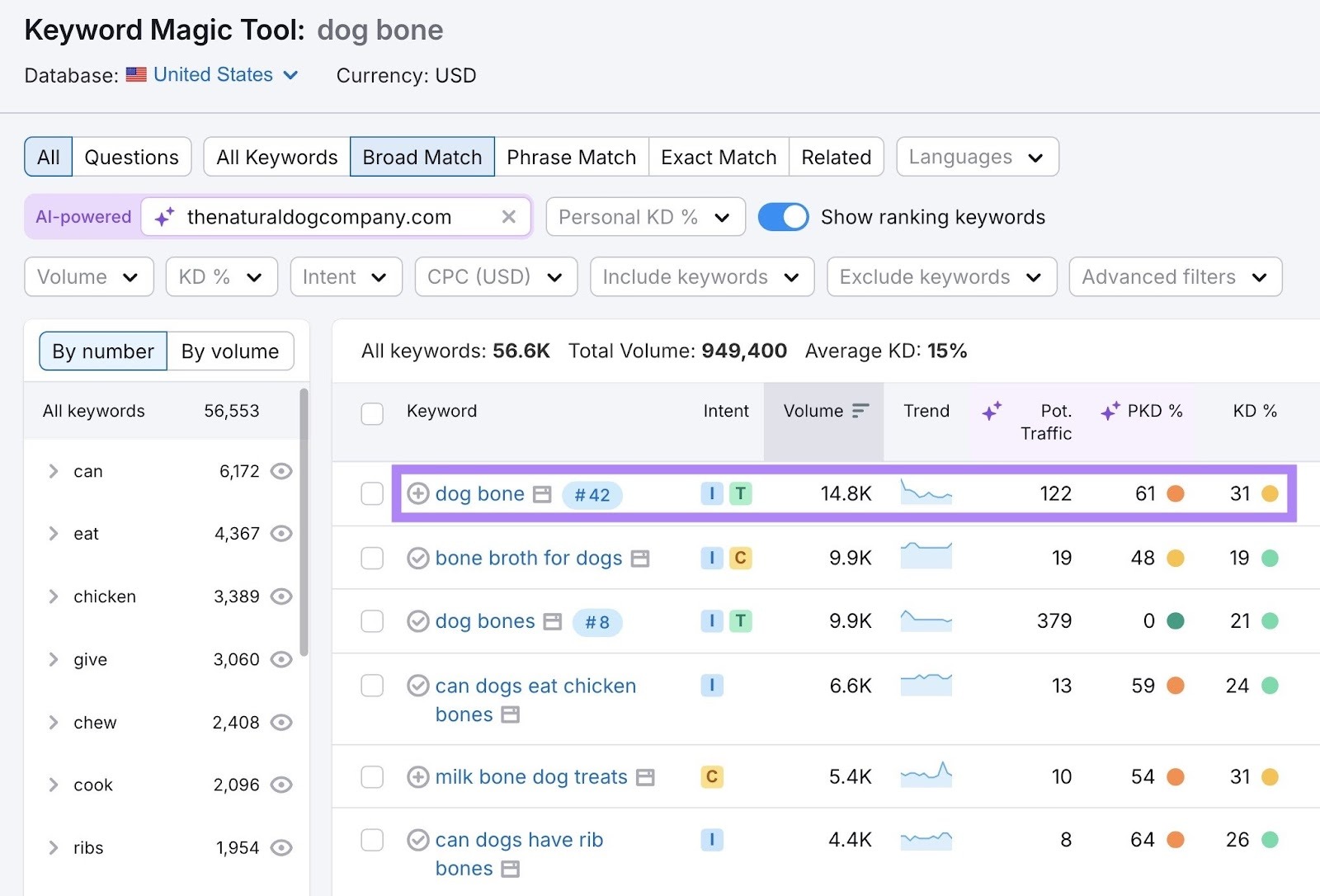
Keyword research should really be built around intent, not only search volume, simple as that.
A broad keyword can pull in loads of traffic, but you might end up with people who are just looking around, like general information only. More specific searches often suggest the person is closer to action, comparing products, or prepping to apply.
Commercial keywords touching eligibility, application steps, interest rates, repayment options, and named loan products, can then become a big part of a lending search plan.
Negative keywords matter just as much. They prevent ad budgets from getting burned on irrelevant searches, and that can raise the efficiency of the whole campaign overall.
Also, you should keep checking search-term reports, so brand new irrelevant queries can be spotted and pushed into the right negative keyword lists, fairly quickly.
How Can Content Marketing Support Google Ads?
Paid ads and content marketing don’t have to work like they’re in separate rooms.
An advisor or a lending company can make educational resources for common borrower questions, and then use those resources through the broader acquisition journey, not only as “nice to have” stuff.
For instance, content on eligibility requirements can help visitors understand if they may qualify before they even start an application. An EMI guide can assist prospects in estimating repayments, while a learning-focused article can outline what borrowers should think about before selecting a loan.
These assets can back both paid and organic search, plus they help build credibility at the same time.
Bloom Agency blends paid advertising with wider digital marketing efforts, so businesses can create multiple routes for potential customers to find and evaluate their offerings.
Can AI Search Change Lending Customer Acquisition?
User behavior is shifting, especially since people increasingly use AI-powered search and conversational tools, to research financial products and services.
So financial brands have to look past traditional keyword rankings and ads alone.
They should also publish clear, authoritative, structured information, so the brand becomes easier to understand across those newer search experiences.
The content should answer questions directly, use correct terminology, describe financial products clearly, and show that the organization actually knows what it’s doing.
AI search visibility should sit alongside, not replace, traditional SEO and paid search. If the digital footprint is strong, the lending company usually gets more chances to stay visible as search behavior changes.
How Can NBFCs Improve Lead Quality?
More leads does not automatically mean more customers.
Lead quality improves when campaigns are segmented by product, geography, intent, and audience traits that are both relevant, and allowed to use.
Ads also need to communicate the product accurately, so users have realistic expectations before they submit an enquiry.
Landing pages can pre-qualify as well, by describing eligibility criteria and product conditions upfront.
Most importantly, advertising teams should share lead-quality insights back to campaign managers. If certain keywords generate tons of enquiries but almost no qualified prospects, the budget should not keep flowing just because the CPL looks attractive on paper.
Why Compliance Should Be Part of the Marketing Strategy
Compliance should not be treated like something you only “check later,” after ads are already made.
For lending companies, transparency can actually function like a competitive advantage.
If prospective borrowers can clearly see the organization details, the financial product, the relevant terms, and the customer process, they often feel more confident.
A compliance-first workflow also cuts down the chance of campaigns getting paused because ads or landing pages don’t match the rules.
Marketing teams should coordinate with the right compliance and legal professionals before publishing financial advertising, especially for regulated products.
How Bloom Agency Can Support Lending Businesses
A successful Google Ads program needs strategy, execution, tracking, and ongoing optimization.
Bloom Agency can help businesses shape digital acquisition strategies that connect paid search, SEO, landing-page optimization, content marketing, analytics, and conversion-focused website improvements, end-to-end.
Instead of defining success only by clicks, the focus can be shifted toward building a measurable customer journey—from discovering the brand, to taking an action that actually matters.
For NBFCs and lending organizations, that kind of approach can lead to campaigns that are more relevant, more transparent, and more performance-driven.
Conclusion
Google Ads can give NBFCs and lending companies a direct line to high-intent audiences, but steady results depend on more than just raising ad spend.
A strong plan usually blends product-specific campaign structures, intent-based keyword research, transparent ads, compliant landing pages, suitable bidding, precise conversion tracking, and continuous optimization.
The biggest mindset change is to stop treating lead generation as the final goal.
Companies should measure lead quality, and the commercial value those leads bring, not only volume.
When compliance, user experience, and performance measurement are baked into the campaign from the start, Google Ads can become a more dependable piece of the lending company’s overall digital growth strategy.
FAQs
1. What is the best Google Ads strategy for NBFCs?
The best approach is to create separate campaigns for each lending product, target high-intent keywords, use compliant ad messaging, optimize dedicated landing pages, and track conversions beyond basic lead submissions. This helps NBFCs focus their budget on relevant and qualified prospects.
2. How can NBFCs improve the quality of Google Ads leads?
NBFCs can improve lead quality by using specific product-related keywords, negative keyword lists, accurate ad messaging, clear eligibility information, and dedicated landing pages. Tracking qualified leads and applications also helps identify which campaigns deliver genuine business value.
3. What should an NBFC landing page include?
An NBFC landing page should clearly explain the financial product, eligibility criteria, applicable rates or charges, repayment information, organization details, privacy information, customer-support details, and relevant regulatory disclosures. The page should also be mobile-friendly and provide a simple enquiry or application process.
4. How can NBFCs measure Google Ads ROI?
NBFCs should measure more than clicks and form submissions. Important metrics can include cost per lead, qualified lead rate, application completion rate, approval rate, acquisition cost, revenue generated, and return on advertising spend. Connecting advertising data with CRM or internal systems can provide a clearer view of campaign performance.
5. Why are negative keywords important for lending Google Ads?
Negative keywords prevent advertisements from appearing for irrelevant or low-intent searches. Regularly reviewing search-term reports and adding unsuitable queries to negative keyword lists can reduce wasted advertising spend and improve campaign efficiency.
6. Can content marketing support Google Ads campaigns for lending companies?
Yes. Educational content can support users who are researching loan eligibility, repayment options, financial products, or other related topics. These resources can complement paid campaigns while also supporting organic search visibility and building trust with prospective borrowers.
7. How can Bloom Agency help NBFCs with Google Ads?
Bloom Agency can support lending businesses with campaign strategy, keyword research, paid search management, landing-page optimization, conversion tracking, content marketing, SEO, and performance analysis. The objective is to build a measurable digital acquisition system focused on relevant traffic and meaningful conversions.

Neetu Wadhwa is the Director of Bloom Agency, a Mumbai-based full-service digital marketing and web development company. With a strong focus on performance, innovation, and strategy, she leads the agency in delivering SEO, web design, and growth marketing solutions that drive measurable business outcomes.




Rahul M.
B2B Service Provider