
Backlinks keep being kinda important in search engine optimization, mostly because they can help search engines figure out the authority, relevance and credibility of a site. But the backlink world has been different lately, like really different. In 2026, trying to build hundreds of links from random websites is not a sustainable SEO move anymore. Search engines are getting better at spotting the manipulative patterns, those low quality placements, irrelevant websites, and links that look unnatural in the bigger picture.
So for businesses, it’s better to focus on earning or acquiring links that actually fit the brand, fit the audience and match the kind of content you’re pushing. A relevant editorial mention on a trusted website can carry way more weight than dozens of links coming from unrelated domains, even if those domains seem “active” or “related” on paper.
And this is where, a carefully planned approach to buy backlinks can start to make sense as part of a broader SEO strategy. Not, like, just buying a huge bundle of links. Instead, you should evaluate each website opportunity: overall quality, topical match, traffic signals, content standards, the placement context, and yeah the risk level that comes with that specific chance.
What Does Buying Backlinks Mean?
Buying backlinks, generally speaking means paying a site owner, a publisher, a content platform, or even some SEO provider for the chance to get a link that points back to your website. it can show up in a few ways, like a business paying for a guest article, asking for an insertion inside an already existing relevant article, sponsoring a particular piece, or partnering with an SEO agency that basically does the outreach and handles link acquisition.
The thing that really matters here is the difference between a placement that’s actually helpful, and a low-quality link package. A “good” backlink usually comes from a website that has real content, a relevant audience, steady publishing habits, and something you could call a credible online presence. A “bad” backlink, on the other hand, might come from a website made mostly to sell links, a private blog network, automated directories, spun-content sites, or just domains that don’t belong in your niche, or at all.
The goal should never be to stack up as many links as you can. Rather, businesses should grow a backlink profile that supports their broader content strategy and those SEO goals they care about.
Should Businesses Buy Backlinks in 2026?
There is no universal answer because every website has different requirements, competition levels, budgets, and risk tolerance.
Businesses in competitive industries might run into websites that offer paid sponsored placements, or even some kind of publishing chances. At the same time, a lot of worthwhile backlinks can still be gained through digital PR, expert-led contributions, original studies, partnerships, resource-style content, and relationship-driven outreach.
What really matters is not just whether a link exists, but how it gets acquired and what kind of value the placement actually adds.
A site with real readership and useful industry coverage can turn into more than a mention, giving brand visibility plus referral visits. But if you start buying hundreds of links from low-quality domains just because they’re cheap, you end up with a backlink profile that looks busy yet delivers little meaningful impact.
So, backlink acquisition should be viewed as an investment in authority and visibility, not simply a purchase or a quick exchange.
Why Backlinks Still Matter for SEO
Search engines use many signals to evaluate web pages, and backlinks remain one component of the broader ranking ecosystem. A link from a relevant, trustworthy website can act as a useful signal that another publisher considers your content worth referencing.
Backlinks can also generate benefits beyond rankings.
A well-placed link can bring referral traffic from an established audience. It can introduce a brand to potential customers who have never encountered it before. It can support brand recognition and help businesses build relationships with publishers, journalists, bloggers, and industry websites.
For example, an ecommerce company that receives a contextual mention from a respected industry publication may gain referral visitors even if the link itself does not directly improve rankings.
This is why modern link building should consider three areas together: search visibility, referral traffic, and brand authority.
Quality Matters More Than Quantity
One of the biggest mistakes in backlink acquisition is measuring success by the number of links obtained.
Ten highly relevant links from genuine websites can potentially provide more strategic value than hundreds of links from unrelated or low-quality domains.
Before acquiring a link, examine the website carefully.
Look at its topical relevance. Does the website regularly publish content related to your industry?
Check its organic visibility. Does it appear to receive genuine search traffic, or is its traffic profile suspicious?
Review the content. Are articles original, useful, and professionally produced?
Look at publishing patterns. Does the site publish a realistic number of articles, or does it suddenly produce dozens of unrelated guest posts?
Finally, examine whether the website has an authentic audience and business identity.
These factors provide a much more useful picture of link quality than a single domain metric.
Domain Authority Is Not Enough
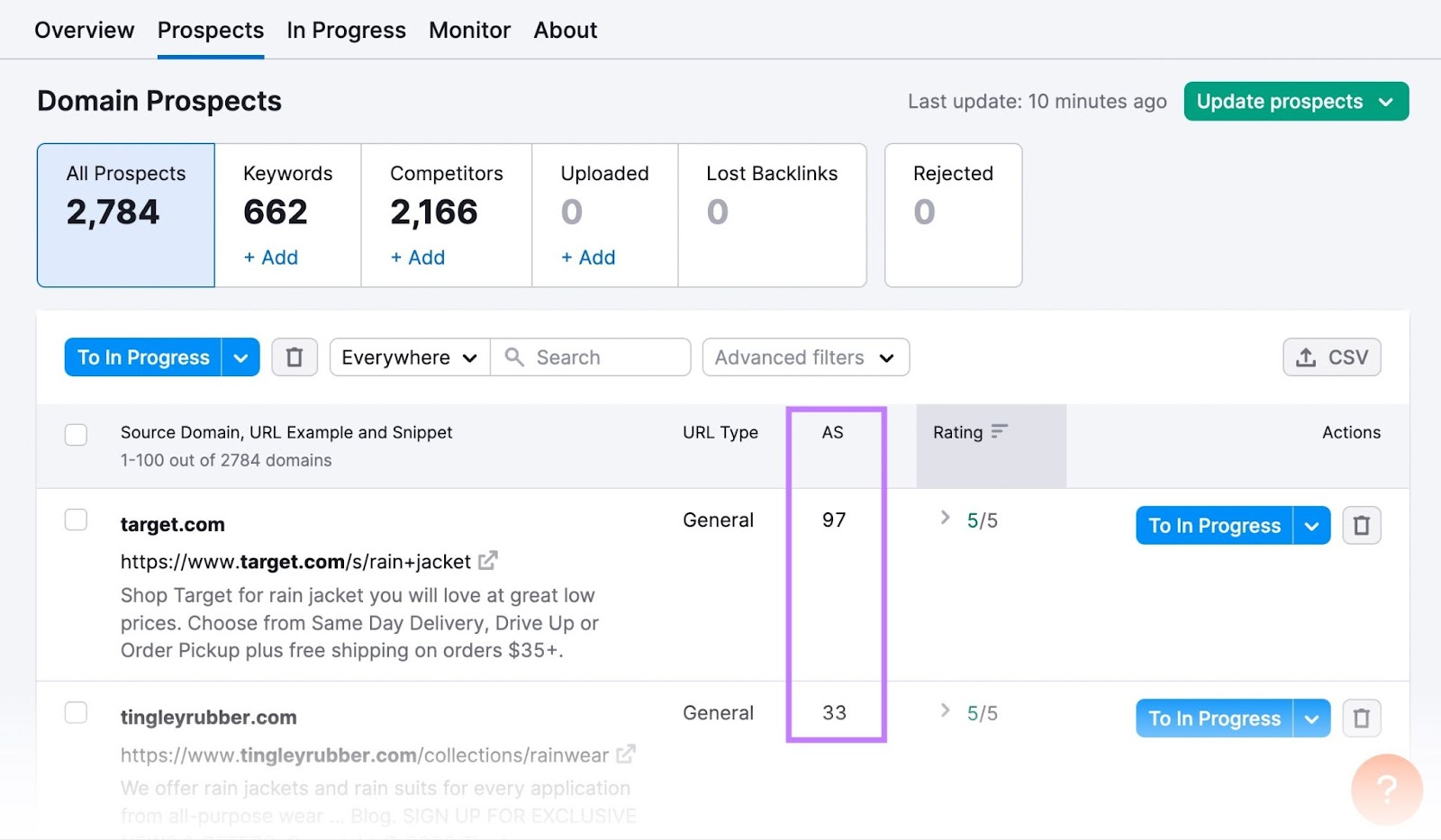
SEO tools provide metrics such as Domain Authority, Domain Rating, Authority Score, and similar measurements. These can be useful for research, but they should never be the only criteria used to select a backlink opportunity.
A website can have a strong third-party authority score while still having poor editorial standards or little genuine traffic.
For example, an expired domain may have inherited authority from its previous history but could now be used primarily for publishing paid articles. Similarly, a site may have impressive metrics while publishing content across dozens of unrelated industries.
A strong backlink evaluation process combines several signals:
- Topical relevance: The website should make sense for your industry or audience.
- Organic traffic: Genuine search visibility can indicate that the site has an active presence.
- Content quality: Articles should be original, informative, and useful.
- Editorial standards: The site should demonstrate some level of quality control.
- Audience relevance: The site’s visitors should overlap with your potential customers.
- Link placement: Contextual links inside relevant content are generally more meaningful than isolated links placed in unrelated sections.
- Website history: Sudden changes in topic, ownership, or publishing behavior should be investigated.
Common Ways Businesses Acquire Backlinks
There are several approaches to backlink acquisition, and each has different advantages and risks.
Guest Posting
Guest posting involves creating an article for another website and including a relevant reference to your own website.
When done properly, guest content should provide genuine value to the publication’s audience. The article should be written specifically for the website rather than copied across multiple domains.
For example, a SaaS link building company could contribute an article about improving customer onboarding to a respected business technology publication. A contextual reference to the company’s relevant resource may naturally fit within the article.
The strength of guest posting depends heavily on the quality and relevance of the publishing website.
Niche Edits
A niche edit involves adding a relevant link to an existing article or resource.
This can work when the existing content genuinely benefits from an additional reference. However, businesses should carefully evaluate whether the site frequently sells article links or has an unnatural pattern of commercial placements.
A link should improve the reader’s experience rather than simply exist to manipulate search rankings.
Sponsored Content
Sponsored content involves paying a publisher to create or publish content. Publishers may identify the content as sponsored and apply appropriate link attributes.
This approach can be valuable for brand exposure and referral traffic because businesses can reach an established audience through a trusted publication.
The primary objective should therefore be the overall marketing value of the placement rather than expecting every sponsored link to pass ranking signals.
Digital PR
Digital PR has become an important part of modern authority building.
Instead of paying publishers directly for links, businesses can create stories, research, expert commentary, statistics, surveys, original studies, or useful resources that journalists and publishers want to reference.
For example, a real estate company could publish original data about property search trends. A financial technology business could conduct research into digital payment behavior. A healthcare brand could publish a well-researched industry report.
When journalists use these resources, businesses can earn editorial mentions and backlinks naturally.
Avoid Cheap Bulk Backlink Packages
One of the clearest warning signs in link building is a promise of hundreds or thousands of backlinks for a very small fee.
Quality outreach requires research, prospecting, communication, content creation, negotiation, publishing, and monitoring. These activities require time and expertise.
If a provider promises an enormous number of links at an unusually low price, ask where those links will come from.
Some low-cost packages rely on automated comments, irrelevant directories, spun articles, forum profiles, sitewide links, or networks of websites created primarily for link placement.
The problem is not simply that these links may have little SEO value. They can also make it difficult to understand the actual quality of your backlink profile.
A sustainable strategy prioritizes fewer, stronger opportunities over large volumes of questionable links.
Be Careful With Private Blog Networks
Private Blog Networks, commonly called PBNs, are networks of websites controlled by the same operator and used to place links.
PBNs may appear attractive because they allow providers to deliver links quickly and at scale. Some networks may also use domains with existing authority metrics.
However, the underlying business model can create significant risk because the websites may exist primarily for manipulating search visibility.
A website’s high authority score does not automatically make it a trustworthy publishing opportunity.
Businesses should investigate ownership signals, content quality, traffic patterns, topical consistency, and publishing behavior before accepting a link from any questionable network.
How Much Do Backlinks Cost?
Backlink pricing varies considerably depending on the publication, industry, audience, content requirements, location, and type of placement.
A low-cost directory link may cost very little, while a placement on a respected industry publication can cost substantially more.
Rather than focusing on a universal price, businesses should evaluate the value behind the placement.
Consider what you are actually paying for:
- Website research and prospecting
- Publisher outreach
- Content creation
- Editorial review
- Link placement
- Relationship management
- Reporting
- Long-term monitoring
A higher-priced placement can sometimes make more sense if it comes from a genuinely relevant website with strong visibility and an audience that matches your business.
At the same time, a high price does not automatically guarantee quality. Every placement still needs to be evaluated independently.
How to Evaluate a Website Before Buying a Link
Before agreeing to a placement, create a simple quality checklist.
Start with the website’s topic. A relevant website is generally more useful than an unrelated domain with impressive metrics.
Next, inspect its organic search visibility. Look for consistent traffic rather than a sudden spike followed by a decline.
Review several recent articles. Look for originality, grammar, structure, depth, and editorial consistency.
Check whether the site publishes excessive numbers of commercial guest posts. If almost every article contains multiple promotional links, proceed carefully.
Investigate the site’s About page, contact information, authors, and overall business identity. Transparency can help distinguish an established publication from a website created primarily for link sales.
Finally, check whether the website’s audience is relevant to your business.
A link should make sense even if search engines did not exist.
Anchor Text Should Look Natural
Anchor text is another important component of backlink strategy.
Using the exact same commercial keyword as anchor text across many links can create an unnatural pattern. Modern SEO strategies generally benefit from a more natural distribution.
Depending on the situation, anchors may include brand names, URLs, descriptive phrases, partial-match phrases, or naturally written references.
For example, instead of repeatedly using a highly commercial keyword, an article might naturally reference a company’s brand name or a useful guide published on its website.
The anchor should fit the sentence and help the reader understand where the link leads.
Relevance Should Guide Link Building
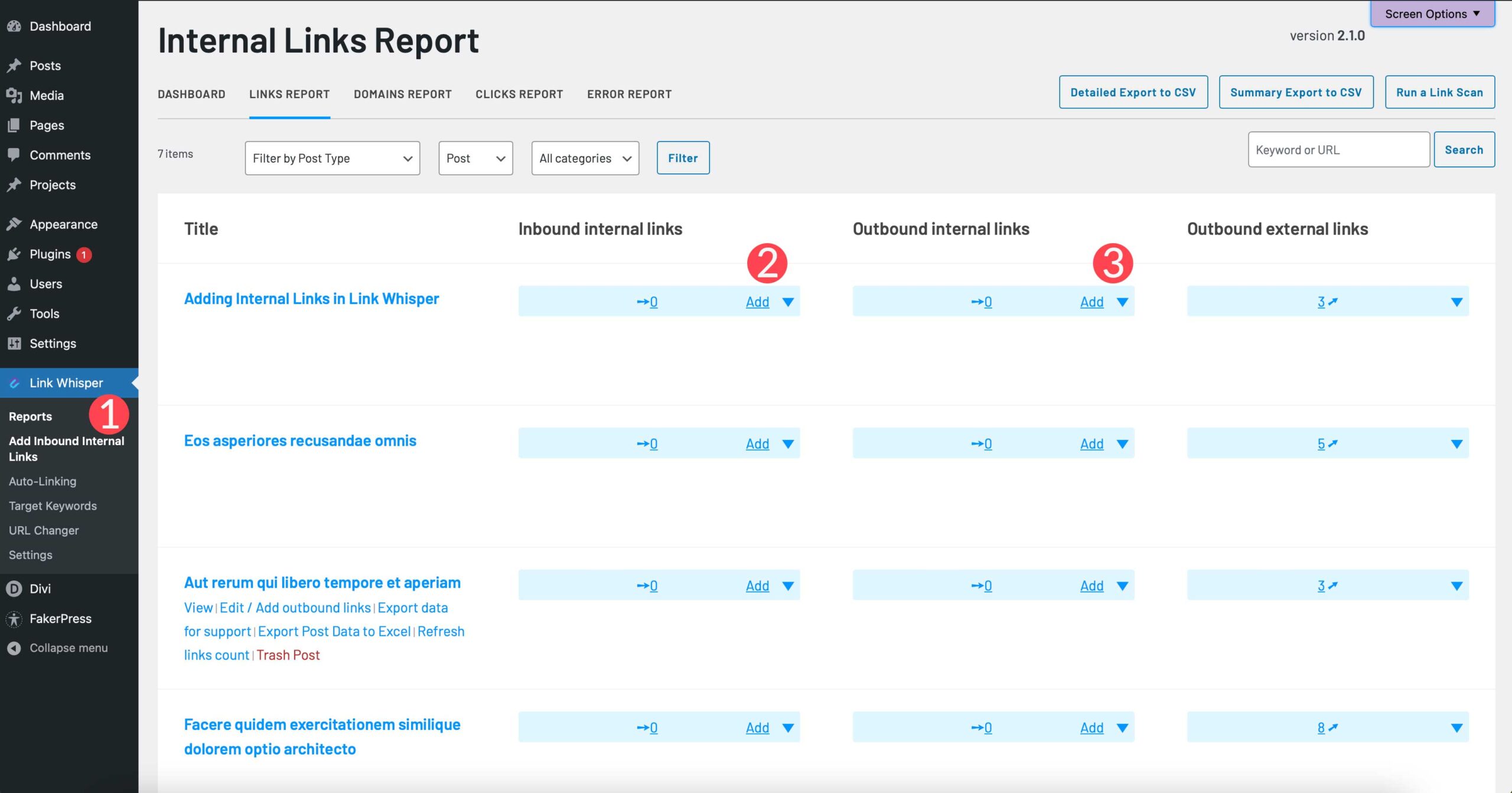
Relevance is one of the most important principles in modern backlink acquisition.
Imagine a company selling enterprise accounting software. A backlink from a business technology publication, finance website, startup resource, or accounting blog may make logical sense.
A backlink from an unrelated entertainment website simply because it has a high authority score is much harder to justify.
Relevant links can also generate better referral traffic because readers are already interested in the subject.
This creates a more complete SEO value proposition: the link can support discoverability, brand awareness, referral traffic, and topical authority.
What to Look for in a Backlink Agency
Businesses that do not have the resources to manage outreach internally may choose to work with a professional SEO or link-building agency.
Before signing a contract, ask the agency how its campaigns actually work.
A credible provider should be able to explain its prospecting process, outreach methods, content workflow, quality controls, and reporting structure.
Ask whether the agency uses PBNs, automated links, mass directory submissions, or other high-risk methods.
Case studies can also be useful. Look for examples showing the type of websites acquired, the industries served, the content created, and the broader SEO outcomes.
Be cautious of providers that guarantee a specific ranking position or promise thousands of backlinks within a very short period.
SEO involves variables outside an agency’s direct control, so responsible providers should explain what they can deliver rather than guarantee search-engine outcomes.
Why Digital PR Is Becoming More Important
Digital PR offers a fundamentally different approach to authority building.
Instead of asking, “How can we buy a link?” businesses can ask, “What can we publish that journalists and publishers genuinely want to reference?”
This change in mindset can lead to stronger campaigns.
Original statistics, industry surveys, expert commentary, proprietary research, visual data, useful tools, and expert-led reports can all become linkable assets.
For example, a digital marketing company could publish research on changing search behavior. A property business could analyze local housing trends. An ecommerce company could study seasonal shopping patterns.
When the information is genuinely useful, publishers have a reason to reference it.
Backlinks and AI Search Visibility
Search is also becoming more diverse. Users increasingly interact with AI-powered search experiences, answer engines, and generative interfaces alongside traditional search engines.
This makes authority and source credibility increasingly important from a broader digital visibility perspective.
Businesses should not assume that simply acquiring backlinks will guarantee inclusion in AI-generated answers. AI systems use multiple signals and their retrieval and ranking processes can differ.
However, creating authoritative, well-sourced, relevant content and earning mentions from credible websites can strengthen a brand’s overall digital footprint.
This is another reason to focus on quality rather than volume.
A Practical Backlink Strategy for 2026
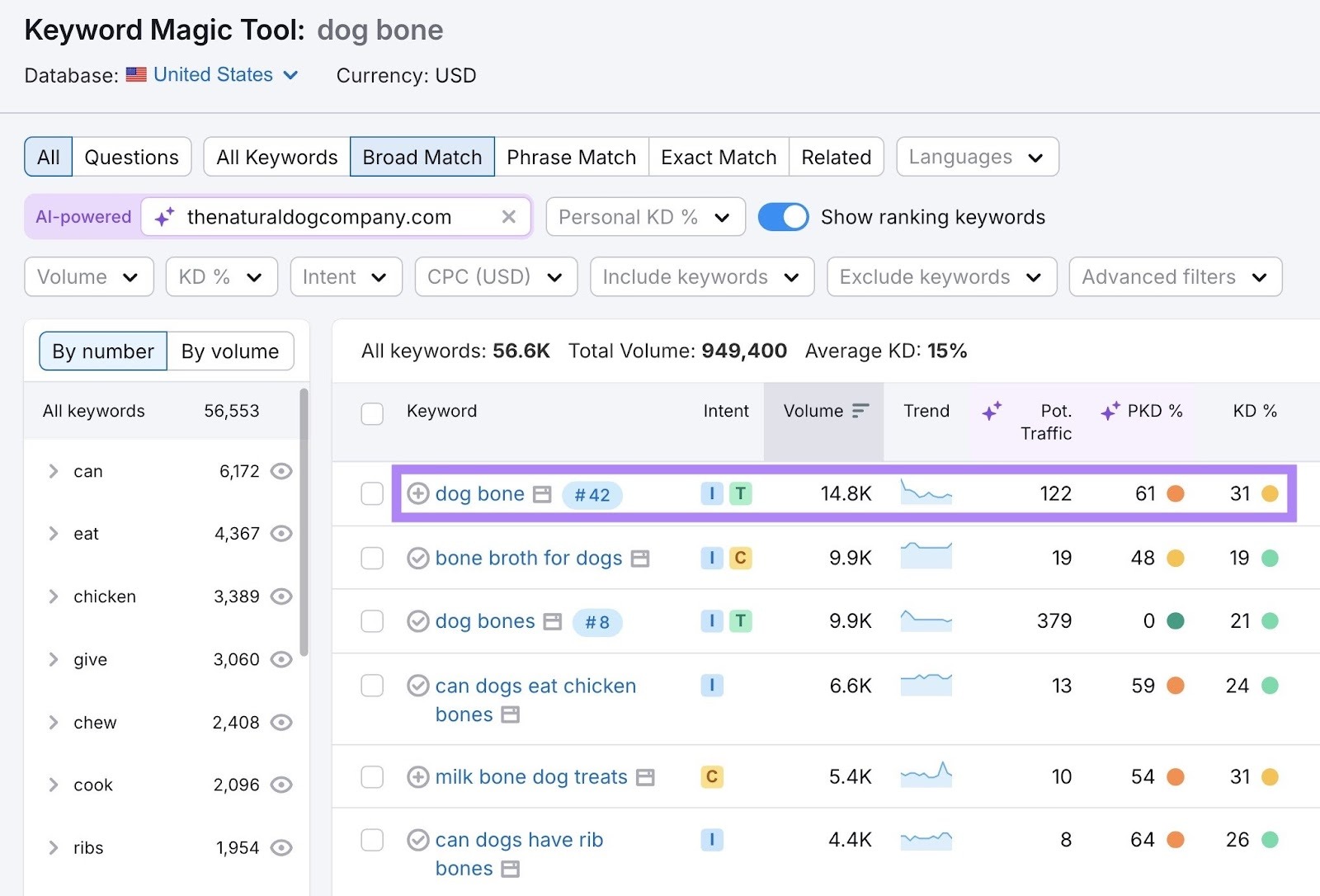
A modern backlink campaign can follow a structured process.
First, audit the existing backlink profile. Identify strong links, irrelevant links, suspicious patterns, and opportunities for improvement.
Second, study competitors. Look at which publications, industry resources, and editorial websites reference them.
Third, identify relevant prospects based on topic, audience, traffic, editorial standards, and business credibility.
Fourth, create content worth referencing. A generic promotional article is rarely as compelling as an original resource, research report, expert guide, or genuinely useful contribution.
Fifth, conduct personalized outreach. Explain why the content is relevant to the publication and its audience.
Sixth, evaluate paid opportunities carefully when publishers charge for placement. Consider the website’s quality and audience before approving the opportunity.
Finally, monitor the acquired links and evaluate their contribution to traffic, visibility, referral activity, and overall SEO performance.
How Bloom Agency Approaches Backlink Strategy
At Bloom Agency, backlink acquisition can be integrated into a broader SEO strategy rather than treated as an isolated activity.
The approach focuses on understanding the business, identifying relevant opportunities, creating useful content, and building authority through appropriate outreach and digital marketing channels.
A backlink campaign should support the website’s wider objectives. That may include improving organic visibility, strengthening topical authority, supporting important landing pages, increasing referral traffic, or building recognition within a particular industry.
Bloom Agency can combine backlink strategy with on-page SEO, technical optimization, content marketing, local SEO, and broader digital marketing activities. This helps businesses avoid treating links as a shortcut and instead use them as one component of a complete search strategy.
The same principle applies whether a company operates in ecommerce, B2B, healthcare, education, real estate, finance, technology, or another competitive sector. The campaign should be adapted to the industry’s audience, content opportunities, competition, and business goals.
Backlink Mistakes Businesses Should Avoid
Several common mistakes can undermine an otherwise good SEO campaign.
Buying links solely because a website has a high DA is one.
Another is choosing quantity over relevance. Hundreds of unrelated links do not automatically create authority.
Businesses should also avoid using the same anchor text repeatedly, publishing identical articles across multiple websites, accepting links from obvious link farms, and trusting providers that guarantee rankings.
Another mistake is failing to review the actual websites where links will appear.
A provider’s reputation alone is not enough. Businesses should understand what is being delivered and where the links are placed.
Understanding Link Tags
When a website publishes a paid placement or sponsored article, the link can include attributes that communicate the commercial nature of the relationship to search engines. Understanding these tags is important when evaluating paid backlink opportunities.
Rel=”sponsored”
The rel=”sponsored” attribute is designed for links that are included as part of an advertising, sponsorship, or other paid arrangement. It helps search engines understand that the link was placed because of a commercial relationship.
For businesses, sponsored placements can still have meaningful marketing value. Even when a link does not directly contribute to organic ranking signals, the publication itself can generate referral traffic, increase brand awareness, and introduce the company to a new audience.
Rel=”nofollow”
The rel=”nofollow” attribute tells search engines that the publisher does not want the link to be treated as a normal editorial endorsement. It can be used in situations where a publisher cannot fully vouch for the linked page or where the relationship requires additional qualification.
Nofollow links can still be useful from a marketing perspective. They can send visitors to your website, increase exposure, support brand recognition, and potentially lead to additional organic mentions elsewhere.
For example, a business featured in a well-known industry publication may gain attention from other journalists, bloggers, or businesses. Those secondary relationships can eventually result in naturally earned mentions and links.
Why Website Quality Matters Most
Whether a backlink opportunity is worth pursuing depends heavily on the quality of the website providing the link.
This principle applies regardless of whether the link is earned through outreach, contributed content, digital PR, sponsorship, or another form of link acquisition.
Search engines use numerous signals to evaluate websites and links. A business therefore should not assume that paying for a placement automatically makes it valuable. The quality, relevance, credibility, and context of the publishing website remain critical.
Before approving a backlink opportunity, take time to examine the website itself.
Check the Website’s Content
Start by reviewing the site’s recent articles.
Are the articles original and useful? Do they provide information that readers would genuinely want? Is the writing consistent and professionally edited?
A website filled with thin articles, automatically generated pages, unrelated topics, and excessive promotional content may not be a worthwhile backlink source.
Examine Organic Visibility
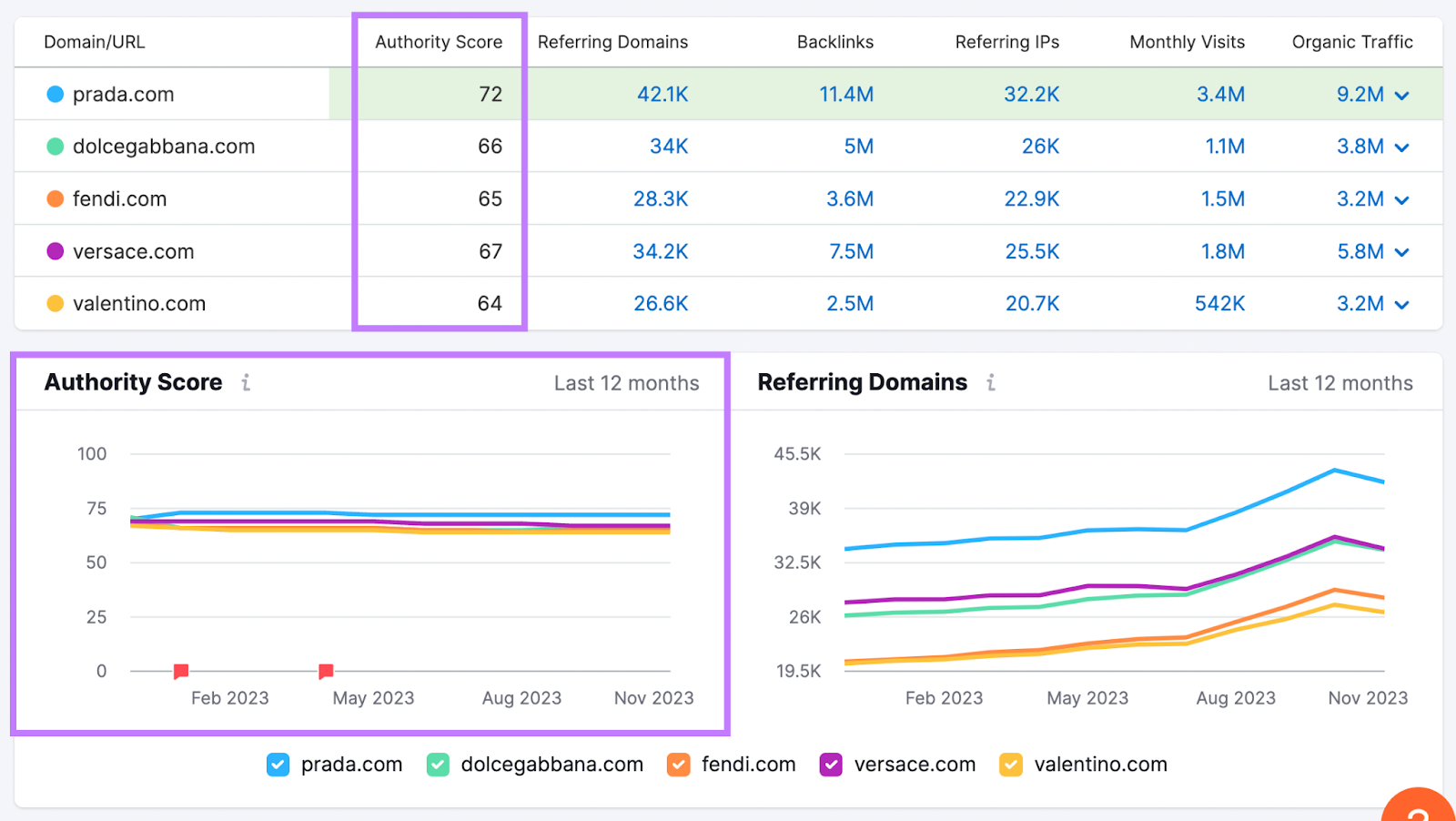
Traffic is another useful indicator.
Look for evidence that the website receives genuine search visibility rather than relying entirely on direct traffic or paid promotion. A consistent organic presence can indicate that the website has established itself within its topic.
However, traffic should not be evaluated in isolation. A smaller specialist publication can sometimes be more relevant to your business than a much larger general website.
Evaluate Topical Relevance
The subject of the website should make sense for your business.
For example, a technology company may benefit from being mentioned by a technology publication, SaaS resource, business website, or relevant industry blog.
A backlink from an unrelated website simply because it has a strong third-party SEO metric may provide limited strategic value.
Relevance can also improve the potential for referral traffic because readers are already interested in the subject being discussed.
Look for Transparency
A trustworthy website should provide some indication of who operates it.
Check for an About page, editorial information, author profiles, contact details, and clear ownership or business information where available.
Lack of transparency does not automatically make a website poor, but it can be a reason to investigate further before paying for a placement.
Review the Publishing Pattern
Pay attention to how frequently the website publishes sponsored or guest content.
If nearly every article appears to exist for commercial link placement, the website may have become overly dependent on paid publishing.
A stronger publication generally maintains editorial standards and publishes a mixture of informative, original, and relevant content.
Don’t Judge a Backlink by One SEO Metric
Third-party SEO metrics can be helpful when researching potential websites, but they should never be the only deciding factor.
A high Domain Rating, Domain Authority, or similar score does not automatically mean that a website is valuable.
Metrics can sometimes be influenced by historical links, expired domains, artificial link patterns, or other factors that do not necessarily reflect the website’s current quality.
Instead, consider the complete picture.
Look at:
- Organic search visibility
- Topical relevance
- Content quality
- Website history
- Audience relevance
- Editorial standards
- Publisher transparency
- Link placement
- Referral traffic potential
- Overall publishing behavior
The more of these signals that align, the easier it is to justify a backlink opportunity.
Think Beyond Search Rankings
Backlinks should not be evaluated solely according to whether they pass ranking signals.
A placement can provide value in several other ways.
A mention in an industry publication can introduce your business to potential customers. An article can generate referral traffic. A sponsored feature can improve brand recognition. A digital PR campaign can help establish executives as industry experts.
There can also be a secondary effect.
Someone who discovers your company through a publication may later mention your business on their own website, social profile, newsletter, or article. Those independently earned mentions can become valuable parts of your wider digital presence.
This is why a high-quality backlink campaign should consider both SEO and broader marketing outcomes.
The Importance of a Balanced Backlink Profile
A natural backlink profile is rarely made up of one type of link.
A website may naturally receive links from industry publications, business directories, partner websites, news articles, resource pages, customer websites, forums, blogs, and other sources.
Businesses should therefore avoid building a strategy around one specific link type.
Instead, combine different authority-building methods according to the opportunities available within the industry. Guest contributions, digital PR, original research, expert commentary, resource content, partnerships, and editorial outreach can all contribute to a diversified backlink profile.
The objective is to build a web presence that looks and behaves like a genuine business rather than a website created solely to acquire links.
Final Thoughts on Buying Backlinks
There is no universal backlink strategy that works for every business.
The right approach depends on the website’s current authority, industry competition, content quality, marketing goals, available resources, and risk tolerance.
If you decide to invest in paid placements, the most important step is to research every opportunity carefully. Do not choose a website simply because it offers a large number of links at a low price.
Instead, investigate its content, relevance, organic visibility, audience, editorial standards, and publishing history.
A smaller number of relevant placements can be more meaningful than a large collection of low-quality links.
For businesses looking to strengthen their overall search presence, Bloom Agency can integrate backlink acquisition into a broader SEO strategy. The focus can include content development, technical SEO, on-page optimization, outreach, digital PR, and authority building rather than treating backlinks as an isolated tactic.
A sustainable SEO strategy should ultimately focus on building credibility, creating useful resources, earning recognition, and establishing a website as a reliable source within its industry.
Final Thoughts
The backlink industry has changed considerably, but backlinks remain an important component of a broader SEO and digital authority strategy.
The modern approach is not simply about buying the largest number of links for the lowest price. It is about identifying relevant websites, creating useful content, building genuine publisher relationships, and evaluating every placement based on quality and context.
If you decide to buy backlinks, approach the process as a long-term marketing investment. Evaluate the website, audience, content, traffic, relevance, link placement, and overall strategy before spending your budget.
At the same time, combine paid opportunities with organic outreach, digital PR, expert contributions, content marketing, and other authority-building activities.
The strongest backlink profiles are built around credibility rather than volume. In 2026, businesses that prioritize relevance, useful content, editorial quality, and sustainable SEO practices can build a stronger foundation for both traditional search visibility and the increasingly diverse world of AI-powered search.
Frequently Asked Questions
How long does it take to see results from backlinks?
There is no fixed timeframe for backlink results. The impact can depend on the authority and relevance of the linking website, the competitiveness of the target keywords, the existing strength of your domain, the content being promoted, and how quickly search engines discover and process the new link.
Some websites may observe changes within several weeks, while others may require considerably longer. A single backlink should not be expected to transform rankings immediately.
The more sustainable approach is to build relevant authority consistently and evaluate performance over time.
What is the difference between dofollow and nofollow backlinks?
A standard editorial link can potentially contribute to search-engine ranking signals, while a nofollow link tells search engines that the publisher does not want the link treated as a normal editorial endorsement.
However, nofollow links are not useless. They can still send referral visitors, generate brand exposure, support awareness, and introduce your business to people who may later link to it naturally.
Paid placements may also use rel=”sponsored” to identify the commercial relationship. Businesses should therefore evaluate paid links based on their complete marketing value rather than assuming that every useful link must directly pass ranking signals.
Is a sponsored backlink useful for SEO?
A sponsored link can have marketing value even when it is qualified with an appropriate link attribute.
Sponsored content can generate referral traffic, brand visibility, media exposure, and opportunities to reach a relevant audience. It may also help people discover useful resources that they later reference independently.
However, businesses should not assume that a sponsored link will provide the same ranking value as an editorially earned link. The purpose of the placement and the way the publisher identifies the relationship matter.
Should I buy hundreds of backlinks at a low price?
Businesses should be cautious about bulk backlink packages that promise hundreds or thousands of links for a very low price.
Large quantities of inexpensive links may come from irrelevant websites, automated pages, low-quality directories, comment sections, or networks created primarily for link placement.
Instead of measuring a campaign by the number of links delivered, evaluate the relevance and quality of the websites involved. A smaller number of well-selected opportunities can fit a long-term SEO strategy better than a large collection of questionable links.
How do I know whether a website is worth getting a backlink from?
Start by examining its relevance to your industry and audience. Then review its content quality, organic visibility, publishing history, author information, website transparency, and overall editorial standards.
Look at several recent articles rather than judging the website from its homepage alone. Also investigate whether it publishes excessive amounts of unrelated guest or sponsored content.
SEO metrics can support your research, but they should be considered alongside real website quality and audience relevance.
Are nofollow links completely useless?
No. A nofollow link can still generate referral traffic and expose your business to a relevant audience.
It can also contribute to brand discovery. Someone who finds your company through a nofollow link may later search for your brand, become a customer, mention your business, or create an independently earned link.
For that reason, businesses should not automatically reject a relevant placement simply because the link carries a nofollow attribute.
What should I ask a backlink agency before hiring them?
Ask the agency how it identifies websites, evaluates prospects, creates content, conducts outreach, and reports placements.
You should also ask whether it uses private blog networks, automated link-building software, mass directory submissions, or other tactics you may consider unsuitable for your business.
Review case studies where possible and ask how the agency measures campaign performance.
Most importantly, be cautious of providers promising guaranteed rankings or an unusually large number of links in a very short period. Responsible link building requires research, content, outreach, and ongoing evaluation.

Neetu Wadhwa is the Director of Bloom Agency, a Mumbai-based full-service digital marketing and web development company. With a strong focus on performance, innovation, and strategy, she leads the agency in delivering SEO, web design, and growth marketing solutions that drive measurable business outcomes.






Rahul M.
B2B Service Provider