
Local search has kind of become a big deal in how customers find, compare, and choose businesses. People look up a place, check services, read reviews, get directions, and even decide to buy, all of that usually starts with search. And whether someone is hunting for a restaurant, a healthcare provider, real estate company, an e-commerce store, an educational institute, a financial service, or just a professional services place, search engines end up helping local businesses get connected with people who are already actively looking for what they offer.
But you know, just setting up a website and making a Google Business Profile is not enough to keep solid local visibility. Stuff can go stale, business details can drift out of date, technical issues can creep in, competitors can publish something fresher, reviews can move or shift in sentiment, and search behavior can change over time. So a website that was doing well last year might have a bunch of little chances for improvement today, even if it looks “fine”.
That is why doing a regular local SEO audit is so useful.
Basically, a local SEO audit gives you a structured look at the things that impact how visible you are in local search. It goes past rankings, and it checks your website, your keywords, your Google Business Profile, citations, customer reviews, backlinks, content quality, technical performance, competitor activity, and your overall online footprint.
And for businesses that operate in competitive markets like Mumbai, Pune, Delhi, Bengaluru, Hyderabad, Nashik, or other growing cities, a thorough audit can help spot weaknesses, plus reveal opportunities for steady, long lasting organic growth.
What Is a Local SEO Audit?
A local SEO audit is a detailed evaluation of a business’s online presence to determine how effectively it can appear for relevant location-based searches.
The audit normally covers both your website and external platforms where customers can find information about your business.
These may include your website, Google Business Profile, Google Maps presence, business directories, social profiles, review platforms, backlinks, local content, and other online references.
The objective is not simply to find technical errors. A useful audit should answer practical questions.
- Are customers finding the business when they search locally?
- Are the right keywords being targeted?
- Is the website technically healthy?
- Are location pages useful and properly optimised?
- Is business information consistent across online platforms?
- Is the Google Business Profile complete and accurate?
- Are competitors receiving visibility for searches that your business is missing?
- Are customer reviews being monitored?
- Are backlinks helping establish authority?
- Are visitors able to move easily from search results to enquiry or purchase?
A comprehensive audit connects these elements and turns them into an actionable SEO strategy.
Why Businesses Need Regular Local SEO Audits
Local search is kind of dynamic, rankings can shift because competitors keep improving their websites. New businesses show up in the same market, search intent changes, some content gets outdated, or technical problems suddenly mess with a site.
A local SEO audit gives you a chance to notice these shifts before they become hard to fix , or before they turn into a bigger deal later on.
For instance, think about a Mumbai based service company that used to rank well for a bunch of key searches. Over time, its rivals build dedicated service pages, publish location focused content, gain relevant backlinks, and also gather fresh customer reviews.
If the business does not keep an eye on local search performance, it can slowly lose visibility, without really knowing what’s behind it right away.
Doing an audit on a regular schedule builds a sort of routine for spotting these changes. And for companies that rely a lot on organic traffic and local enquiries, running audits every quarter can be more helpful for ongoing monitoring than waiting until the end of the year. Smaller organizations with fewer location pages and service pages might do a full deep review less often, while still checking important signals through out the year.
Step One: Review Your Local Keyword Strategy
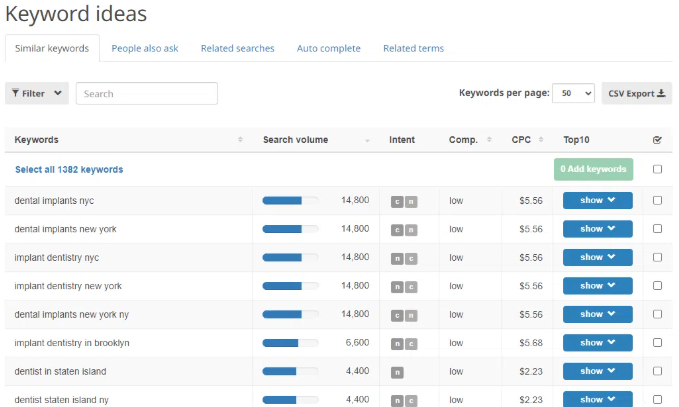
Analyse Existing Keyword Performance
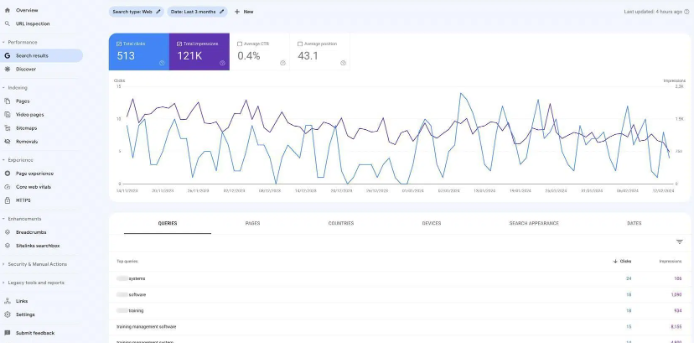
Use performance data to understand which queries are generating impressions, clicks, and website visits.
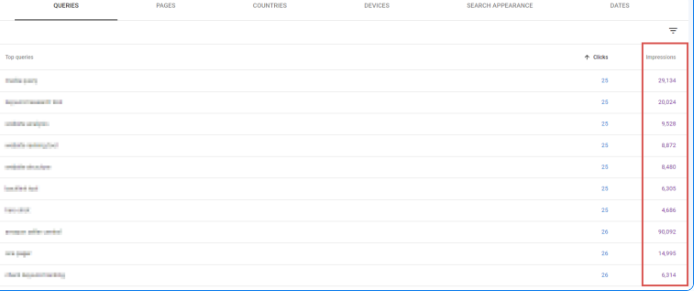
Google Search Console can help identify queries for which a website already receives visibility. Look for keywords with strong impressions but comparatively low clicks. These can represent opportunities where improved rankings or stronger search-result messaging may increase traffic.
Also review keywords that previously performed well but have declined.
A decline does not automatically mean that one specific SEO element caused the problem. It should instead trigger further investigation into rankings, search intent, content quality, technical health, competitors, and broader search changes.
Discover New Local Keywords
Keyword research should also identify terms that are not currently part of your strategy.
Look for:
- Service-plus-location searches.
- Product-plus-location searches.
- Neighbourhood-specific searches.
- Long-tail customer questions.
- High-intent commercial searches.
- Location-specific informational searches.
- Searches related to pricing, comparisons, services, and availability.
Google Trends and keyword research platforms can help identify changing search interests and potential topics.
Bloom Agency can use keyword research as part of a broader SEO strategy rather than treating keywords as isolated phrases. The objective is to build topical coverage around the services customers actually need.
Step Two: Analyse Local Search Rankings
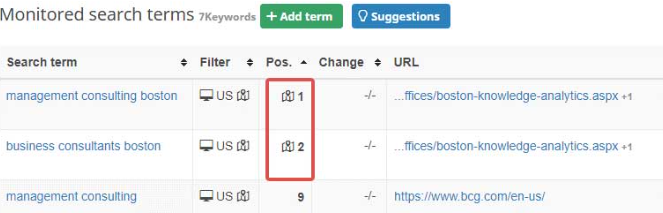
Once your keyword set has been reviewed, examine current rankings.
Local SEO has multiple visibility opportunities. A business may appear in traditional organic results, local search features, Google Maps, and other search-result formats.
Track important keywords by location whenever possible. Rankings can vary significantly between cities and even between different areas of the same city.
For example, a business targeting Mumbai should not assume that one ranking position represents performance throughout the entire city.
Ranking analysis should compare:
- Current positions with previous positions.
- Important keywords that have gained visibility.
- Keywords that have lost visibility.
- Pages ranking for each target term.
- Keywords where the business appears on page two or near the top of the results.
- Local searches generating impressions but insufficient clicks.
- This information helps determine which pages and keywords deserve attention first.
Step Three: Conduct a Competitor Analysis
A local SEO audit should never examine your business in isolation.
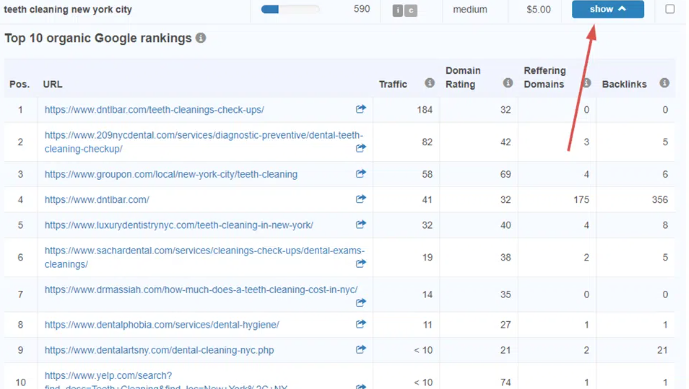
Your competitors are competing for the same customers and search visibility. Their strategies can reveal gaps that may otherwise remain unnoticed.
Start by identifying businesses that appear frequently for your important local searches. Then examine their websites, service pages, location pages, content, backlinks, reviews, and local profiles.
Ask questions such as:
- Which services receive dedicated pages?
- Which locations receive dedicated content?
- What topics are competitors covering?
- Which pages appear to attract organic visibility?
- Are competitors earning links from local publications or industry websites?
- Do competitors have more complete Google Business Profiles?
What questions are they answering that your website does not address? This analysis should be used for strategic insight rather than copying competitor content.
Bloom Agency’s SEO approach can combine competitor research with keyword research, content development, technical optimisation, and link-building opportunities to create a more complete search strategy.
Step Four: Perform a Complete Website SEO Audit
Your website remains a central part of your local search presence.
A website audit should examine both technical and content-related factors.
Website Structure
The website structure should make sense for users and search engines.
Important services should be easy to find. Location pages should have logical relationships with service pages. Navigation should not create unnecessary complexity.
For businesses operating in multiple cities or locations, the structure should be scalable without creating thousands of repetitive pages.
URLs
URLs should be clear and descriptive.
Avoid unnecessary parameters, confusing structures, or URLs that provide no indication of the page topic.
A clean structure also makes it easier for users and search engines to understand the organisation of the website.
Page Titles and Headings
Review title tags, meta descriptions, H1 headings, subheadings, and other on-page elements.
Each important page should communicate its purpose clearly.
Local information can be incorporated naturally where it helps users understand the service area.
Keyword stuffing should be avoided. Local SEO is not about repeating a city name dozens of times. It is about creating useful, relevant information for people in that market.
Internal Linking
Internal links help users discover related services and help search engines understand relationships between pages.
A local business can connect service pages, location pages, blogs, case studies, FAQs, and other useful resources through a logical internal-linking structure.
During an audit, identify important pages receiving too few internal links and opportunities to strengthen connections between relevant content.
Step Five: Check Technical SEO
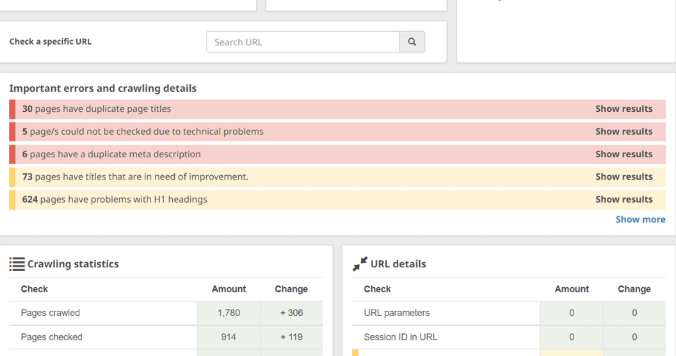
Technical SEO problems can reduce the effectiveness of other optimisation efforts.
A technical audit should review:
- Crawlability.
- Indexability.
- Broken links.
- Redirects.
- Duplicate pages.
- Canonicalisation.
- XML sitemaps.
- Robots directives.
- Mobile usability.
- Page speed.
- Core Web Vitals.
- Structured data.
- HTTPS.
- Image optimisation.
- JavaScript-related issues.
A technical SEO audit should prioritise issues based on their actual impact rather than simply generating a long list of errors.
Bloom Agency can combine technical SEO with website development and maintenance expertise so that identified issues can be translated into practical website improvements.
Step Six: Review Localised Website Content
Local content should provide genuine value.
A very common mistake is making a bunch of location pages that basically have almost the same text, with just the city name swapped around. and yeah, it can look “fine” but for customers it usually brings very little value.
Instead, the location focused pages should really talk about the relevant services, the actual service area, what customers typically need, local factors, as well as include frequently asked questions and other details that genuinely help the audience.
For a Mumbai service business , for example it might be better to create content that fits what customers need across different parts of the city, not just tack on “Mumbai” to every single heading .
Bloom’s content marketing approach can back that up by building content around search intent, customer questions, industry themes, and local relevance, so it feels less repetitive and more useful.
Step Seven: Audit Google Business Profile
Google Business Profile is an essential component of local search visibility.
During an audit, review every important part of the profile.
Check:
- Business name.
- Primary category.
- Secondary categories where applicable.
- Address.
- Phone number.
- Website.
- Operating hours.
- Services.
- Business description.
- Photos.
- Attributes.
- Updates.
Customer reviews.
Questions and answers where available.
The information should be accurate and consistent with the business website and other trusted sources.
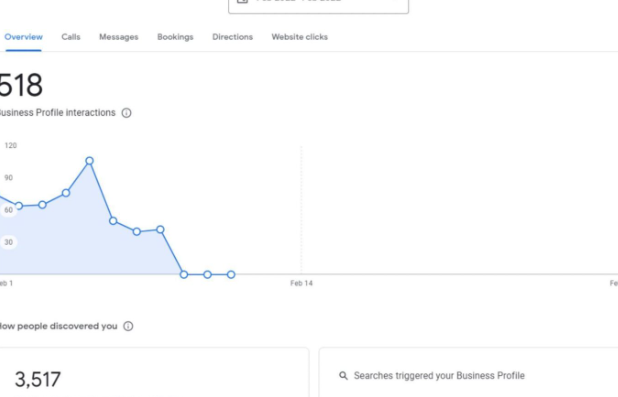
Businesses should also monitor profile performance and customer actions, such as website visits, calls, direction requests, and other available interactions.
An outdated profile can create friction for customers even if the business has strong organic rankings.
Step Eight: Check Google Maps Visibility
Google Maps is particularly important for customers searching for nearby businesses.
During the audit, review how the business appears for relevant local searches and whether its information is accurate.
Map visibility can vary depending on the searcher’s location and other factors, so businesses should avoid assuming that one search result represents visibility everywhere.
A local SEO strategy should instead focus on building a trustworthy and relevant overall local presence.
Step Nine: Audit NAP Consistency
NAP refers to Name, Address, and Phone number, yeah.
These details should stay consistent across the important online platforms, otherwise it gets weird fast.
Check the business website, the Google Business Profile, directories, social media profiles, industry websites, local publications, and other relevant places too.
Even the smallest differences can create confusion for customers, like, “wait is this the right spot or number?”
For example, a business might show one phone number on its website and a different one on an old directory listing. An address may also show up in slightly different formats across platforms.
During an audit, spot these discrepancies and prioritise fixing the listings that matter most and that are more authoritative.
Step Ten: Review Local Citations and Business Directories
Citations are online references to a business’s details.
Local directories can provide additional discovery opportunities while helping maintain consistent business information.
However, businesses should focus on relevant and trustworthy directories rather than attempting to create listings on every available website.
Review existing listings and check:
- Whether the business information is accurate.
- Whether the listing is still active.
- Whether the category is appropriate.
- Whether the website link works.
- Whether outdated information needs correction.
- Whether the directory is relevant to the industry or location.
For businesses operating across multiple locations, citation management becomes even more important because the number of profiles and business references can increase significantly.
Step Eleven: Evaluate Local Backlinks
Backlinks remain an important part of building website authority.
For local businesses, relevant links can come from local publications, industry organisations, chambers of commerce, community organisations, suppliers, partners, events, associations, and other legitimate sources.
A backlink audit should identify:
- Which websites link to you.
- Which pages receive backlinks.
- Whether valuable links have been lost.
- Which competitors are receiving relevant links.
- Which local websites may represent legitimate outreach opportunities.
The goal should be quality and relevance rather than simply increasing the number of links.
Bloom Agency’s link-building and off-page SEO services can be integrated with content marketing and local SEO to develop a sustainable authority-building strategy.
Step Twelve: Analyse Customer Reviews
Reviews influence how customers perceive a local business.
During an audit, review your overall rating, review volume, review frequency, recent feedback, and responses.
Do not focus only on the average rating.
The actual comments can reveal useful information about customer experience. If customers repeatedly mention the same issue, the business can investigate it operationally.
Businesses should also respond professionally to legitimate reviews.
Positive reviews can help demonstrate customer experiences, while negative reviews can highlight areas requiring attention.
A review strategy should always focus on genuine customer feedback rather than artificial or manipulated reviews.
Step Thirteen: Review Your Content Strategy
Local SEO and content marketing should work together.
A local business can create useful content around:
- Service explanations.
- Customer questions.
- Local buying guides.
- Industry trends.
- How-to resources.
- Pricing considerations.
- Product comparisons.
- Frequently asked questions.
- Case studies.
Location-specific topics.
Seasonal customer needs.
The objective is to answer relevant questions and establish useful topical coverage.
Bloom Agency’s content marketing services can complement SEO campaigns by developing content designed around search intent, business goals, and audience needs.
Step Fourteen: Optimise for Mobile Search
A large portion of local searches happen when customers are using mobile devices.
Your audit should therefore examine the mobile experience carefully.
Check whether pages load quickly, navigation works properly, buttons are easy to use, forms function correctly, and important information is easy to find.
For local businesses, contact information should not be buried.
A potential customer should be able to quickly understand what the business does, where it operates, and how to contact it.
Step Fifteen: Review Core Web Vitals and Page Speed
Website performance can influence both user experience and search performance.
During an audit, examine Core Web Vitals and other performance factors.
Large images, unnecessary scripts, poorly configured plugins, excessive third-party resources, and inefficient website code can slow down pages.
Bloom’s web development and technical SEO capabilities can help businesses address website performance issues alongside broader SEO improvements.
Step Sixteen: Review Structured Data
Structured data can help search engines better understand information on your website.
Depending on the business and content, relevant structured data may be used for organisations, local businesses, products, articles, events, breadcrumbs, and other supported content types.
Structured data should accurately represent visible information and follow search engine guidelines.
It should not be treated as a shortcut to rankings. Instead, it is part of a broader effort to make website information understandable to search engines.
Step Seventeen: Connect Local SEO With Conversion Optimisation
Traffic alone is not the final objective.
A local SEO audit should examine what happens after users arrive on the website.
- Are enquiry forms easy to complete?
- Are phone numbers easy to find?
- Are service pages persuasive and informative?
- Are calls to action clear?
- Can customers quickly understand the next step?
- Does the website communicate trust?
For ecommerce businesses, the journey may continue from local search to product discovery, checkout, and purchase.
Bloom Agency can combine SEO with website development, ecommerce development, digital marketing, and conversion-focused improvements so that organic visibility supports broader business objectives.
Local SEO for Ecommerce Businesses
Local SEO is not limited to traditional service businesses.
Ecommerce companies with physical stores, regional delivery areas, showrooms, or location-based customer demand can also benefit from local optimisation.
An audit can review location information, store pages, product visibility, local content, business profiles, technical SEO, and customer reviews.
For ecommerce brands, Bloom’s ecommerce web development and ecommerce SEO capabilities can be incorporated into a broader search strategy.
Local SEO for Real Estate Businesses
Real estate is highly location-driven.
Customers often search for properties, developers, brokers, projects, neighbourhoods, and related services using location-specific queries.
A real estate SEO audit can examine project pages, locality pages, property content, technical performance, internal linking, local citations, backlinks, and lead-generation pathways.
Bloom’s real estate SEO and digital marketing experience can support businesses looking to build organic visibility around property-related searches.
Local SEO for Healthcare Businesses
Healthcare businesses require particularly careful content and trust signals.
A local SEO audit can review service pages, practitioner information, location details, business profiles, reviews, technical SEO, and content quality.
Information should be accurate, useful, transparent, and appropriate to the healthcare audience.
The objective is to make it easier for users to discover relevant services while maintaining a trustworthy online presence.
Local SEO for BFSI and Fintech Businesses
Financial services operate in a competitive and trust-sensitive environment.
A local SEO strategy can include service-focused pages, location information, educational content, technical optimisation, authority building, and strong website usability.
Bloom’s SEO and digital marketing capabilities can be adapted to businesses operating in BFSI and fintech sectors while keeping content aligned with the requirements of the industry.
Local SEO for Education Businesses
Schools, training institutes, colleges, coaching centres, and professional education providers often receive location-based searches.
An audit can examine course pages, campus information, location pages, admissions content, FAQs, reviews, local listings, and technical SEO.
Useful educational content can also create additional opportunities for organic discovery.
Local SEO for Franchise Businesses
Multi-location and franchise businesses require a structured approach to local SEO.
Each location may need accurate business information, relevant local pages, unique content, review management, citation consistency, and appropriate local optimisation.
At the same time, the overall website needs a scalable architecture.
Bloom Agency can support franchise SEO strategies by combining technical SEO, local optimisation, content development, link building, and location-level search strategies.
AI SEO and the Changing Search Landscape
Search is becoming increasingly influenced by AI-generated experiences and conversational discovery.
This means businesses should think beyond traditional keyword rankings.
Content needs to be clear, useful, authoritative, and easy for search systems to understand.
Bloom’s AI SEO approach combines AI-assisted workflows with human oversight to support content research, topic discovery, optimisation, and search visibility.
The objective is not to produce large volumes of generic AI-generated content. Instead, AI can support research and efficiency while human expertise remains important for accuracy, originality, strategic direction, and brand relevance.
Voice Search and Local Discovery
Voice-based searches can have strong local intent.
Users may ask questions about nearby services, operating hours, locations, directions, availability, or recommendations.
Businesses can prepare for conversational search by answering common customer questions naturally and providing accurate location information.
For regional markets, local content can also consider the language preferences of the target audience. Bloom’s local SEO approach can incorporate regional considerations, including Hindi and Marathi search behaviour where appropriate for the target market.
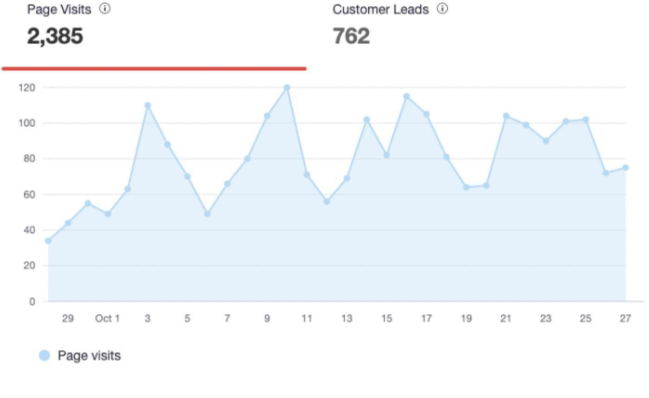
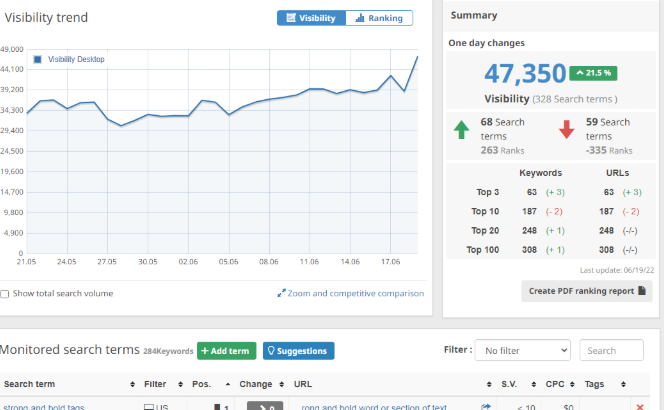
Use Analytics to Measure Local SEO Performance
An audit should not end with a list of SEO problems.
The findings need to be connected to measurable business outcomes.
Important metrics can include:
Organic traffic.
Local keyword visibility.
- Search impressions.
- Clicks.
- Click-through rate.
- Google Business Profile interactions.
- Phone enquiries.
- Form submissions.
- Direction requests.
- Online purchases.
- Lead quality.
- Conversion rates.
- Branded search growth.
- Location-specific performance.
- The appropriate metrics depend on the business model.
A lead-generation business may prioritise qualified enquiries, while an ecommerce business may focus on organic revenue and transactions.
Build a 90-Day Local SEO Action Plan
After completing the audit, organise findings into an action plan.
Month One: Fix the Foundation
Start with critical technical problems, incorrect business information, broken pages, indexing issues, Google Business Profile gaps, and major NAP inconsistencies.
Month Two: Strengthen Content and Local Relevance
Improve important service and location pages, create useful content, strengthen internal linking, and address keyword gaps identified during the audit.
Month Three: Build Authority and Measure Results
Focus on relevant link-building opportunities, local partnerships, content promotion, review management, and performance measurement.
This creates a structured process rather than attempting to fix everything simultaneously.
How Bloom Agency Approaches Local SEO
Bloom Agency approaches SEO as a combination of technical health, content quality, authority, search intent, local relevance, and measurable business outcomes.
The strategy can include on-page SEO, keyword research, technical SEO, link building, content marketing, Google Business Profile optimisation, local citations, reputation management, website performance, and analytics.
For businesses requiring broader support, local SEO can also connect with digital marketing, web development, ecommerce development, social media, and AI SEO.
This integrated approach is particularly useful when search performance depends on more than one channel.
A business may need a technically strong website, useful content, local authority, accurate business listings, positive customer experiences, and an effective conversion journey at the same time.
Why Local SEO Should Be an Ongoing Process
A local SEO audit should not be considered a one-time checklist.
- Search results change.
- Competitors change.
- Customers change.
- Websites change.
- Business locations and services change.
- Search behaviour changes.
Because of this, businesses need an ongoing process for monitoring and improving their local presence. Regular audits make it easier to identify problems early, measure progress, discover new opportunities, and keep important information accurate.
The purpose is not to chase every ranking fluctuation. Instead, businesses should focus on sustainable improvements that make their website and online presence more useful to both customers and search engines.
Final Thoughts
A complete local SEO audit provides a detailed picture of how effectively a business is positioned for local discovery.
From keyword research and rankings to technical SEO, website content, Google Business Profile, citations, reviews, backlinks, competitors, mobile usability, Core Web Vitals, and conversions, every component can contribute to the overall local search experience.
For businesses in competitive markets, maintaining visibility requires more than adding a location name to a webpage. It requires accurate information, useful content, a technically healthy website, relevant authority signals, strong customer experiences, and consistent monitoring.
Bloom Agency can bring these areas together through SEO, local SEO, digital marketing, content marketing, technical optimisation, link building, web development, ecommerce solutions, AI SEO, and industry-specific strategies.
A well-executed audit does more than identify problems. It creates a roadmap for improving the way customers discover, evaluate, and connect with your business through search.
When local SEO is treated as an ongoing growth process rather than a one-time task, businesses can build a stronger digital foundation and continue adapting as the search landscape evolves.






Rahul M.
B2B Service Provider