
The way businesses design, develop, and manage websites is changing pretty quickly. By 2026, artificial intelligence has become an important part of the web design process, and it helps companies create better digital experiences, figure out customer behavior, and improve website performance in a way that feels more practical than before. From startups and e-commerce brands to real estate firms and bigger established enterprises, a lot of teams are now asking how AI can make their online presence work smarter, not just louder.
Mumbai is a competitive market, customers have plenty of alternatives. So a website can’t only act like a brochure, or just show services. It really needs to speak about value clearly, load fast, run smoothly on mobile, and nudge visitors toward meaningful actions. AI-powered tools can support all of that, when they are paired with a solid strategy, careful design thinking, and reliable development practices, of course. Otherwise it’s just nice ideas, not real results.
For businesses that are planning a brand-new website or thinking about a redesign, it’s useful to understand what AI can actually do. Partnering with an experienced digital agency like Bloom Agency can also help companies decide which technologies match their goals and which features are maybe extra, or not needed.
This guide looks at the major AI trends shaping web design in 2026, plus the benefits and limitations. It also explains how businesses in Mumbai can use these ideas to build websites that deliver measurable value, not only visual appeal.
What Does AI in Web Design Mean?
AI in web design is basically about using artificial intelligence tools to help through all the stages, like planning, designing, building, checking, and later improving a website. These tools may look at available information, throw out design options, support content creation and also spot places where user experience can be tuned a bit better, you know.
For instance, a designer might use AI to craft an early layout from a project brief. A content team, instead, can rely on AI to arrange website info or produce a first draft of service descriptions. Developers can also lean on AI assisted tools to flag possible coding trouble, while marketers can study website data so they know which pages really need more attention or a different direction.
Still, AI doesn’t just automatically hand you a successful website. It really needs clear prompts, reliable facts, and ongoing human oversight. A website also depends on a solid grasp of the business, its audience, brand identity, and those commercial goals.
So the best path is to use AI to rush the repetitive work, but keep seasoned professionals in charge of the big choices , the ones related to design quality, functionality, security, and overall strategy.
Why AI-Powered Web Design Matters for Mumbai Businesses
Mumbai kind of gathers together businesses across finance, healthcare, real estate, hospitality, education, retail, and technology. Each industry has its own different customer expectations, but really, almost every company still needs a digital presence that shows credibility and also makes details easy to reach.
AI can assist in meeting these expectations in a few ways, not just one. For example, it can speed up the early parts of website development company in Mumbai. Instead of designing every single concept from the very beginning, teams can produce initial layouts and test several variations before they choose a clearer path to follow.
Then there is personalization, which is where things get more interesting. An e-commerce platform might suggest items using browsing patterns. A service-oriented business, on the other hand, could use a chatbot to help visitors locate the right information faster, or at least more reliably.
Also, AI-assisted analytics can be useful for understanding how people actually move through a website, click after click. With that kind of insight, companies can refine menus and navigation, adjust landing pages, improve calls to action, and even reshape the way content is organized.
For organizations competing in Mumbai’s packed online market, these upgrades can make the whole customer journey feel more useful and more engaging too.
Major AI Web Design Trends in 2026
1. AI-Assisted Website Design and Prototyping
One of the most practical applications of AI is generating early design concepts. Businesses can provide information about their brand, audience, industry, and preferred visual style to help design teams explore possible layouts.
These concepts can include homepage structures, navigation options, landing page designs, and suggested content arrangements. Designers can then review the results and develop a customized interface that fits the business.
This approach can make the planning process more efficient and give business owners a clearer idea of how their websites may look before development begins.
However, generated layouts should not be treated as finished designs. A professional designer must still consider accessibility, visual hierarchy, brand consistency, and how visitors will navigate the site.
2. Personalized User Experiences
Personalization is becoming increasingly important for businesses that want to deliver relevant information to different audiences.
AI-powered systems can help analyze permitted customer interactions and identify patterns in browsing behavior. Depending on the website and its privacy settings, this information may support relevant product recommendations, personalized content suggestions, or tailored customer journeys.
An ecommerce business could recommend related products based on a visitor’s activity. A real estate website might make property filters easier to use based on a visitor’s stated preferences. A professional services website could guide users toward the services most relevant to their needs.
Personalization should always serve a clear purpose. Businesses must respect user privacy, explain relevant data practices, and avoid collecting unnecessary personal information.
3. AI Chatbots and Conversational Interfaces
Customers often visit business websites outside regular working hours. If they cannot find basic information, they may leave without making an inquiry.
AI chatbots can provide an additional communication channel by answering common questions, explaining services, directing visitors to relevant pages, and collecting initial inquiry details.
For example, a real estate company can use a chatbot to answer questions about property locations and available configurations. A healthcare website might help visitors locate department information or understand appointment procedures. An ecommerce brand can offer assistance with product details and order-related questions.
Businesses should establish clear boundaries for automated responses. A chatbot must not invent information or make unsupported promises. When a question requires expert knowledge or individual attention, the system should offer a practical route to human assistance.
4. AI-Generated Content With Human Review
Website content plays an important role in communicating a company’s expertise, explaining its services, and supporting search visibility.
AI tools can assist with creating initial drafts for service pages, product descriptions, frequently asked questions, and blog outlines. They can also help teams identify content gaps and adapt information for different audiences.
Nevertheless, publishing automatically generated content without review can introduce factual errors, repetitive language, and generic messaging. Businesses need content that reflects their actual experience, services, policies, and brand voice.
A reliable content workflow combines AI-assisted drafting with human editing, fact-checking, originality checks, and SEO review. The final content should answer genuine customer questions rather than exist solely to include target keywords.
5. AI-Assisted Website Testing
A website may look attractive during a demonstration but still contain problems that affect visitors after launch. Broken links, inconsistent layouts, form errors, and slow-loading pages can damage the user experience.
AI-assisted testing tools can help development teams identify potential issues and prioritize further investigation. Automated testing can also check selected user journeys, such as submitting an inquiry form or moving through a checkout process.
These tools work best as part of a broader quality assurance process. Teams should test websites across relevant browsers, devices, screen sizes, and network conditions. Security checks and manual usability reviews remain important, particularly when websites handle payments or sensitive information.
6. Smarter SEO and Website Optimization
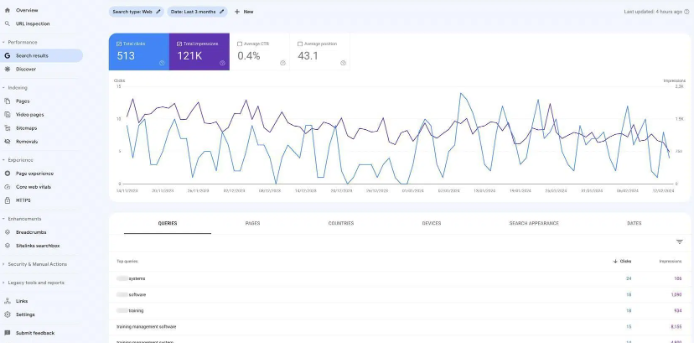
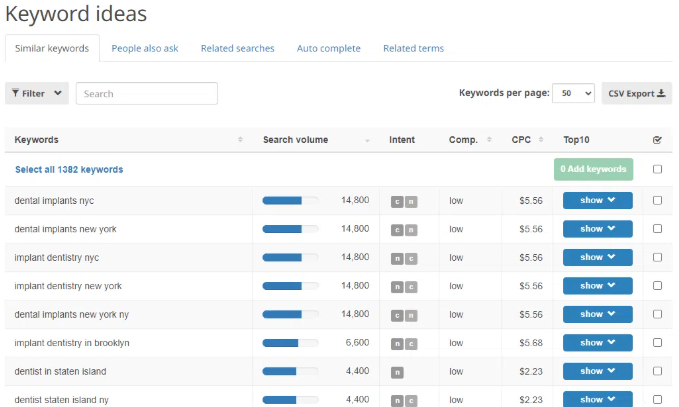
AI is also influencing how businesses plan and improve their website content. SEO tools can help identify related search queries, organize topics, examine content gaps, and highlight technical issues that deserve attention.
For Mumbai businesses, local search visibility can be especially valuable. A company may need dedicated service pages, accurate business information, relevant location details, and useful content that answers the questions of potential customers.
AI can help identify optimization opportunities, but it cannot guarantee rankings. Search performance depends on several factors, including content quality, technical accessibility, competition, website reputation, and how well a page satisfies the searcher’s needs.
Bloom Agency can help businesses approach website optimization as part of a broader digital strategy, connecting website structure and content with organic search visibility and lead generation goals.
How Different Industries Can Use AI in Web Design
Ecommerce and Retail
Online stores can use AI-assisted recommendations to help customers discover relevant products. Intelligent search features, conversational support, and personalized product suggestions can make shopping easier when implemented thoughtfully.
Businesses can also use analytics to understand where visitors abandon their shopping journeys and identify opportunities to improve product pages or checkout experiences.
However, product information, availability, pricing, and delivery policies must remain accurate. Automated recommendations should complement a straightforward shopping experience rather than make it unnecessarily complicated.
Real Estate
Real estate websites often contain large amounts of information about properties, locations, amenities, and configurations. AI-powered search assistance can help visitors narrow their options and find relevant listings more efficiently.
Chatbots can collect initial preferences, such as budget range, preferred location, and property type, before directing inquiries to the sales team.
Real estate businesses should ensure that property details and availability are verified. Automated systems should not misrepresent project information or make commitments that the sales team cannot fulfill.
Healthcare
Healthcare organizations can use AI to improve access to general website information, organize frequently asked questions, and support appointment navigation.
Accessibility, accuracy, and privacy require particular attention in this sector. Automated tools should not replace qualified medical professionals or present unverified medical advice as authoritative guidance.
Clear content, secure forms, and simple navigation should remain the foundation of any healthcare website.
Finance and Professional Services
Financial services companies and professional firms need websites that communicate credibility and explain complex offerings clearly.
AI-assisted content organization can help teams simplify information, while accessibility and testing tools can identify issues that may affect usability. Conversational interfaces may also help visitors locate appropriate service information.
Because these industries can involve sensitive information and regulatory obligations, businesses should review all automated content and integrations carefully before deployment.
Hospitality and Education
Hotels, restaurants, and travel businesses can use chatbots to answer common questions about services, facilities, and booking procedures. Educational institutions can use conversational tools to direct prospective students toward course information, admission requirements, and application instructions.
These features are most useful when answers are drawn from reliable, up-to-date information and visitors can easily contact a person when needed.
The Benefits of AI-Enhanced Web Design
Faster Development Workflows
AI-assisted wireframing, content drafting, and testing can reduce the time spent on certain repetitive activities. This allows teams to spend more time reviewing business requirements, refining user journeys, and improving the final design.
Actual timelines still depend on project complexity, the quality of the initial requirements, and the number of integrations involved.
Improved User Experience
AI can help teams identify patterns in visitor behavior and suggest ways to make website development company in Mumbai navigation more effective. Personalized recommendations and conversational assistance may also help visitors find relevant information more quickly.
These improvements should be measured rather than assumed. Analytics and user feedback can show whether a feature is genuinely helping customers.
More Efficient Customer Support
Chatbots can handle suitable routine questions and provide basic information when staff members are unavailable. This may reduce the workload associated with repetitive inquiries.
Human support remains necessary for complaints, unusual requests, complex sales conversations, and situations requiring judgment.
Better Decision-Making
AI-assisted analysis can help teams organize website performance data and identify pages that deserve closer attention. Instead of making changes based only on assumptions, businesses can use measurable results to guide improvements.
Greater Scalability
Businesses with many products, services, or content pages can use AI to support repetitive content and quality assurance workflows. Human review helps maintain consistency as the website grows.
Challenges Businesses Should Consider Before Adopting AI
Despite its benefits, AI introduces challenges that businesses must address.
Generic design: Overusing generated templates can make a website look similar to competitors. Custom branding, original content, and thoughtful design decisions help create a distinctive identity.
Data privacy: Personalization tools and chatbots may process customer information. Businesses should collect only necessary data, provide appropriate disclosures, and follow applicable privacy requirements.
Content accuracy: AI-generated text can contain errors or outdated information. Every important claim should be checked before publication.
Security risks: AI-generated code and third-party integrations require careful review. Businesses should implement appropriate access controls, secure development practices, and ongoing maintenance.
Unnecessary complexity: Not every website needs an AI chatbot, recommendation engine, or predictive personalization system. Adding features without a clear business purpose can increase costs and make a website harder to manage.
A capable web development partner should explain the benefits, limitations, costs, and maintenance requirements of each proposed feature.
How to Choose the Right Web Design Partner in Mumbai
Choosing an agency involves more than comparing portfolios or looking for the lowest quotation. Businesses should evaluate whether a partner understands their objectives and can translate them into a practical website strategy.
Review Relevant Projects
Ask to see live websites and examine their mobile experience, page speed, navigation, content quality, and overall usability. Projects from similar industries can provide useful evidence of relevant experience.
Understand the Agency’s AI Process
Ask which activities use AI and which require manual design, development, or review. A trustworthy agency should explain its process clearly instead of relying on broad claims about artificial intelligence.
Prioritize Custom Design
Your website should reflect your business identity rather than look like a generic template. Discuss brand guidelines, content strategy, audience needs, and the scope of customization before approving a design.
Evaluate SEO and Performance Knowledge
A successful website needs more than an attractive interface. Check whether the agency considers mobile usability, technical SEO, accessibility, structured data where appropriate, and performance monitoring.
Clarify Pricing and Ongoing Support
Request a clear breakdown of design, development, content, integrations, testing, hosting responsibilities, and maintenance. Confirm which services are included and which may involve additional charges.
Bloom Agency takes a business-focused approach to digital marketing and website strategy, helping organizations consider how their websites can support visibility, customer engagement, and lead generation. Businesses evaluating a website redesign should choose a partner based on its capabilities, communication, and ability to connect technical decisions with commercial goals.
What an Effective AI Web Design Project Looks Like
So, a well-planned project sort of starts with discovery, not just “jump in”. The team figures out business objectives, target audiences, customer questions, how competitors are set up, and what actions the visitors should actually take.
Then the designers start mapping the website structure, and they play with early concepts. AI tools might also help with generating wireframes, or even some alternative layouts, but the team still has to look at the ideas against the real project requirements, because otherwise it just turns into vibes.
During design and development, the team makes the visual interface, implements the needed functionality, and checks that the website works on the relevant devices. AI-assisted tools may help with coding, testing, and organizing content, but humans need to steer, review, and correct whatever slips.
Before launch, there’s quality assurance, which is basically a long checklist. Things like navigation, forms, links, mobile layouts, page performance, accessibility, security, and of course, the important content that must be correct.
After launch, analytics should be set up so it can measure outcomes that actually matter. Then the business can use visitor behavior, search performance, and lead quality to spot what to improve next, instead of guessing.
Overall, this kind of approach keeps AI as a helper for the project, not a replacement for planning, professional judgment, and careful decisions.
How to Measure the Success of an AI-Enhanced Website
Businesses should establish measurable objectives before introducing AI features. Otherwise, it becomes difficult to determine whether the investment has delivered value.
Useful metrics include:
- Conversion rate: The proportion of relevant visitors who complete a desired action, such as submitting an inquiry or purchasing a product.
- Page performance: Loading speed and Core Web Vitals, which help evaluate aspects of real-world user experience.
- Lead quality: Whether website inquiries match the business’s target audience and commercial requirements.
- Customer support performance: How effectively a chatbot resolves appropriate questions and transfers complex issues to human staff.
- Organic search performance: Relevant search impressions, clicks, landing-page engagement, and qualified organic leads.
- User engagement: Whether visitors can find information and complete important tasks without unnecessary friction.
Metrics should be evaluated in context. A higher chatbot interaction rate, for example, does not necessarily mean customers are more satisfied. Businesses should combine analytics with feedback and conversion data to understand the actual impact.
The Future of AI in Web Design Beyond 2026
AI capabilities are likely to become more closely integrated into website development company in Mumbai, content management, testing, and personalization workflows.
Conversational interfaces may make it easier for visitors to find information without navigating multiple pages. AI-assisted multilingual content could help businesses serve audiences in English, Hindi, Marathi, and other languages, provided translations are reviewed for accuracy and cultural context.
Testing and analytics tools may also help teams identify performance problems earlier and prioritize improvements more effectively.
At the same time, customers will continue to expect trustworthy information, fast-loading pages, accessible interfaces, and protection of their personal data. These fundamentals will remain essential regardless of how sophisticated AI tools become.
Businesses that combine useful technology with strong design principles will be better positioned to adapt as customer expectations evolve.
Conclusion
AI is changing how websites get planned, designed, developed, and optimized in 2026. For Mumbai companies, it brings real chances to speed up workflows, sharpen customer support, deliver more personalized and relevant experiences, and finally make smarter choices about their website.
But technology alone, somehow, doesnt automatically build a winning digital presence. A solid website still leans on clear messaging, dependable information, considered design, secure development, and ongoing refinement.
The smartest route is to first point out the actual business pain areas before picking any AI features. If a business is after a new website, an ecommerce platform, better SEO, or a stronger lead generation engine, then every investment should connect back to a clear objective.
Bloom Agency supports businesses in looking at their digital presence through strategy, visibility, and performance. When the right tools are paired with human know-how and measurable goals, organizations can create websites that are modern, but also genuinely helpful for customers and in line with long term growth.

Neetu Wadhwa is the Director of Bloom Agency, a Mumbai-based full-service digital marketing and web development company. With a strong focus on performance, innovation, and strategy, she leads the agency in delivering SEO, web design, and growth marketing solutions that drive measurable business outcomes.




Rahul M.
B2B Service Provider