
Backlinks still count as an important part of search engine optimization because they let search engines find pages, grasp kind of the ties between websites, and judge the credibility of the online content. Still, making backlinks is not some one time thing. Those links can vanish when sites change, when pages get removed, when domains run out , or when publishers adjust their material. In these cases, businesses sometimes see their backlink building counts drop a bit and then they ask themselves if their SEO results will take a hit.
Getting clear on why backlinks disappear is usually the first move to keep a website’s link profile safer. Rather than staring only at the total number of incoming links, site owners should look closer at the quality, how relevant those links are, and how they really affect organic visibility. If they keep a steady habit of watching backlinks, upgrading content, and gaining suitable links, that can support a more sustainable SEO approach, over time.
Understanding Why Backlinks Decline
Backlink decline, kinda like a drop in backlinks, means there is less links pointing to a website or fewer referring domains linking to it. These two measures are related, but they are not fully the same thing. A single site might link to several pages on your domain, while another might only give one link, and thats it
Also, a fall in backlink numbers does not automatically tell you that your site lost search rankings. Some links may have been low-value from the start, and later they just vanished, for example because the other site updated its content. On top of that, search engines keep their own approaches for finding and assessing links, so third-party backlink tools can show changes that do not perfectly match how Google is actually viewing your site
So ideally the aim is to spot the real, meaningful losses, then figure out why they happened, and focus on fixing what matters. Not just reacting to every tiny swing you see in a backlink report, because honestly most of it is noise.
How to Identify Missing Backlinks
The first step in handling a drop in backlinks is to do a steady link audit, like not just once, but regularly. SEO people usually run a backlink analysis to compare the link data they see now with the earlier records, and this way they can spot links that have just … gone away.
Platforms like Ahrefs, Semrush, and Majestic offer backlink analysis options, they help with finding lost links plus referring domains too. Also, Google Search Console can give handy info on a site link profile, even if it does not really work as a full on, historical backlink tracking system.
Keeping periodic exports or reports is pretty important, because it makes comparisons over time less of a headache. For each lost backlink, go back and check the original linking page, the destination URL, the referring domain, and the anchor text that’s still available. Then confirm if the source page is still there, and if the link is genuinely removed, not just “missing” in some view.
It also helps to separate a truly lost link from what is only a reporting shift. Third party tools keep their own indexes, so a backlink might temporarily disappear from a report when a crawler has not returned yet or it starts recording the link differently.
Common Reasons Why Backlinks Disappear
Low-Quality Links Lose Their Value
Some backlinks originate from irrelevant directories, automatically generated pages, spam websites, or low-quality networks created primarily to manipulate search rankings. Such links may disappear when the source website removes content, shuts down, or changes its publishing practices.
Losing these links may have little practical effect on organic performance, especially if they were not attracting referral traffic or providing meaningful editorial value. Consequently, businesses should not automatically attempt to replace every missing backlink.
The more important task is to evaluate whether the lost link came from a relevant, trustworthy page and whether it contributed to genuine audience discovery. High-quality editorial links from useful industry resources generally deserve more attention than links from unrelated or suspicious websites.
Linking Pages or Websites Are Removed
Websites regularly update their content, remove outdated articles, consolidate pages, and retire old sections. Sometimes, entire domains expire or change ownership. When a page containing a backlink disappears, the link may no longer be available to visitors or search engine crawlers.
This type of link loss is largely outside the receiving website owner’s control. However, the impact depends on the importance of the source page. Losing a link from a popular industry publication may be more significant than losing one from an inactive blog that receives little traffic.
If the source website is still active, contacting its editor may help determine whether the link can be restored or included in an updated article. A replacement link should be relevant to the discussion and genuinely useful to readers.
Changes to URL Structures Create Broken Links
Website redesigns, content migrations, and changes to permalink structures can cause valuable backlinks to point to outdated URLs. For example, a company might change an old blog address while external websites continue linking to the previous version.
When the original URL returns a 404 error, visitors may encounter a dead page, and the website may lose the opportunity to benefit from the incoming link.
Implementing appropriate permanent redirects, commonly called 301 redirects, is an important part of website migration planning. Redirects should send visitors and crawlers to the closest relevant replacement page. Redirecting every obsolete URL to the homepage is generally a poor solution when the destination does not match the original content.
Businesses should also review internal links, update important external links when possible, and monitor redirect chains. Keeping relevant redirects in place helps preserve a functional user experience and supports the continued discovery of migrated content.
Backlinks Are Removed During Content Updates
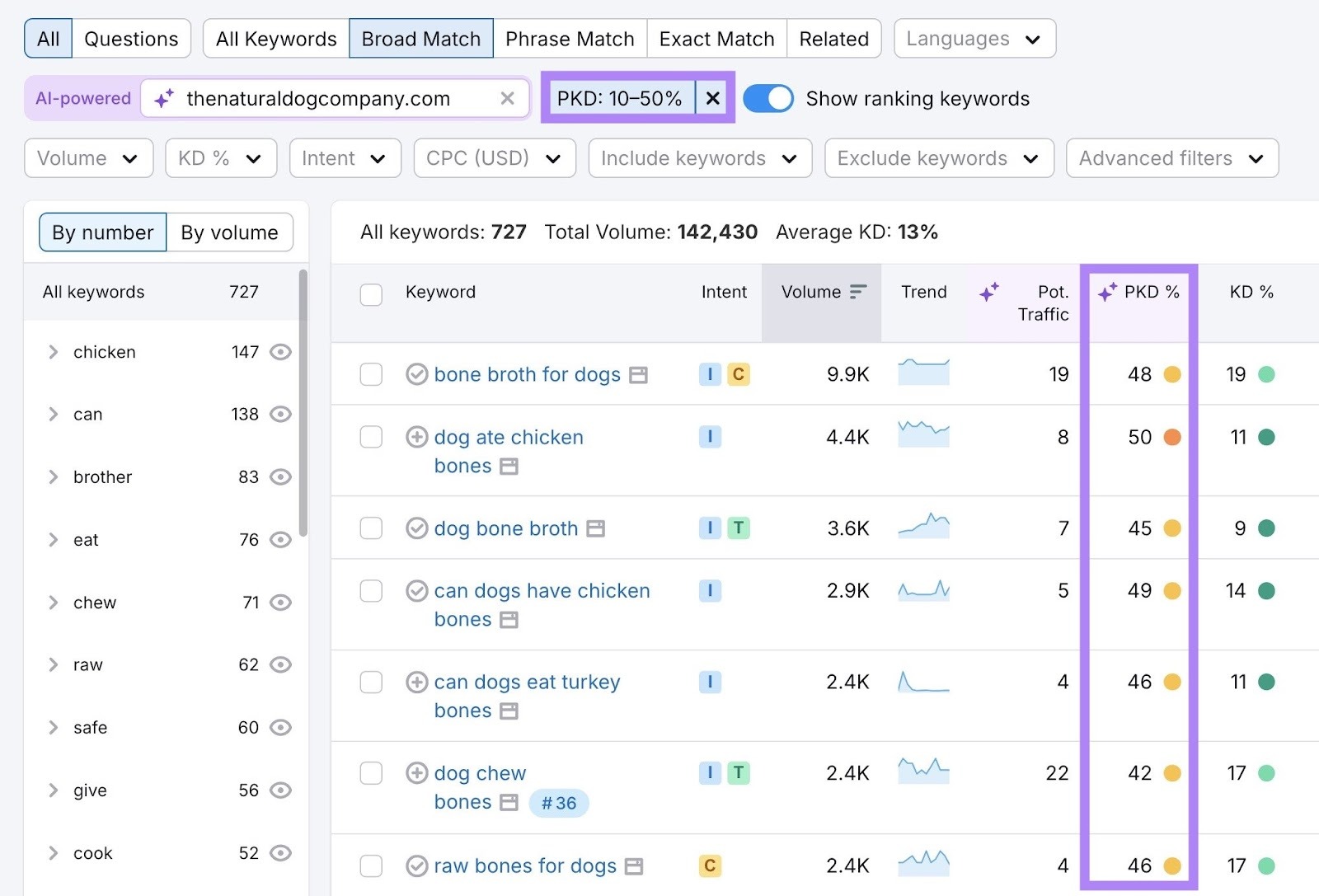
Publishers often revise old articles to improve accuracy, readability, or relevance. During these updates, they may remove external references, replace outdated sources, or reorganise links.
If a backlink disappears from a page that remains active, examine the updated content before contacting the publisher. The original destination may no longer support the article’s current argument, or a more recent resource may have replaced it.
When your page still provides useful information, a polite outreach message explaining its relevance may encourage the editor to restore the reference. Avoid pressuring publishers to retain links that do not serve their readers.
Links Are Lost Through Disavow Files
A backlink report may show links that a business previously submitted to Google’s disavow tool. This can happen when an SEO team removes links from its active tracking list or compares current data with older reports.
The disavow tool asks Google to disregard specified backlinks when evaluating a website. It is an advanced feature intended for particular situations, not a routine solution for every suspicious link. Google generally ignores many spammy links automatically.
Before treating a decline as a problem, review previous SEO actions and confirm whether a disavow file was submitted. Disavowing links without a clear reason can create unnecessary complications, so decisions should be based on a careful assessment of the backlink profile.
How to Stop Losing Valuable Backlinks
Although it is impossible to prevent every backlink from disappearing, businesses can reduce avoidable losses and build a stronger foundation for future link acquisition.
Create Content Worth Referencing
Useful content gives publishers a genuine reason to link to your website. Instead of producing articles solely to increase publishing frequency, focus on resources that answer important questions and provide information readers cannot easily find elsewhere.
Original research, practical industry guides, detailed tutorials, expert commentary, case studies, and useful comparison resources can attract attention from journalists, bloggers, and other content creators.
For example, a digital marketing agency could publish a detailed guide explaining common technical SEO problems, supported by practical examples and actionable recommendations. Other websites may reference that guide when discussing website performance or search optimisation.
Content quality matters more than publishing volume alone. Regularly updating valuable resources can also help maintain their usefulness and create new opportunities for relevant backlinks.
Build Relationships With Relevant Publishers
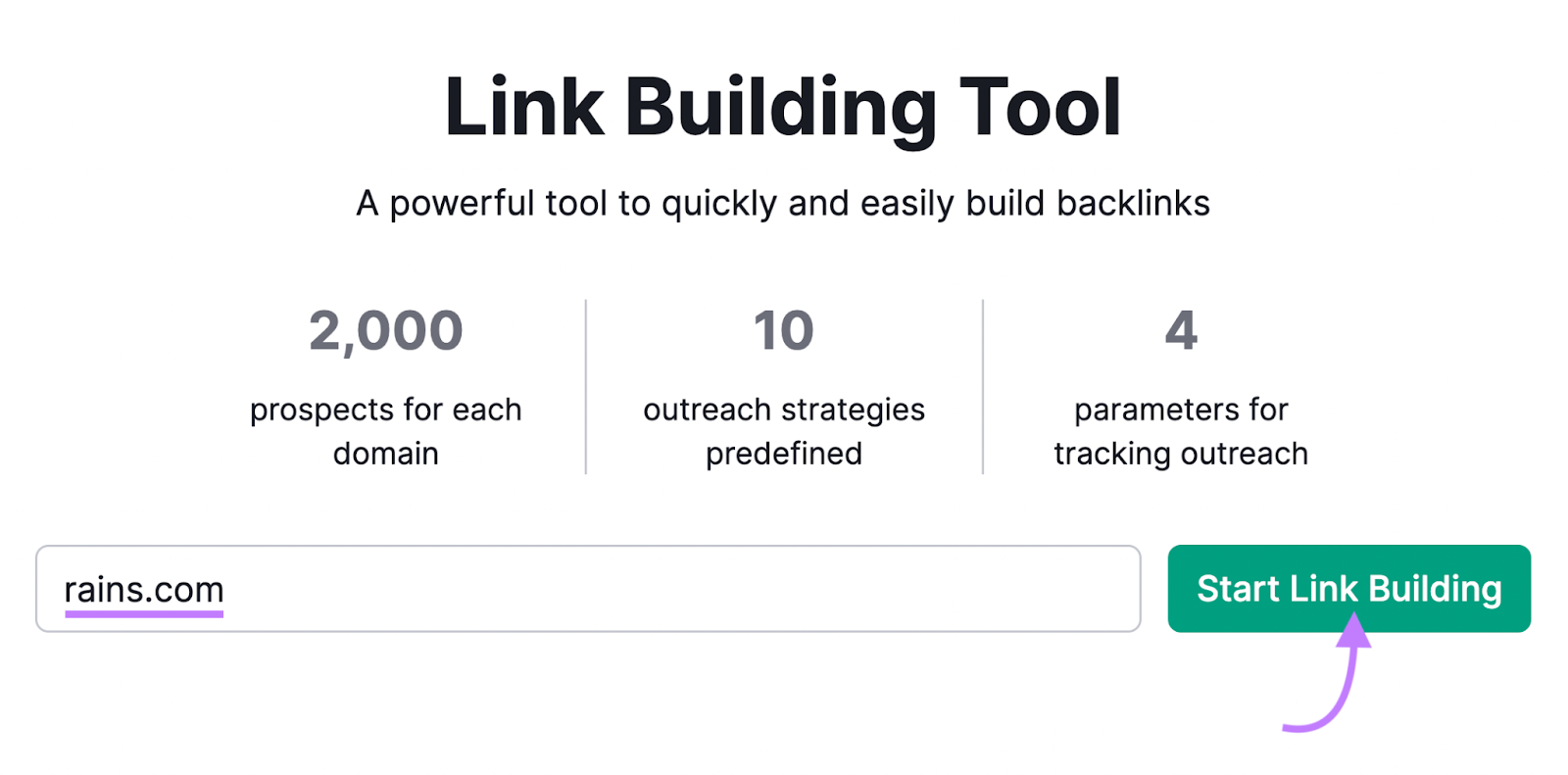
Sustainable link acquisition often depends on relationships rather than isolated outreach campaigns. Businesses can connect with industry publications, professional associations, relevant bloggers, journalists, and subject-matter experts.
Guest contributions are one possible approach when they provide genuine editorial value. A well-researched article can introduce a brand to a relevant audience while creating an opportunity for an appropriate reference to the business’s website.
However, guest posting should not become a mass link-placement exercise. Articles created primarily to manipulate rankings, especially when published across unrelated websites, may provide little long-term value. Relevance, editorial standards, and reader usefulness should guide publishing decisions.
Monitor Important Backlinks Regularly
A kind of monitoring process that is more structured helps businesses spot important backlink losses before they turn into, kind of overlooked issues. Usually, reviewing the reports monthly is a decent, practical start for many websites, although larger sites might need checks more often.
Try to prioritise links from relevant publications, industry resources,and pages that once brought in referral visits. If a valuable backlink disappears, you should figure out what’s going on, like was the source page removed or did the URL get changed, or has the publisher simply stripped out the mention.
Write down the cause for the loss and the action taken. This ends up being a handy history later for future SEO reviews and it helps teams tell apart recurring technical problems from the everyday changes that happen across the web.
Recover Broken and Lost Links
Link reclamation is mostly about restoring the backlinks that got lost due to issues that were fixable. Start by see ing if the destination URL is throwing an error, if a redirect is somehow missing, or if the source page still has some mention of that old address.
If your site moved content to a new URL, add a suitable redirect in those cases, not just in general. And if a publisher removed a link inside an already written article, take a look at the surrounding context, then reach out to the editor only if your resource is still genuinely useful.
You can also locate other relevant websites that are linking to broken pages somewhere else, so it’s not only about you. When your website offers.
Conclsuion
Backlink decline is, kinda, a normal part of SEO but knowing why it happens can let businesses keep their website authority and organic reach in better shape. If the reason is broken URLs, deleted pages, or low-quality links, plus even things like website migrations, then every one lost backlink should really be checked out carefully before choosing what to do next. Doing backlink audits on a routine basis, trying link reclamation where it makes sense, setting proper redirects, and creating high quality content can help reduce the avoidable losses. And if a team focuses on relevant websites, builds genuine connections, and offers truly useful resources, it can create a sustainable backlink profile, which then supports long term search performance, referral traffic, and overall online growth.

Neetu Wadhwa is the Director of Bloom Agency, a Mumbai-based full-service digital marketing and web development company. With a strong focus on performance, innovation, and strategy, she leads the agency in delivering SEO, web design, and growth marketing solutions that drive measurable business outcomes.



Rahul M.
B2B Service Provider