
SEO has changed a lot over the past decade. Search engines are smarter, people are more picky, and AI powered search is kinda changing the whole way info gets found online. Still, one thing stays the same, websites that actually help people tend to win… not those that try to game the system.
This is why White Hat SEO starts to matter more.
White Hat SEO is basically about doing optimization in a way that matches search engine rules, but also keeps the user in mind—think good experiences, solid content, and growth that lasts. Instead of using weird algorithm loopholes, White Hat SEO is more like building authority and trust, step by step, with relevance that makes sense.
At Bloom Agency, we feel that sustainable rankings come when you help users first , and only then worry about search engines. This guide covers the main principles, practical techniques, and useful frameworks businesses can use to build real organic visibility over time.
What Is White Hat SEO?
White Hat SEO is improving a site’s search presence using ethical optimization methods that follow search engine guidelines. It leans into helpful content, better user experience, and natural authority building, like it should be.
Instead of manipulative tricks meant to confuse algorithms, White Hat SEO aims for sites that deserve to rank because they provide real value, not just noise.
Common traits usually include :
- Content that’s centered on users
- Ethical link acquisition, not sketchy stuff
- Technical optimization that’s clean and understandable
- Transparent SEO practices
- Long-term growth strategies
The objective isn’t just “higher rankings” quickly. The point is sustainable business growth through organic search, with less risk and more stability.
White Hat SEO vs Black Hat SEO
A lot of companies hear the “fast results” promises and they get tempted. But there’s a real gap between ethical optimization and manipulative SEO services tactics.
White Hat SEO tends to focus on:
- Valuable content
- User experience
- Earned authority
- Technical quality
- Compliance with search engines
Black Hat SEO often includes:
- Keyword stuffing
- Link schemes
- Cloaking
- Spammy content
- Manipulative tactics overall
Sure, shortcuts can sometimes bring temporary wins. But search engine updates usually peel away those advantages fast. White Hat SEO, on the other hand, creates long-term resilience and helps protect your site’s reputation.
Why White Hat SEO Matters More Than Ever
Modern search engines rely on advanced machine learning to read intent, judge content quality, measure authority, and look at how satisfied users seem to be.
Google, especially, increasingly favors sites that:
- Show real expertise
- Provide thorough answers
- Deliver strong user experiences
- Build genuine trust, not fake signals
- Keep technical quality in good shape
And as AI driven search keeps getting more capable, ethical SEO isn’t just “nice to have” anymore. Companies that invest in quality tend to be in a better position for lasting visibility, when the algorithms evolve and the competition gets tougher.
Chapter 1: Strategic Keyword Research
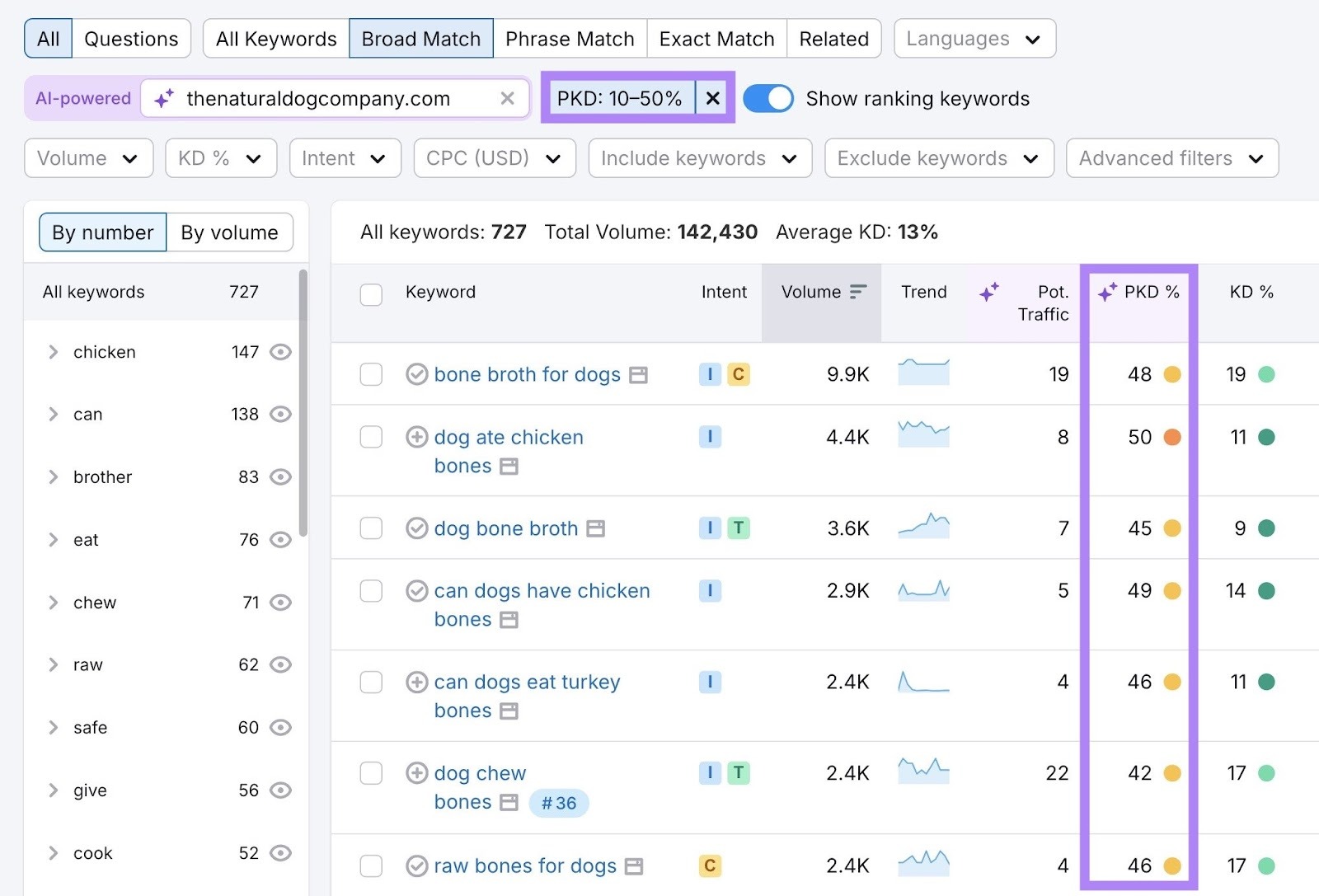
Keyword research stays the main base for , basically, every successful SEO campaign. The goal isn’t just grabbing keywords with big search volume. Instead, business should look for topics that really match what the user needs, AND what the company is trying to achieve.
Understand Search Intent
Every search query has some sort of hidden reason.
People might be here to:
- Learn info
- Compare options
- Find a local business
- Buy something, right now
So content should fit that purpose, not vaguely, but precisely.
Discover Long-Tail Opportunities
Long tail keywords tend to bring:
- Lower competition
- Better conversion performance
- More focused user intent
So rather than chasing wide terms, focus on very specific searches that mirror what customers actually want.
Analyze Competitor Visibility
Checking competitors can show :
- Ranking openings
- Content gaps
- Topics that already perform well
- Search demand nobody is covering
When you study competitors that rank, you sometimes get real strategy hints.
Monitor Community Discussions
Forums, Reddit talks, niche industry groups, even social communities, often show the exact wording customers use.
Those chats bring content ideas, plus keyword chances you might miss otherwise.
Chapter 2: Creating Content That Deserves to Rank
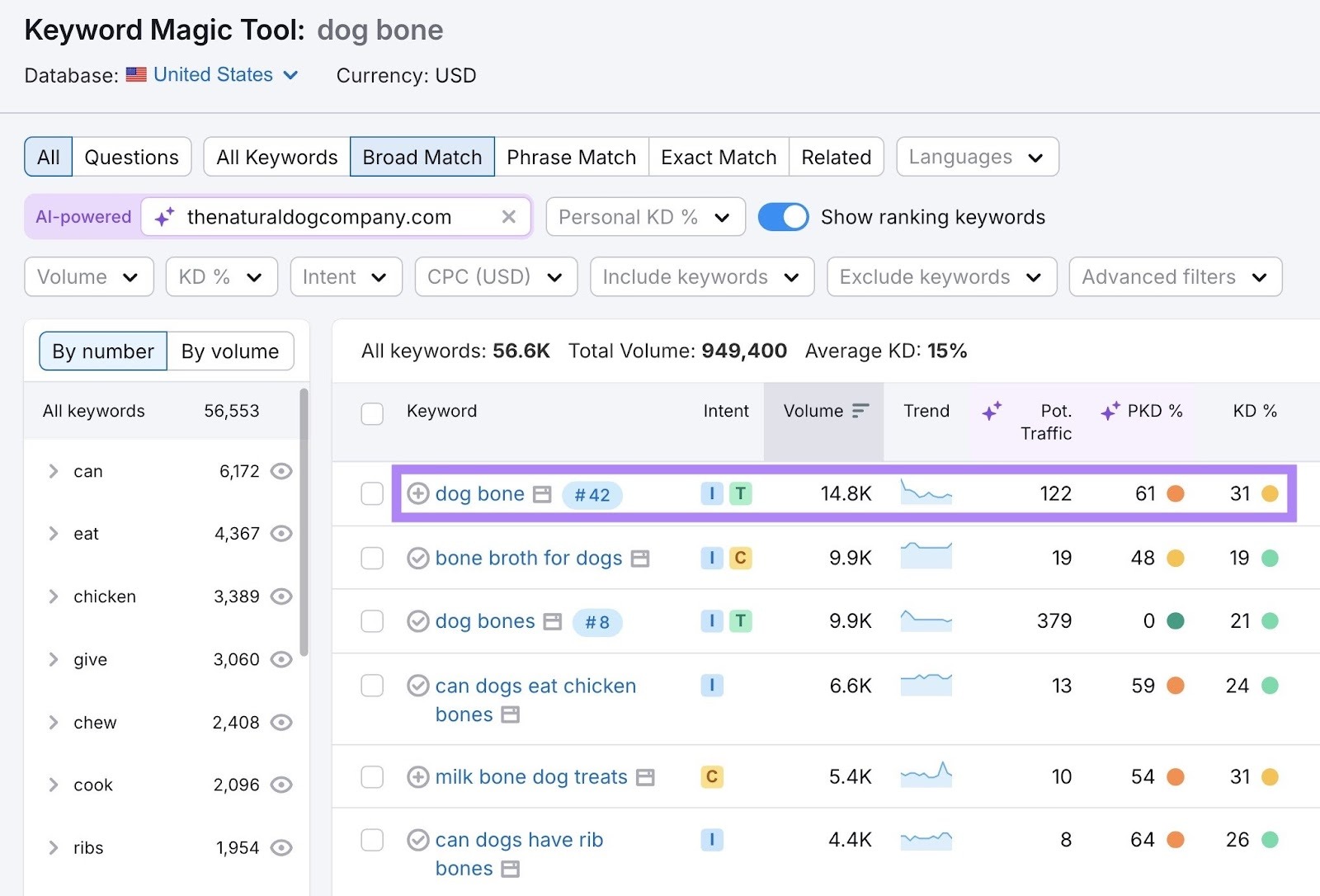
Content is still the biggest piece of White Hat SEO, and honestly it always stays there. Search engines keep leaning toward content that solves problems in a full, satisfying way.
Build Topical Authority
Don’t publish lone posts in isolation, instead build a whole topic ecosystem.
Like this:
Instead of one article about ecommerce SEO, you could create a set of supporting content, covering :
- Technical ecommerce SEO
- Product page optimization
- Category page strategies
- Internal linking
- Conversion optimization
This kind of structure helps strengthen topical authority, over time.
Satisfy Search Intent Completely
The best content answers the question all the way through.
Before you create anything, ask :
- What does the searcher need
- What problem are they trying to fix
- What result are they expecting
The better you match intent, the more ranking power the page tends to have.
Improve Readability
If users don’t stick around, performance usually suffers.
Effective content usually includes :
- Clear headings
- Short paragraphs
- A sensible structure
- Visual elements
- Easy navigation
People should be able to scan and understand without struggle.
Demonstrate Expertise
Modern SEO tends to reward expertise and credibility.
Back up your points with :
- Industry data
- Original research
- Expert opinions
- Practical examples
- Real world experience
Trustworthy content tends to keep performing, even when updates happen.
Chapter 3: On-Page SEO Best Practices
On-page SEO helps search engines get what the page is actually about.
Optimize Title Tags
Title tags are still one of the strongest ranking signals on the page.
Strong titles usually :
- Include target keywords
- Explain value
- Encourage clicks
- Stay reasonably concise
Create Compelling Meta Descriptions
Meta descriptions aren’t direct ranking factors but they do affect clicks. A solid description can lift visibility performance, quite noticeably.
Use Structured Headings
A heading hierarchy improves readability, and it helps search engines see how the content is arranged.
Use:
- H1 for the main theme
- H2 for major sections
- H3 for supporting details
Strategic Keyword Placement
Keywords should fit naturally in :
- Titles
- Headings
- The introduction area
- Image alt text
- Supporting sections
Just don’t overdo it, because keyword stuffing looks bad and also it usually underperforms.
Internal Linking
Internal links help with:
- Spreading authority around
- Improving crawlability
- Guiding visitors
- Reinforcing topical relevance
If your internal linking is planned well, both users and search engines benefit.
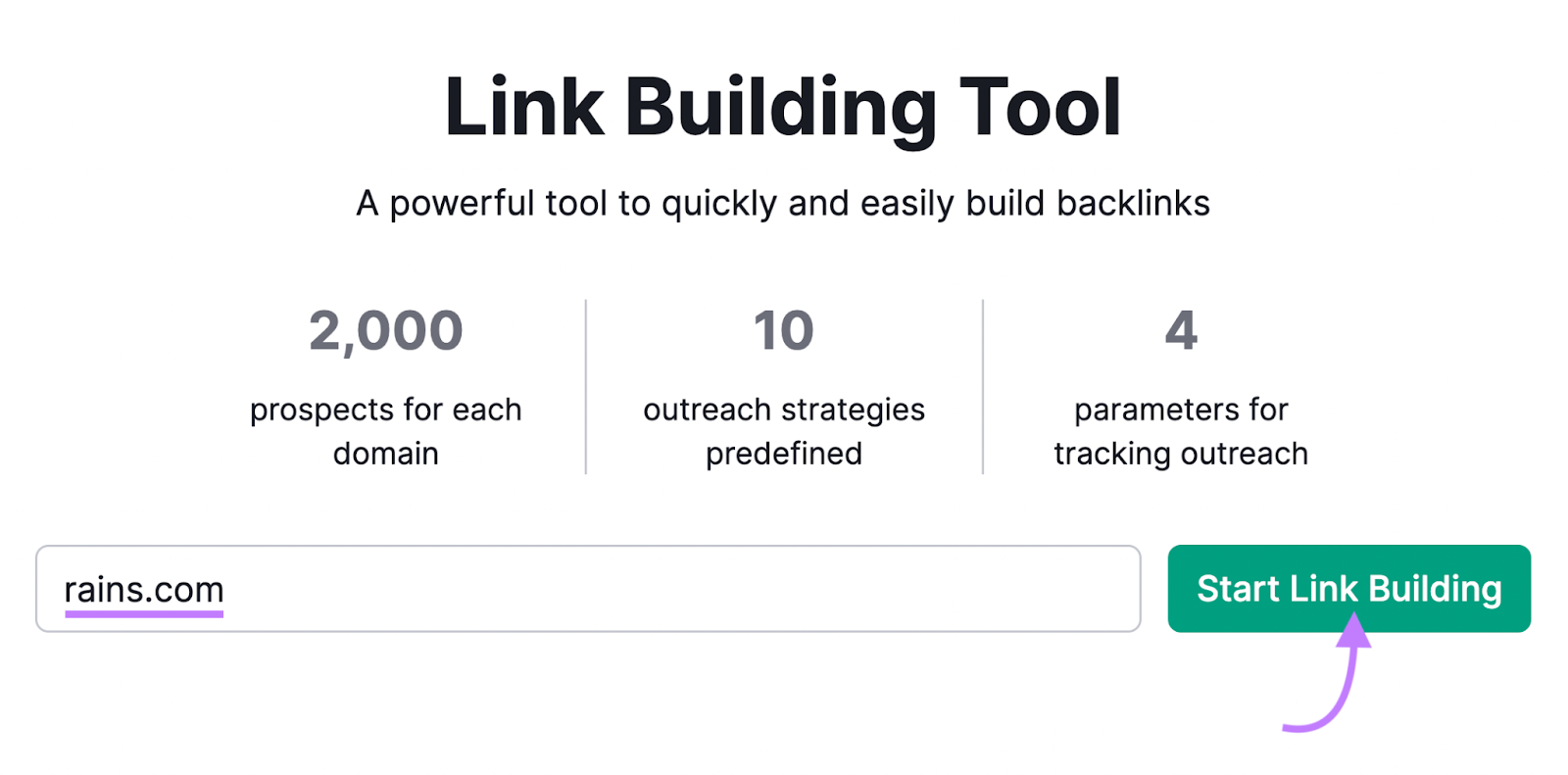
Chapter 4: Ethical Link Building
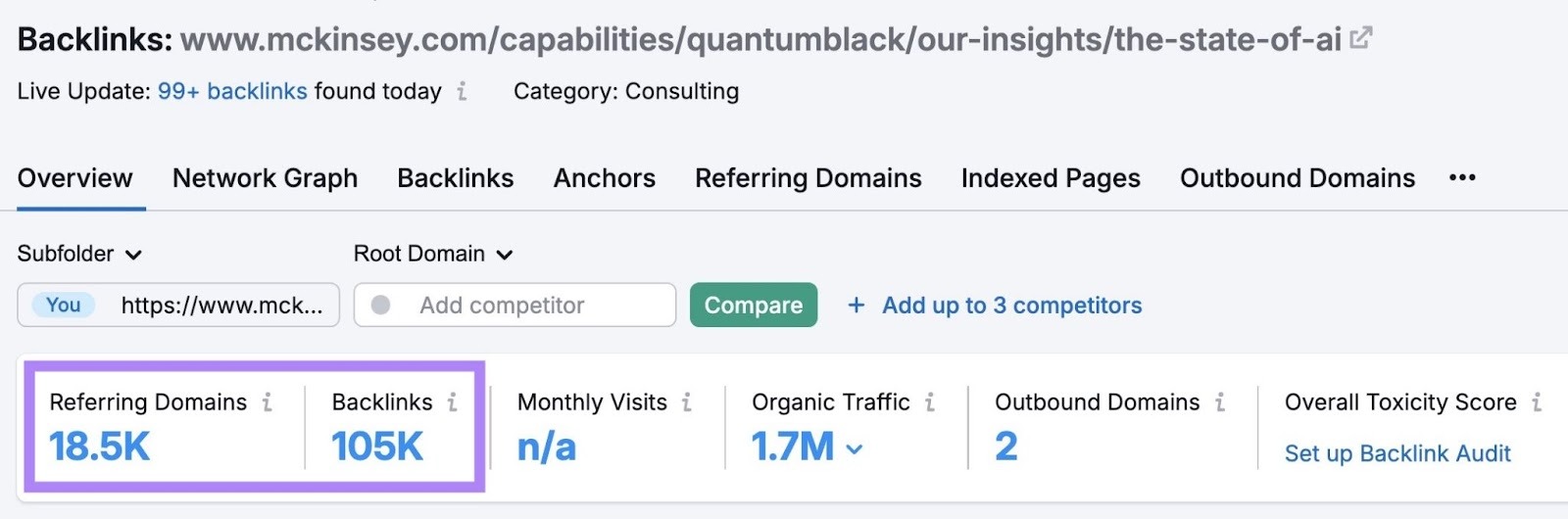
Backlinks still matter a lot, as a ranking signal. But not every link has the same weight. White Hat SEO is about earning links instead of forcing manipulation.
Digital PR
Great content can pull in media attention and industry mentions.
Examples include :
- Research studies
- Industry surveys
- Expert commentary
- Trend reports
- Guest posting
Contributing useful material to reputable publications can earn relevant backlinks, and also improves brand exposure.
Resource Link Building
Create resources people actually want to cite.
Examples :
- Guides
- Tools
- Templates
- Research reports
- Broken link outreach
When you help website owners replace broken references with genuinely valuable assets, it creates mutual benefit.
Chapter 5: Technical SEO Foundations
Technical SEO services make sure search engines can access, understand, and index your pages efficiently.
Website Speed
Fast sites improve :
- User experience
- Engagement
- Conversions
- Search performance
Page speed optimization stays a critical ranking consideration.
Mobile Optimization
Because mobile-first indexing is the reality now , mobile usability isn’t optional.
Websites should :
- Load quickly
- Render properly
- Offer simple navigation
- Work on all devices, without drama
Site Architecture
A clean website structure improves discoverability, and it helps authority flow. Visitors, and search engines too, should reach important pages without lots of detours.
Schema Markup
Structured data helps search engines understand page content and can improve search result appearance.
Crawlability and Indexation
Do regular audits to watch for :
- Crawl errors
- Redirect issues
- Indexing problems
- Duplicate content
Healthy technical conditions support stable, long term rankings.
Chapter 6: The Future of White Hat SEO
SEO keeps changing fast.
Several trends are shaping what comes next :
AI Search Experiences
AI-generated answers are changing how people discover information.
Companies need to publish content that shows expertise, plus originality.
Entity-Based Search
Search engines are getting better at understanding relationships between concepts, not only keywords.
User Experience Signals
Engagement metrics keep influencing visibility. Fast, helpful, user-first websites should stay competitive.
Trust and Authority
Brands that build real expertise and credibility will likely benefit most from upcoming algorithm updates.
Mobile Optimization
With mobile-first indexing, mobile usability is no longer optional.
Websites should:
- Load quickly
- Display correctly
- Provide easy navigation
- Support all devices
Site Architecture
A clear website structure improves discoverability and authority flow.Visitors and search engines should reach important pages easily.
Schema Markup
Structured data helps search engines understand page content and can enhance search result visibility.
Crawlability and Indexation
Regular audits should monitor:
- Crawl errors
- Redirect issues
- Indexing problems
- Duplicate content
Technical health supports long-term rankings.
Common White Hat SEO Mistakes
Many businesses unknowingly limit their SEO success.
Common mistakes include:
- Publishing thin content
- Ignoring technical SEO
- Neglecting internal links
- Targeting overly competitive keywords
- Producing content without intent alignment
- Prioritizing quantity over quality
Avoiding these mistakes can dramatically improve performance.
Conclusion
White Hat SEO is not about finding shortcuts. It is about creating websites that genuinely deserve visibility.
Businesses that focus on valuable content, technical excellence, ethical authority building, and exceptional user experiences consistently outperform competitors over the long term.
At Bloom Agency, we view SEO as a growth engine rather than a ranking tactic. By combining strategic keyword research, authoritative content creation, technical optimization, and ethical link acquisition, businesses can build sustainable search visibility that continues generating results year after year.
As search engines become more sophisticated and AI-driven experiences continue evolving, White Hat SEO will remain the most reliable path to lasting online success.
Frequently Asked Questions (FAQs)
Why is White Hat SEO important for businesses?
Because it helps companies grow their online presence in a sustainable manner, so you don’t have to worry about search engine penalties or sudden ranking drops. It can boost website authority, bring in more organic traffic, and strengthen brand trust over time. Plus the results usually keep paying off, even after the initial work is done, so it’s not just a quick spike and done.
How long does it take to see results from White Hat SEO?
White Hat SEO is definitely not instant. Most businesses start seeing clear improvements in about three to six months, but if you’re in a super competitive space it can take longer. The schedule depends on stuff like how crowded the keywords are, your site history, and how solid your strategy is. Some sites move faster, some slower, but it’s generally a gradual climb.
What’s the difference between White Hat SEO and Black Hat SEO?
White Hat SEO stays within guidelines and keeps user value in mind. Black Hat SEO though leans on manipulative tactics like keyword stuffing, sketchy link schemes, and hidden content to push rankings up. Those methods might look good for a moment, but they can backfire, causing penalties, loss of visibility, or rankings that suddenly disappear.
Does White Hat SEO include link building?
Yes, but it’s the ethical kind. White Hat link-building can involve guest posting, digital PR, outreach to resource pages, and building really high-quality content that earns backlinks naturally from credible sites. So you’re not forcing links, you’re attracting them.
How does content help with White Hat SEO?
Content is a huge part of the ranking picture. Strong content helps users get answers, lets you target relevant keywords, improves engagement signals, and builds expertise. It also encourages people to link back to you. Search engines tend to favor content that’s genuinely helpful, not pages that are just stuffed with phrases.
Can White Hat SEO improve local search rankings?
Yes, absolutely. Local optimization is a real part of White Hat SEO. It can include improving your Google Business Profile, managing local citations, handling customer reviews, and publishing location-focused content that helps your business show up for searches near you.
Is White Hat SEO suitable for ecommerce websites?
For sure. Ecommerce sites often benefit a lot from White Hat SEO because product pages and category pages can be optimized, technical SEO can be improved, and content marketing can build authority. When organic traffic increases, it can translate into more sales, not just more visits.
What role does technical SEO play in White Hat SEO?
Technical SEO is what helps search engines crawl your site properly, index it correctly, and understand what the pages are about. This usually includes speeding up the site, making sure it works well on mobile, adding schema markup, using HTTPS, generating XML sitemaps, and fixing crawl issues. If the tech part is messy, the content can’t perform as well.
Why should businesses choose Bloom Agency for White Hat SEO?
Bloom Agency is focused on ethical, measurable SEO work that supports long-term growth. Our team combines keyword research, content marketing, technical SEO, local SEO, and authority-building methods so businesses can improve rankings, grow traffic, and attract qualified leads. And we don’t rely on risky shortcuts that can cause problems later.

Neetu Wadhwa is the Director of Bloom Agency, a Mumbai-based full-service digital marketing and web development company. With a strong focus on performance, innovation, and strategy, she leads the agency in delivering SEO, web design, and growth marketing solutions that drive measurable business outcomes.






Rahul M.
B2B Service Provider