
Pay-per-click advertising (PPC) for healthcare helps clinics, hospitals, medical practices and healthcare providers connect with folks who are already trying to find care online. With the right PPC strategy, these healthcare organizations can promote key services, boost appointment requests, and show up for high-intent searches like “urgent care near me,” “family doctor accepting new patients” or “best dental clinic nearby.”
Still, healthcare PPC is a little more involved than a typical ad campaign. Medical keywords tend to be insanely competitive, and a click, even if it looks promising, does not always turn into a booked appointment. Healthcare providers usually need campaigns designed around patient intent service centered landing pages privacy-aware tracking, and then a solid follow-up workflow so ad spending can actually pay off.
This guide breaks down how healthcare PPC works, what a strong healthcare PPC strategy should include, and the best practices that help convert more clicks into real patients.
What Is Healthcare PPC?
Healthcare PPC is a digital advertising approach where healthcare organizations pay each time someone clicks on an ad. In practice, it helps providers get in front of people who are actively searching for medical services online, not just scrolling past.
For instance, a dermatology clinic might bid on “skin specialist near me,” while a physical therapy center may run ads for “sports injury treatment in Chicago.”
Healthcare PPC ads can show up across multiple digital platforms, including Google Ads Microsoft Advertising Meta Ads display advertising networks and YouTube video ads.
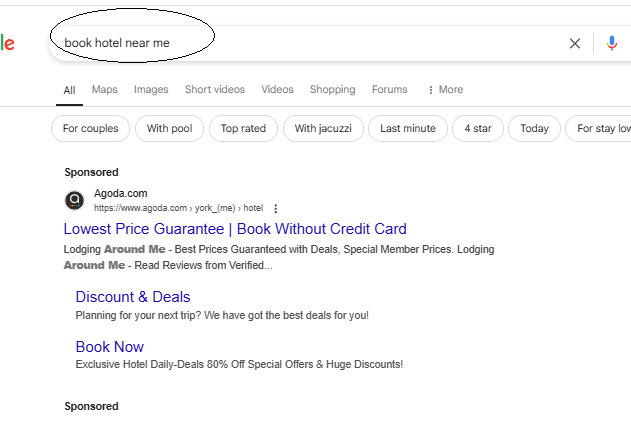
Search advertising is often the best place to start, because it targets people with immediate intent. Someone searching “emergency dentist open today” is already looking for treatment , so they’re much closer to booking than a person casually browsing social media.
And because healthcare advertising can involve sensitive search behavior, healthcare PPC needs careful setup. The ad copy landing pages tracking systems and even audience targeting all have to balance performance with privacy and compliance considerations.
Why use PPC advertising for healthcare?
Healthcare PPC helps providers boost visibility fast, while also reaching patients who are already actively looking for care, which is kind of… really the main point.
Reach patients at the right moment
With search ads, healthcare providers can show up when people look for medical services. Searches like “orthopedic doctor near me” or “urgent care open now” tend to reflect strong intent, because the person usually needs attention, right now.
At that moment, PPC lets providers capture the demand immediately.
Support long term SEO growth
Healthcare SEO matters for long run visibility. But going organic for competitive medical keywords can take time, a lot of time actually. PPC helps practices appear in search results right away, while SEO work keeps building authority in the background.
When SEO and PPC are paired together, providers get short term and long term patient acquisition opportunities, both at once in a way.
Promote priority services
Healthcare providers can run PPC campaigns to highlight specific services locations, or even specialties. For instance a clinic might choose to push cosmetic dentistry, telehealth consultations pediatric care, or a new office opening depending on what matters for growth.
Paid advertising gives providers a way to put budget behind the services that return the most value.
How healthcare PPC works
Healthcare PPC works by displaying ads to users who search for relevant medical services, or who match specific targeting criteria.
When someone searches, advertising platforms hold an auction to figure out which ad shows. The platform considers multiple signals, such as:
- Bid amount
- Ad relevance
- Landing page quality
- Expected click-through rate
| PPC Process | Description |
| User searches for a medical service | Patient searches for treatment or healthcare provider |
| Ad enters auction | Platform evaluates ad relevance and bid |
| Ad appears in search results | User sees the advertisement |
| User clicks the ad | Patient visits the landing page |
| Landing page encourages action | Appointment request, form submission, or call |
| Tracking records the lead | Performance data measures conversions |
What Should a Healthcare PPC Strategy Include?
A solid healthcare PPC strategy is basically like a whole chain, patient intent plus ad messaging, plus landing page flow, and then lead tracking all mashed together into one system, even if it feels a little messy at first. When these things are actually aligned, healthcare providers can pull in better patient leads, get more appointment requests, and stop bleeding money on clicks that go nowhere.
High-Intent Keywords
High-intent keywords are the ones that help healthcare providers connect with people who are already looking for a medical service or a specific treatment. Usually these searches include service terms , symptom language, provider types, city or neighborhood modifiers, and sometimes urgency vibes like “today” or “urgent.”
For example, searches such as “pediatric dentist in Dallas,” “back pain treatment,” “orthopedic surgeon near me” or “same-day dentist appointment” are pretty strong signals because the person is not just browsing, they are actively seeking care.
Healthcare organizations should group campaigns by service category, this helps ad relevance, supports better quality scores, and can lift conversion rates too. When campaigns are segmented, providers can also write more tailored messaging , and send people to landing pages that match the treatment they care about, not something generic.
Location Targeting
Location targeting lets healthcare providers spend their budget in places where patients are more likely to schedule. Since most healthcare is, yeah, location dependent, focusing on realistic travel distances usually improves lead quality and makes campaigns run more efficiently.
For practices with multiple locations, separate campaigns per office location helps with reporting clarity. It also improves local ad relevance and makes landing pages easier to personalize, plus it helps teams optimize budgets without guessing.
Local targeting also reduces wasted clicks from people outside your actual service area, which is honestly a huge deal.
Dedicated Landing Pages
Every SEO healthcare services or PPC should send visitors to a dedicated landing page, not just dump them on the homepage, like “good luck.” A specialized landing page creates a smoother experience and generally makes it easier to convert visitors into patients.
A good healthcare landing page should spell out the services, list provider qualifications, show insurance acceptance, explain appointment options, and include contact information that is easy to find. Trust elements like patient reviews, certifications, awards, and other credibility cues can also increase confidence, and help conversions happen faster.
The landing page should match the patient’s search intent really closely. So if someone searches “laser eye surgery consultation,” they should land on a LASIK-style information page directly, not scroll through a general site.
HIPAA-Aware Tracking and Analytics
Healthcare PPC tracking has to balance marketing measurement with patient privacy and compliance needs. Before going live, healthcare providers should audit their tracking setup, including CRM connections, call tracking tools, remarketing settings, and analytics configuration.
Tracking should concentrate on performance indicators, like phone calls, appointment requests, form submissions, and campaign conversion rates, without revealing protected patient information.
When tracking is privacy-aware, healthcare organizations can improve campaign performance while staying compliant and protecting patient trust, which matters a lot.
Call Tracking and Intake Follow-Up
Phone calls are often the most valuable lead source in healthcare. Many patients prefer talking to the clinic or medical office directly before booking, they want confirmation and clarity quickly.
Strong healthcare PPC campaigns should include call tracking systems, missed-call alerts, appointment tracking , intake scripts , and automated follow-up workflows. These systems help providers measure lead quality, improve response times, and avoid missed opportunities.
Even if PPC performance looks great, it can still slip if patient calls are unanswered or intake teams don’t respond quickly enough.
Budget Controls
Healthcare PPC can get expensive, especially in competitive specialties like cosmetic dentistry, orthopedic surgery, or personal injury-related services.
Budget controls help providers allocate ad spend more effectively. Approaches include using negative keywords, segmenting campaigns by service type, focusing on high-converting locations, scheduling ads during business hours, and prioritizing profitable service lines.
Different services may also need different acceptable cost-per-lead targets, because patient value and treatment revenue can vary a lot.
7 Healthcare PPC Best Practices
1. Build Campaigns Around Patient Intent
Healthcare PPC campaigns usually do best when they match what the patient needs right now. Someone searching “emergency dentist near me” needs messaging that’s very different from someone researching “teeth whitening cost.”
Segmenting campaigns by treatment type, urgency, and patient intent improves ad relevance, supports better click-through rates, and can lift conversion results.
2. Use Location Targeting Carefully
Healthcare providers should run ads only where they can realistically serve. Localized targeting lowers wasted ad spend and tends to improve lead quality. Location-specific landing pages also help performance, because ads can feel more personalized and locally relevant to the user.
3. Send Users to Service-Specific Landing Pages
Dedicated landing pages boost patient experience and often increase appointment conversions. Patients want to see details tied directly to the service they searched for. Landing pages should explain treatment options, show provider expertise, include insurance details, outline appointment steps, and present contact methods clearly so visitors can move forward with less hesitation.
4. Make Appointment Booking Easy
Healthcare PPC results can depend heavily on how easy it is to book. Websites should include click-to-call buttons, shorter forms, online scheduling tools, and clear calls-to-action placed where people actually notice them. The fewer steps and barriers patients face, the more likely they are to convert into booked appointments.
6. Measure Leads not just Clicks
Clicks on their own don’t really tell you if a healthcare PPC campaign is working. Healthcare providers should pay attention to appointment requests, phone calls, conversion rate, cost per lead, and even patient acquisition cost.
If you track qualified inquiries, you get a clearer sense of what’s actually profitable, plus how well the ads help patients move through the process, instead of just “getting traffic”.
7. Mix PPC with Local SEO
Local SEO can boost healthcare PPC results a lot because it improves online visibility and also patient trust. Things like Google Business Profiles, getting reviews, making location pages, and keeping business details the same across directories, all help PPC campaigns perform better.
When PPC and local SEO work together, you can get fast lead flow while still building longer term organic growth, kind of like an ongoing foundation.
5 Common Healthcare PPC Mistakes to Avoid
Sending Every Ad to the Homepage
One of the most common healthcare PPC mistakes is sending all paid traffic to the homepage. Patients searching for something specific want answers quickly and they want them to be relevant right away.
Landing pages that match the service can create a smoother journey, and usually improve conversion rates too, not minor by the way.
Using the Same Campaign Structure for Every Service
Not all healthcare services bring in the same kind of patients. Different services come with different needs, different search habits, and different expectations.
If you use the same campaign structure for every service, you can lower ad relevance and you lose optimization chances, like you’re stuck.
Segmenting by treatment type, specialty, or location helps performance tracking and makes campaign management much easier, even when budgets change.
Tracking Clicks Instead of Patient Leads
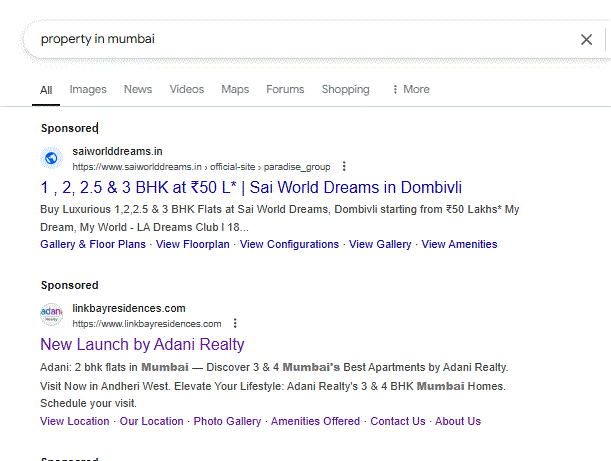
Focusing only on clicks can make your “performance picture” look better than it really is. Healthcare organizations should focus on patient acquisition signals like calls, appointment requests, and qualified inquiries.
Because money comes from patients, not from website visits alone.
Ignoring Compliance During Setup
Healthcare advertising involves privacy and compliance standards, and it’s not something you can just wing. If compliance is ignored during setup, you can run into problems later with tracking, audience targeting or remarketing.
Healthcare providers should double check campaign structures, settings, and relevant rules, before anything goes live.
Overlooking Intake and Follow-up Processes
Even if the PPC part is well tuned, campaigns can still underperform when intake systems are weak. Slow responses, missed calls, or messy scheduling processes can lower conversion rates and burn advertising dollars.
You really need follow up systems that move quickly, so inquiries turn into appointments instead of going cold.
Should Healthcare Providers Use Google Ads, Meta Ads, or Both?

Most healthcare organizations do best starting with Google Ads. Search ads catch immediate intent, and people who type healthcare services are often ready to act soon.
Meta Ads can still help healthcare marketing though, by improving brand visibility, sharing educational content, running retargeting, and building community engagement.
The “right” platform depends on medical specialty, geographic location, audience profile, your advertising budget, and compliance requirements, yes all of that.
In a lot of cases the strongest results come from using both search advertising and social media advertising as one integrated strategy, rather than treating them like separate projects, you know.
Frequently Asked Questions About Healthcare PPC
What Is Healthcare Advertising?
Healthcare advertising promotes medical services, healthcare providers, clinics, hospitals, and treatment options through digital and traditional marketing channels. The goal is to increase patient awareness, visibility, and appointment inquiries.
How Much Should Healthcare Practices Spend on PPC?
Healthcare PPC budgets vary depending on specialty, competition level, location, and patient value. Highly competitive medical keywords often require larger advertising budgets due to higher cost-per-click rates.
How Do You Know if Healthcare PPC Is Working?
Healthcare PPC success should be measured using metrics such as appointment requests, qualified calls, conversion rates, cost per lead, and patient acquisition costs.
Tracking real patient inquiries provides a more accurate view of campaign performance than clicks alone.

Neetu Wadhwa is the Director of Bloom Agency, a Mumbai-based full-service digital marketing and web development company. With a strong focus on performance, innovation, and strategy, she leads the agency in delivering SEO, web design, and growth marketing solutions that drive measurable business outcomes.





Rahul M.
B2B Service Provider