
Building solid organic visibility takes time, effort, and a steady rhythm. Months or even years can go into tuning rankings, pushing out quality content, gaining backlinks, and building up credibility in your niche. Still, not every risk to your rankings comes from algorithm shifts or marketing blunders. Sometimes competitors or shady actors try to throw a wrench in your website on purpose, using tactics people call negative SEO.
Even though search engines are way better at spotting spam and manipulation, negative SEO stays on the radar for companies of all sizes. Whether you operate an eCommerce shop, a local business site, a SaaS product, or a corporate website, knowing how to prevent negative SEO attacks is key to safeguarding those rankings you worked so hard for.
At Bloom Agency, we tend to think prevention is always better than recovery. In this guide we break down what negative SEO really is, how it works, what warning signs you should notice, and the most practical ways to shield your site from possible attacks.
What Is Negative SEO?
Negative SEO is basically unethical work by third parties meant to hurt a website’s search engine performance. Instead of making their own pages better, attackers try to lower a competitor’s visibility and reduce perceived trust.
These attempts can show up in different forms, like spammy backlinks, copied content, fake reviews, hacking attempts, or technical interference.
Unlike regular SEO, which is about lifting your site’s performance, negative SEO tries to set off penalties, weaken trust markers, and cause a kind of confusion for search engines.
And while Google’s systems have improved a lot at catching weird behavior, site owners should still keep an eye on things. Regular monitoring helps catch potential issues early, before they snowball into bigger headaches.
Common Types of Negative SEO Attacks
| Attack Type | Description | Potential Impact |
| Toxic Backlinks | Large volumes of spam links pointing to your site | Ranking fluctuations and trust issues |
| Content Scraping | Republishing your content across multiple websites | Duplicate content concerns |
| Website Hacking | Injecting spam links or malicious code | Loss of rankings and security warnings |
| Fake Reviews | Posting fraudulent negative reviews | Damaged brand reputation |
| Fake Link Removal Requests | Removing valuable backlinks through impersonation | Reduced authority |
| Crawl Budget Abuse | Flooding sites with bots | Indexing and performance issues |
| Negative Brand Mentions | Coordinated reputation attacks | Reduced trust among users |
Why Negative SEO Matters in 2026
A lot of business owners feel that Google kinda automatically filters out all spam stuff and that it protects websites from manipulation in every single form. But even if search engines got way smarter over the years, negative SEO is still a real thing you should take seriously. Yes, modern systems can spot and ignore a huge portion of spam activity, still some attacks can trigger temporary disruptions. Those disruptions can mess with visibility, traffic, and even the overall performance of a site.
A negative SEO attack may create sudden ranking swings, so businesses have trouble keeping steady search presence. Sometimes, the organic traffic drops pretty hard, which then leads to fewer leads, less sales, and lower conversions. And beyond rankings, there is also the brand image side of it—fake reviews, confusing posts, or misleading content can make customers lose trust. On top of that, security themed attacks can reveal weaknesses in a website, which creates extra danger for both the business and its users. Fixing it later usually takes time, money, and technical knowledge, so prevention is usually way better than repair. If you depend on organic traffic, then proactive monitoring plus consistent SEO upkeep is essential to reduce the risk.
Warning Signs of a Negative SEO Attack
Spotting a negative SEO issue early can make a big difference. The sooner you notice it, the easier it becomes to look into what happened and address it. Some attacks are loud right away, but others move slowly, and unless you watch, they can slip under the radar.
Sudden traffic drops
A very common clue that something is off is an unexpected decline in organic traffic. If your website suddenly loses visitors though you did not change your content, your site structure, or your marketing plan, it may be time to investigate. Checking data inside Google Analytics, Google Search Console, plus any keyword tracking tools can help reveal what’s going on. A sudden drop might point to spam behavior, indexing trouble, technical failures, or unauthorized changes that mess with search performance.
Unusual backlink growth
Backlinks are still a key ranking factor, so attackers often go after sites with spam link campaigns. If thousands of low-quality links show up pointing to your website all of a sudden, that can be a negative SEO signal. Those links usually come from irrelevant corners—foreign language domains, adult sites, gambling platforms, or other low authority sources. Keeping an eye on your backlink profile regularly helps you catch suspicious patterns early before they turn into bigger, more painful problems.
Duplicate Content Showing Up Everywhere
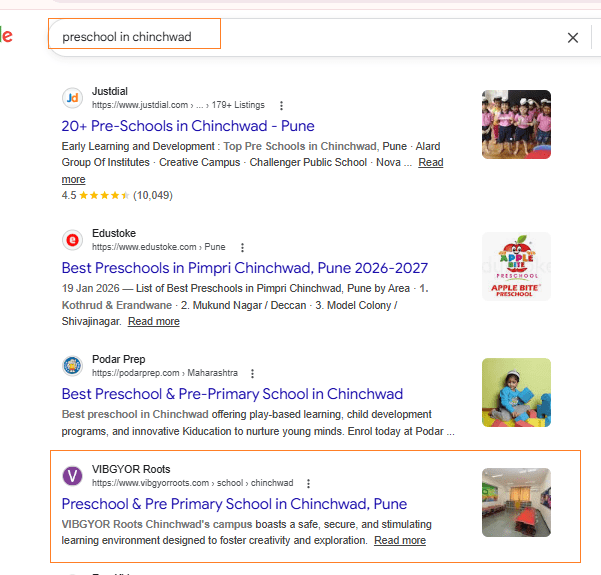
Content scraping still counts as a pretty usual nasty SEO move. Basically, bad actors copy and repost your stuff from your website, but across a bunch of different domains. So, when duplicate versions start floating around online, search engines can get stuck trying to figure out what the “real” source is. That situation can drop the visibility of your genuine content and weaken its authority too. Stuff like Copyscape, and other plagiarism detection services can help you spot stolen material , and also give you a path for removal requests.
Security Alerts and Weird Website Stuff
Security threats can mess with SEO results , and also harm user trust fast. If Google Search Console is throwing security warnings, or if your website starts acting strange in general , you need to respond right away. Malware infections, spam injections, unauthorized redirects, and hidden links can all hurt rankings and create an unpleasant experience for visitors. And yes, these problems may even trigger browser warnings, which makes people hesitate before they click through.
More Negative Reviews
Online reputation matters for SEO and also for getting customers. So if you suddenly see a flood of negative reviews on your Google Business Profile , review sites , and social media, that might be a coordinated attack. Fake reviews can shift how people feel, lower trust, and hurt local search performance. Doing consistent reputation monitoring lets businesses catch suspicious behavior early and react before the damage becomes long term.
How to Guard Your Website Against Negative SEO
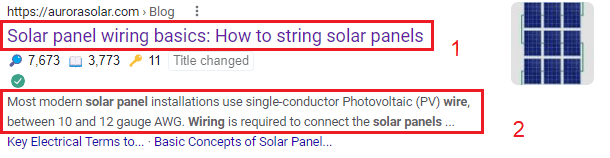
Shielding your site from negative SEO usually means mixing technical monitoring, security upgrades, backlink supervision, and ongoing optimization. A strong base doesn’t just help rankings, it also makes your site less fragile when someone tries to be malicious.
Check Your Backlink Profile Often
A solid backlink profile is one of the best defenses. Going through your inbound links on a regular schedule helps you notice odd activity before it spirals. Tools like Ahrefs, SEMrush, and Google Search Console can surface suspicious domains, spammy anchor text, irrelevant websites, and unexpected surges in backlinks.
Also, when you keep watching backlink changes, you can spot patterns that signal a coordinated effort. Staying aware of what’s coming into your site keeps it looking credible to search engines, and that matters.
Keep Building Solid Backlinks
Reducing negative SEO impact gets easier when you build a strong backlink portfolio, with high-quality links from credible, relevant sources. If a site already has hundreds of trusted backlinks from reputable outlets, then a few spam links are less likely to mess with overall authority.
You can use tactics like guest blogging, digital PR outreach, industry citations, editorial placements , and resource page requests. As your backlink foundation strengthens, your website becomes more resistant to harmful link schemes.
Boost Website Security
Website security is basically part of modern SEO, whether people say it out loud or not. Criminal groups often go after sites that have old software, weak passwords, or systems that weren’t properly maintained. Updating plugins, themes, and your content management system regularly cuts down on the vulnerabilities attackers love.
You can also apply stronger password policies, turn on two factor authentication , and use security monitoring tools. Spending on security doesn’t only protect rankings, it also helps safeguard customer data and day-to-day business operations.
Keep an Eye on Content Theft
When content gets stolen, ownership gets confusing , and your SEO results can suffer. So regularly checking for copied content helps you respond quickly when plagiarism shows up.
Google Alerts, Copyscape, and plagiarism detection platforms can help locate unauthorized use. If you find your content has been taken, contacting the site owner and requesting a removal is often the first sensible step. If it’s more serious, submitting a DMCA complaint might be required. Posting original content consistently, plus making sure it gets indexed quickly, can also reinforce ownership signals.
Protect Your Brand Reputation
Your brand reputation impacts trust, conversions, and how people decide to buy. Monitoring reviews across Google, business directories, review platforms, and social media helps companies detect suspicious patterns , and maintain a cleaner brand image.
Replying in a professional tone to legitimate feedback shows transparency and care. At the same time, any fake reviews should be reported quickly to the platforms so they can investigate and remove them.
Run Regular Technical SEO Audits
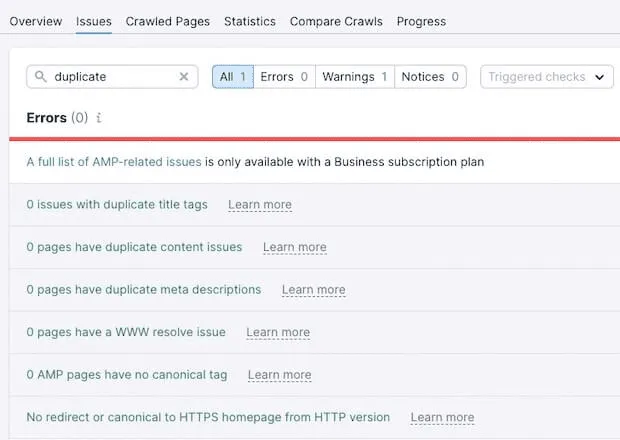
Technical SEO audits can uncover weak points before someone exploits them. These audits should check indexing status, redirect patterns, canonical tags, website speed, mobile friendliness, and crawl errors.
Correct indexing helps stop hidden spam pages from harming your search visibility. Watching redirects can uncover unauthorized changes, while canonical tags help reinforce who owns the content. Also, site speed and mobile optimization support both user experience and search performance. Reviewing crawl errors may even reveal technical sabotage earlier than you’d expect. Doing technical audits every quarter helps keep your site healthy, and lowers long-lasting SEO risks.
How to Recover from Negative SEO
When some negative SEO attack happens , having a sort of structured recovery plan can help, it might lower the damage and get performance back on track. but it’s not one of those “do it once and done” situations.
First you want to figure out where the problem is coming from. Like, is it really backlinks acting up, content being stolen , a security weakness, or some reputation-based pressure. Once you know what kind it is, it’s easier to aim the response without wasting time.
Second, documentation really matters. Keep screenshots, exported reports, security alerts, backlink data, and anything that shows duplicated material. Having a solid timeline and proof usually makes reporting easier , and it also helps in any case where evidence matters.
If the attack looks technical, or it involves hacking, act fast. Remove the bad code, roll back to clean backups, update software, and change passwords. That kind of cleanup helps protect the site and reduces the chance of more damage sneaking in.
Also, website owners should use official channels when it makes sense. Depending on what’s going on, that could mean submitting spam reports, DMCA takedown requests, review violation reporting, or even security notifications.
After the fixes are in place, monitoring becomes non-negotiable. Watch rankings, organic traffic, backlink behavior, and index coverage, so you can see whether recovery is actually working. Depending on how serious the attack was, getting stable again can take a few weeks, or even months.
Does Negative SEO Still Work in 2026?
Honestly, compared with past years, negative SEO is less powerful than it used to be. Search engines are better at spotting spam backlinks, they detect manipulative behavior quicker, they recognize when content is being copied, and they filter out suspicious signals.
Still, that does not mean negative SEO vanished completely. Attacks tied to hacked sites, fake reviews, reputation games, and technical sabotage can absolutely create real friction for companies. Even with Google improving over time, consistent, proactive monitoring is still a key part of site care.
Why Strong SEO Is the Best Defense
The best defense against negative SEO is a robust, trustworthy SEO service. Sites that invest in high-quality content , have strong technical foundations , earn authoritative backlinks, show positive brand signals, and provide good user experiences tend to be naturally less vulnerable to these kinds of attacks.
Rather than leaning only on “defensive” tactics, businesses should think in longer timelines. If your site keeps earning trust from both visitors and search engines, it will handle algorithm shifts, competition , and negative SEO attempts much better.
Strong SEO builds resilience. When authority, trust, and relevance are genuinely established, one-off attacks usually can’t do lasting harm. That’s why spending on quality SEO remains one of the smartest long-term moves for protecting online presence, and keeping business momentum strong.
Conclusion
Negative SEO still feels like a concern for companies that depend on organic visibility, but it really should not become this full-on panic thing. Search engines are, honestly, much better now at spotting spam and shielding real websites than they used to be.
The whole trick is to stay proactive. If you keep an eye on backlinks, tighten website security, track content theft, handle reviews, and run technical audits on a steady basis, businesses can lower the threat level of negative SEO incidents quite a lot. It’s not just about reacting later.
At Bloom Agency, we help businesses craft resilient SEO strategies that improve rankings while also protecting long-term search presence. Having a solid website foundation still counts as the most practical defense against any negative SEO risk.
FAQs About Negative SEO
What is negative SEO?
Negative SEO is basically a set of malicious tactics meant to push a competitor’s search results downward, usually by spam links, site hacking, fake reviews, or content theft.
Can negative SEO hurt rankings?
Yes, sometimes. While Google ignores a lot of spam signals, serious attacks involving security breaches or technical sabotage can still impact rankings.
How can I identify a negative SEO attack?
Look for sudden traffic drops, weird backlink spikes, duplicate content appearing, security alerts, and fake reviews showing up.
Does Google ignore spam backlinks?
Google automatically ignores many low-quality links but larger spam campaigns still deserve monitoring, because not everything gets dismissed the same way.
How often should I check backlinks?
Most businesses should check backlinks at least once a month , but if you’re in a highly competitive space weekly monitoring can be smarter.
What tools help detect negative SEO?
Google Search Console, Ahrefs, SEMrush, Copyscape, Google Alerts, plus website security monitoring tools tend to work really well.
Should I use Google’s Disavow Tool?
Only if you find an actual spam attack tied to harmful backlinks that could realistically affect your site.
How can I protect my content from scraping?
Use Google Alerts, watch your content with Copyscape, publish more often, and when needed file DMCA takedown requests. It helps keep copies from spreading.
Is website security important for SEO?
Absolutely, it matters. Security breaches can enable spam injections, trigger malware warnings, and cause ranking losses.
What is the best way to prevent negative SEO?
Build a strong SEO base through quality content, credible backlinks, technical optimization, and ongoing monitoring. That combo is still the most reliable way to prevent negative SEO.

Neetu Wadhwa is the Director of Bloom Agency, a Mumbai-based full-service digital marketing and web development company. With a strong focus on performance, innovation, and strategy, she leads the agency in delivering SEO, web design, and growth marketing solutions that drive measurable business outcomes.






Rahul M.
B2B Service Provider