
A website might have really good products, a nice visual feel, and even useful info, yet it still does not pull in the organic traffic you would expect. And yeah, one pretty usual cause is that the pages are kinda not properly tuned for search engines, or sometimes for people. That’s basically where an on page SEO audit services shows up and gets helpful.
An on-page SEO audit looks at the pieces inside your site that affect search visibility, how relevant the page seems, how usable it is and even the whole visitor experience. It helps you spot pages that need a better tune up, maybe content is outdated, there are technical gaps, internal links are weak, or the keyword focus is not super clear anymore.
Instead of making random SEO tweaks here and there, an audit gives a more, structured way to see what is working, and what needs attention. If you’re a business chasing organic growth, doing audits more regularly can become a core piece of a long term search plan.
What Is an On-Page SEO Audit
On-page SEO is basically the optimization of each individual page so search engines can understand what it’s about, and users can find useful stuff quickly. This includes things like page titles, headings, the content itself, URLs, internal links, images, how keywords are used, and overall user experience.
So an on-page SEO audit goes through these elements across your website and points out where improvement is possible.
The aim is not only to cram more keywords onto every page. Modern SEO leans heavily on relevance, clarity, genuinely helpful information, a clean site structure, and an experience that matches what visitors thought they were getting.
A solid audit can help businesses uncover pages that are under-optimized, competing for the same search terms, missing important details, annoying to navigate, or just failing to earn clicks from search results.
Why Regular On-Page SEO Audits Matter
SEO is not something you do once and then done, right. Search habits shift, competitors keep posting new pages, your site expands, content gets older fast, and search engines keep refining how they interpret content.
A page that did great last year might need a refresh today, even if you did nothing “wrong”. With recurring audits, businesses get a chance to check the website from two angles: how search engines see it, and how customers actually move through it. You can also catch issues that are easy to miss during normal day to day website management.
For instance, a business might notice several pages all chasing the same keyword, key service pages have very few internal links, old blog posts contain outdated info, or product pages don’t include enough descriptive content. When these issues show up early, businesses can make smarter improvements, rather than waiting until organic traffic starts sliding.
Start With a Complete Website Inventory
Before changing anything, build an inventory of your website. Write down the important pages like the homepage, service pages, product pages, category pages, location pages, blog posts, landing pages, and other resources that actually matter.
For each URL, note the page title, primary topic, target keyword, current traffic, indexing status, content quality, internal links, and any known problems. You want this to be a real snapshot, not a vague list.
This inventory gives you a full view of the site and makes it easier to decide what to prioritize.
Not every page deserves the same effort. A page pulling solid organic traffic deserves one approach, while an older blog post with barely any visits needs a different plan.
Review Title Tags
The title tag is one of the first things both search engines and users notice when they evaluate a page.
Every important page should have a unique, descriptive title that matches what the page offers. It helps to write for humans first, then naturally work in the primary topic when it fits.
Avoid titles that just repeat the same keyword over and over. Keyword stuffing can make a title look odd and it usually reduces how appealing it is to people.
Like instead of something like:
- a clearer option might read more like this:
- “SEO Services for Growing Organic Search Visibility”
- The best title depends on the page, the search intent, and the business goal.
During your audit, check whether titles are missing, duplicated, too long, unclear, or not actually connected to what the page contains.
Evaluate Meta Descriptions
Meta descriptions give searchers more context about a page in results. They are not always a direct ranking factor, but a relevant and compelling description can help people decide to click.
Review whether key pages have unique descriptions that truly summarize the content.
A good meta description should tell users what to expect after they click. If it makes sense, you can also highlight a benefit or gently nudge an action.
Don’t write generic descriptions that could apply to basically every page on your site. Each important page should have a description that matches its own purpose.
Check Heading Structure
Headings help readers and also help search engines understand the content organization.
A page that is set up well usually has one main heading, then subheadings that follow a logical flow. The structure should make it simple for someone to skim and see how the different sections relate.
During an audit, check if:
- there is a clear primary heading
- subheadings actually describe their sections
- headings follow a sensible hierarchy
- important topics are not trapped inside huge blocks of text
- headings are written naturally, not just stuffed with repeat keywords
When heading structure is done right, readability improves and the page subject, plus overall organization, becomes easier to understand.
Refresh Outdated Content
Older content can sometimes become a valuable SEO asset when it is updated properly.
Check publication dates, statistics, examples, product information, links, screenshots, industry developments, and recommendations.
An article about a changing industry may become outdated quickly. Updating it can make the resource more useful to readers while keeping the page aligned with current search expectations.
However, updating should be meaningful. Simply changing a publication date without improving the content does not create additional value.
Review whether the page still addresses the topic comprehensively and whether the information reflects the current context.
Examine Internal Linking
Internal links connect one page on your website to another. They help visitors discover related information and provide search engines with additional context about how pages are connected.
During an audit, examine whether important pages receive appropriate internal links from relevant content.
For example, a blog post discussing ecommerce optimization could naturally link to a relevant ecommerce SEO service page. A service page could link to useful supporting resources that help visitors understand the subject.
Anchor text should be descriptive and natural. Avoid forcing the exact same anchor text into every internal link.
Internal linking should serve a genuine navigation and information purpose rather than simply adding links for SEO.
Review URL Structure
URLs should be understandable, descriptive, and reasonably concise.
A URL such as:
example.com/services/seo
is generally easier to understand than:
example.com/page?id=45873
Descriptive URLs can help users understand where they are on a website.
During an audit, look for unnecessary parameters, confusing structures, excessive folders, duplicate URLs, and inconsistent naming.
However, changing URLs should not be done casually. Existing URLs may have backlinks, search visibility, or historical value. If a URL must change, appropriate redirects and other migration considerations should be addressed.
Check for Broken Internal Links
Broken links can frustrate visitors and make website maintenance more difficult.
An audit should identify internal links that lead to missing pages, incorrect URLs, redirects, or inaccessible resources.
Review both navigation links and links within content.
When a broken link is discovered, determine whether the destination should be replaced, the link removed, or the page restored.
Also review important external links periodically, particularly when the page relies on external resources or references.
Examine Website Architecture
Website architecture determines how information is organized and how users move between pages.
A logical structure helps visitors find information without unnecessary effort. It can also help search engines discover and understand important pages.
Review whether the main categories are clear, whether important pages are accessible through navigation or internal links, and whether similar topics are grouped appropriately.
Avoid creating unnecessary layers of navigation that make important pages difficult to reach.
A simple structure is often easier to manage, particularly as a website grows.
Audit Images and Alt Text
Images can contribute to user experience, accessibility, and search visibility when used correctly.
During an audit, check whether important images have meaningful alternative text where appropriate.
Alt text should describe the purpose or content of an image rather than being stuffed with keywords.
Image file sizes should also be reviewed. Large, unoptimized images can increase page weight and contribute to slower loading.
Compressing images and using suitable formats can improve performance while maintaining acceptable visual quality.
Evaluate Page Speed and User Experience
Website performance has an important relationship with user experience.
Visitors are less likely to engage with a page when it is slow, difficult to interact with, or unstable while loading.
Review factors such as loading performance, mobile usability, layout stability, and responsiveness.
Performance issues may be caused by oversized images, excessive scripts, poorly configured hosting, unnecessary plugins, third-party resources, or inefficient code.
Use appropriate performance tools to identify specific problems rather than assuming that every slow page has the same cause.
Check Mobile Optimization
A website should provide a consistent and usable experience across different screen sizes.
During an audit, test important pages on mobile devices and review navigation, text size, buttons, forms, images, menus, and page layout.
Pay particular attention to pages that generate leads or sales. A technically responsive website can still create usability problems if buttons are difficult to tap, forms are complicated, or important information is hidden.
Mobile optimization should be considered part of the overall user experience rather than a separate SEO task.
Review Indexing and Crawlability
An on-page audit should also consider whether search engines can discover and index the pages that matter.
Check important pages for accidental noindex directives, blocked resources, canonical issues, duplicate versions, and other problems that could interfere with search visibility.
Not every page needs to appear in search results. Some administrative or duplicate pages may appropriately remain outside the index.
The objective is to ensure that valuable, search-worthy pages are accessible to search engines while unnecessary pages are handled appropriately.
Look for Duplicate and Competing Content
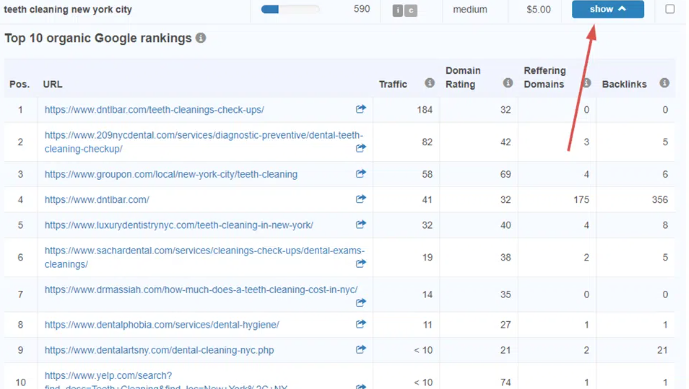
Duplicate or highly similar content can make it difficult for search engines to determine which page should be shown for a particular query.
During an audit, identify pages covering almost identical topics.
For example, a website may have several location pages with nearly identical text except for the city name. If these pages do not provide meaningful local value, they may offer little benefit to users.
Where appropriate, content can be consolidated, differentiated, redirected, or improved.
Review Structured Data
Structured data can help search engines interpret specific types of information on a webpage.
Depending on the website, relevant structured data may be available for organizations, products, articles, events, local businesses, reviews, and other content types.
An audit should check whether structured data is implemented correctly and whether it accurately represents visible page information.
Structured data should not be treated as a shortcut to rankings. Its primary purpose is to provide clearer machine-readable context about the content.
Assess Trust and Credibility Signals
A strong website should make it easy for visitors to understand who is behind the business and why they should trust its information.
Review important trust elements such as About pages, contact information, author information where relevant, business details, policies, references, and clear service information.
For websites covering specialized or sensitive topics, credibility becomes particularly important.
Content should communicate expertise responsibly and avoid unsupported claims.
Use Analytics to Prioritize SEO Issues
An audit becomes more useful when combined with performance data.
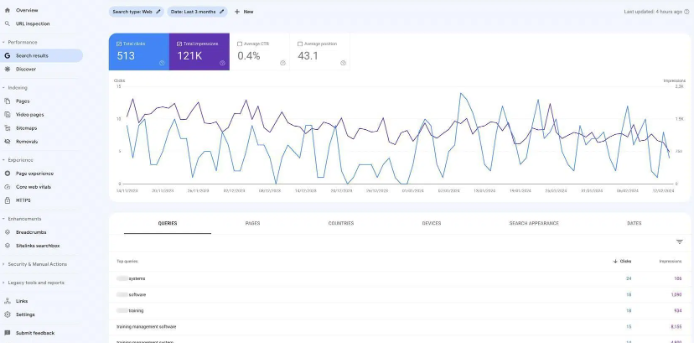
Analytics and search performance tools can reveal which pages receive traffic, generate conversions, lose visibility, or attract impressions without sufficient clicks.
For example, a page receiving many impressions but relatively few clicks may need a stronger title or description.
A page receiving organic visits but producing few conversions may need improvements to its content, calls to action, navigation, or landing-page experience.
Data helps determine which problems deserve attention first.
Create an Action Plan After the Audit
Finding SEO problems is only the first step. The next step is turning those findings into an actionable plan.
Classify issues based on their potential impact, effort, and urgency.
Critical indexing or accessibility problems may require immediate attention. Content improvements may be scheduled according to business priorities. Minor formatting changes can often be handled during routine maintenance.
Create a clear record of:
- The issue identified.
- The affected page or pages.
- The recommended solution.
- The person responsible.
- The implementation status.
- The expected outcome.
This turns an SEO audit from a simple checklist into a practical improvement process.
How Often Should You Perform an On-Page SEO Audit?
There is no single schedule that applies to every website.
A small business website with relatively stable content may conduct a comprehensive audit periodically while monitoring important issues throughout the year.
Larger websites, ecommerce stores, publishers, and businesses that frequently add pages may require more regular reviews.
An audit can also be valuable after a website redesign, migration, major content update, significant drop in organic performance, or change in business strategy.
The important principle is consistency. SEO performance should be monitored continuously rather than reviewed only when a problem becomes obvious.
When Should You Hire an SEO Professional?
A basic audit can be performed internally, but larger websites can make the process complicated.
Hundreds or thousands of URLs can contain issues that are difficult to identify manually. Technical problems may also require knowledge of indexing, redirects, canonicalization, structured data, JavaScript rendering, site architecture, and performance optimization.
An experienced SEO professional can combine technical analysis, content evaluation, search data, competitor research, and business objectives to create a more comprehensive roadmap.
For businesses without an internal SEO team, working with an experienced SEO agency can also make ongoing optimization easier to manage.
Build SEO Around Continuous Improvement
An on-page SEO audit should not be viewed as a one-time repair project. It is a way to understand how effectively a website serves both users and search engines.
The most useful audits examine the complete experience: page titles, content, headings, keywords, internal links, URLs, images, performance, mobile usability, indexing, site architecture, and conversion paths.
Once the problems are identified, prioritize meaningful improvements and measure the results.
For businesses competing in crowded search markets, a consistent process can make SEO more manageable and strategic.
At Bloom Agency, SEO can be approached as an ongoing growth process that combines technical optimization, useful content, search intent, website performance, and measurable business goals. A detailed on-page review can provide the foundation for identifying opportunities and building a stronger organic search strategy over time.
Final Thoughts
Performing an on-page SEO audit gives businesses a clearer understanding of how their website performs from a search and user perspective. It can uncover missing metadata, weak content, poor internal linking, indexing issues, slow pages, confusing structures, and other opportunities for improvement.
The key is to look beyond individual ranking factors. A successful website needs useful information, logical organization, strong technical foundations, accessible design, and content that satisfies what visitors are actually looking for.
SEO continues to evolve, but a well-organized website built around users and relevant information remains an important foundation for sustainable organic visibility. Regular audits help businesses maintain that foundation while adapting their websites to changing search behavior and business goals.

Neetu Wadhwa is the Director of Bloom Agency, a Mumbai-based full-service digital marketing and web development company. With a strong focus on performance, innovation, and strategy, she leads the agency in delivering SEO, web design, and growth marketing solutions that drive measurable business outcomes.





Rahul M.
B2B Service Provider