
In todays competitive digital marketplace, customers don’t usually decide to buy with out first poking around the businesses they’re looking at. Like, long before they fill out a contact form , ask for a quote, or finish a checkout, potential buyers are already comparing reviews, checking out websites, scrolling through blog posts, and even bouncing between social media profiles. And then they look for those independent opinions too, spread across a few different places. Basically every little interaction adds up to your online reputation, and it can shape whether someone feels sure enough to move forward.
Online reputation isnt something you build with just one shiny five-star review, or an attractive website. It’s more like a mix of trust signals that all work together, building credibility over time. Companies that keep showing transparency, real expertise, consistent customer satisfaction, and professionalism across multiple channels tend to pull in new customers more often than businesses with patchy or weak online visibility.
At Bloom Agency, we see reputation management as one of those key digital marketing pieces now, not just a nice-to-have. A strong online reputation boosts customer confidence, but it also supports search engine visibility, helps raise conversions, and can fuel long-term growth. So whether you run a local shop, an ecommerce store, or a broader national brand, building trust using the right reputation signals can seriously affect how well you do.
In this guide, we’ll walk through the reputation signals that matter most, why they influence what customers do, and how businesses can strengthen their presence online to bring in more qualified leads.
Understanding Online Reputation as a Trust Ecosystem
A lot of business owners think reputation mostly comes down to customer reviews. And yeah, reviews matter a lot—but they’re only one piece of a bigger trust picture.
Most customers today check several sources before making a decision. They might find you through Google Search, then cross-check your reviews on third party platforms. After that they browse social media profiles, read articles you’ve written, compare directory listings, and finally visit your website. They’re basically trying to answer one question, “Can I trust this company?”
Each touchpoint becomes part of your overall online reputation. If what people see is consistent, current, and trustworthy across platforms, they usually feel more comfortable choosing you. But if contact info is outdated, branding shifts around, reviews are weak, or social profiles are neglected, credibility can take a quick hit even if your products or services are great.
Search engines also pay attention to these trust indicators. When business information stays consistent, when content looks authoritative, when reviews are positive, and when backlinks are solid, your search visibility tends to improve. So reputation management isn’t only helpful for customers—it supports your SEO strategy too.
Why Reputation Signals Matter More Than Ever
Consumer habits have shifted a lot in the past few years. Instead of trusting ads first, people want to research companies on their own before buying.
Whether someone is searching for a local contractor, legal support, healthcare help, or even a specific ecommerce product, they’re looking for reassurance that they’re picking the right option. If your reputation signals are stronger, you naturally seem more dependable, because customers can confirm your credibility across multiple independent sources.
A strong online reputation also creates confidence way before your sales team has a conversation. It lowers hesitation, makes the buying journey shorter, and improves conversions because prospects already feel a little familiar with your brand.
Companies that take reputation management seriously often see better customer retention, stronger referral momentum, and improved brand recognition over time.
Reputation Signals That Build Customer Confidence
Every business leaves digital footprints across the internet. Some signals make people lean toward trust, while others make them feel uncertain. When you understand which factors push purchasing decisions, you can focus on the areas that create the biggest impact.
Customer Reviews and Ratings
Online reviews are still one of the strongest trust signals out there. Before contacting a company, most consumers want to know what previous customers actually said about their experience. Positive reviews provide reassurance, and how you respond to negative feedback can show professionalism and accountability.
People usually dont judge ratings by themselves. They read the detailed reviews, looking for clues about service quality, communication style, pricing, and overall customer satisfaction. And recent reviews tend to matter more, because they show what your business is doing now rather than what happened years ago.
Responding to reviews, whether they’re positive or negative, tells potential customers that your business cares about feedback and engages with its audience. Businesses that manage reviews consistently often appear more dependable than competitors who barely interact with customers.
Brand Mentions Across the Internet
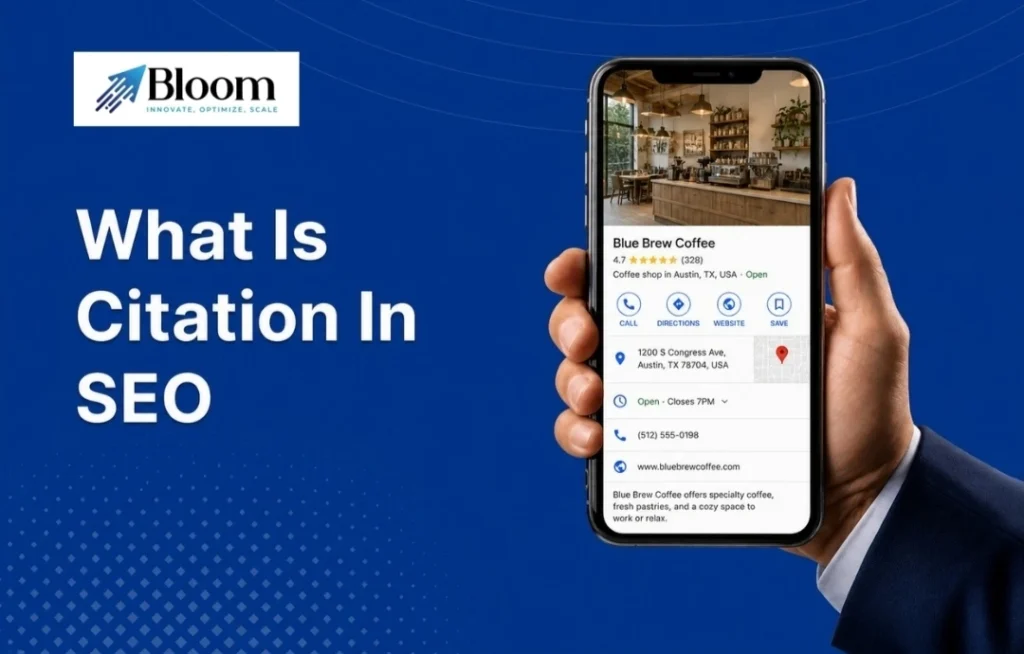
Most people don’t discover a business through just one source. They find you through a mix of brand mentions across directories, news articles, industry blogs, local listings, community sites, and ongoing online conversations. Each mention adds weight to your credibility and helps customers figure out whether your business is legitimate.
Building consistent brand citations across well regarded websites also helps local SEO, kind of, like it makes it easier for nearby customers to find you, in a more natural way.
Social proof and community involvement
Social media is now a real trust engine because it lets potential customers see how a business talks with real people, not just polished messaging.
Profiles that often share useful material, answer customer concerns quickly, and highlight genuine client moments tend to feel friendlier and more believable. User generated content, testimonials, tagged photos, and customer success narratives add even more weight because it’s independent confirmation that what you sell actually brings value.
Engagement usually matters more than raw follower numbers. Businesses that actually talk with their audience show openness,and usually form better connections than companies that treat social platforms as a one way billboard.
High quality educational material
Publishing meaningful content is one of the strongest methods to set authority inside your industry.
Things like helpful blog posts, detailed manuals, case studies, videos, and frequently asked questions let customers sort out their problems before they buy anything. This learning focused approach makes your business look like a specialist rather than just another brand trying to close the deal.
When visitors keep finding helpful information on your site, they start to connect your brand with knowledge and reliability. That trust often shows up later as better engagement, longer time on site, stronger SEO results, and more conversions.
At Bloom Agency, content marketing is a core element in every successful digital plan,because strong content backs both reputation management and organic search momentum.
Website experience and professional appearance
Even if your reviews are great, you can still lose people if your website gives a weak first impression.
Today’s customers expect pages to load fast, work correctly on every device, and offer navigation that makes sense. Broken links, outdated layouts, confusing structure, and missing details can lower confidence before someone even reaches out.
Professional web design signals credibility. People can quickly tell if a website looks protected, maintained, and easy to use. Trust badges, SSL certificates, obvious contact details, privacy policies, and customer testimonials all push reassurance at the exact moment choices are being made.
A solid site design doesn’t only make things look nicer,it supportsevery other reputation cue by acting like a stable place where customers can confirm what they heard online, too.
How Businesses Can Really Strengthen Their Reputation Signals, even if it feels slow
Building a solid online reputation doesn’t happen overnight. It needs a steady game plan, the kind that pays attention to every single interaction customers have with your business. From when someone first spots your brand on Google Search, all the way to the point where they stick around as a loyal customer, each little touchpoint starts to shape how reliable your business looks. Companies that actually manage their online presence tend to pull in better leads, keep customers coming back, and often end up doing better than competitors in search results.
Encourage Genuine Customer Reviews (not just “more reviews”)
Customer reviews still sit at the top of trust signals, because they reflect real experiences from real people. Instead of just waiting for reviews to roll in on their own, businesses should make a straightforward way to ask for feedback right after a successful purchase or completed service. You can do this with follow-up emails, SMS messages, or even QR codes in physical locations. When you encourage satisfied customers to leave honest feedback you end up with a steady stream of fresh input.
Also, responding matters a lot. Every review should get a professional response. If a review is positive, thank the customer and keep it kind. If it’s negative, address the issue directly, without getting defensive. Doing this shows accountability and signals to future customers that you truly care about customer satisfaction , for real.
Keep Your Business Information Consistent, or else people get confused
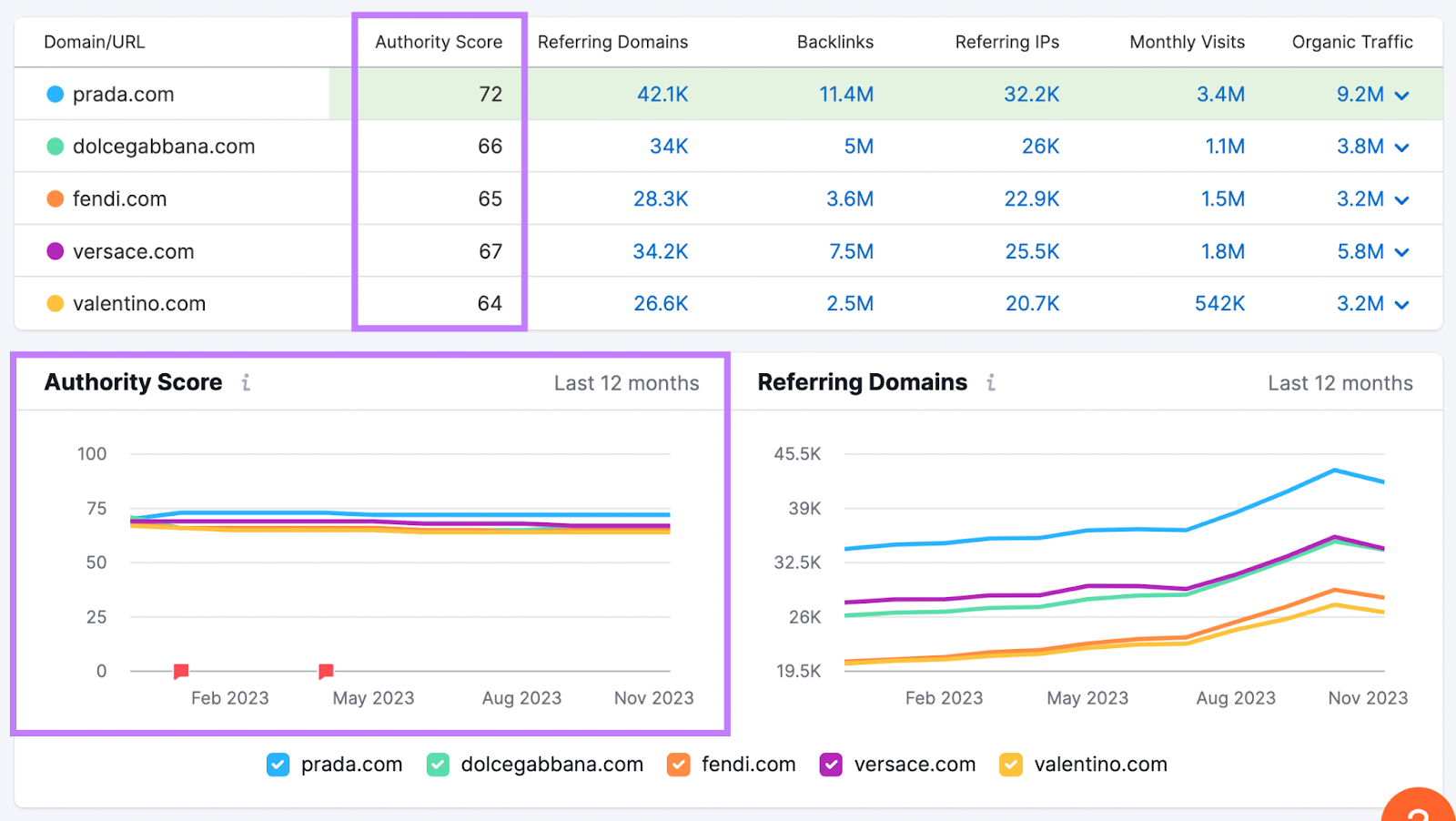
Customers expect your business details to match wherever they look. That means your company name, address, phone number, website, operating hours, and other key information should stay the same across your website, Google Business Profile, local directories, and social media.
Even tiny inconsistencies can create friction for customers and also mess with search engines. Consistent business listings improve credibility, and yes they also support local SEO , which helps your business show up in relevant searches more reliably.
Create Valuable Content That Shows Expertise (instead of just selling)
Publishing useful content is one of the strongest ways to look credible in your industry. Educational blogs, service pages, case studies, FAQs, and informative videos can answer common customer questions while quietly proving you know what you’re doing.
Rather than pushing only promotional stuff, focus on solving customer problems. When your content helps people first, trust tends to grow naturally, before they even make a purchase. And if you keep updating your site with fresh and relevant material, it strengthens search engine visibility and brings visitors back again and again.
Build an Active Social Media Presence, because people notice tone
Social media gives businesses a chance to connect more directly, while also showing off personality and know-how. An active profile, filled with educational posts, customer success stories, behind-the-scenes updates, and timely responses, creates a good vibe that stretches beyond traditional ads.
Many customers also judge how a business communicates online before they decide to contact you. Responding quickly to questions, acknowledging feedback, and joining real conversations shows transparency and helps strengthen your reputation overall.
Invest in a Professional Website Experience, your “digital storefront”
Your website functions like the storefront your business never closes. Even if people discover you through reviews or social channels, many will still visit your website before they commit.
A modern site that loads fast, works smoothly on mobile, has intuitive navigation, and clearly explains services will keep visitors engaged longer. Add visible trust elements too—secure browsing, easy-to-find contact details, testimonials, and well-organized content. When these pieces fit together, users feel safer and more confident, and that reinforces trust.
Common Reputation Management Mistakes to Avoid, don’t step on these rakes
A lot of businesses weaken their online reputation without even noticing. Spotting these issues early can protect customer confidence and improve long-term marketing results.
Ignoring Negative Reviews, it usually backfires
No business gets perfect feedback forever. The real issue isn’t receiving occasional criticism, it’s not acknowledging it at all. If you ignore negative reviews, future customers often assume you’re unresponsive, or that you won’t address problems.
Instead of hiding, respond politely. Offer solutions where possible, keep it professional, and turn a bad moment into a better impression for anyone reading later.
Publishing Inconsistent Business Information, fixes are usually simple
Outdated phone numbers, wrong addresses, and mismatched business hours can frustrate people who are trying to reach you. Regularly review every online listing so customers always get accurate info. That also strengthens credibility with search engines.
Neglecting Your Website, slow pages leak trust
An outdated website with broken links, slow loading, or obsolete details can quickly damage confidence. Ongoing maintenance and content updates, plus technical improvements, keep your site aligned with what users expect and what search engines consider important.
Buying Fake Reviews, it looks easy but it’s risky
Boosting reputation with fake reviews might feel like a shortcut, but it often creates long-term damage. Search engines and review platforms continue getting better at catching suspicious review behavior, and customers are also getting more skilled at detecting inauthentic comments. Genuine customer experiences are still the most dependable path to lasting trust.

Neetu Wadhwa is the Director of Bloom Agency, a Mumbai-based full-service digital marketing and web development company. With a strong focus on performance, innovation, and strategy, she leads the agency in delivering SEO, web design, and growth marketing solutions that drive measurable business outcomes.



Rahul M.
B2B Service Provider