
Every website owner kind of wants higher rankings more traffic, and better visibility in search engines. But a lot of businesses, without even noticing, end up putting out duplicate content that quietly weakens their SEO work. Whether you run a small site, an online store, or a big corporate platform, those duplicate pages can really throw search engines off and dilute the authority of the pages you actually care about.
The good news? Duplicate content is one of those technical SEO problems that is usually pretty easy to fix once you get the root causes. When you combine canonical tags, redirects, URL cleanup , and a few content improvements, you can consolidate authority and point crawlers toward the “right” version to index.
At Bloom Agency, we’ve helped companies remove duplicate content issues as part of our SEO services. The outcome is typically stronger rankings, better crawl efficiency, and more organic traffic over time. In this guide you’ll get what you need to identify, fix, and prevent duplicate content on your website, step by step-ish.
What Is Duplicate Content?
Duplicate content means content that’s identical, or basically indistinguishable, showing up on more than one URL. It can happen within the same website, or across totally different domains.
Google usually doesn’t slap on a manual penalty for duplicate content, but it can have trouble deciding which version should rank. So instead of boosting one page, ranking signals get splintered across several similar pages.
Think about it like publishing the same article under different addresses. Rather than building one strong page you’ve accidentally created multiple weaker competitors, and they all start competing with each other. Kinda messy, right?
Types of Duplicate Content
Internal Duplicate Content
Internal duplication happens when the same content shows up on different URLs within your own website.
You’ll often see this in cases like:
- Product pages with filter parameters
- Multiple URLs that display the same article
- Category pages with near identical descriptions
- HTTP and HTTPS versions
- WWW and non-WWW pages
This stuff is especially common on ecommerce websites, for reasons everyone in that world can probably guess.
External Duplicate Content
External duplicate content is when the same content appears on multiple domains.
Common examples include:
- Guest posts republished without changes
- Scraped content
- Manufacturer product descriptions that get reused everywhere
- Press releases copied across different websites
- Syndicated blog posts
Why Duplicate Content Hurts SEO
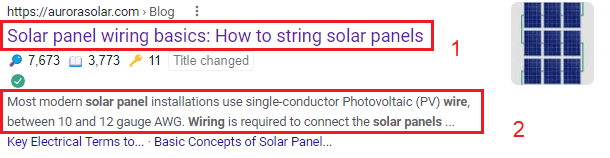
Duplicate content causes confusion for search engines.
Instead of clearly spotting which page should rank, Google has to choose on its own. And even though it does its best, it doesn’t always pick the page you wanted to be the winner.
A few big SEO consequences tend to show up:
Split Ranking Signals
Backlinks and other ranking factors get divided across several URLs, instead of reinforcing one primary, authoritative page.
Lower Crawl Efficiency
Bots end up spending crawl budget indexing duplicates, and not discovering the new, more valuable stuff you actually want surfaced.
Keyword Cannibalization
When multiple pages chase the same keywords, they end up competing against each other instead of working like a coordinated team.
Reduced Organic Visibility
If Google can’t confidently identify the main page, rankings can fluctuate, and sometimes they just steadily drop.
Poor User Experience
Visitors may land on outdated pages, or on duplicates that feel redundant. That reduces trust, increases bounce rates, and generally makes your site look less solid.
Common Causes of Duplicate Content
Most duplicate content problems aren’t dramatic. They’re usually accidental.
Here are the most common causes.
URL Parameters
Tracking parameters, sorting options, and filters can create multiple versions of what is really the same page.
For example:
- example.com/shoes
- example.com/shoes?sort=price
- example.com/shoes?color=black
Even if the on-page content is the same, Google still reads those as different URLs.
HTTP and HTTPS Versions
If both HTTP and HTTPS remain live and accessible without proper redirects, duplicate pages can basically get created automatically.
WWW vs. Non-WWW URL Versions

A pretty common technical SEO headache shows up when a site can be reached through both the www and the non-www versions. Like, people may land on www.example.com and also example.com, and honestly they might even look like they’re showing the exact same thing. Still, search engines can read those as separate pages , and that can quickly turn into duplicate content concerns plus signals get split across URLs.
What to do is pick one “main” domain version, then redirect the other one using a permanent 301 redirect. That way all traffic, backlinks, and basically the authority get pushed into one consistent URL, and search engines get a clearer cue about which one should show up in results.
Printer-Friendly Versions
A lot of websites add printer-friendly versions for blog posts or individual pages, mostly to make stuff easier to save or read. But the tricky part is: these pages often carry identical content, just under a different URL. If search engines index both, they can treat them like duplicates and then it becomes harder to figure out which page actually deserves to rank.
The cleanest move is to use canonical tags that reference the printer-friendly page back to the original version. This tells search engines which page should inherit the ranking signals while still letting users reach the printable format when they want it.
Ecommerce Product Variations
Duplicate content happens a lot in ecommerce settings. Products might show up in different sizes , colors, or styles. Usually each variation produces its own URL, even if the product description stays largely the same. Then add in filters, sorting, and parameter variations… suddenly you can end up with hundreds , or even thousands of near-duplicate URLs scattered across the site.
Canonical URLs for product variations, simplifying the URL structure, and not indexing unnecessary filter pages can cut down duplicate content a lot. It also helps crawl efficiency, so crawlers spend time on the pages that matter instead of repeating themselves.
Copied Product Descriptions
Some online retailers lean on manufacturer-provided descriptions because they’re quick to use and easy to paste. That said, it means the same copy shows up across many ecommerce stores selling the same products. When that happens, search engines struggle to decide which page deserves the spotlight, so no single site gets the strongest visibility possible.
Creating unique product descriptions is a solid way to separate your store from others, and it gives customers richer details. Original copy tends to support stronger rankings and it can also boost engagement and conversions, not just SEO metrics.
Content Syndication
Reposting blog posts or articles on third-party websites is a good method to broaden your audience. However, it can turn into duplicate content if you don’t handle it the right way. If multiple websites publish the same article without good canonical tags or proper attribution , search engines might choose the syndicated page first, instead of the original.
To keep your rankings safe, use canonical tags or request the right attribution when you syndicate. Also, providing unique introductions or lightly updated versions for partner sites can reduce duplication while still expanding your reach.
Scraped Content
Scraped content is when other websites copy your articles without permission and publish them as if they’re theirs. Even though Google is usually good at spotting the original source, scraped pages can occasionally appear first in search results—especially if they’re indexed earlier or they manage to collect stronger backlinks.
A practical approach is to monitor your content regularly and submit fresh URLs via Google Search Console. That helps reinforce that your site is the authentic publisher. And building authority using high-quality backlinks generally increases the odds you outrank the copied versions.
How to Identify Duplicate Content
You can’t fix duplicate content until you actually spot it. Regular technical SEO audits help you catch duplicate pages before they begin harming rankings or shrinking organic visibility.
Google Search Console
Google Search Console is one of those free tools that’s genuinely useful for spotting duplicate content problems. Its indexing reports show duplicate URLs, canonical conflicts, and pages Google decided not to index because similar versions were already available. If you check these reports consistently, you can find technical SEO issues early , before they start impacting rankings.
Website Crawlers
There are also professional website crawling tools that basically sweep through every page and look for duplicate patterns. They can detect duplicate titles, meta descriptions, repeated blocks of content, canonical tag problems, redirect chains, and a bunch of other technical SEO issues. With these reports, you get a more complete map of your site’s structure, so it’s easier to identify the duplicate pages that need attention.
Magento
Magento websites often end up with duplicate content, mostly because layered navigation creates URL chains and parameter based links. If you set up canonical settings correctly, manage URLs in a clean way, and do the technical polish that’s needed, you can stop those duplicate pages from showing up while still keeping your ecommerce SEO strong.
Best Practices For Long-Term SEO Success
Duplicate content handling cant be a one time task, it really has to stay in your ongoing SEO routine. You should keep checking crawl reports, update canonical tags, fix and strengthen internal linking, rewrite or refresh content that’s outdated, and merge pages that overlap in intent. When you do this consistently, search engines get clearer signals about which pages matter most. That usually improves rankings and supports stable, long term organic growth.
How Bloom Agency Helps Resolve Duplicate Content Issues

Actually fixing duplicate content is rarely just “add canonical tags and done”, it needs a more strategic way of thinking. Every site has its own layout and rules, so duplicate content problems need to be handled based on architecture, platform details, and the actual business objectives.
At Bloom Agency, our technical SEO team starts with a full website audit to spot duplicate URLs, indexing conflicts, crawl waste, keyword cannibalization, plus URL parameter issues that quietly multiply pages. Then we put in place customized remedies that can include canonical configuration, 301 redirects, sitemap cleanup, better internal linking, and URL standardization.
Our SEO work is built to strengthen your website’s technical base, so search engines can understand which pages should rank, while also improving page authority and making sure crawlers spend time efficiently. Whether you run a growing business site or a huge ecommerce store with thousands of product pages, Bloom Agency helps you remove duplicate content problems and keeps your long-term organic momentum moving.
How to Fix Duplicate Content on Different Website Platformss
Different website platforms handle duplicate content in slightly different ways. When you understand how your CMS generates URLs and then how pages get indexed, you can usually prevent duplicate content before it starts messing with your rankings.
WordPress
WordPress websites often create duplicate content through category pages, tag archives, author archives, and pagination, like it’s kinda automatic. If those pages are not set up correctly, search engines might index several versions of the same content. Using SEO plugins like Yoast SEO or Rank Math lets you add canonical tags, manage archive pages, and tighten up your URL structure. Also, it helps to regularly check your website indexing settings so only useful pages show up in search results.
Shopify
Duplicate content is a frequent issue for Shopify stores, mainly because products can show up in multiple collections which means different URLs for the same item. Collection pages, filtered URLs, and product variants can all contribute to duplicate indexing, which is annoying. Making sure canonical URLs are configured properly, plus optimizing your theme settings, helps search engines recognize the main product page while consolidating ranking signals.
Wix
Wix will automatically generate a bunch of technical SEO elements, including canonical tags, but site owners still need to keep an eye on how content is organized. Publishing the same or nearly the same info across multiple landing pages or blogs can create duplicate situations that nobody asked for. Keeping every page unique and then reviewing indexed URLs regularly can improve search visibility over time.
Squarespace
Squarespace makes it easier to manage websites, but duplicate content can still pop up when similar pages or blog posts are created without proper optimization. Keeping content original, maintaining a clean URL structure, and confirming canonical tags are in place helps search engines figure out which version should be indexed. Running regular technical audits is a good move to spot duplicate pages before rankings feel the impact.
How Bloom Agency Fixed Duplicate Content for a Client
One of our clients reached out to Bloom Agency after seeing a steady drop in organic traffic, even though they kept publishing new content. A full technical SEO audit showed the problem pretty clearly—duplicate URLs, parameter generated pages, and canonical implementation that wasn’t consistent were stopping search engines from indexing the site correctly.
Our SEO team did a full crawl of the website to locate duplicate content, URL inconsistencies , and crawl slowdowns. Once we diagnosed the situation, we rolled out canonical tags across the duplicate pages, set up permanent 301 redirects for outdated URLs, handled parameters more cleanly, and cleaned the XML sitemap. We also strengthened internal linking, and standardized the website URL structure to consolidate authority on the pages that matter most.
Over the next few months, the site started showing measurable improvements in search performance. Organic clicks rose, search impressions kept climbing, crawl efficiency improved, and multiple high-priority keywords moved upward in rankings. More importantly, search engines started indexing the right pages reliably, which supports long-term SEO growth.
Fix Duplicate Content Problems with Bloom Agency
Duplicate content can stay unnoticed and still cap your ability to rank, even when the content itself is solid. When you resolve these issues, search engines understand your website more clearly, page authority gets stronger, crawl efficiency improves, and visitors usually have a smoother experience too.
At Bloom Agency, we deliver complete SEO services designed to spot and fix duplicate content issues before they start harming your rankings. Our technical SEO specialists run in depth website audits, optimize canonical tags, apply redirect strategies, improve internal linking, and standardize URL structures to help you gain better organic visibility.
No matter if you’re running a local business site, a service company, or a larger ecommerce store, our tailored SEO solutions build a stronger technical base and support sustainable organic growth.
If you’re ready to remove duplicate content issues and push your search performance higher, Bloom Agency is ready to help.
Frequently Asked Questions
What is duplicate content, and why does it matter for SEO?
Duplicate content is when identical, or close to identical content shows up across multiple URLs. It can confuse search engines about which page should rank, which often leads to reduced visibility, diluted authority, and lower organic traffic.
Does Google penalize duplicate content?
Google usually does not apply a manual penalty just for duplicate content, unless it’s being used in a manipulative way to game rankings. That said, duplicate pages can still hurt SEO by confusing indexing signals and lowering the ranking potential of your most important pages.
How can I find duplicate content on my website?
You can identify it using tools like Google Search Console, Screaming Frog, Ahrefs, Semrush, or other technical SEO auditing platforms. These tools help detect duplicate URLs, canonical problems, repeated copy, and indexing issues that need to be addressed.
What is a canonical tag?
A canonical tag is an HTML element that tells search engines which page version should be treated as the main one. It helps combine ranking signals, reduces duplicate indexing, and improves overall crawl efficiency.

Neetu Wadhwa is the Director of Bloom Agency, a Mumbai-based full-service digital marketing and web development company. With a strong focus on performance, innovation, and strategy, she leads the agency in delivering SEO, web design, and growth marketing solutions that drive measurable business outcomes.






Rahul M.
B2B Service Provider