
Over the last decade , search engine optimization has kind of changed a lot. What used to be mainly about keyword placement, and link building turned into something way more layered , like a whole discipline with technical optimization, content strategy, how people actually use the site, data analysis, and even artificial intelligence. And since search engines keep getting smarter, and competition gets sharper in almost every industry , companies feel more pressure to stay visible online while also dealing with workloads that just keep getting bigger.
Today, SEO teams usually juggle a lot more than before. Stuff like keyword research, content planning, competitor analysis, technical checks, backlink watching, performance reporting, and ongoing optimization across several digital channels. Doing all that by hand can feel slow, expensive in resources, and honestly tricky to scale once the volume ramps up.
Because of that growing mess , SEO automation is becoming a real thing. More businesses are using automation tech to make repetitive tasks faster , smoother, and less draining, so marketing folks can spend more time on strategy , and on real growth.
SEO automation doesn’t mean “replace humans”. It’s more like using technology to take care of the routine parts, so professionals can focus on creative problem solving, decision making, and on the business goals that actually matter.
At Bloom Agency, SEO automation is treated as a key piece of modern digital marketing plans. When you blend automation, artificial intelligence, and real human expertise, businesses often get better day to day efficiency while still aiming for sustainable organic growth.
What Is SEO Automation?
SEO automation means using software, artificial intelligence, machine learning, and workflow automation tools to handle repetitive SEO tasks with very little manual work.
Most SEO activities follow patterns that can be automated pretty well. For example monitoring rankings, spotting technical issues, creating reports, tracking backlinks, grouping keywords, and evaluating website performance.
With automation in place, businesses can collect, and process huge amounts of data faster than they could manually. So instead of spending hours pulling information from different platforms , SEO professionals can rely on automated systems that deliver insights quickly , and with decent accuracy. The goal of SEO automation is productivity plus better decisions. It helps marketing teams shift time toward strategic efforts that truly influence business outcomes.
Why SEO Automation matters in 2026
The digital landscape keeps moving, like really fast, at a pace that feels almost random sometimes. Search engines update their algorithms again and again, user behavior shifts more often than people expect, and meanwhile businesses compete on several online channels, at the same time.
Without automation, running large-scale SEO campaigns can turn into a mess… and yeah expensive too. Marketing teams end up doing endless routine jobs that look busy, but they add very little strategic value. So they’re stuck between dashboards and repetitive work, not actual strategy.
SEO automation helps by cutting down manual workload and boosting operational efficiency. Teams can watch performance in real time, spot technical issues sooner, and react to new opportunities before competitors even notice the window is open.
Organizations that adopt automation usually see quicker workflows, better use of resources, more reliable reporting, and stronger overall SEO results. And with digital competition rising, automation is becoming more like a requirement, not just a nice extra.
The Evolution of SEO Automation
SEO automation has matured a lot over the last decade. At the beginning, many automation tools mainly handled keyword tracking and basic reporting. That was it. Pretty simple.
Now the platforms are more advanced, and yeah they can get pretty serious. Modern solutions often include artificial intelligence, machine learning, predictive analytics, and data visualization features that make patterns easier to see.
Because of this, businesses can automate technical audits, keep an eye on competitor movements, uncover content opportunities, analyze search trends, and produce performance reports that are actually comprehensive.
The AI layer also makes a difference by helping teams extract insights from large datasets, then use those insights for smarter optimization decisions, instead of guessing. As tech keeps evolving, SEO automation is expected to become even more intelligent, and more efficient, month after month.
Automating Keyword Research and Analysis
Keyword research still sits right at the center of SEO success. If you understand how people search for products, services, or answers, you can build content that matches user intent instead of just chasing vague traffic numbers.
Back in the day, keyword research meant lots of manual effort. Marketers had to find possibilities, organize phrases, judge competition, and keep an eye on rankings by hand. It took forever, and it still left room for mistakes.
Automation changed the whole process.
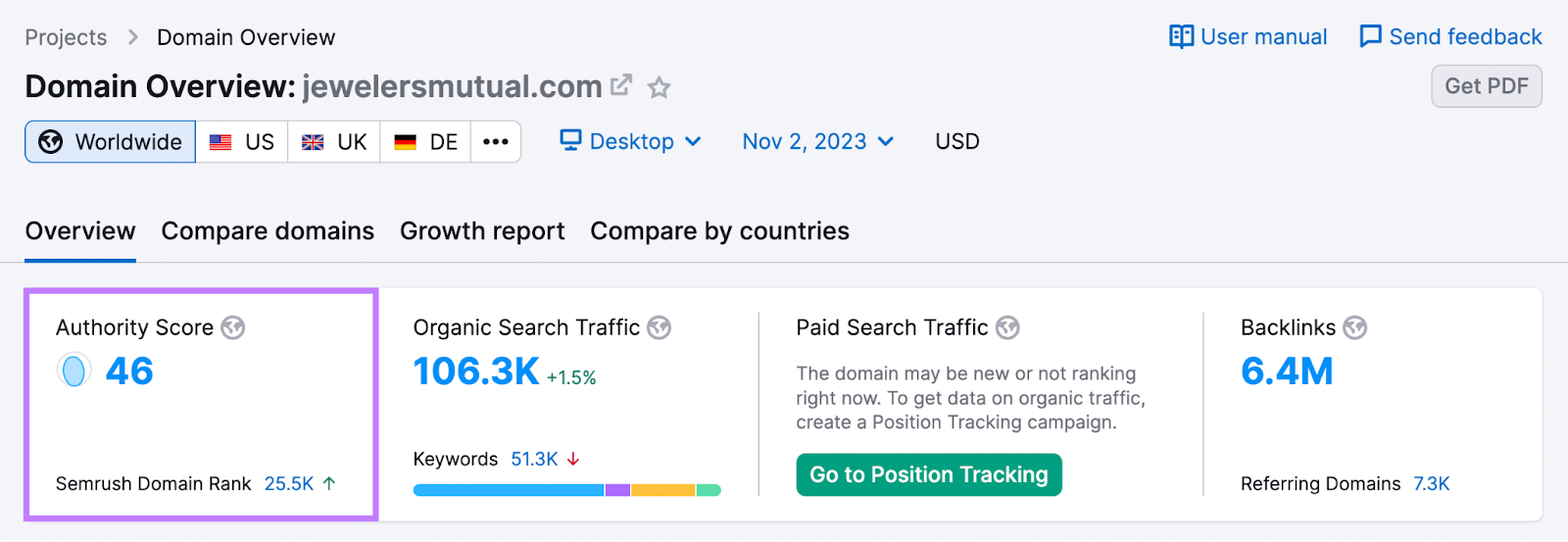
Today, SEO tools can discover relevant keywords automatically, then arrange them into topical clusters. They can track ranking changes, and flag emerging search trends as they happen. As a result, businesses uncover meaningful opportunities while saving huge chunks of research time.
Automated keyword analysis also helps organizations adjust quickly when consumer behavior shifts, or when market demand moves in a new direction.
With automation doing the heavy lifting, businesses can build sharper content strategy plans and stay more visible across search results.
Technical SEO Automation
Technical SEO is basically the foundation for website performance and search visibility. Even if the content is great, rankings can still stall if technical problems stop search engines from crawling and indexing properly.
As websites grow, handling technical SEO manually becomes more and more complicated. You can’t realistically track everything by yourself.
Automation enables continuous monitoring of critical technical conditions, like crawl errors, broken links, duplicate content, page speed problems, Core Web Vitals signals, redirect chains, and indexing failures.
Instead of running audits every so often and reacting late, automated systems deliver ongoing monitoring and real-time alerts when something breaks.
That proactive method means teams can resolve technical problems before they hurt rankings, user experience, or conversions. For bigger websites, technical automation becomes a real operational advantage and helps protect overall site health.
Content Optimization Through Automation
Content remains a major part of SEO, no doubt. But scaling content creation and optimization is a challenge for many organizations, especially when teams are small and deadlines are loud.
Automation supports content workflows by helping with topic discovery, keyword clustering, content brief creation, internal linking suggestions, and performance analysis.
These functions help content teams move faster while staying consistent across different projects. Automation can also spot underperforming pages and recommend updates based on current search trends, and on real user behavior patterns.
Still, even with faster processes, human oversight is necessary. The best outcomes happen when automation supports editorial judgment, so quality, accuracy, and relevance stay intact. The strongest teams use automation as a backup system, not a full replacement for content creators.
SEO Reporting and Performance Monitoring
Reporting matters because it proves SEO effectiveness and shows ROI. Businesses need visibility into rankings, traffic movement, conversions, technical performance, and competitive positioning. Doing all of that manually can take too much time. Automation makes reporting easier by pulling data from multiple sources, then presenting it through customized dashboards and reports.
This improves efficiency, while keeping stakeholders updated with timely, accurate information. With automated reporting, teams can spend less time collecting data and more time interpreting what it actually means.
Organizations also get better transparency, quicker decision-making, and a clearer view of SEO performance. And as reporting requirements get more complex, automation helps teams stay consistent, and keep scaling without losing control.
Competitor Analysis Automation
Competitive intelligence is a key ingredient in SEO planning. When you understand how competitors bring in traffic and build visibility, you start spotting growth gaps you can exploit. Automation allows businesses to monitor competitor activity continuously, without needing deep manual research every single week, or reinventing spreadsheets all over again.
Competitor Analysis Automation
Competitor intelligence matters a lot for SEO planning, and yeah it can really shape the whole strategy. When you understand how competitors are pulling in traffic and getting attention, it often shows some real openings for growth. Not only that, but it can tell you what’s working, and why, even if you don’t see it right away.
Automation lets organizations watch competitor actions all the time, without doing hours of manual research, or basically living in spreadsheets all day.
With the right setup, teams can monitor keyword positions, content results, link building activity, technical changes, and overall market positioning, in a kind of always-on way.Those details make it easier to spot strengths, weaknesses, and newer opportunities inside your industry, before they get crowded.
Automated competitor analysis also helps companies respond faster to market shifts, while still keeping a strategic edge. And in really tough sectors, that kind of speed can honestly be the difference between “we tried” and real SEO success.
The Role of Artificial Intelligence in SEO Automation
Artificial intelligence is probably one of the biggest engines behind SEO automation right now. AI-powered systems can sift through huge datasets, find patterns, suggest actions, and even forecast upcoming trends. Doing that manually would be so slow, and honestly, most teams wouldn’t be able to keep up.
AI in SEO can show up in a bunch of places: search intent analysis, keyword clustering, content recommendations, performance forecasting, technical diagnostics, and audience segmentation.
It helps businesses uncover chances quicker, and make decisions that are more grounded in evidence. Still, AI shouldn’t be treated like a full replacement. More like a helper, or a sharper instrument that supports human know-how instead of throwing it out.
Strategic planning, creative problem solving, brand positioning, and real customer understanding still need human judgment, perspective, and experience. Usually the best SEO strategies mix AI-driven efficiency with real professional expertise, not “AI only” kind of thinking.
Common SEO Automation Mistakes
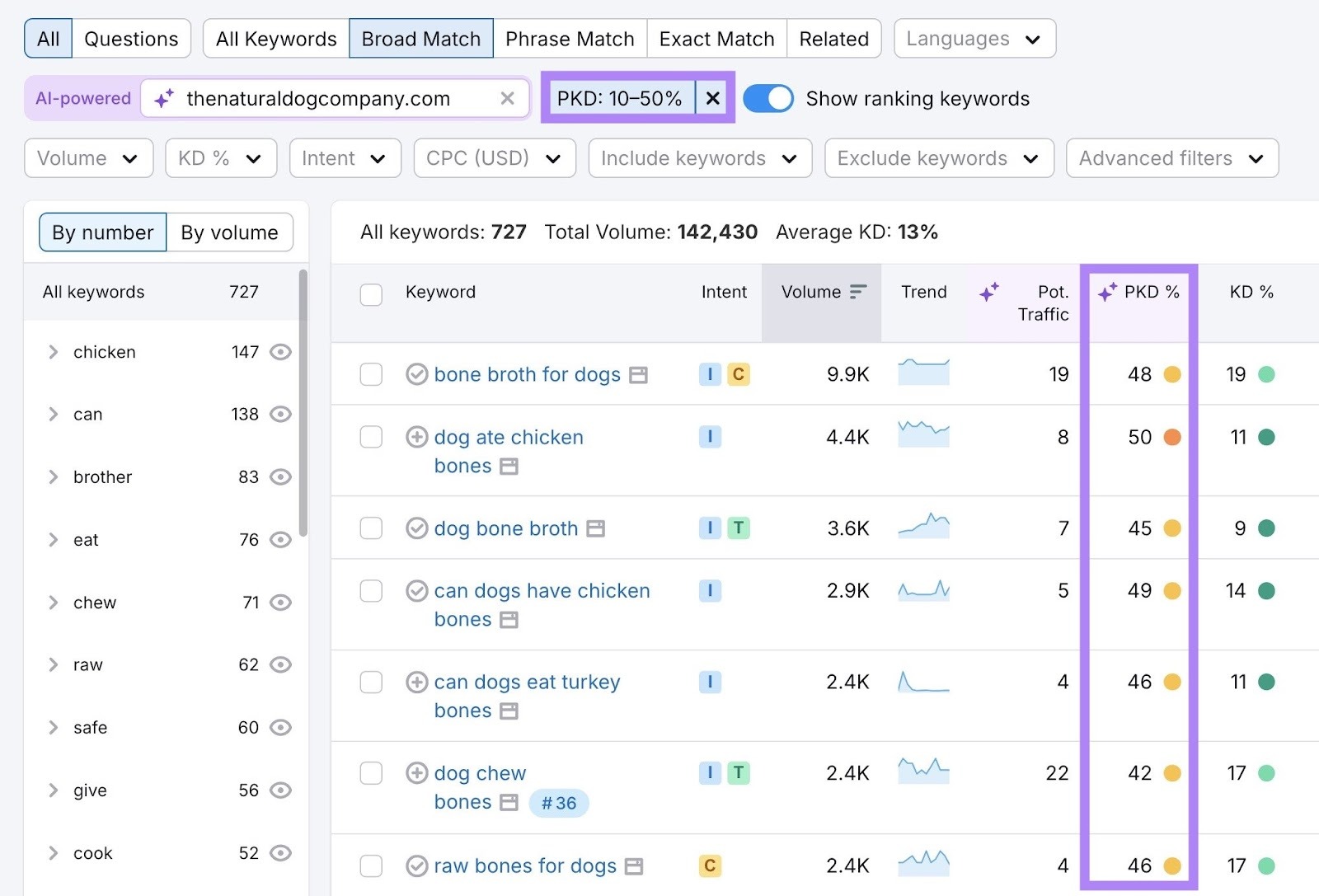
Automation can be great but it needs discipline. One common mistake is trying to automate everything in SEO, without keeping any real strategic oversight. Automation can churn out data, and spit out recommendations , but it doesn’t fully grasp your business goals or the smaller market nuance, so it can get you moving in circles. Another frequent issue comes from over relying on automated content generation. Search engines keep pushing toward quality, real expertise, and actual user value.
Content that is generated only because it was possible , often ends up being thin or generic, and it usually doesn’t perform well in the long run.
Teams should automate the repetitive stuff, then keep humans involved for strategic calls, plus quality control. That kind of balance tends to produce the strongest results.
How Bloom Agency Uses SEO Automation
Bloom Agency blends advanced automation tools with proven SEO knowledge to help clients reach steady growth. They don’t treat automation as a substitute for professionals. Instead, automation is used to increase efficiency, and to make better decisions faster.
Bloom Agency brings automation into keyword analysis, technical monitoring, competitor tracking, performance reporting, content workflows, and SEO auditing.
That setup helps the team surface opportunities quickly, keep tabs on performance continuously, and roll out improvements in a more effective way.
And because automation is integrated into broader optimization efforts, Bloom Agency supports search visibility while protecting quality and long-term performance.
Why Businesses Need Professional SEO Services
Sure, automation supports SEO work, but real success still depends on expertise, strategy, and experience. Businesses need to understand customer behavior, market conditions, search intent, and competitive dynamics, otherwise the data can mislead them. Professional SEO services help companies interpret results, prioritize opportunities, and carry out optimization plans with better accuracy. Experienced SEO specialists can provide guidance that automation alone usually can’t deliver, especially when trade-offs and brand considerations show up. When automation and expert oversight work together, companies can improve rankings, grow organic traffic, and build sustainable momentum.
Companies that invest in both technology and people often get stronger results than those leaning only on automation, even if that automation looks impressive at first.
Conclusion
SEO automation is now basically part of modern digital marketing, not a nice-to-have. As websites expand and search environments keep getting more complex, automation helps businesses streamline workflows, improve efficiency, and scale optimization efforts without burning out.
By automating repetitive tasks like keyword monitoring, technical audits, reporting, and competitor analysis, organizations can focus more on higher-value strategy work.
But automation works best when it’s paired with expert guidance and human decision-making. Automation is powerful , yet it’s not the final brain.
At Bloom Agency, automation is used to support a complete SEO approach aimed at measurable results and long-term success. With advanced technology, artificial intelligence, and enterprise SEO services in the mix, businesses can strengthen their online presence, improve search performance, and compete more effectively as the digital marketplace keeps evolving.
Frequently Asked Questions About SEO Automation
What is SEO automation?
SEO automation is the process of using software, artificial intelligence, and automation tools to handle repetitive SEO tasks such as keyword tracking, technical audits, reporting, competitor monitoring, and content analysis. It helps businesses improve efficiency while allowing SEO professionals to focus on strategy and optimization.
Why is SEO automation important for businesses?
SEO automation saves time, improves accuracy, and enables businesses to scale their optimization efforts. As websites grow and competition increases, automation helps marketing teams manage large volumes of SEO data and activities more effectively.
Can SEO automation improve search engine rankings?
SEO automation can support ranking improvements by identifying technical issues, monitoring keyword performance, optimizing workflows, and providing actionable insights. However, rankings still depend on quality content, user experience, authority, and strategic implementation.
Does SEO automation replace SEO experts?
No. SEO automation is designed to support SEO professionals rather than replace them. While automation handles repetitive tasks, human expertise is still necessary for strategy development, content planning, competitive analysis, and business decision-making.
What SEO tasks can be automated?
Many SEO activities can be automated, including keyword tracking, technical audits, backlink monitoring, site health checks, competitor analysis, content performance monitoring, reporting, and rank tracking. These automations help improve productivity and efficiency.
How does artificial intelligence help with SEO automation?
Artificial intelligence helps analyze large amounts of data, identify search trends, cluster keywords, generate optimization recommendations, and support content planning. AI enables faster decision-making and more effective SEO workflows.
Is SEO automation suitable for small businesses?
Yes. Small businesses can benefit significantly from SEO automation because it allows them to manage optimization efforts efficiently without requiring large marketing teams. Automation helps smaller organizations compete more effectively in search results.
What are the risks of relying too heavily on SEO automation?
Over-reliance on automation can lead to poor content quality, generic optimization strategies, and missed business opportunities. Businesses should combine automation with expert oversight to ensure SEO efforts remain strategic and customer-focused.
How often should SEO automation tools be monitored?
Although automation performs tasks automatically, regular review is important. SEO professionals should analyze reports, validate recommendations, and adjust strategies based on changing business goals, market conditions, and search engine updates.
How does Bloom Agency use SEO automation?
Bloom Agency combines advanced automation technologies with expert SEO strategies to improve efficiency, identify opportunities, monitor website performance, automate reporting, and support long-term organic growth. The agency uses automation to enhance results while maintaining a strong focus on quality, strategy, and measurable business outcomes.
Can SEO automation help with content marketing?
Yes. SEO automation can assist with keyword research, topic discovery, content planning, internal linking recommendations, content audits, and performance tracking. This helps content teams create more effective and search-friendly content strategies.
Why should businesses combine SEO automation with professional SEO services?
Automation provides valuable data and efficiency, but professional SEO services provide the expertise needed to interpret insights, develop strategies, optimize content, and drive sustainable growth. The combination of automation and expert guidance delivers the strongest SEO results.

Neetu Wadhwa is the Director of Bloom Agency, a Mumbai-based full-service digital marketing and web development company. With a strong focus on performance, innovation, and strategy, she leads the agency in delivering SEO, web design, and growth marketing solutions that drive measurable business outcomes.





Rahul M.
B2B Service Provider