
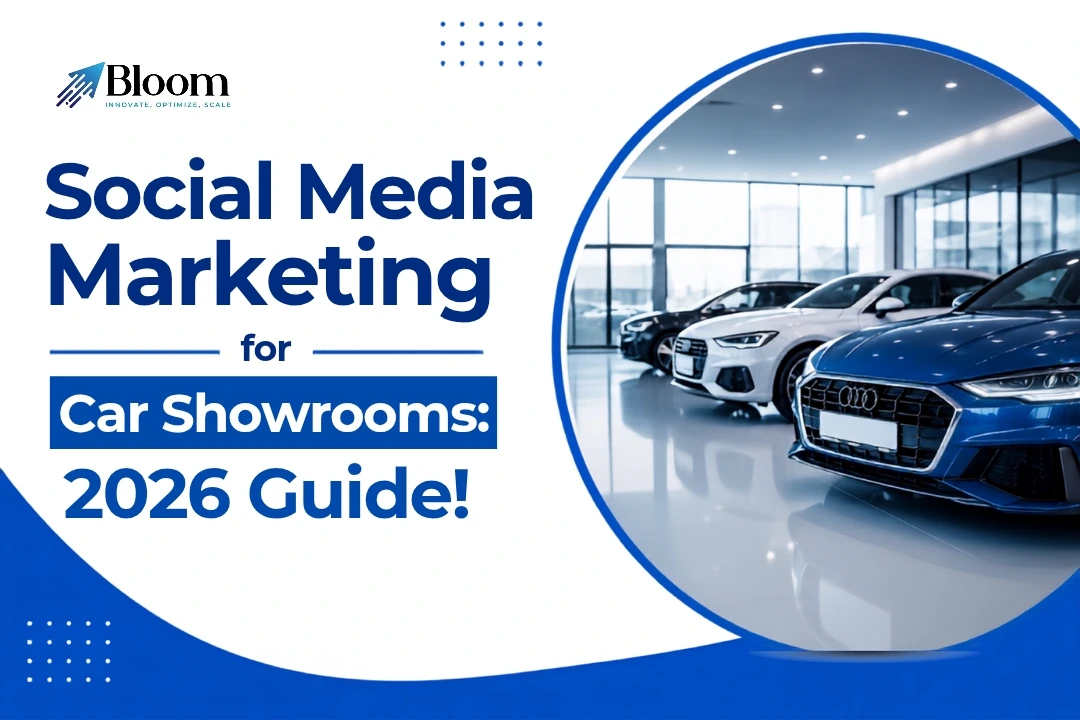
Walk into any car dealership today and something feels a little different than it used to. The salespeople are still there, the test drives still happen, the financing paperwork still takes forever. But the person standing next to that sedan has usually already made up half their mind before they even parked. Where did that decision come from? A phone screen, most likely. A reel they watched twice, a comment thread they scrolled through at midnight, a friend’s story where someone tagged your dealership. That’s the world we’re in now, and it’s exactly why social media marketing has quietly become the backbone of how a dealership actually sells cars in 2026.
Car buying used to be a slow, offline crawl. You’d drive from one car dealership to another, kick some tires, compare a few numbers, and eventually pick whatever felt right in person. That’s not really how it works anymore. A buyer’s first “visit” to your dealership now happens on Instagram, often weeks before they ever sit down to talk financing. Dealerships that get this are pulling ahead. The ones still leaning on foot traffic and word of mouth alone are losing ground, sometimes without even realizing it, to competitors who simply show up online more consistently. Even across the wider automotive industry, this shift has been building for a few years now, and 2026 is really just the year it stopped being optional.
None of this means a car dealership needs to chase every trend or post five times a day just to stay relevant. It means building something real — a presence that actually sounds like your business and speaks to the people already looking for a car like the ones sitting on your lot.
So this guide walks through a complete strategy for social media marketing for car showrooms heading into 2026. We’ll cover why it matters, who you should actually be talking to, which platforms deserve your time, what kind of content pulls its weight, how paid promotion fits in, and how you measure whether any of it is working. If you run a dealership, manage its marketing, or you’re simply trying to figure out how social media marketing can help move more inventory off the lot, this one’s for you.
Why Social Media Marketing Matters For A Car Dealership
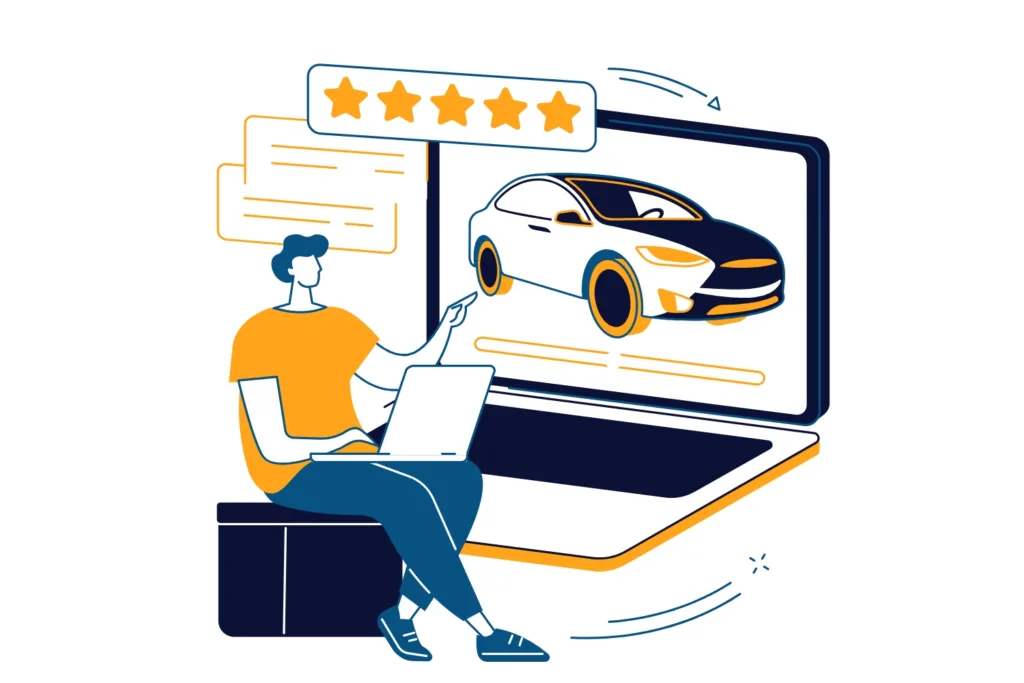
Before getting into tactics, it’s worth talking about why social media marketing deserves an actual budget and an actual plan instead of a few posts thrown up whenever someone remembers to do it.
Buyers research online long before they visit a showroom
Most people shopping for a car spend weeks browsing before they ever step onto a lot. They’re looking at photos, watching walkthrough videos, reading what other buyers said in the comments, forming opinions about a car dealership before a salesperson ever says a word. Show up during that research phase and you’ve already got a foot in the door. Sit it out, and you’re relying on luck alone.
Trust gets built through showing up, again and again
Buying a car is a big decision, and people want to feel good about who they’re handing their money to. When a dealership posts helpful, honest, genuinely interesting content week after week, something shifts. It starts to feel familiar. And familiar, more often than not, turns into trusted.
Your competitors are already there
Almost every dealership, big or small, has some kind of presence online at this point. If they’re running social media marketing campaigns and yours is sitting this one out, you’re basically handing them customers who could’ve been yours. Staying active isn’t a nice bonus anymore — across the whole automotive industry, it’s closer to the baseline now.
It makes everything else you do work harder
Google ads, emails, referrals, none of it operates in a vacuum. A buyer who clicks your ad and then checks your Instagram before deciding whether to trust a car dealership is far more likely to convert if that profile looks alive, current, and human rather than abandoned.
People buy from people, not logos
Nobody gets excited about a faceless business, and that’s true even for big-name brands, let alone a local dealership. People want to see the actual team, the culture, the customer who drove off happy last Tuesday. Social media marketing gives you a place to show all of that in a way a showroom, on its own, simply can’t.
It can shorten the sales cycle
Someone who’s already watched a few of your videos, read your reviews, and browsed your inventory online shows up far more decided than someone walking in cold off the street. That shorter gap between first impression and final decision saves your sales team real time on every deal.
Understanding The Real Value Of Social Media Marketing For Dealerships
Worth pausing here to talk about the actual business value, because plenty of car dealership owners still treat this as an afterthought — something the intern handles between other tasks.
Lead generation without the heavy price tag
Compared to billboards, radio spots, or a thirty-second TV commercial, social media marketing is remarkably cheap for what it delivers. One well-shot video can bring in more attention than an expensive print ad ever could, simply because it reaches people where they already spend hours every day, scrolling half-consciously on the couch.
Targeting that traditional ads could never match
Facebook and Instagram let you target by income bracket, location, interests, even life events like a recent move or a new job. Newspaper ads never gave a dealership that kind of precision, not even close. Good social media marketing leans on this targeting to reach people who are genuinely close to buying, instead of shouting into a crowd and hoping someone’s listening.
A relationship that outlasts the sale
Selling a car isn’t the finish line. Buyers come back for servicing, trade-ins, upgrades, and they refer friends years down the line if the experience was good. Social media marketing keeps a car dealership sitting in the back of their mind long after they’ve driven off the lot, which quietly increases repeat business and referrals over time.
A live read on your reputation
Comments, reviews, DMs — these give you a running pulse on how people actually feel about your dealership. Smart social media marketing means actually responding to that feedback, good or bad, which tells potential buyers you care about the experience and not just closing the deal.
Numbers you can actually see
A billboard gives you no idea who saw it or whether it worked. Social media marketing hands you real numbers: who watched the video, who clicked, who messaged asking about a specific model. That kind of feedback loop lets any car dealership get sharper every single month instead of guessing forever.
Identifying Your Target Audience Before You Post Anything
One mistake shows up again and again with a dealership: posting content without any real sense of who it’s actually for. A solid social media marketing plan always starts with knowing your audience, not with a camera.
Think in life stages, not just age brackets
A twenty-four-year-old buying their first car solo has very different needs from a family of five hunting for a bigger SUV, who in turn is nothing like a retiree who just wants comfort and reliability without the tech overload. Your social media marketing content should sound different depending on who’s actually reading it.
Look at who’s already buying from you
Pull your sales records from the last year. Which models actually move? What age groups keep walking through the door? Let that data shape your social media marketing calendar instead of guessing at what might land.
Pay attention to what your local market actually cares about
A dealership in a city full of young tech workers needs a different tone than one out in farm country, where trucks and towing capacity matter a lot more than a fancy infotainment screen. Local relevance makes your content feel personal instead of copy-pasted from a template somewhere.
Read the comments on your competitors’ posts
Genuinely, this is underrated. Competitor pages are full of real questions from real buyers in your exact market. Addressing those same concerns in your own social media marketing content can set your car dealership apart almost immediately, and it costs nothing but a bit of scrolling.
Sketch out two or three simple buyer personas
You don’t need a fancy slide deck for this. Something as short as “budget-conscious first-time buyer, twenty-two to twenty-eight, cares about fuel economy and monthly payments” is plenty to guide your content decisions and keep your social media marketing focused instead of scattered all over the place. Trying to speak to every possible buyer at once usually means a dealership ends up speaking clearly to none of them.
Choosing The Right Platforms For Your Car Dealership
Not every platform earns equal attention. A smart social media marketing plan puts effort where your actual buyers are hanging out, and skips the rest without guilt.
Facebook still pulls solid local reach
Facebook still reaches a huge slice of adults in the exact age range that’s actively car shopping. Its Marketplace feature and local group culture make it especially handy for a car dealership specifically. Running social media marketing campaigns here tends to bring a steady drip of local inquiries, week after week.
Instagram is built for showing off cars
Cars are visual, full stop, and Instagram was practically made for that. Sharp photos, behind-the-scenes reels, that moment when a customer picks up their keys for the first time — this stuff performs. For a lot of dealerships, Instagram ends up being the actual centerpiece of the whole social media marketing effort.
YouTube builds trust the slow way
Detailed walkarounds, honest comparisons, model reviews — this kind of content helps buyers feel confident before they’ve even called your dealership. YouTube videos also stick around longer than a fleeting Instagram story, which makes it a genuinely smart long-term piece of any social media marketing plan.
TikTok reaches the buyers other platforms miss
If your car dealership wants younger, first-time buyers, TikTok has become impossible to ignore. Short, funny, relatable videos here can outperform far more polished content sitting on your other channels, and often for a fraction of the effort.
LinkedIn quietly matters for fleet and business sales
If part of your business involves fleet deals, leasing, or commercial vehicles, don’t write LinkedIn off. It’s a smaller slice of the pie, sure, but a real one when business clients are part of your social media marketing goals, and it’s also useful for fleet and B2B networking that a showroom feed never quite covers.
X still has its place for quick updates
It’s not going to be your lead-generation engine, but X works fine as a small, supporting piece of your broader social media marketing plan for fast announcements, replying to public questions, and staying visible in local conversations. Think of it as a supporting player, not the main event.
Content Ideas That Actually Work For A Car Dealership
Once you know your audience and where they’re hanging out, content is the piece that makes or breaks the whole effort. This is where a lot of social media marketing either clicks or falls completely flat.
Vehicle walkarounds and feature spotlights
Short videos zeroing in on one standout feature — a safety system, a surprisingly roomy back seat, whatever it is — give people an actual reason to keep watching instead of scrolling past. These are some of the steadiest performers in any dealership’s social media marketing toolkit, year after year.
Real customer deliveries and honest testimonials
Nothing sells quite like watching a real person pick up their new car and grin about it on camera. It feels genuine in a way no scripted ad ever will, which is exactly why these moments belong in every social media marketing calendar a car dealership builds.
The people behind the dealership
Introduce your sales team. Show the service techs. Even the finance manager, who nobody thinks to feature, is worth a spotlight. Showing the human side builds familiarity, and familiarity happens to be one of the strongest trust signals in social media marketing.
Financing and maintenance tips that aren’t a sales pitch
Not every post needs to push a car directly. Content explaining loan terms, trade-in value, or basic maintenance positions your dealership as genuinely helpful instead of just another business trying to close a sale — and that shift strengthens everything else your social media marketing does over time.
Local and seasonal tie-ins
Tie posts to local festivals, weather shifts, seasonal promotions. Something like “getting your car ready before monsoon season hits” feels timely and specific, and timely content tends to travel further inside your social media marketing network than generic evergreen posts do.
User-generated content and reposts
Ask happy customers to tag your dealership, then repost with their permission. It costs you nothing to produce and usually outperforms anything filmed in-house, adding a layer of credibility that money genuinely can’t buy in social media marketing.
Polls, quizzes, live Q&As
“SUV or sedan, which one wins?” Simple stuff like that keeps people engaged, and a live Q&A about financing turns your social media marketing into an actual conversation instead of a one-way broadcast nobody responds to.
Local creator and influencer partnerships
Teaming up with a local creator who already has a trusted following can put your car dealership in front of people who’d otherwise never scroll past your page. A creator with a few thousand genuinely engaged local followers often beats a big-name celebrity endorsement for a business this local, even when a few automotive brands in the same city are throwing bigger budgets around.
Tips To Grab Attention In A Crowded Feed
Posting isn’t enough if nobody actually stops scrolling long enough to watch. A few practical habits that consistently help social media marketing content stand out from the noise.
Hook people in the first three seconds, no exceptions
Attention online is brutally short. Open with something visually striking or a bold line instead of a slow wind-up nobody has patience for. This one habit alone can noticeably lift how your social media marketing videos perform.
Caption everything
Loads of people scroll with the sound off, on the train, in a waiting room, wherever. Captions make sure your message still lands even in total silence, and that tiny detail makes a real dent in social media marketing engagement.
Keep the branding recognizable everywhere
Same logo, same colors, same voice across every platform. It sounds small, but consistency is a quiet advantage — people start recognizing your dealership before they even read the caption.
Post when your audience is actually online
Check your page insights and figure out when your followers are actually scrolling, then schedule around that. Posting at the right hour can be the difference between a post that gets buried instantly and one that actually gets seen, and that matters more than people give it credit for.
Use trending formats, but only when they genuinely fit
Jumping on a trending sound, when it fits naturally, can boost visibility fast. Force it, though, and it reads as exactly that — forced. Forced trends rarely help social media marketing in the long run, they just look a bit desperate.
Reply to comments fast, and like a human
Quick, genuine replies encourage more people to jump into the conversation, and platforms tend to reward posts that generate active back-and-forth by showing them to more people. This small habit compounds nicely over months.
Mix up your content length
A fifteen-second clip here, a longer, more detailed video there. Variety keeps your audience from getting bored, and it gives the algorithm different formats to test in front of different slices of your following.
The Role Of Paid Advertising In Your Social Media Marketing Plan
Organic content lays the groundwork, but paid promotion is what speeds everything up. Almost every solid social media marketing plan has some paid piece built into it.
Boost the posts that are already working
When something takes off organically, putting even a small budget behind it can stretch its reach dramatically further. It’s one of the simplest, most cost-effective moves in paid social media marketing, and it’s often overlooked.
Lead generation ads that don’t send people away
Facebook and Instagram let you run ads that capture a lead right inside the app, no redirect to some slow-loading landing page. These tend to convert better simply because there’s less friction, making them a genuinely valuable piece of any social media marketing budget.
Retarget the people who almost converted
Someone who visited your site but never filled out a form isn’t a lost cause, not even close. Retargeting ads bring your car dealership back in front of them, a gentle nudge to finish what they started. This tactic alone often pays for itself.
Geofence your local radius
Since most buyers stick to dealerships within a reasonable drive, geofenced ads that target people within a set radius make your social media marketing budget stretch further by only reaching realistic, nearby buyers.
Seasonal campaigns tied to buyer intent
Running paid pushes around festive seasons, year-end clearance, or new model launches tends to bring a noticeably stronger return, since intent is already high during those windows anyway. This is also when several big brands push national campaigns, so a dealership timing local ads alongside them can ride that same wave of attention.
Test more than one version of every ad
Never bet everything on a single creative. Run a few versions — different images, different headlines, different calls to action — and let the numbers decide which one wins. Even something as small as swapping a background photo or changing “Learn More” to “Book a Test Drive” can shift performance more than you’d expect. This kind of testing is really what separates guesswork from social media marketing that actually works.
Measuring The Success Of Your Social Media Marketing Efforts

None of this matters if you can’t tell whether it’s actually working. Measurement is the part of social media marketing too many car dealership teams skip entirely, usually because it feels less exciting than filming the next video.
Engagement rate over raw follower count
A page with fewer followers but real engagement is usually worth more than one with a huge, silent audience. Engagement tells you whether people actually care about what you’re posting, which is a far more honest read on social media marketing success than a follower number ever will be.
Click-through rate on your links and ads
If you’re pushing traffic to your website or inventory page, click-through rate tells you whether the content itself is compelling enough to make someone act. It’s one of the more telling numbers in any social media marketing report.
Lead quality, not just lead volume
Ten genuinely interested leads beat a hundred people who clicked out of idle curiosity and never opened another message. Look closely at the quality coming through your social media marketing campaigns, not just how many names land in the spreadsheet.
Cost per lead and cost per sale
These two figures tell you the real financial story behind your social media marketing spend. If cost per sale sits comfortably below your average profit margin per car, the strategy’s working in favor of your dealership, plain and simple.
Follower growth paired with sentiment
Growing numbers feel good, sure, but pair that with sentiment. Are the comments mostly positive? Are people asking real, curious questions? Growth alongside good sentiment is a genuinely strong sign your social media marketing is landing.
Which specific vehicles get the most attention
Beyond the overall numbers, notice which models pull the most comments, saves, and shares. That tells you what to feature more often, and which cars might need a completely different angle to actually catch someone’s eye.
Monthly reviews, not just quarterly glances
Set aside time each month to look at what worked and what flopped. That habit turns social media marketing into something you keep sharpening, rather than a pile of posts thrown out and forgotten about by the following week.
Common Mistakes A Car Dealership Makes With Social Media Marketing
Even with good intentions, a car dealership tends to fall into the same handful of traps. Steering clear of these will save time, budget, and a fair amount of frustration.
Posting only when there’s a sale on
If every single post is a promotion, people eventually tune it out completely. Balance the sales pitches with content that’s actually helpful or entertaining, so your social media marketing doesn’t feel like a nonstop advert.
Going quiet in the comments
Few things kill trust faster than a question sitting unanswered in your comments for four days. Quick, thoughtful replies should be a non-negotiable habit baked into your social media marketing routine, not an afterthought.
Low-quality photos and shaky video
Cars are visual products, and a blurry, badly lit photo undercuts even a genuinely great vehicle. A decent camera and some basic lighting pay for themselves fast in the quality of your social media marketing.
Copying competitors with no real strategy of your own
Watching what others do is smart. Copying it wholesale, without understanding your own audience, rarely works the same way twice. Your dealership’s social media marketing should sound like your business, not a knockoff of the one down the street.
Posting in bursts, then vanishing for weeks
Five posts one week, nothing for the next month — that pattern confuses both the algorithm and your actual followers. Consistency is one of the simplest, most overlooked keys to strong social media marketing performance, and it costs nothing but discipline.
Obsessing over follower count instead of real relationships
A page with fifty thousand followers who never engage is worth less than one with five thousand who actually trust your dealership. Chasing a big number instead of real relationships is an easy trap to fall into early on.
Treating every platform identically
The exact same content, same format, posted everywhere, usually underperforms in social media marketing. Each platform has its own culture, and content that feels native to where it’s posted almost always beats something that looks copy-pasted from another app entirely.
How Much Should A Car Dealership Budget For This Strategy
Every car dealership eventually asks this, and the honest answer is: it depends on your market size, your goals, and how competitive your area happens to be. Still, a few practical guardrails are worth keeping in mind.
Think in percentages, not a fixed number
Instead of picking an arbitrary figure out of thin air, set aside a percentage of your overall marketing budget, somewhere between fifteen and thirty percent tends to work, for online promotion and paid campaigns. That keeps spending proportional as the business grows or slows down.
Keep production costs and ad spend separate
Filming and editing are largely one-time or recurring production costs, while ad spend is ongoing and adjustable on the fly. Keeping the two apart makes it much easier to see exactly where the money’s going and what’s actually delivering.
Put more money behind what’s already working
If a certain video style or ad consistently outperforms the rest, lean into it harder instead of spreading resources evenly across everything just to feel fair about it. Doubling down on what already works usually beats constantly chasing something new.
Expect a slow ramp-up before things peak
A brand-new page rarely performs at its best in month one. Budget for a stretch of testing and learning before expecting the steady lead flow that a mature online presence eventually produces.
Bump spending during seasonal spikes
Certain months, end of financial year, festive seasons, tend to bring more active buyers out of the woodwork. Nudging your budget up slightly during those windows usually pays off better than spreading it evenly across the whole calendar.
Building A Long-Term Social Media Marketing Calendar
A sustainable social media marketing plan isn’t built week to week in a panic. It gets mapped out ahead of time, with enough flexibility to still feel alive.
Plan themes by month, not by post
Dedicate certain stretches to specific themes, customer stories one week, financing tips the next, new arrivals after that. This structure makes your social media marketing calendar far easier to plan and keeps the content genuinely varied across the year.
Batch your filming and shooting
Set aside one or two days a month to knock out several pieces of content at once. Batching saves real time and keeps your social media marketing from falling behind the moment things get busy on the sales floor.
Leave room for spontaneous, real-time posts
Don’t fill every single slot with pre-planned content. Leave space to jump on something trending or respond to an actual event happening that week, since unplanned posts often perform surprisingly well inside an otherwise structured social media marketing strategy.
Match the calendar to inventory and demand
If a new model is arriving soon, or SUV demand is picking up for the season, your social media marketing calendar should reflect that timing instead of working against it out of habit.
Revisit the whole thing every few months
Look back periodically at what actually performed and adjust what’s coming next. Social media marketing should evolve with real results, not stay frozen just because a plan was written down once and filed away.
Useful Tools For Managing Everything Efficiently
A strong social media marketing presence gets a lot easier to maintain once the right tools are supporting the day-to-day grind.
Scheduling tools buy back your week
Planning and queuing posts across several platforms in advance saves hours compared to manually logging in and posting everything live, every single day.
Design tools speed up the creative side
Simple design platforms with ready-made templates make it possible to produce decent-looking graphics and quick video edits without needing a full-time designer sitting on staff.
Analytics dashboards make reporting bearable
Instead of bouncing between four separate apps just to check numbers, a single dashboard pulls everything into one view, which makes the monthly review far less painful than it sounds.
CRM integration keeps leads from slipping through
Connecting your lead forms and DMs directly to your dealership’s customer system means an inquiry doesn’t quietly disappear somewhere between a comment, a message, and an actual visit to the lot.
Automotive Industry Trends for Car Dealerships.
There are a lot of changes happening at a rapid rate throughout the wider automotive industry. If your dealership does not adapt to the emerging trends you are going to fall behind the competition.
Automakers:
Big automotive brands establish content style:
Look how automakers do launch their new cars on social media or make product reveal through online, although the amount of money is not affordable at that budget the way these big brands use stories for suspense and create emotional touch by targeting individual feelings will guide local business as well.
Big automotive companies are investing a lot in short form video content:
Previously the idea of this short format of video is considered experimental now a days these are the mainstream form of content production. Automakers use their mobile for video production for the sake of creating original vertical videos which is even useful for local car showrooms.
Regional trends inside the automotive industry shift fast:
A couple of years ago heavy focus on facebook ads but these trends changed now everyone is focusing on instagram and TikTok so it is beneficial if local business keeping a check on changing trend to sustain in the competitive automotive market.
Automotive companies increasingly blend service and sales content
Automakers also started providing after sale service update along with information about sale and also involve community. If we start mixing both of the services it is more likely that the customers are engaged to your page and your car showrooms will gain the maximum benefits.
Smaller dealerships can move faster than big automotive companies
It is one of the main advantage of being a local brand. Large automobile companies have several procedures to follow for every single post but a local brand can respond to a trend or any local news within minutes. This ability gives local business an extra edge.
The Use of professional social media marketing services by the dealerships.
If one wishes to bring up all the process and activity in-house it can be easily possible however this require sufficient time, the consistent efforts and fair amount of experimentation. This is why, many car dealerships decide to collaborate with a professional social media marketing service and put this task in professional’s hands instead of handling it internally.
Knowledge which keep you ahead of platform changes:
The algorithms of the platforms like Instagram and Facebook get update day by day. It becomes quite difficult to stay abreast of these updates and to manage a business simultaneously. Professional teams working on social media platforms ensure their content remains optimized and reaches their audience despite platform changes.
Advanced and creative resources:
Professional social media marketing services typically provide editing software, planning tools, and design assets that individual businesses do not often invest in, so their work is usually much more professional looking.
More time to the staff to do actual sales work:
The sales staff at your dealership get to do the real job – selling cars – when they aren’t spending time shooting and editing videos between customer visits.
Data driven strategies, not a guessing game:
The social media agencies provide detailed analysis and test, many local businesses do not possess the capability to perform so which contributes to sustained, predictable growth over time.
Why social media Marketing is Important? Choosing the right professional service:
It is not necessary for every single company to deal with everyone on social media, there are many companies that work efficiently on social media and provide a portfolio of their results for their customers. So it’s always recommended to find someone with a track of record, real work experience and someone with who you can understand the entire strategy well.
Frequently asked question
How many posts should a car showroom do?
Local businesses post 4-7 posts each week on different platforms, combining video posts with photos and something fun. When comparing the quantity with quality, one can surely say that one solid post is greater than four rushed ones.
Is it even needed for small businesses?
The truth is it’s more important for them than larger dealerships, since there aren’t as many marketing resources. So a strong organic presence on the platforms of social media can easily compete with ads used by competitors.
How many weeks do you see the results?
Engagement will become visible in just 2-3 weeks while visible leads are seen after 4-6 weeks. Patience is the key to results, since they won’t arrive the next morning.
Should the business owner appear in content?
Not always necessary but it can significantly build credibility as buyers do tend to trust a human face more.
Single platform vs multiple platforms?
When just starting out it is always good to master 1 or 2 platforms and after that move on. If you will spread your limited resources on 5-6 platforms at a starting, then this plan won’t be effective for you in long run.
What separates good car dealerships from bad?
There are two reasons, consistency, as good brands keep on updating content and respond to their viewers consistently and also check the feedback received to make it better while the others have just a random post without any purpose.
The Final thoughts for car showrooms:
Whether you wish to hire a professional for this task or not the main motive is to take your social media marketing for car showrooms as your part of strategy for growth and expansion rather than as an addon for your marketing plans. The customers you target are already out there so either they search your business out when scrolling through the apps or they find someone else when they’re actively looking for cars online.
Every car showroom has its own specialty and unique identity, which gives them space to make their content stand out. Therefore there’s no single formula to apply for each and every business. Do whatever it takes to create an impression with quality content. Even with minimal budget, there’s immense potential to win over larger firms through regular content updates and quality posts on social media platforms. The winners of tomorrow will be the brands that consistently show up and connect with consumers on social media in authentic ways, rather than simply outspending everyone else.
Looking For Social Media Marketing Services For Your Car Showroom Or Dealership? Let’s Talk!
Bloom Agency offers the best social media marketing services built specifically for car dealerships and showrooms, at pricing that won’t strain your marketing budget. Check out our social media marketing packages to see what fits your showroom, or reach out directly for a quick, no-obligation quote on growing your dealership’s presence online.

Neetu Wadhwa is the Director of Bloom Agency, a Mumbai-based full-service digital marketing and web development company. With a strong focus on performance, innovation, and strategy, she leads the agency in delivering SEO, web design, and growth marketing solutions that drive measurable business outcomes.





Rahul M.
B2B Service Provider