

When the term search engine optimization (SEO) is mentioned to someone, they tend to think about the content of a site. Nevertheless, SEO is more than just about writing good content.
Technical SEO is about making sure that your site is deemed as crawlable and is indexed by search engine bots so that your site will appear in the relevant search results throughout the web.
In this article you will get to know all the nitty-gritty of technical SEO audits and you will know:
What is a Technical SEO Audit?
- Why You should have a Technical Seo Audit.
- Technical Auditing of your Web Site.
By the time you have finished reading this article, you will have a better idea as to how to make your site more search engine-friendly and easily discovered.
What is a Technical SEO Audit?
Technical social media festival is an analysis of the on-page and behind-the-scenes code of your website, which would help to make sure it can be indexed by search engines properly. It also verifies that your web site conforms to the best practices and guidelines of optimization.
These consist of such things as:
- Web architecture and design.
- Page speed optimization
- Canonicalization
- Mobile usability
- Structured data markup
Issues with crawling and indexing
A technical SEO performance report is more insightful into your site in contrast to on-page optimization which only examines the technical side of your site. This involves such factors as page speed, server response time and loading times.
The Importance of Technical SEO Audits
Although keywords, backlinks and good content are all vital to any site, the technical elements of SEO make sure that your content is actually discovered, comprehended and correctly indexed by the search engine.
Steve Hoenig, the SEO Engineer at Thrive, advised that a company audit their technical SEO periodically to ensure that they are flagging mistakes as early as they can.
When appropriately performed, it can lead to improved search engine results page (SERP) rankings on target keywords.
This does not imply you should ignore all the other things. The SEO performance can only be meaningfully measured by examining various aspects of a site. These are other things you can do to strengthen your technical SEO:
- Page SEO services: Page title, meta description and content are optimized to give maximum exposure to relevant keywords.
- Local SEO: Local optimization will help you stand out among the competition and appeal to more potential customers locally.
- Link Building: This involves developing link-worthy material and making outreach efforts to have your page mentioned on other websites.
- Franchise SEO: Local SEO with franchises guarantees brand uniformity and markets single franchise locations.
- Content Creation: Produce valuable content that people will read, share and link to generate your expertise and drive organic traffic.
Technical SEO audit services are always accompanied by a free solution such as those above. The reason is that an SEO audit will merely point out opportunities – it is the implementation of those recommendations that will actually lead to the desired result.
The occurrence of technical SEO audits, according to Hoenig, also comes in degrees.
- Maintenance of the general site: Weekly.
- Site redesigns and migrations: Every day.
- Tracking key mistakes occurring in real-time: Daily.
Hoenig and colleagues typically perform weekly crawls of [client] sites and compare the crawl data, with technical data in the Google Search Console.
Technical SEO consultants can assist you to address every aspect to enhance your ranking in the long term by providing free services, including link building and content creation.
9 Steps to Performing a Technical SEO Audit
1. Identify Website Structure
Your training data extends until the month of October in the year 2023. The initial procedure for conducting a technical site audit requires you to examine the website structure of your site. Users and search engines can efficiently navigate your site through a well-organized structure, which acts as a roadmap. The user experience will suffer because of your confusing and inconsistent website structure, which will also cause indexing problems and decrease your search engine ranking.
The website structure enables users to discover essential pages while it decreases bounce rates and enhances the complete SEO performance of the site. The system enables search engine crawlers to comprehend your content relationships, which results in better page indexing and ranking outcomes.
URL Structure
The usability of a website together with its search engine optimization depends on its URL structure. Clean, descriptive URLs make it easier for users to understand what a page is about before even clicking on it. URLs function as indicators for search engines to assess content relevance and its organizational structure on your website. The effective URL structure needs to maintain a simple format which uses consistent design elements while including relevant keywords. The website should avoid using long number sequences and unnecessary parameters and random characters. The website should use readable words that clearly describe the page content instead of using obscure random characters.
For example, a URL like:
(yourwebsite.com/services/seo-audit) is far more effective than: yourwebsite.com/page?id=12345
A well-structured URL hierarchy should also reflect your site architecture. Categories and subcategories should be logically arranged so that both users and search engines can easily follow the path from your homepage to deeper pages.
Consistency is key. Stick to a uniform format across your website, use hyphens to separate words and keep URLs concise. This not only improves readability but also enhances your chances of ranking higher in search results.
By optimizing your website structure and URL format, you lay a strong technical foundation that supports better crawling, indexing and user experience.
Navigation and Breadcrumbs: Navigation menus and breadcrumb trails guide visitors on your site. A logical and intuitive navigation structure keeps users engaged and helps search engines understand the content’s organization.

Internal Linking
Internal linking can be defined as the process of tying one page of your web site to another by the use of hyperlinks. These connections are critical in assisting search engines in comprehending the connection among various pages as well as directing users to pertinent information.
Good internal linking strategy spreads out power throughout your site, and some vital pages are likely to get more exposure. It also enhances crawlability where search engine bots will easily find and index your pages. To users, internal links provide better navigation to guide visitors on other related topics so that they can stay longer.
In order to maximize internal linking, make it descriptive, with anchor text that describes exactly what is on the linked page. It is important not to overload pages with links and concentrate on the high-value and relevant content that provides context and enhances the overall user experience.
Categories and Tags
The use of categories and tags is necessary to arrange your website content, particularly in the case of a blog or a site that contains a lot of content. They assist in organizing your content in a manner that enables your users and search engines to navigate and comprehend easily.
Categories are broad categories that usually describe the broad subjects of your site while tags are narrow and describe the specifics of a post. They generate a rational content hierarchy that improves the usability and search engine optimization when employed appropriately.
You should make sure that your categories and tags are significant and relevant and not repeated unnecessarily. It is advisable not to make too many similar or redundant tags because it may cause clutters as well as duplication of content. Rather, keep a neat and clear taxonomy which allows easy exploration of sites.
With the due application of internal integration as well as structured categories and tags, you enhance site structure, user experience and boost your overall SEO performance of your site.
Hierarchy and Siloing
The user experience and SEO outcomes of your website require a content hierarchy that has been defined correctly. The website needs a structure which includes main categories and their related subcategories to show which content belongs to which category. Users who enter your site should obtain instant knowledge about their current position while they can freely move to other connected areas without losing their way through the site.
Siloing takes this a step forward by using content organization systems which create major content categories that contain multiple related content sections. The specific topic of each silo functions as its main focus while all its associated content pages create internal links between their related pages. The method establishes better topic links which enable search engines to recognize your expertise regarding specific topics.
The combination of a solid hierarchy with efficient siloing methods boosts website crawling abilities while optimizing link equity distribution and motivating users to visit additional content. The website structure creates better user experiences because it functions like a store layout which improves customer movement through the store while maintaining customer interest in the store’s products.
2. Analyze Crawled Content
The website content analysis through crawling process begins after you establish the website structure. The process functions like a library audit which verifies that all books are arranged correctly while remaining distinct and accessible to users. Duplicate content together with missing content and inadequate content optimization will cause your website to experience negative effects on its SEO performance.
The website crawling process begins with a complete scan of all pages which include indexed and non-indexed content plus all necessary asset types such as images and JavaScript files. The process provides information about how search engines perceive your website while allowing you to find hidden problems.
The use of dependable SEO tools is required to conduct an efficient crawling operation. The tools which include Screaming Frog SEO Spider and Ahrefs and Semrush present detailed technical and content analysis results about your website. The software enables you to discover major problems which include duplicate content and thin content and broken links and redirects and crawling errors.
The content which majorly determines your website rankings requires proper indexing and optimization to secure its vital status. The process of regular website crawling enables you to identify problems and remedy them right away to enhance your website’s search engine visibility and customer experience.
3. Check for Server Performance Issues
The performance of websites directly influences both SEO outcomes and user contentment levels. Visitors require websites to load their content quickly because even minor loading delays will result in higher visitor drop-off rates. The search engines use server performance as a critical assessment point to identify websites which deliver flawless user experiences.
Server-related issues can cause problems which include slow response times or system failures or users who unintentionally set their content as no-index which blocks search engines from indexing their material. The lockout process requires identification of all access points because they must be maintained to achieve operational control over all restricted areas.
The assessment process requires evaluation of three essential factors which include server response time and uptime reliability and uptime reliability together with caching implementation and compression technique implementation. The faster response times enable users to reach your content without delay while the constant uptime protection prevents users from experiencing loss and decline in their user experience.
The methods to enhance server performance include upgrading your hosting plan and implementing a content delivery network (CDN) and using file compression and image optimization methods. The factors which you need to address will help your website maintain quick loading times while maintaining system stability and competitive search engine performance.
4. Evaluate Robots.txt and Sitemaps
Robots.txt files and XML sitemaps function as navigational tools which assist search engine bots in their process of exploring your website content. The elements enable search engines to reach essential content while they block access to both unimportant content and private material.
The robots.txt file provides instructions which specify to search engines their authorized and restricted areas for crawling operations. The crucial process of reviewing this file protects essential pages from being buried to search engines. The sensitive areas need to remain inaccessible for users while accessible content should become available for direct searching.
The robots.txt file needs optimization which should balance between making content accessible and keeping certain information private. The content allows search engines to access important pages while it stops non-valuable content from being included in search engine results.
The sitemaps establish an organized directory which contains all essential URLs of your website. The content allows search engines to locate and index your material with greater efficiency on larger websites or for recently added web pages.
The process of regular robots.txt and sitemap evaluation together with optimization work creates direct access routes that enable search engines to navigate your website while bettering your search engine performance and website rankings.
How to Improve Your Sitemap
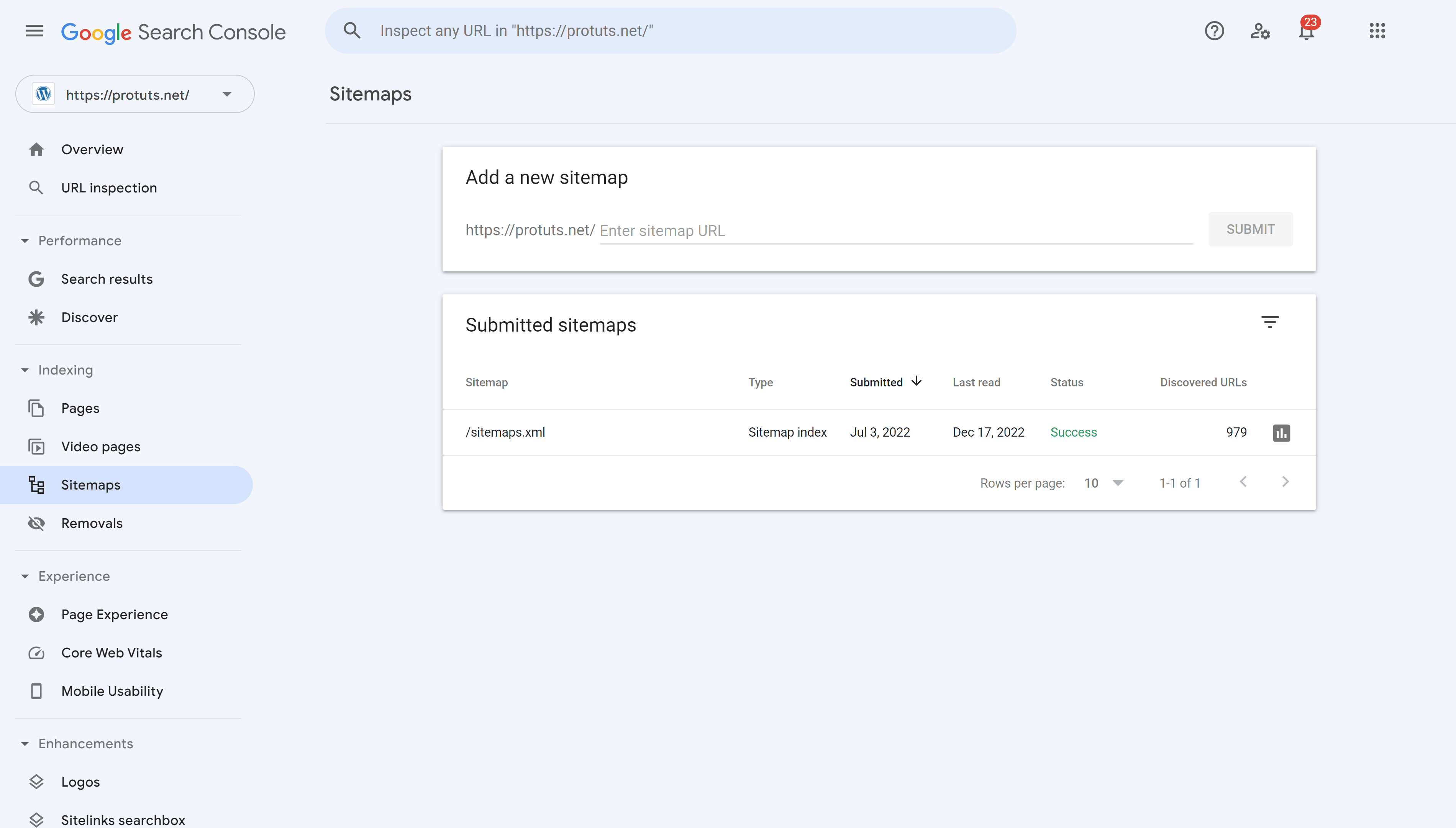
Search engines achieve optimal page discovery through XML sitemaps which present their key pages to surfacing. The website directory functions as a guide which directs bots to content that increases visibility and search engine ranking. You should begin your sitemap optimization process through XML sitemap creation which your content management system supports through available tools and plugins. The content must include all main pages you need for indexing which includes service pages and blog posts and important landing pages while excluding any repeated or unimportant URLs.
The process starts with sitemap creation which requires you to submit the document to Google Search Console and Bing Webmaster Tools. This action enables search engines to understand your website structure better which enhances their ability to crawl your content. Your sitemap requires regular updates to match your website growth by including all fresh content and all website modifications and deleted pages. The minor technical components of sitemaps and robots.txt files actually function as essential elements which determine how effectively search engines explore and interpret your website content.
5. Test Keywords and Rankings
The complete technical assessment needs to be completed before you can start testing your website performance in search result displays. Keyword rankings deliver essential information which shows your current visibility status and enables you to evaluate your SEO success. The practice of consistent ranking tracking through weekly or monthly or quarterly intervals enables you to spot patterns and track achievements and find sudden ranking drops which signal potential problems. The process delivers essential support for your continuous search performance advancement throughout different time periods.
The process becomes more efficient when you use dependable SEO tools. The tools from Ahrefs and SEMrush and Moz Pro present comprehensive data about keyword rankings and search traffic numbers and competitive landscape and overall performance metrics. The tools enable you to monitor your rivals’ ranking positions while identifying fresh keyword possibilities. The process of keyword performance assessment enables you to understand which parts of your strategy succeed and which areas require enhancement. The data-driven approach enables you to enhance your SEO strategy by optimizing low-performing pages while sustaining your visibility in search engine results pages (SERPs).

6. Check HTML Markup and Titles
The search engines use HTML markup and page titles to understand your content while establishing its ranking position. A well-structured page enables crawlers to recognize your information hierarchy while maintaining visibility through better indexing.
Headings need proper usage to establish content structure through H1, H2, and H3 headings. The elements create a path for search engines to navigate your page while helping users read the content better. The content needs to follow a logical structure which establishes distinct sections that connect from one section to the next.
Meta tags are equally important. Each page should have a distinct meta title and description which accurately describes the content while including essential keywords. The titles need to be brief yet persuasive which matches search intent while the descriptions must drive users to visit through search results.
The technical audit requires experts to examine HTML elements in order to confirm their compliance with established industry standards. The team provides optimization recommendations to resolve issues which include missing tags and duplicate titles and structural problems.
Links need to be monitored because they include both inbound links and outbound links.
A technical SEO audit requires link analysis as a vital procedure. The website gains authority through inbound links and outbound links which affect its credibility and search engine optimization performance.
7. Monitor Inbound and Outbound Links
External websites create inbound links which also known as backlinks to direct users to your webpages. Reputable sources provide high-quality backlinks which help search engines recognize your content as trustworthy and valuable. Your rankings will suffer because of low-quality links which include spammy links.
Outbound links refer to website links which you use to direct visitors toward external online destinations. The practice of linking to authoritative sources establishes content credibility while offering users extra benefits.
Website owners need to conduct regular broken link checks because broken links create problems for both users and website crawlers. Your website maintains its technical health through link fixes because they create uninterrupted browsing paths.
The process of managing inbound and outbound links helps you build a strong link profile which boosts your domain authority and enhances your search engine performance.
8. Review Content Quality and SEO Features

While technical elements like site speed and structure are essential, content quality remains the backbone of any successful SEO strategy. Search engines prioritize content that is helpful, relevant and valuable to users, making it a critical part of your technical site audit.
Content quality assessment requires more than mere keyword evaluation. You need to assess how well your content serves user intent and whether it delivers meaningful information. High-quality content should be clear, engaging and aligned with your audience’s expectations.
Key factors to consider include writing quality, readability and overall copy style. Your brand should maintain a consistent tone of voice while you create messaging which users can easily understand while also keeping them interested. Proper keyword optimization is also important, ensuring your content aligns with current organic search trends without appearing forced or unnatural.
Correct grammar and spelling and punctuation need to be checked during the reviewing process. Minor errors create problems because they damage credibility which makes your audience less likely to trust you. Well-polished content strengthens brand authority and enhances user experience.
The combination of technical SEO together with high-quality content produces a significant improvement in search engine rankings which develops over an extended period. Businesses that consistently invest in both areas often see steady growth in keyword visibility and organic traffic.
9. Take Action Based on Findings
The next step after completing your technical SEO audit is to put your findings into action. The process of identifying issues requires two steps because the actual results emerge through implementation of your discovered problems.
Start by prioritizing tasks based on their potential impact. The team should concentrate on making alterations which will help them achieve their website goals and satisfy their users. The most important tasks should start with fixing critical technical errors and optimizing high-traffic pages before addressing minor improvements.
The team needs to identify which solutions will deliver immediate benefits versus which ones will create ongoing advantages. The combination of short-term fixes with long-term strategies creates a method which produces immediate results while establishing future growth. The balanced approach produces immediate benefits while creating pathways for future development.
You need to evaluate all risks before you start making any alterations. Your website updates will create changes which impact user experience and functionality and security unless you manage them correctly. Planning and testing need to be conducted carefully because they protect against interruptions.
The process can become more efficient when you use professional SEO audit services. Their expertise allows them to locate problems faster and create solutions which help your business goals. The process of turning audit insights into actionable steps leads to improved site performance and enhanced search rankings and broader online visibility.
Find and Fix SEO Issues With Bloom
Technical SEO auditing requires multiple steps starting from website structure assessment through content quality enhancement and performance tracking. The process requires more than fixing technical problems, because it needs a complete approach which will improve website operation, search engine ranking, and user experience delivery.
When you try to handle everything by yourself, your workload becomes too much to handle because you already have several important tasks to handle. Bloom provides its services at this point.
Bloom offers complete technical SEO audit services which help websites discover their hidden problems that prevent them from reaching their full potential. Our solution provides more than simple surface-level problem resolution. We conduct a complete analysis of your website structure to discover all crawl and indexing issues while we assess backlink profiles and enhance on-page elements to ensure your site meets all search engine optimization standards.
Our team works to optimize site performance by enhancing website speed and improving mobile device compatibility while making sure all your content reaches top quality requirements. By combining technical expertise with strategic insights, we help you build a strong foundation for long-term SEO success. We develop custom solutions that meet your business objectives, which will help you achieve higher search engine rankings and greater organic website traffic and better usability for your site.
Bloom provides SEO solutions that remove all uncertainty through our partnership with your company. Our team will discover your website problems, apply efficient solutions, and help your website reach its maximum operational capacity.

Neetu Wadhwa is the Director of Bloom Agency, a Mumbai-based full-service digital marketing and web development company. With a strong focus on performance, innovation, and strategy, she leads the agency in delivering SEO, web design, and growth marketing solutions that drive measurable business outcomes.







Rahul M.
B2B Service Provider