
Getting visibility in search engines isn’t something you just do once, it takes time, effort, and usually a plan for SEO strategy. Most businesses end up putting a lot into content creation, website tweaks, and link building so they can climb higher and bring in real visitors. But then, all that momentum can get kinda interrupted if a website gets hit by a Google penalty and suddenly, rankings…well, they don’t behave the same.
A Google Penalty recovery service can cut your search visibility down a lot, lower organic traffic, and even mess with lead generation. Sometimes a site can drop rankings for its most valuable keywords almost overnight. That’s why it matters to understand how these penalties work, why they happen, and what it takes to bounce back, especially if search traffic is a big part of your business.
At Bloom, we help businesses spot SEO risks, raise website quality, and stay aligned with Google’s guidelines so growth feels more steady, not fragile.
What Is a Google Penalty?
A Google penalty, also called a manual action, happens when Google’s review team decides your website is breaking their search quality guidelines. The whole point is to stop sites from manipulating search results using deceptive, spammy, or low-quality SEO tactics.
And unlike algorithm updates, which happen automatically based on changes in Google’s systems, manual penalties come from human reviewers who evaluate the site more directly.
Once a penalty is issued, Google usually tells the site owner through Google Search Console. Depending on what’s wrong, it may impact certain pages, a specific section, or sometimes, the entire domain. Overall the goal is user protection: better content, fewer tricks, and search results that stay trustworthy and useful.
How Google Detects Violations
Google doesn’t rely on one thing only. It uses a mix of advanced algorithms plus human reviewers to find websites that violate the rules.
Automated systems are always scanning billions of webpages, looking for suspicious patterns like unnatural link profiles, keyword manipulation, spam content, cloaking, and deceptive redirects. If something looks off, human reviewers might step in to dig deeper and confirm what’s going on.
So you get tech enforcement plus human oversight, which helps Google keep pushing quality standards across the web and steadily improve spam detection.
Common Reasons Websites Receive Google Penalties
A lot of site owners do these things without realizing they are risky. So understanding the triggers is usually the best first move.
Unnatural Backlinks
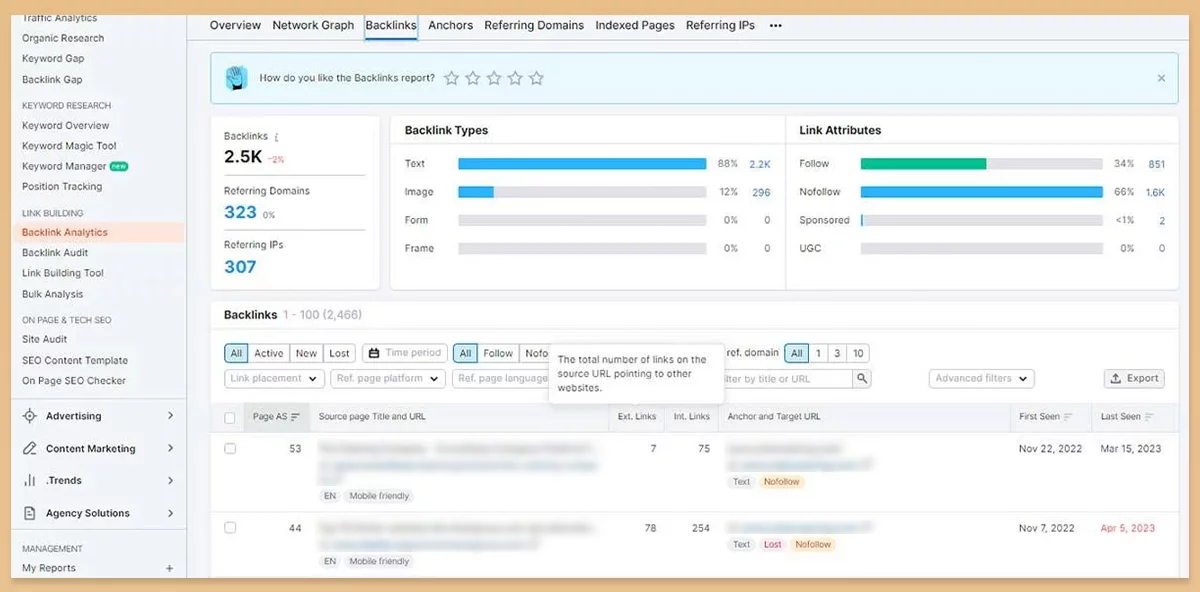
Unnatural backlinks are one of the biggest reasons penalties happen. Google expects links to be earned naturally, through helpful content and real recommendations. If a site buys links, joins private blog networks, trades excessive links, or runs manipulative link-building schemes, Google may interpret that as a way to artificially steer rankings. When the penalty is tied to unnatural backlinks, it can seriously weaken authority and reduce visibility in search results.
Thin Content
Thin content is basically pages that don’t really help users much. These pages might be nearly empty, include duplicated text, or be created mainly to hit keywords without real depth. Google favors content that shows expertise, usefulness, and relevance. Websites with lots of shallow pages often lose traction in rankings, and if it’s broad enough it can lead to a manual action.
Keyword Stuffing
Keyword stuffing is what happens when someone repeats target keywords over and over in a page, just to try to boost rankings. Keywords still matter for SEO, but if you overuse them, the experience becomes worse, and the page starts looking like manipulation to search engines. Modern SEO is more about natural language, topic relevance, and matching user intent rather than just repeating keywords like they are the only thing that matters.
Cloaking, and in general misleading stuff
Cloaking is basically when a site shows one kind of content to search engines and then, at the same time, users get another version. The point is that it tries to mess with rankings while, kind of quietly, keeping the real intent of the page hidden. And yeah, this is usually viewed as deceptive, not just “creative optimization” or something.
Google handles cloaking like a serious problem, because it undercuts trust, and it makes the user experience feel false or off. So it’s not just a technical issue, more like a trust thing.
User-generated spam
A lot of sites let people add comments, post on forums, write reviews, or share other contributions. But without decent moderation, those areas can turn into a spam magnet—spam links, low quality content, the whole deal.
Google can penalize websites that don’t manage this properly because it damages the overall quality signal. In practice, it makes the site less reliable as a destination.
Structured data abuse
Structured data is meant to help search engines read content and show richer results, like enhanced snippets or better context. Still, some sites misuse schema markup, and then they end up serving misleading details, or they try to tweak how search listings look.
When structured data is wrong, or it’s deceptive on purpose, it can result in manual penalties. Also, you can lose eligibility for rich results, which is a big visibility hit.
The Impact of Google Penalties
When Google applies a penalty, the consequences can be pretty severe, and they tend to spread out in several directions.
First off, search visibility usually drops fast. Rankings that were built over months, or even years, can vanish within days. After that, organic traffic often falls hard. If a business depends on search for leads, this may mean fewer inquiries, fewer conversions, and revenue that keeps sliding.
Even brand credibility can take damage. Users want to see trustworthy websites ranking well. So when your visibility drops, people may start doubting your authority, reliability, and overall reputation.
In the worst cases, Google can remove pages or even an entire domain from the index. If that happens, the affected pages won’t show up in search results at all, no matter how relevant they were. Recovery is possible, but it usually takes a lot of work, time, and patience, sometimes more than people expect.
Manual Penalties Vs algorithm updates
Lots of website owners mix up manual penalties and algorithm updates, mostly because both kinds can cause ranking drops and yeah, traffic falls. But it’s a bit more tangled than that, in a good way, because they are not the same thing.
Manual penalties happen because Google’s review team actually takes direct action. Usually the site owner gets a notification, and that note lays out what went wrong, then it lists the steps to fix it. There’s a kind of “human check” behind it.
Algorithm updates, on the other hand, happen on autopilot, when Google changes or tunes how its ranking systems work. When that shift occurs, websites are affected depending on how well they match the newer ranking expectations.
One of the biggest differences is recovery. Manual penalties generally mean you must fix the problem first, then you also submit a reconsideration request before recovery can even be considered. With algorithm-related ranking changes, things often get better over time once the website improves content quality, and user experience too, no formal request required.
That difference matters a lot if you’re trying to diagnose a traffic decline, because the “fix path” is not identical.
Warning Signs of a Google penalty
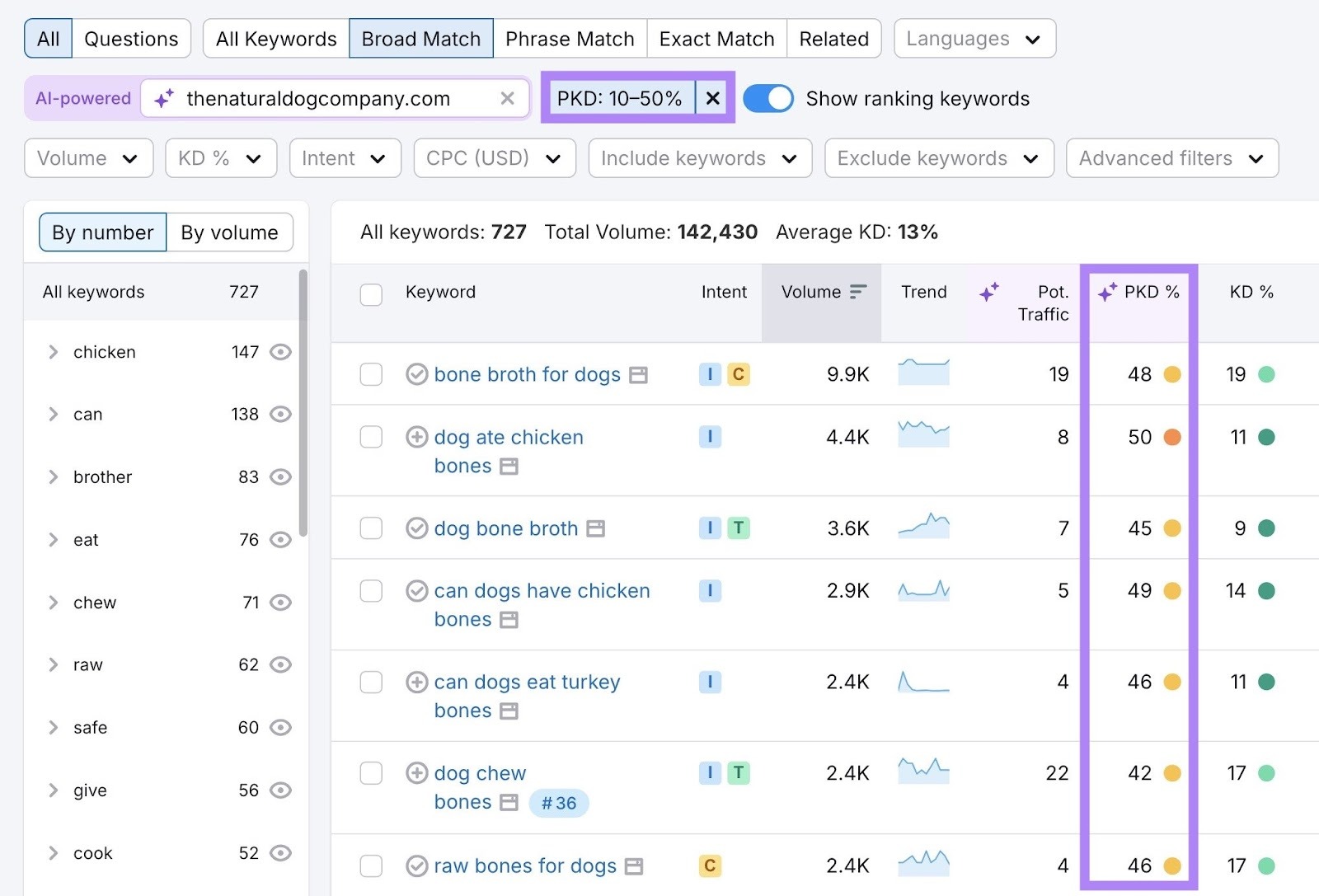
Some signs can point toward a penalty, but you still have to confirm it. A sudden, pretty major drop in organic traffic is often the first clue. If rankings for several keywords vanish around the same time, you’ll want to dig deeper, not just shrug it off. Another warning signal is a sharp decline in indexed pages. You can search your domain in Google to see if key pages still show up. If the index looks “thinner,” that’s a strong hint that something is wrong.
Also, Google Search Console should be checked any time ranking declines show up. If there’s a manual penalty, Search Console can show Manual Actions notifications and that basically confirms it. Finally, regular performance monitoring helps catch issues early, before they turn into bigger visibility problems.
How to Identify Penalty Issues
The fastest and most reliable way to identify a penalty is using Google Search Console. Inside the platform, you’ll find the Manual Actions area. If Google spots violations, you’ll get a detailed explanation plus examples of which pages are impacted. Reading those reports closely helps pinpoint the real cause, not just “a likely guess.”
Beyond that, running comprehensive website audits is a smart move. Content quality issues, technical faults, and backlink problems can all contribute, even when you’re not fully sure which one is driving the problem.
At Bloom, our SEO specialists run thorough audits that surface both obvious and hidden factors affecting search performance.
Recovering from a Google Penalty
Getting back after a Google Penalty recovery service takes a deliberate, step-by-step approach. Start by identifying every issue mentioned in the manual action report. If you only fix a part of what Google references, reconsideration requests can fail, even if you improved something.
For backlink-related penalties, focus on harmful links first. Remove them when possible. If you can’t remove everything directly, outreach may be needed to ask external sites to take links down.
For content-related penalties, you’ll usually need to improve or remove low-quality pages. Thin content should be expanded with truly helpful details, while duplicate pages may need to be consolidated or rewritten so they aren’t redundant.
If the issue is technical—like cloaking, deceptive redirects, or structured data abuse—then it must be corrected fully, not half-way, and not “close enough.” After you’ve resolved everything, submit a reconsideration request. In that request, explain exactly what you changed, and be clear about the corrective actions you took.
Transparency matters here. Google wants proof the issue is genuinely fixed and unlikely to repeat. The review can take a while, often several weeks, depending on how complex the case is.
Creating high-quality content to avoid penalties
Content quality is still one of the best protections against Google penalties. Each page should have a clear reason to exist, and it should provide real value to visitors. Good content answers questions, solves problems, and shows expertise in the topic, not just generic filler.
Publishing information that is accurate, thorough, and engaging helps build trust with both users and search engines.
It’s also smart to refresh content regularly. Regular updates signal that your site is active and still relevant, which tends to align with how modern ranking expectations work. Businesses that consistently invest in quality content typically face fewer penalty situations.
Building a healthy backlink profile
Backlinks matter a lot for rankings, but quality is usually more important than sheer volume. A healthy backlink profile includes links from relevant, trustworthy sources that connect naturally to content people genuinely want to reference. To build links safely, focus on earning them through exceptional resources, real industry connections, digital PR activities, and authoritative content that others would cite. Monitoring backlink profiles regularly is also important, because it helps you spot potentially harmful links before they become a bigger risk. If link-building stays sustainable, it tends to support long-term SEO success while keeping the penalty risk lower.
Maintaining Technical SEO Health
Technical SEO is the base layer for strong search performance. When your technical setup is solid, search engines can crawl your site, interpret your content, and index it efficiently.
Things like fast load times, HTTPS security, clean site structure, and mobile-friendly design all improve user experience, and that usually supports better visibility too. Technical audits, done regularly, can reveal problems such as broken links, crawl errors, duplicate pages, indexing problems, and sitemap inconsistencies. Addressing these items early helps reduce the chance of search visibility issues turning into something worse.
The importance of ongoing SEO monitoring
SEO isn’t a one-time project. Search guidelines and ranking signals evolve constantly, so ongoing monitoring is necessary.
Track keyword rankings, traffic patterns, backlink growth, technical health, and content performance on a regular basis. Catching problems early helps you fix them before they escalate into major penalties or long-term ranking losses. And continuous monitoring also creates chances for steady improvements and better competitive momentum.
Future-proofing your website against Google penalties
The best way to reduce the chance of Google penalties is to prioritize users, not just search engines. Websites that deliver meaningful content, strong user experiences, and ethical SEO practices tend to be far less vulnerable to penalties, even as algorithms and systems shift over time.
Ensure your Website is Secure and technically Optimized
Technical SEO matters a lot for staying visible in search and also keeping your website from ranking hiccups. A lot of people focus on the content and backlinks, but honestly a site that’s technically in good shape is what lets search engines crawl, understand, and rank your pages without headaches.
When your website is technically optimized, you get two big wins. First, search engines can reach your pages, crawl them, and then index the content without obstacles. Second, users get a smoother experience because performance feels quicker, navigation is calmer, and security is in place. If visitors can find what they need fast and don’t get stuck, they tend to hang around longer, interact more, and yes, move toward customers.
At Bloom, we treat technical SEO as the base layer for long-term search success. Regular technical audits help spot hidden problems, the kind you don’t always notice, that can slow down rankings, mess with user experience, and reduce overall site performance.
Improve Website Speed and Performance
Page speed is one of those technical SEO factors that never really goes away. People expect pages to load quickly, and even a small delay can raise bounce rates and weaken engagement.
Slow pages frustrate visitors. And from a search engine perspective it can look like weak user experience too. Over time this may harm rankings and make organic visibility less consistent. Better image optimization, removing unnecessary code, using caching, plus strengthening server performance all help page speed and overall website efficiency.
A fast website supports SEO, but it also boosts conversions and makes customers happier, so it works on multiple fronts.
Eliminate Duplicate Content Issues
Duplicate content happens when near-identical or identical content shows up on several pages within the same website. This can confuse search engines , because they aren’t sure which version should rank in results.
Also, duplicate content can spread out link equity and ranking signals across multiple URLs. That dilution can weaken overall search performance and create indexing inefficiencies, like wasted crawl budget.
Businesses should keep checking for duplicate pages, product descriptions, category text, and URL variations that repeat too much. Using canonical tags and keeping a clear content structure can reduce duplication and help search engines better understand what belongs where.
Secure Your Website with HTTPS
Security is a trust signal for both users and search engines. HTTPS encryption helps protect information shared between visitors and your website, so browsing feels more secure.
Search engines often treat HTTPS as a positive ranking signal, since it shows a real commitment to user safety. Sites without proper security certificates may trigger browser warnings, and people usually leave when that happens.
At Bloom, we recommend making sure every page is served via a secure HTTPS connection. This strengthens protection while also improving trust, credibility, and search visibility.
Optimize Crawlability for Search Engines
Search engines depend on crawlers to locate and evaluate your content. If technical issues block those crawlers from reaching key pages, your pages might not show up in search results even if the content is good.
Crawlability issues often include broken internal links, wrong robots.txt setups, server errors, redirect chains, and noindex directives that are applied incorrectly. Any of these can stop search engines from grasping your website structure and content hierarchy.
Regular technical SEO audits help uncover crawl barriers, and make sure search engines can access the important pages across your site.
Monitor Indexing Health
Indexing is whether search engines actually store your pages and decide to show them in search results. Good content still won’t rank if it never gets indexed properly.
Indexing problems can happen when important pages are excluded from Google’s index. Or when low-value pages get indexed when they really shouldn’t. Both scenarios can hurt site performance and reduce crawl efficiency.
Keep an eye on index coverage reports, and review indexed URLs often. That helps ensure search engines focus on pages that matter most to your business. When indexing stays healthy, visibility improves and rankings tend to follow.
Maintain an Accurate XML Sitemap
An XML sitemap is like a roadmap that helps search engines find important pages. It also gives helpful clues about site structure, and it can highlight new or updated content that should be crawled sooner.
When sitemaps are maintained well, crawls get more efficient and the chances improve that search engines index key pages quickly. But if a sitemap is outdated, incomplete, or messy, it can confuse crawlers and reduce content discovery.
Businesses should review the XML sitemap routinely to confirm it reflects current website content and excludes unnecessary, low-value, or irrelevant URLs.
Technical SEO as a Long-Term Growth Strategy
Technical SEO isn’t something you do once and forget. Websites change all the time through content updates, design tweaks, new plugins, and platform or theme modifications. Every change can introduce technical problems that affect search performance.
Ongoing monitoring and maintenance keeps issues from quietly building up until they hurt rankings or user experience. By sticking to technical SEO best practices, businesses can create a stronger foundation for stable, sustainable organic growth.
Google Penalty FAQs
How Long Does a Google Penalty Last?
There is no fixed timeline for a Google penalty, like none at all really. A manual action usually stays put until all the identified issues are cleaned up and Google says “ok” after you send a reconsideration request. The whole recovery period kinda depends on what the violation actually was, how large the website is, and how fast your team can implement corrective actions , without dragging it out.
In some cases, things can improve within a few weeks after a review request works. But the more complicated scenarios—like massive link spam, thin content, or technical violations—can easily take several months of effort before rankings start to budge again. And even when the penalty is removed, getting your lost organic traffic and keyword rankings back may still take extra time because Google re-checks how trustworthy and authoritative the site appears, basically re-rating everything.
Since penalties can seriously mess with leads, conversions, and revenue, it is smart to deal with any manual action as soon as possible. At Bloom, we suggest doing a full SEO audit right after you get the notification, so you can spot every contributing factor and map out a recovery plan that’s actually structured (not vague and hopeful).
Can Google Ban Your Website?
Yes, Google can remove a website entirely from its search index if it finds serious issues in its guidelines. This is often called de-indexing, and it stops the site from showing up in Google search results altogether.
Usually the worst violations are the ones built to game rankings or cause harm to users. Think of things like large-scale spam campaigns, malware distribution, cloaking, deceptive redirects, automated content scraping, and private blog network schemes. When Google decides a site is a real threat to search quality or user safety, it can apply the strongest penalties available.
Complete de-indexing isn’t super common, but it’s a loud reminder that ethical SEO matters and that you should follow Google’s Search Essentials guidelines. Businesses that focus on user experience, solid content, and honest optimization tactics are much less likely to get slapped with major penalties.
What Is Google Penalty Recovery?
Google Penalty recovery services is basically the work of finding, fixing, and closing the problems that triggered the manual action. The intention is to regain visibility, restore rankings, and bring organic traffic back, while also staying compliant going forward with search engine rules.
Recovery typically starts with a deep review of the penalty notice and the pages involved. After that, site owners have to address every reported issue , whether that means low-quality content, spam signals, unnatural backlinks, technical SEO headaches, or deceptive practices.
After all the needed changes are made, you can submit a reconsideration request to Google. In the request, you explain what you changed and show a genuine commitment to compliance. Then Google’s review team evaluates it and decides whether the penalty gets lifted.
Working with seasoned SEO professionals can speed things up a bit and help make sure everything is properly resolved. Bloom focuses on thorough SEO audits, backlink analysis, content enhancements, and technical SEO fixes that support effective penalty recovery and stronger long-term performance.
A Future Without Google Penalties?
The best way to avoid Google penalties is to commit to sustainable SEO. Websites that deliver real value to people, publish dependable content, keep technical standards tight, and earn links naturally tend to do better over the long run.
Search engines keep evolving, and they now weigh expertise, trustworthiness, user experience, and content quality more heavily than ever. When businesses adjust to those expectations, they lower the odds of penalties and build more stable ground for growth.
Regular website audits, ongoing backlink monitoring, content checks, and technical SEO reviews can flag potential problems before they become major fires. Being proactive also helps you stay ahead of algorithm updates and keep search visibility steadier.
At Bloom, we help businesses build search strategies aimed at long-term growth, not short-term wins. Our team works on SEO frameworks that follow Google’s best practices while improving rankings, traffic, and conversion chances.
The simplest way to avoid penalties is also the most obvious: put users first. If your site keeps offering helpful info, strong experiences, and real know-how, search engines are far more likely to reward you with lasting visibility and better organic performance.
Why Businesses Trust Bloom for SEO Success?
SEO is more than a rank number. It’s about building a digital presence that pulls in the right audience, supports trust, and creates measurable business growth. Bloom blends technical know-how, content planning, and data-based optimization so businesses can reach those goals while minimizing SEO risks.
From comprehensive SEO audits and penalty recovery support to content improvement and link profile analysis, Bloom brings the expertise you need to keep your website healthy and stay competitive in today’s changing search world.
Whether your goal is recovering from a Google penalty or preventing one before it starts, Bloom can help you create a stronger, safer, more sustainable SEO strategy.

Neetu Wadhwa is the Director of Bloom Agency, a Mumbai-based full-service digital marketing and web development company. With a strong focus on performance, innovation, and strategy, she leads the agency in delivering SEO, web design, and growth marketing solutions that drive measurable business outcomes.






Rahul M.
B2B Service Provider