
A website’s ranking can drop for several reasons, including algorithm updates, technical SEO issues, outdated content, backlink loss or increased competition. The precise cause should be identified at an early stage because it enables you to resolve issues efficiently while restoring lost rankings and securing permanent search visibility.
The blog will present a detailed explanation of the primary causes that result in ranking declines together with their step-by-step solutions.
What Factors Have Caused My Website Ranking Decline?
The most common and frustrating question website owners ask is “Why has my website ranking dropped?”
The decline in your rankings occurred because search engines evaluate websites through their entire assessment process, which includes hundreds of evaluation criteria. Your website’s minor issues will increase their impact on your search engine rankings as time progresses.
The following list presents the main explanations for your website ranking decline together with the corresponding solutions.

- Google Algorithm Updates
Search engines implement algorithm updates to enhance their ability to provide users with relevant and high-quality search results. The ranking system of your website will experience major changes when you fail to meet the current quality requirements.
Your ranking decrease results from a recent algorithm update which directly affected your website. The updates create changes that affect content quality while assessing the experience of web pages and their inbound links and compatibility with mobile devices.
How to fix: Track algorithm updates while assessing your website against current industry standards for SEO agency. The team should enhance the content quality and user experience while improving the technical aspects of their product.
Tip: Use MozCast and SEMrush Sensor and Google Search Status Dashboard to monitor changes in algorithm patterns.
- Your Competitors Are Doing Better SEO
The improvement of competitor SEO activities causes your ranking decrease because your website performance remains constant.
They produce better content which targets more relevant keywords while building stronger backlinks.
How to fix: Conduct competitor analysis regularly. Discover their superior skills to boost your own performance through enhanced strategic development.
Tip: Use Ahrefs and SEMrush and SpyFu to conduct analysis on competitor keywords and backlinks and content approach.
- Technical SEO Issues
Search engines face difficulties in crawling and indexing your website because unknown technical issues exist.
Common issues include:
- Broken links
- Slow loading speed
- Mobile usability errors
- Duplicate or thin content
- Incorrect robots.txt or noindex tags
- Sitemap or crawl errors
How to fix: The organization needs to conduct technical SEO audits at regular intervals to discover and fix existing problems.
Tip: Use Screaming Frog and Google Search Console and Sitebulb to discover and resolve technical issues before they become major problems.
- Poor Content or Thin Pages
Search engines fail to rank content which lacks both essential information and important relevance and beneficial value. Search engines prioritize content that genuinely helps users.
Warning signs include:
- Very little content on a page
- Outdated information
- Keyword stuffing
- Poor structure and readability
How to fix: The organization needs to enhance content via detailed and organized delivery of practical information.
Tip: Use clear headings (H1, H2, H3), add visuals and update older content regularly to keep it fresh and competitive.
- Loss of Backlinks
Backlinks serve as a critical determinant for website ranking positions. The removal of authoritative backlinks leads to diminished site authority which results in lower ranking outcomes.
Common reasons include:
- Deleted linking pages
- Removed links
- Penalized linking websites
How to fix: The organization needs to monitor its backlink profile while attempting to retrieve any lost links that can be restored.
Tip: Use Ahrefs and Majestic and SEMrush to monitor existing backlinks while developing new partnerships through outreach and content initiatives.
- Website Redesign or Platform Change
Your rankings dropped because SEO components experienced changes during the redesign process and platform switch.
Common issues include:
- Missing redirects
- Changed URLs
- Lost metadata
- Indexing errors
How to fix: The organization needs to perform SEO migration through established procedures to ensure proper implementation.
Tip: Set up 301 redirects, update internal links, retain metadata and submit a new sitemap through Google Search Console.
- Manual Actions or Google Penalties
A manual penalty will result from your website breaching search engine rules which will lead to major ranking decreases.
The following factors can cause this situation to occur:
- Spammy backlinks
- Hidden content
- Keyword stuffing
- Low-value pages
How to fix: Search Google Search Console to find manual actions and follow the steps to fix the problem.
Tip: Remove harmful links and enhance content quality before submitting a reconsideration request to restore access.
- AI Overview Visibility Shift
Search behavior is evolving with the rise of AI-generated answers. Direct search results displacing your rankings causes your website traffic to decrease.
This can lead to:
- Lower click-through rates
- Reduced organic traffic despite stable impressions
- Less visibility in traditional listings
How to fix: Transform your content into an optimized format which supports AI-based search.
Tip: The content should include clear headings and brief answers and organized information. Topical authority needs to be established in order to improve chances of receiving AI-generated summary features.
The relationship between content quality and Google ranking position shows that content quality determines most SEO ranking factors. Search engines operate by giving priority to content which proves to be useful and relevant and trustworthy because this approach delivers the most valuable search results to users.
High-quality content does more than enhance search engine rankings because it also boosts user engagement while establishing domain authority and generating continuous organic traffic.
The content quality analysis shows its impact on rankings while presenting essential elements for your evaluation.
1. E-E-A-T: Experience, Expertise, Authoritativeness and Trust
Search engines evaluate content using E-E-A-T principles, which play a major role in determining whether your content deserves to rank.
Experience: Content should reflect real-world knowledge or firsthand experience. Pages created by individuals who have practical exposure to a topic are considered more credible and useful.
Expertise: Your content should demonstrate a strong understanding of the subject. This is especially important in industries like finance, health or technology, where accuracy and depth matter.
Authoritativeness: Authority is built over time through consistent, high-quality content and strong backlinks from trusted sources. Websites recognized as industry leaders tend to perform better in search results.
Trust: Trust is one of the most important factors. Secure websites (HTTPS), transparent information and accurate content all contribute to building user and search engine trust. Sites that provide misleading or unreliable information risk losing rankings.
Tip: Focus on creating well-researched, accurate and experience-driven content. Showcase expertise and maintain transparency to build long-term authority.
2.Why Duplicate or AI-Generated Content Can Hurt Rankings
While content creation tools and automation can speed up production, relying too heavily on them can negatively impact SEO performance if not handled properly.
Duplicate Content: Search engines prefer original content. When multiple pages contain similar or identical information, it creates confusion about which page should rank.
This can lead to:
- Lower visibility
- Split ranking signals
- Reduced authority
To avoid this, ensure every page provides unique value and serves a distinct purpose.
The AI tools support content creation process, but human expertise remains essential. Content needs proper editing and insightful analysis to achieve its full potential because unedited content will result in shallow and nonoriginal and unattractive results.
The main problems which occur with unprocessed AI outputs include:
The content contains repetitive information which lacks uniqueness. The content does not provide any actual insights about real-world situations. The content fails to engage users effectively. The content consists of pages which provide minimal value to users.
How to fix: AI should function as a support tool which helps users in their work. All AI-generated content requires refinement through content expansion and quality control processes to reach acceptable standards.
Tip: The combination of AI efficiency should work together with human creativity and human expertise. The method enables content production at scale while preserving originality in work.
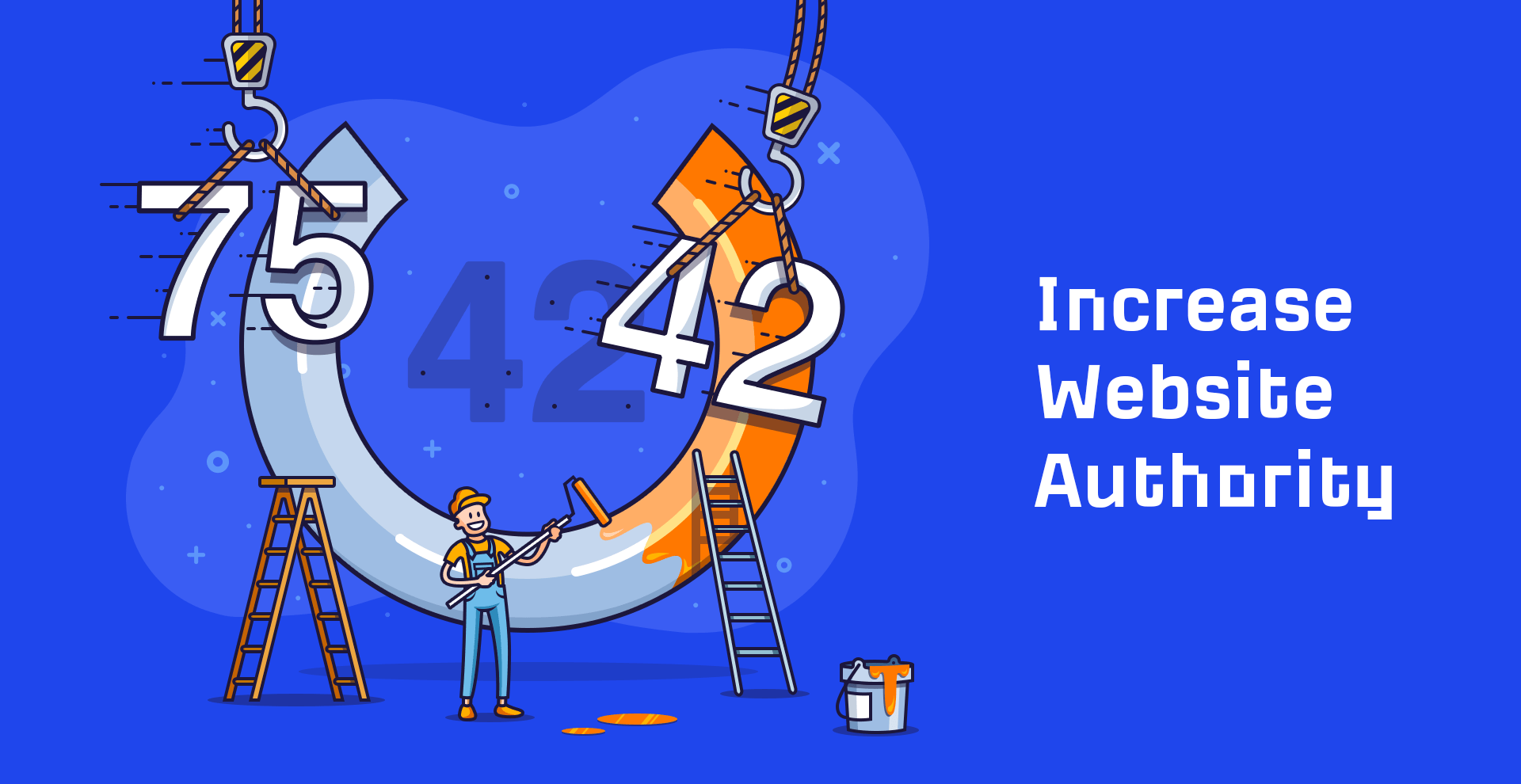
Real Results: Recovering Rankings and Driving Growth
We worked with a client whose keyword rankings and organic traffic showed steady decline throughout multiple months. Their high-performing keywords decreased from top 5 rankings to page two, which resulted in less visibility and fewer inquiries and conversions for their business.
Our SEO audit discovered multiple issues which were created by their outdated content and weak backlink profile and slow page speed and technical indexing problems.
The team had a specific mission to restore lost rankings while establishing regular organic growth.
We executed a detailed SEO strategy to reach our goals with the following structured implementation.
- The team resolved technical SEO problems which helped develop better website crawling and indexing capabilities.
- The team improved existing content by executing better keyword targeting and achieving higher quality standards.
- The team improved site structure by creating stronger internal links.
- The team built high-quality backlinks which helped restore domain authority.
Results Within 90 Days
The improvements showed their effects within a brief time period.
- Organic traffic stabilized and began to show upward growth.
- Multiple keywords moved from the top 3 to the top 10 positions.
- The team achieved consistent improvement in overall keyword visibility.
- The website established steady growth which allowed it to maintain its upward progress.
The drop demonstrated sustained website traffic which brought about long-term SEO stability for the business.
Fix Ranking Drops with Expert SEO Support by Bloom Agency
A ranking drop functions as an indicator that your website requires better optimization work updated content needs and stronger optimization work.
With the right approach, you can not only recover lost rankings but also build a more stable and scalable SEO foundation.
Bloom Agency provides complete SEO solutions which allow organizations to restore their search visibility and achieve greater online exposure. Our approach includes in-depth audits, technical optimization, competitor analysis, content improvements and strategic link building.
We focus on delivering consistent, measurable results that drive long-term growth.
Website owners who notice their rankings decreasing should begin their restoration process immediately.
Get in touch with Bloom Agency today and start rebuilding your organic traffic and search performance.

FAQs
Why did my Google ranking drop dramatically after launching a new website?
Website migration problems lead to this common issue. The most common problems arise when people fail to implement 301 redirects which lead to path changes and data loss and monitoring problems. The elements must be managed correctly because search engines require proper handling to evaluate your new site.
Can my rankings drop even if I haven’t changed anything on my website?
Yes, rankings can drop even without changes on your end. Competitors will enhance their SEO methods while search engines will introduce new algorithm modifications. User behavior and search intent changes will cause rankings to fluctuate throughout time.
How do I check if a Google update caused my rankings to drop?
You can track updates using tools like Google Search Status Dashboard, SEMrush Sensor or MozCast. You should check when your ranking dropped and compare it against the times when algorithm updates occurred to find possible connections.
Why is my website ranking going down slowly over time?
A gradual decline usually indicates outdated content, increasing competition, declining backlinks or weak SEO strategy. The situation might develop because of low user activity together with website functions that operate at decreased speed.
How do I fix my website ranking after it drops?
Begin the process with an SEO audit that helps you discover the primary reason for your problem. The process requires you to repair technical faults while you create new content and build missing backlinks and improve your website for users.
How long does it take to recover from a ranking drop?
The recovery duration depends on what caused the drop. The recovery period lasts between weeks for minor problems and several months for major issues that include penalties and algorithm changes.
Should I hire an SEO agency if my rankings have dropped?
The hiring of an expert SEO agency becomes necessary when you fail to discover the problem origin and you lack the necessary skills to solve it. The professional team will quickly find all problems and fix them while they restore your website to its previous performance level.

Neetu Wadhwa is the Director of Bloom Agency, a Mumbai-based full-service digital marketing and web development company. With a strong focus on performance, innovation, and strategy, she leads the agency in delivering SEO, web design, and growth marketing solutions that drive measurable business outcomes.





Rahul M.
B2B Service Provider