
Every day, millions of people open websites using web browsers. Whether you are reading the news, shopping online, scrolling through blogs, or trying to research something, there are usually two main routes to reach a page: you either search on Google, or you type a URL directly into the browser’s address bar.
A lot of internet users do not really pause and think about what’s different. But if you understand how each option actually behaves, you can end up browsing smoother, spend less time, and locate information that’s closer to what you meant.
In this little guide, we’ll look at how searching Google compares with typing a URL, what each one does well (and not so well), and when one approach tends to fit better than the other.
Understanding the Browser Address Bar
Modern browsers come with a multifunctional address bar. That area is kind of a catch-all: you can type website addresses, search terms, questions, and yes, even run small calculations.
Rather than keeping a separate search box and a separate navigation field, browsers merge both jobs into one. So when you type something in that single line, the browser tries to figure out whether you’re aiming for a website address, or you’re really doing a search query. This “one field” design has made surfing the internet feel more convenient , and also more approachable for people of all experience levels.
What Does “Search Google or Type a URL” Mean?
When you launch a browser like Chrome, Edge, or Firefox, you might notice the text “Search Google or type a URL” sitting in the address bar. It’s basically telling you there are two ways to proceed
One option is to search the web using keywords, or a question. The other option is to visit a specific site by typing its web address. For instance, if you type “best smartphones under $500,” the browser treats it like a Google search and shows results. But if you enter “www.example.com,” then you get taken straight to that site.
So both methods work, but they point you toward different outcomes depending on what you’re trying to accomplish.
Searching Google for Information
Google is still the most used search engine in the world, and that’s mainly because it helps you discover information fast. Instead of already knowing the exact website you want, you can type a topic, keyword, or question, and you’ll usually get several relevant results to choose from.
Benefits of Searching Google
Searching Google gives you this kind of flexible, handy way to find stuff.
If you dont really know where the information is located, Google will sort of point you toward different sources. That makes it easier to compare viewpoints, skim through multiple resources, and look at various angles before you decide anything.
Google search is especially helpful when:
- You’re researching topics you’re not familiar with
- You’re hunting for product reviews
- You’re comparing services
- You’re looking for educational material
- You want solutions to a problem
Like, say you want to understand website optimization. If you search for “beginner SEO company in Mumbai guide” you may end up seeing blogs tutorials, videos, and other seasoned expert references too.
Challenges of Google Search
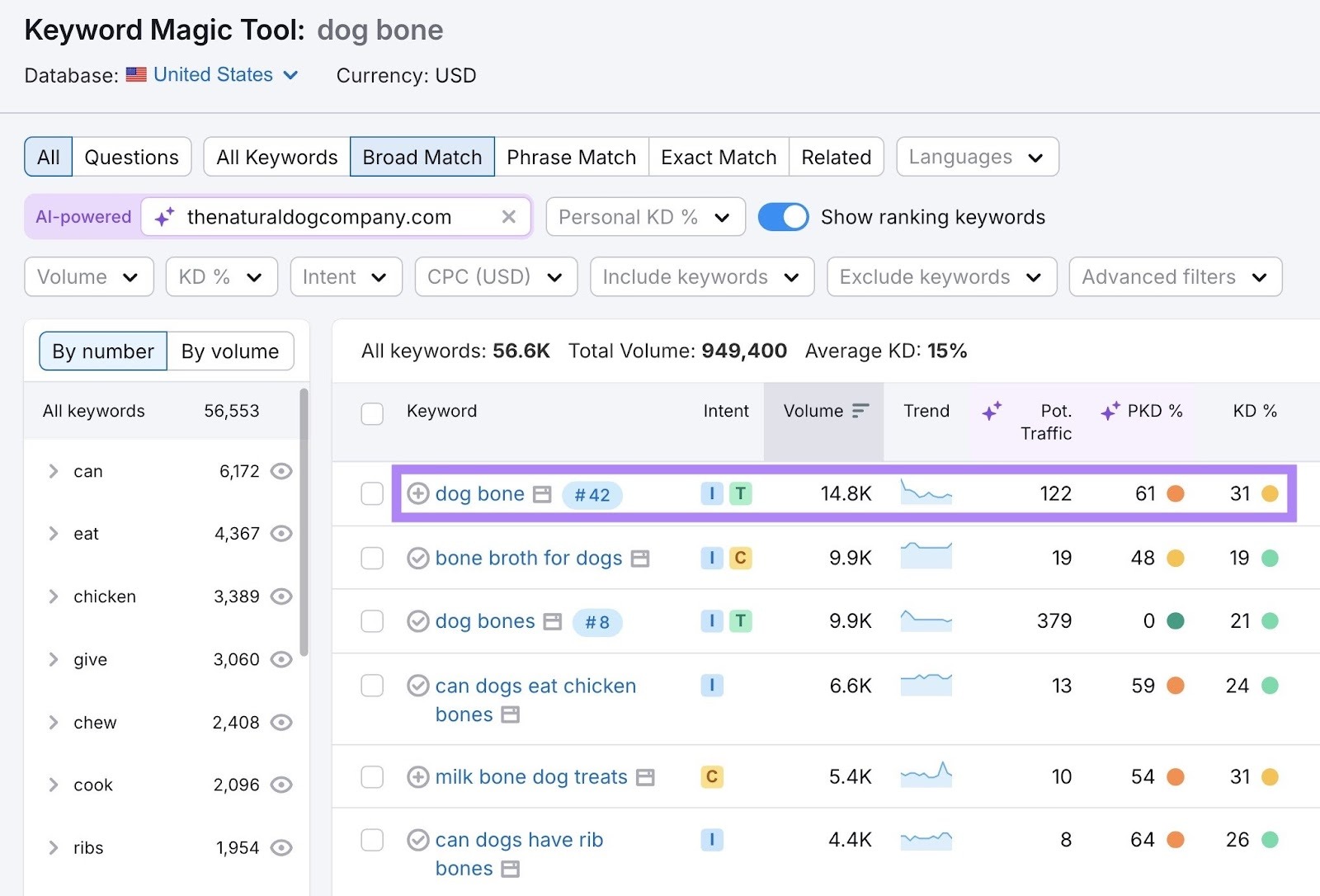
Even though search engines are strong, they’re not always the quickest shortcut to the exact destination you want.
Sometimes you have to scroll , and open several results before you finally reach the exact info you needed. In crowded or competitive industries, sponsored listings and a bunch of repeated entries can slow you down even more.
Also, if your search terms are too vague ,you might get wide results that don’t quite match what you actually meant.
Typing a URL Directly
A URL, or Uniform Resource Locator, is basically the specific address tied to a website or webpage.
When you type a URL right into your browser, you skip the whole search engine part and go to the destination right away.
For example :
- www.bloomagency.in
- www.example.com/blog
- www.website.com/contact
Direct URLs are a faster path when you already know the exact site you want to reach.
Benefits of Typing a URL
Typing a URL comes with a few clear benefits. First, it removes unnecessary search steps. Instead of reviewing results, users reach the page immediately. Second, it lowers the chance of clicking something incorrect, or stumbling into something kind of misleading.
Third, it makes things more efficient for sites you visit often. A lot of professionals prefer using direct addresses for signing in to business platforms, dashboards, email accounts, or even company websites.
Limitations of Typing URLs
The primary limitation is that you must know the exact web address. If the URL is lengthy or difficult to remember, typing mistakes can occur. Even a small spelling error may lead to an error page or a completely different website. This makes direct URL entry less practical when exploring new topics or unfamiliar resources.
Search Google vs Type a URL: Quick Comparison
| Feature | Search Google | Type a URL |
| Requires exact website address | No | Yes |
| Best for research | Yes | No |
| Fast access to known websites | No | Yes |
| Discover new resources | Yes | No |
| Compare multiple websites | Yes | No |
| Direct navigation | Limited | Excellent |
Both methods have unique strengths depending on the situation.
When Should You Search Google?
Google search is the better option when you’re looking for information but don’t know exactly where to find it.
For example, if you’re researching online marketing trends, searching relevant keywords will help uncover articles, reports, and expert insights from multiple sources.
Businesses often rely on search engines to discover service providers, industry news, and educational content. Whether searching for a restaurant, software solution, or an SEO services, search engines help users compare options before making decisions.
The ability to access numerous sources from a single search makes Google an incredibly powerful research tool.
When Should You Type a URL?
Typing a URL kinda makes sense when you already know where you’re going, kinda instantly.
If you regularly visit a news site , an online store, an educational platform, or some company website, direct navigation is usually the fastest way to land there.
Like if you’re a returning customer you might just type the website address directly, instead of searching every single time, you know. This also helps cut down distractions from those ads, and random irrelevant results that show up in a search page. Businesses that put money into branding also tend to remind people to remember their web address, for that exact reason.
Improving Search Accuracy
One problem people run into is getting search results that feel… off.
To get more accurate results, you can use a few approaches like
Specific Keywords
The more narrowed down your search phrase is, the more precise the results should become.
For instance , instead of searching:
“marketing”
Try:
“digital marketing strategies for local businesses” Usually a more detailed search phrase gives you better outcomes.
Search Operators
Google has advanced search operators that refine things a lot.
Examples like:
- site.com
- “exact phrase”
- minus (-) for exclusions
These tools help you find very specific information quicker, kind of with less wandering.
Voice Search as an Alternative
Voice search is getting more popular for both mobile and desktop use. Instead of typing , users just speak their query into a microphone.
- Voice search is especially handy when
- using smartphones
- driving
- multitasking
- searching quickly
And as voice recognition gets better, more people are choosing voice search to grab information online.
How Businesses Benefit from Search Visibility
For businesses it matters a lot to show up in search results, because that’s where potential customers are looking. When people search online for products or services, organizations with stronger visibility get more chances to bring in traffic and leads. That’s why many companies work with a Digital Marketing Agency, to improve their online presence and strengthen how they perform in search. More visibility can lead to more trust, better brand awareness, and long-term business growth too.
Safety Considerations When Browsing
Whether you’re searching Google, or just typing a URL, you really should stay cautious. Before you enter any personal information, double check that
- The website uses HTTPS
- The domain name matches correctly
- The site looks legit
- There aren’t any security warnings popping up
Good browsing habits protect your personal data and can improve your overall online safety.
Conclusion
So the decision between searching Google and typing a URL depends on what you’re trying to do. If you’re exploring something new, researching details, or comparing options, Google search is often the best route. It opens up access to a wide range of resources, and it can help you discover new websites you might never have found otherwise.
But if you already know the exact website you want, typing the URL directly is usually faster, more efficient, and more accurate.
Knowing when to use each method can save time, make browsing smoother, and give you a better internet experience. Honestly, it’s not really about picking just one , it’s about using both strategically.
Frequently Asked Questions
What does “Search Google or type a URL” mean?
It means you can search the web using keywords, or you can visit a specific website by typing its web address directly into your browser.
Is typing a URL faster than searching Google?
Yes. If you already know the website address, typing the URL gives direct access without having to sift through search results.
When should I use Google search?
Use Google search when you’re researching a topic, looking for information, or when you don’t know the exact website you need.
Can I search a specific website through Google?
Yes. The “site:” operator lets you search content within a particular website.
Which method is safer?
Both can be safe when you do it the right way. Still, typing a verified URL directly may reduce the chance of accidentally landing on something misleading from search results.
Does voice search work like Google search?
Yes. Voice search turns spoken questions into text and then shows results the same way traditional Google searches do.

Neetu Wadhwa is the Director of Bloom Agency, a Mumbai-based full-service digital marketing and web development company. With a strong focus on performance, innovation, and strategy, she leads the agency in delivering SEO, web design, and growth marketing solutions that drive measurable business outcomes.







Rahul M.
B2B Service Provider